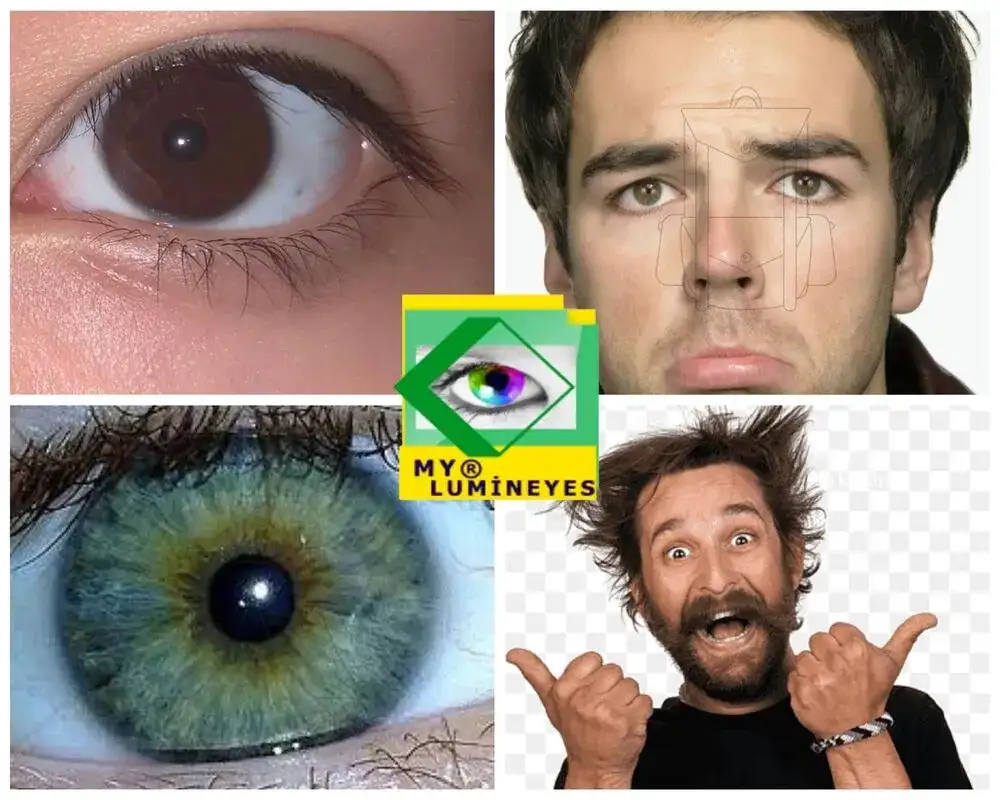
The Most Attractive Eye Colors and Eye Shapes: What Studies and Perception Show
Across different cultures and surveys, certain eye colors and eye shapes tend to be rated as more attractive or memorable. These preferences are influenced by rarity, contrast, symmetry, facial proportions and cultural associations rather than a biological rule. This page reviews the most commonly reported findings and explains why some eye colors draw more attention than others.
For a complete medical explanation of how eye colors are formed and distributed worldwide, you can refer to our main Eye Color Chart & Genetics Guide.
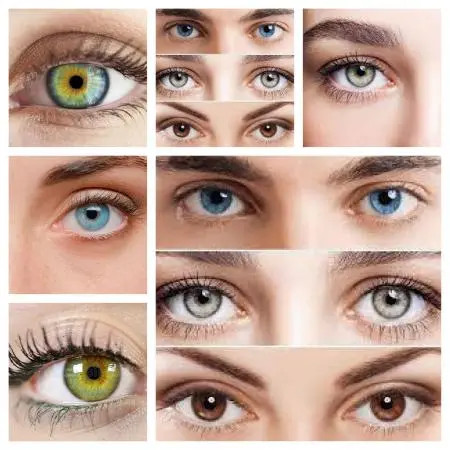
Why Do Some Eye Colors Look More Attractive?
Attractiveness is a combination of rarity, contrast and symmetry. Eye colors that are less common tend to stand out more, especially when they contrast with the surrounding skin tone, eyelashes and eyebrows. In scientific and psychological studies, the following factors influence perceived attractiveness:
- Rarity: Eye colors that occur less frequently (green, grey, amber) are often judged as more striking.
- Contrast: High contrast between the iris and facial features increases visual impact.
- Symmetry: Symmetrical eye shape and even pigmentation enhance attractiveness ratings.
- Iris clarity: Well-defined iris patterns, limbal rings and mixed tones can make eyes appear brighter.
Most Attractive Eye Colors in Surveys
Large online surveys and cross-cultural polls consistently show similar results. Although preferences vary across countries, a general trend emerges:
1. Green Eyes
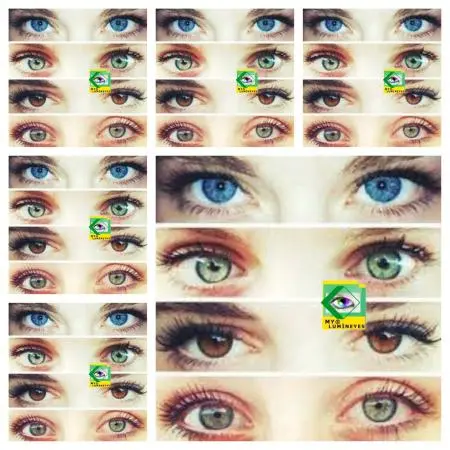
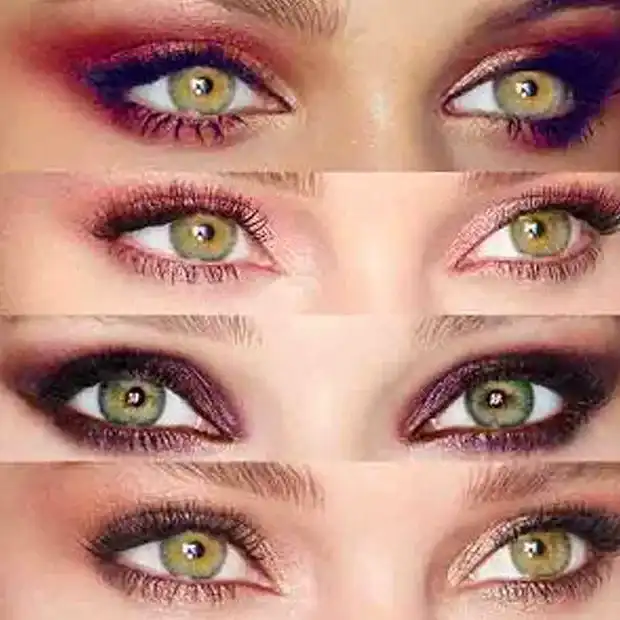
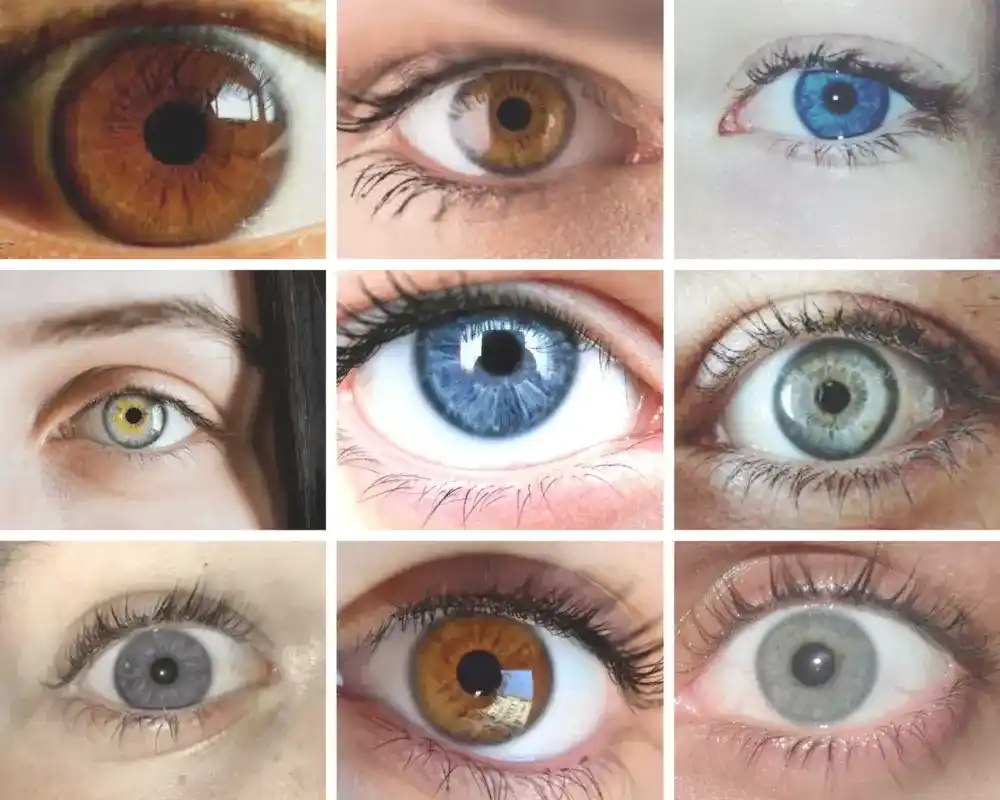
Green eyes consistently rank as one of the most attractive colors in global surveys. Their combination of light scattering and light pigment creates a vivid, rare appearance. The rarity factor (only 2–4% worldwide) strongly influences preference.
2. Hazel Eyes
Hazel eyes combine brown, gold and green tones, often appearing to “change” with lighting. This dynamic look is associated with depth and uniqueness, making hazel eyes one of the most admired colors in many regions.
3. Blue Eyes
Blue eyes, especially lighter and brighter shades, remain highly attractive in many surveys due to the strong contrast they create with darker eyelashes and brows. They are also strongly represented in media and cultural imagery.
4. Grey Eyes
Grey eyes are rare and often have a silver or smoky quality. Their neutral tone creates a dramatic contrast with the whites of the eyes and surrounding features, which enhances clarity and intensity.
5. Amber Eyes
Amber or golden eyes are rare and produce a warm, metallic effect. This unique color often stands out immediately and appears exotic or unusual in appearance-based studies.
6. Dark Brown Eyes
Dark brown eyes are the most common globally and are associated with warmth, reliability and depth. In attractiveness ratings, they score high when paired with symmetrical eye shape and strong limbal definition.
Most Attractive Eye Shapes
Eye shape plays as important a role as color. Studies on facial aesthetics show that these eye features are rated most attractive:
- Almond-shaped eyes: Considered the most universally attractive shape due to balanced symmetry and smooth upper–lower eyelid proportions.
- Visible upper eyelid crease: Creates depth and openness, making the eyes look larger.
- Slight upward outer tilt: Often perceived as youthful and dynamic.
- Clear limbal ring: A naturally dark ring around the iris increases contrast and brightness.
These factors apply to all eye colors. Even a very common color like brown can look extremely attractive when combined with a symmetrical almond shape and clear iris patterns.
Why Rarity Influences Attractiveness
Psychology research shows that uncommon physical traits draw more attention because the brain notices contrast and novelty. Green, grey and amber eyes are visually rare, which increases their perceived attractiveness independent of cultural factors.
In addition, iris patterns—such as a starburst around the pupil, multicolored regions or a dark limbal ring—can significantly enhance attractiveness even if the base color is common.
For background on how rarity and contrast influence perception, see the overview from the Psychology Today research summaries on visual attraction.
Can You Change Your Eye Color to a More Attractive Shade?
Genetics determines eye color, but some medical or cosmetic interventions can modify the appearance of the iris in adults. These include:
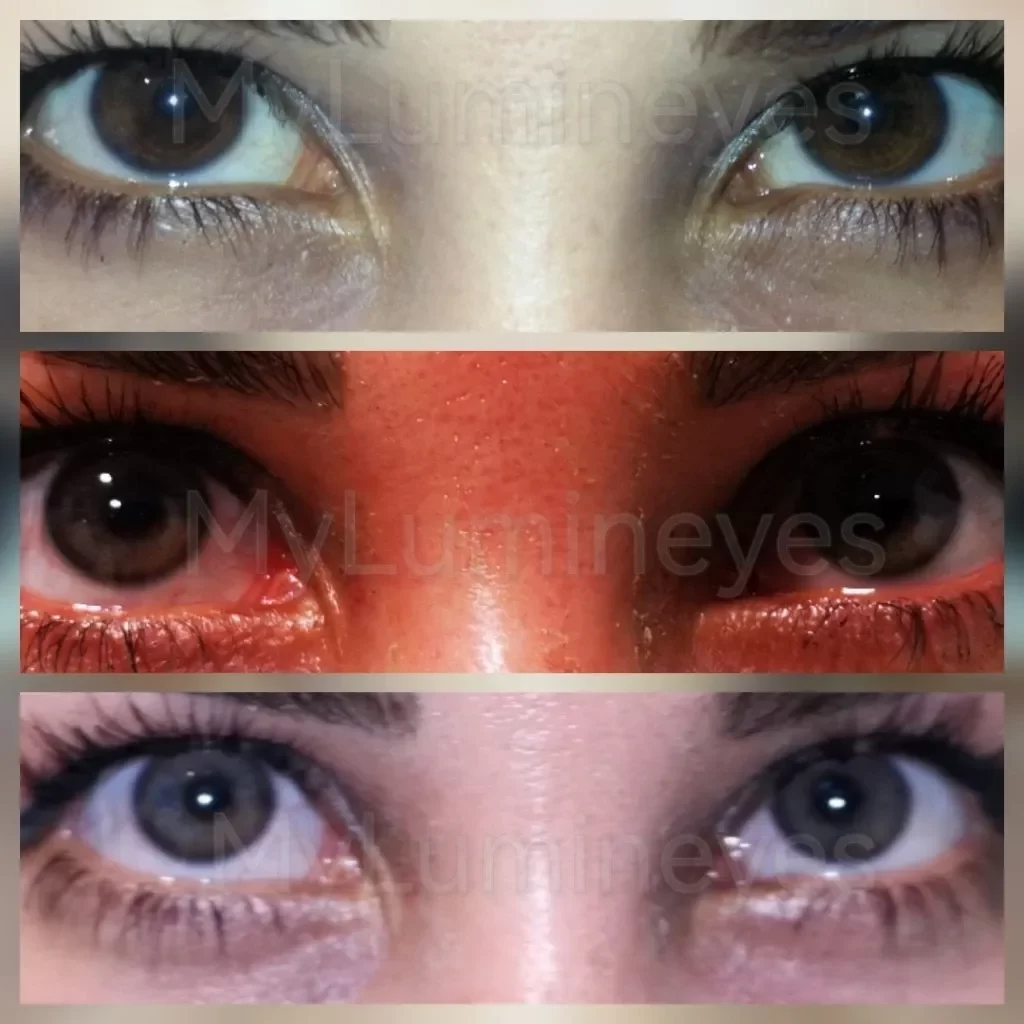
- Laser eye color change: An experimental clinical method that reduces melanin to lighten the iris. It cannot guarantee a specific color but may increase brightness or clarity depending on individual anatomy. More information is available on our Laser Eye Color Change page.
- Cosmetic iris implants: Not recommended due to high complication risk (glaucoma, corneal damage, chronic inflammation).
- Keratopigmentation: Tattooing the cornea, which creates an artificial color rather than changing the true iris.
Any desired change in eye appearance must be evaluated medically to avoid long-term damage or complications.
Key Points
- Survey data consistently rank green, hazel, blue and grey among the most attractive eye colors.
- Rarity, contrast and clarity strongly influence how eye color is perceived.
- Eye shape and symmetry are equally important for attractiveness.
- Cosmetic or medical eye color change should only be considered after full ophthalmic evaluation.
This article is based on cultural and survey-based observations, not strict biological rules. For the medical foundation of eye colors, including melanin and genetics, please see the Eye Color Chart & Genetics Guide.