MyLumineyes™ Clinical Training

Advanced Physician Training in Laser Iris Depigmentation

Direct clinical training in Türkiye or at the physician’s own institution, personally guided by Mustafa Mete, MD. Both formats include supervised practice and 12 months of individual mentorship.

10 DAYS Türkiye · Two Visits
12 DAYS International · One Visit
12 MONTHS Direct Mentorship
CLINICAL TRAINING Physician Program
ASSESS Patient
PLAN Individualize
RESPOND Reassess
The Lumineyes Story

From clinical experience
to a structured approach.

The development of Lumineyes has been shaped by years of clinical experience, patient observation and continued refinement of the approach to laser iris depigmentation.

A perspective on the clinical development of the Lumineyes approach.
Historical Clinical Background

The Lumineyes Story

A look back at the development of the Lumineyes approach to laser eye color change.

▶ Watch the story
The Clinical Concept

Learn the method.
Practice the judgment.

The training brings clinical assessment, technical practice and follow-up together. Physicians take part in supervised laser procedures while learning to recognize unsuitable candidates, interpret each eye’s response and adapt subsequent care.

01

Patient Selection

Assess eligibility, identify contraindications and recognize when treatment should be deferred or declined.

02

Supervised Practice

Work directly with Dr. Mete during patient preparation, laser procedures and immediate clinical assessment.

03

Medical Management

Learn case-specific medication strategies, safety monitoring and the interpretation of postoperative findings.

04

Longitudinal Care

Review staged treatment decisions, individual recovery patterns and longer-term patient follow-up.

The Training Journey

Clinical training
built around experience.

Two physician training formats, grounded in direct supervision and individual clinical judgment.

International On-Site Physician Training 12 CLINICAL DAYS · SINGLE VISIT

Advanced clinical training.
Within your own practice.

Dr. Mustafa Mete delivers intensive, one-to-one clinical instruction within the host ophthalmologist’s established practice, integrating supervised application with patient assessment, treatment planning and response-guided decisions.

Clinical contextTraining within familiar diagnostic resources, patient pathways and follow-up systems.
Direct collaborationPatient selection, supervised procedures and real-time clinical interpretation with Dr. Mete.
Continuity12 months of direct case-based clinical mentorship following the visit.

Available at clinical institutions with suitable laser and diagnostic infrastructure.

Training in Türkiye · Two clinical visits
01 / FIRST VISIT 5 WORKING DAYS

Intensive clinical training
and active laser practice.

Direct teaching and supervised participation begin during the initial training period.

  • Patient selection: iris assessment, exclusion criteria and high-risk decisions; additional diagnostic investigations when clinically indicated
  • Equipment and technique: laser-system preparation, optical alignment, calibration and the principles of SSMM
  • Practical procedures: performing suitable treatments alongside Dr. Mete with direct assistance and supervision
  • Individualized medication: pharmacological planning for different eyes and clinical responses
  • Clinical safety: pressure, inflammation, pigment response, complication recognition and follow-up decisions
02 / RETURN VISIT 5 WORKING DAYS

Advanced cases
and practical refinement.

Further supervised procedures focus on clinical variation, judgment and technical consistency.

  • Case diversity: different pigmentation grades, heterogeneous patterns and asymmetric responses
  • Previously treated eyes: assessment after earlier laser procedures and decisions on further intervention
  • Error prevention: recognition of inappropriate clinical and technical approaches
  • Complex management: tailored medication and monitoring in atypical inflammatory or pressure responses
  • Proficiency review: supervised technique, equipment preparation and integrated clinical decision-making

Two separate five-day clinical visits in Türkiye, scheduled individually.

Clinical Approach

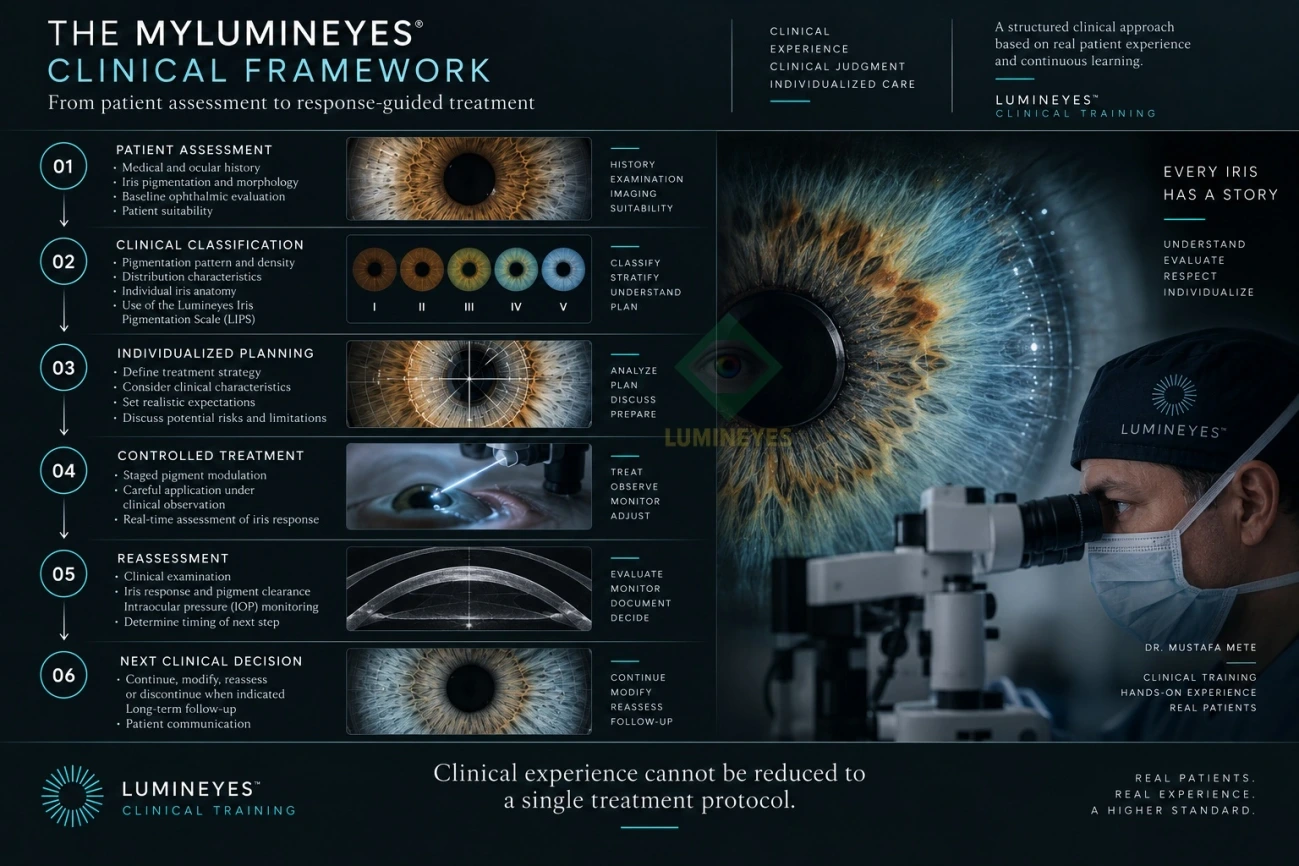
The MyLumineyes™ Clinical Framework

The method brings clinical assessment, staged treatment and longitudinal monitoring into one connected approach.

The MyLumineyes clinical framework for physician training, showing patient assessment, clinical classification, individualized planning, controlled treatment, reassessment and clinical decision-making

A visual overview of the method’s clinical decision framework.

Original Lumineyes Research

The science behind
the clinical method.

Research frameworks connecting iris phenotyping, selective stromal targeting, tissue response, temporal dynamics and multimodal measurement.

01 / Mechanism

SSMM

Selective Stromal Melanin Modulation

Anterior stromal pigmentation as the intended treatment target, integrated with controlled, response-guided staging.

Explore research
02 / Clinical Phenotyping

LIPS

Lumineyes Iris Pigmentation Scale

Five-category description of visible anterior stromal pigmentation, including spatially heterogeneous phenotypes.

Explore research
03 / Anterior-Segment Safety

L-SAFE

Safety Staging Before Re-Exposure

Integrating pressure, anterior-chamber findings, corneal status, and outflow context at clinical checkpoints.

Explore research
04 / Pigment Biology

P-CLEAR

Pigment Release–Clearance Balance

How pigment burden, inflammatory activity and aqueous-outflow response may evolve during recovery.

Explore research
05 / Temporal Biology

TRA

Temporal Response Architecture

Understanding overlapping biological responses through time, with separate attention to ocular state and trajectory.

Explore research
06 / Stromal Biology

BEYOND

Beyond Melanin Clearance

Melanocyte–fibroblast interactions, stromal signalling and the extracellular matrix beyond visible pigment change.

Explore research
07 / Quantitative Phenotyping

L-OAT

Lumineyes Optical Architectural Typology

A multimodal language for iris appearance, spatial architecture, and qualified OCT-derived features beyond subjective color labels.

Explore research
08 / Longitudinal Response

LRS

Longitudinal Response Selectivity

A proposed SSMM concept examining how treatment-associated responses evolve selectively across tissues and time.

Explore research
09 / Tissue Resilience

I-STROMAL

Iris Structural Resilience

A research framework for examining stromal integrity, tissue responses, and longer-term structural adaptation.

Explore research
10 / Inflammatory Dynamics

BAB

Blood–Aqueous Barrier Dynamics

Serial interpretation of anterior-chamber cells, flare, and recovery trajectories after iris-directed laser exposure.

Explore research
11 / Measurement Architecture

L-TIDE

Multimodal Measurement & Mechanistic Identifiability

A proposed architecture combining longitudinal pigment, biological-response, and outflow measurements to test competing mechanistic explanations.

Dedicated research page forthcoming
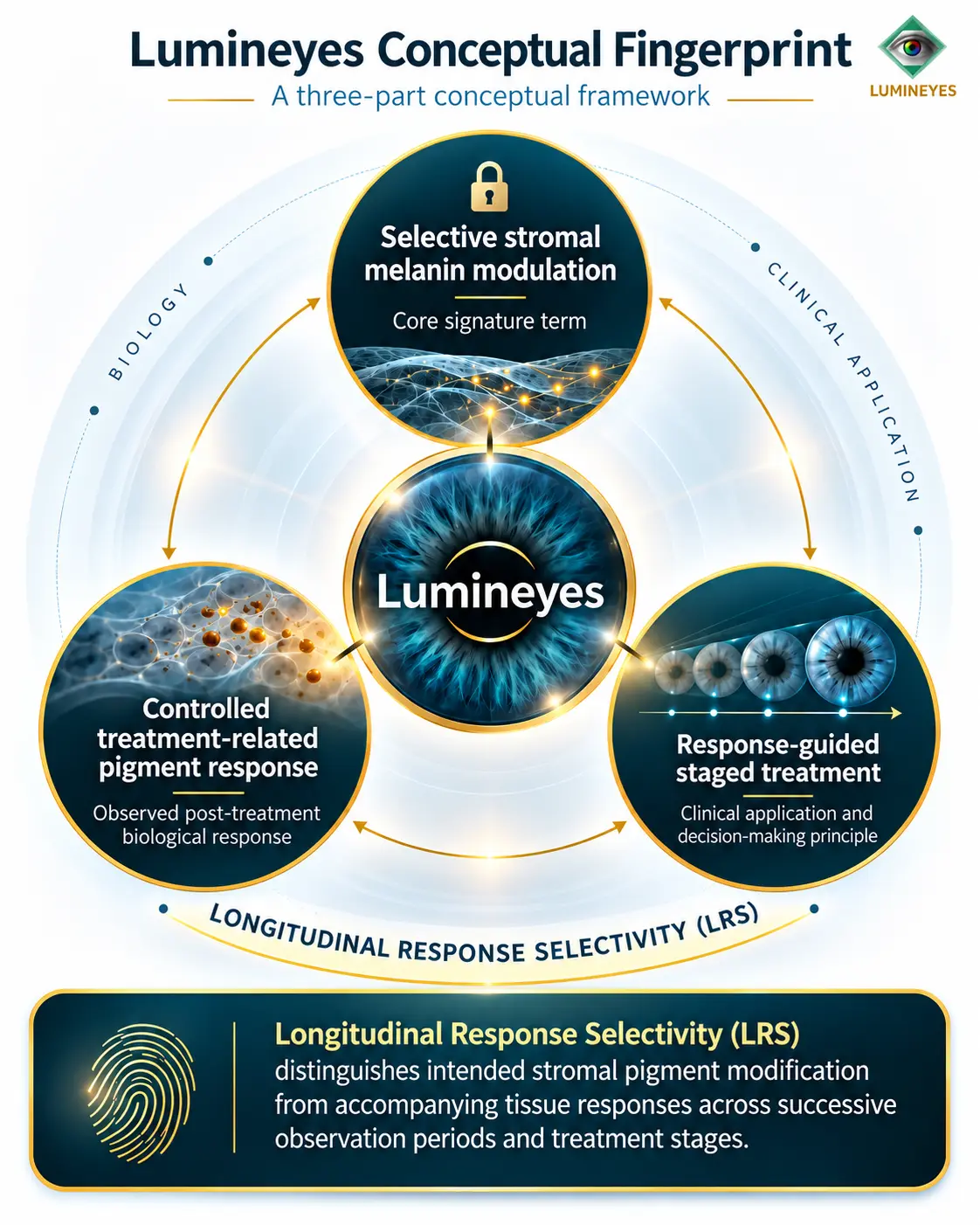
Lumineyes™ LRS conceptual fingerprint illustrating longitudinal response selectivity within the SSMM research framework
Research illustration · LRS

Longitudinal Response Selectivity

A conceptual representation of selective tissue response across treatment stages and follow-up.

Explore LRS research ↗
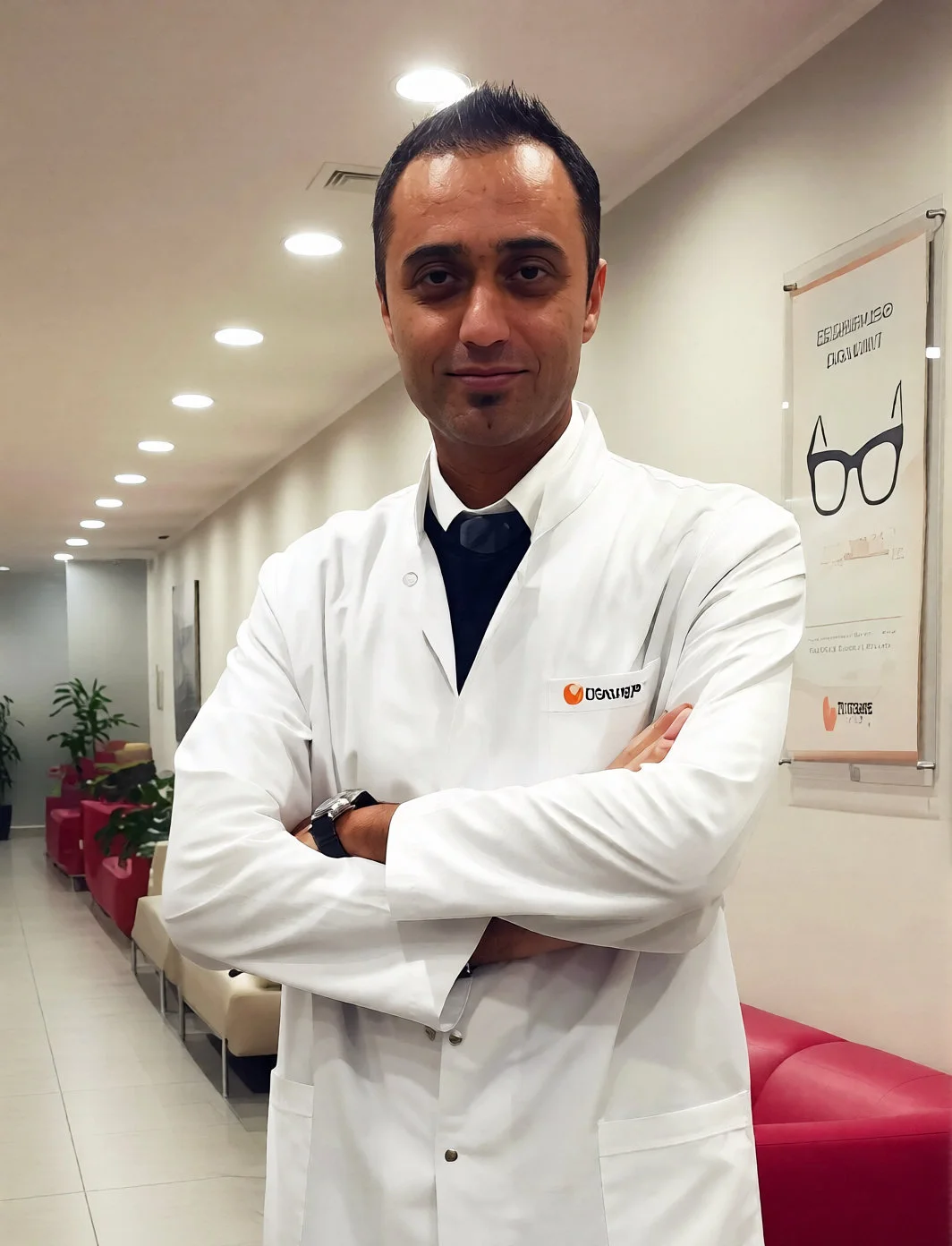
Dr. Mustafa Mete, physician and clinical mentor of the MyLumineyes physician training program
Direct Clinical Mentorship

Train directly with
Dr. Mustafa Mete.

Training is conducted directly with Dr. Mete through patient assessment, laser-system preparation, calibration and supervised clinical application.

Clinical judgment develops through observation, supervised practice and longitudinal case review.

10 / 12 DAYS Türkiye / International
HANDS-ON Supervised laser practice
12 MONTHS One-to-one mentorship

Professional Training Inquiry

CONFIDENTIAL PHYSICIAN ENQUIRY
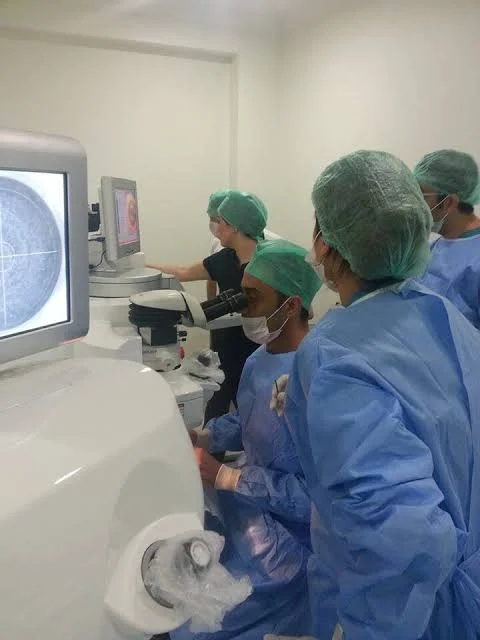
Dr. Mustafa Mete during clinical eye color change treatment
Clinical training environment · Direct physician mentorship
Hands-on clinical training

Clinical assessment.
Supervised practice.

Participants work alongside Dr. Mete in patient assessment, treatment planning, supervised laser procedures and clinical review.

Clinical judgment develops through direct observation of individual iris responses and thoughtful decisions over time.

Patient selection Eligibility, exclusion, risk stratification, and case-specific decisions.
Technical precision Equipment setup, optical alignment, calibration, and treatment planning.
Medical management Individualized pharmacological approaches and postoperative monitoring.
Clinical responsibility Response assessment, follow-up, and recognizing when treatment should not proceed.
Clinical progression

From technique to clinical judgment.

Clinical judgment is developed through supervised practice, critical observation and case-based interpretation.

CLINICAL FOUNDATIONDIRECT SUPERVISION

Core clinical workflow

Patient assessment and exclusion, laser systems and calibration, active supervised procedures, individualized medication, immediate safety monitoring, and follow-up.

FULL CLINICAL WORKFLOW
CASE-BASED PROGRESSION
CLINICAL INTEGRATIONADVANCED CASES

Adaptive clinical decisions

Different iris phenotypes, previously treated eyes, complex cases, technical error prevention, further supervised procedures, and individual proficiency review.

ADVANCED CASE EXPERIENCE
Clinical curriculum

The complete clinical pathway.

A structured curriculum integrating technique, clinical assessment and longitudinal management.

01

Candidate Assessment

Patient selection, exclusion, challenging histories, clinical risk evaluation, and targeted diagnostic investigations where indicated.

02

Laser Systems

SSMM principles, equipment preparation, optical alignment, calibration, parameter verification, and individual procedure planning.

03

Hands-on Procedures

Active participation in laser application alongside Dr. Mete, with direct assistance, immediate review, and staged practical supervision.

04

Medication Strategies

Different pharmacological approaches according to ocular history, iris response, inflammation, pressure behavior, and clinical findings.

05

Safety Decisions

Monitoring of anterior-segment response, complication recognition, treatment modification, postponement, and cessation criteria.

06

Advanced Case Review

Previously lasered eyes, heterogeneous pigmentation, atypical responses, prevention of technical errors, and practical proficiency assessment.

Continuing clinical mentorship

12 months of direct personal mentorship.

Both formats include direct, one-to-one clinical consultation with Dr. Mete for 12 months after training.

Patient assessment & decisionsEligibility, iris evaluation, individualized treatment planning and decisions to proceed, modify or postpone.
Clinical & complication managementMedication strategies, unexpected findings, complication assessment, follow-up and appropriate local escalation.
Technical & longitudinal consultationEquipment-related questions, treatment response and ongoing case review.
Lumineyes™ Physician Training

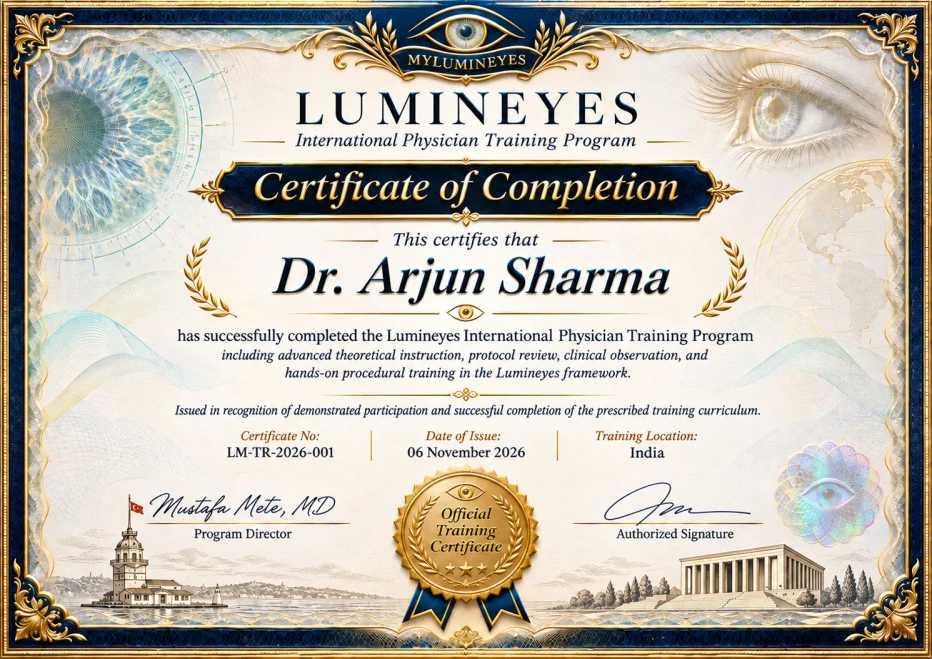
Certificate of Completion

Upon successful completion of the practical program, each participant receives a personalized Lumineyes™ Advanced Physician Training Certificate, issued and signed by Mustafa Mete, MD.

Each certificate carries an individual identification number.

Lumineyes™ Advanced Physician Training Certificate of Completion
Physician questions

Frequently asked questions

Who is eligible for the training?

For qualified ophthalmologists with relevant clinical experience.

How long does the training take?

In Türkiye, two separate five-day visits provide 10 training days. International on-site training comprises 12 clinical days within one continuous two-week visit.

Is the training hands-on?

Yes. Suitable procedures are performed with Dr. Mete’s direct supervision, according to clinical circumstances and the participant’s proficiency.

Is the training conducted directly with Dr. Mustafa Mete?

Yes. Dr. Mete personally supervises the clinical program and directly participates in its teaching and practical sessions.

Can two physicians train together?

Yes, joint training arrangements can be considered for two qualified ophthalmologists, subject to scheduling and clinical case availability.

Is professional support available after training?

Yes. Twelve months of individual clinical consultation with Dr. Mete are included.

Can the training take place at my own clinic?

Yes. The international format integrates direct supervision and practical training into the participating physician’s own clinical environment, where suitable laser infrastructure is available.

Is a Lumineyes™ training certificate provided?

Yes. A personalized certificate, signed by Dr. Mete, is issued upon successful completion of the practical program.

Physician training

Physician training enquiries.

For professional correspondence and training enquiries, please use the form above.

Request Professional Training
Lumineyes Lumineyes Assistant ×
Structured clinical guidance • No automated free-text answers
Start Here
Ask a question or choose a topic above.
Explore how Lumineyes works, treatment sessions, results, safety, eligibility, cost, and appointments.