Laser Eye Surgery and Glaucoma: Understanding the Safety of MyLumineyes®
Glaucoma is one of the most severe risks associated with unregulated cosmetic eye procedures. Understanding how intraocular pressure (IOP) is managed distinguishes dangerous interventions from medically sound ophthalmic protocols.
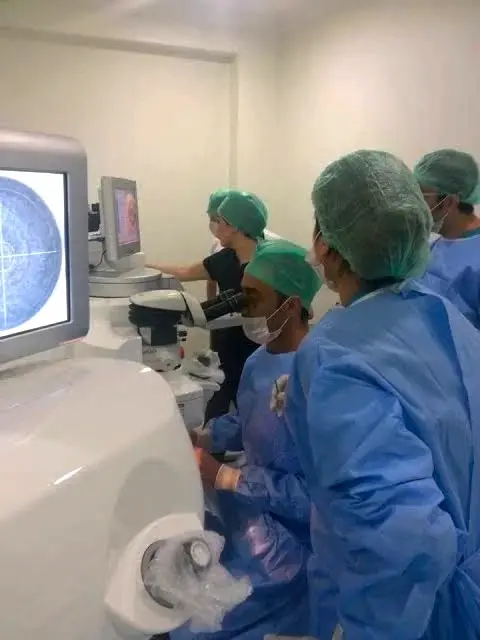
A primary and entirely valid concern for patients considering permanent eye color modification is the potential risk of glaucoma. Because laser depigmentation interacts directly with the iris, the relationship between freed melanin pigment and the eye's natural fluid drainage system determines the long-term safety of your vision.
Unlike surgical implants or aggressive thermal lasers that destroy anterior chamber dynamics, the MyLumineyes® protocol was explicitly engineered around preserving trabecular outflow.
The Pathophysiology of Pigmentary Glaucoma
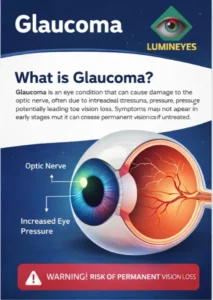
To understand the danger, you must first understand the anatomy of the anterior chamber. The eye continuously produces a clear fluid called aqueous humor, which provides nutrients to the lens and cornea. This fluid drains out of the eye through a microscopic, sponge-like structure located in the iridocorneal angle called the trabecular meshwork (TM), eventually emptying into Schlemm’s canal.
Glaucoma occurs when this drainage pathway becomes blocked. Fluid continues to be produced but cannot escape, causing intraocular pressure (IOP) to spike. This elevated pressure physically crushes the retinal ganglion cells and the optic nerve, leading to irreversible peripheral vision loss and, ultimately, blindness.
When unqualified clinics use industrial or standard Q-switched lasers to alter eye color, they aggressively burn the iris stroma. This thermal trauma causes a massive, sudden dumping of melanin pigment and inflammatory debris into the aqueous humor. This uncontrolled pigment avalanche physically clogs the trabecular meshwork—triggering acute secondary Pigmentary Glaucoma.
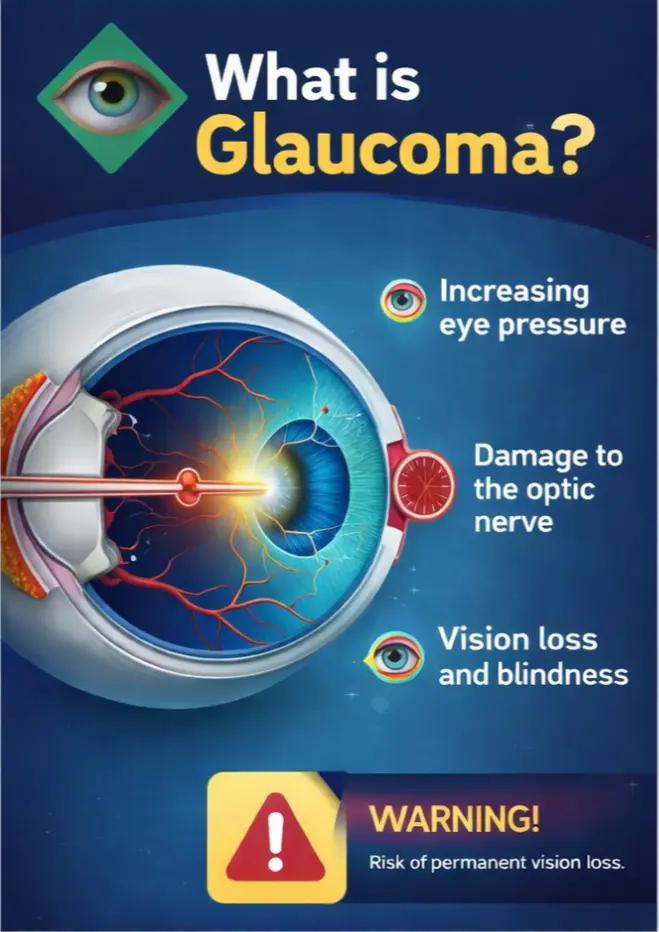
Ophthalmic evaluation of the anterior chamber angle is mandatory to monitor intraocular pressure (IOP).
How MyLumineyes® Protects the Trabecular Meshwork
As an ophthalmologist with decades of experience managing glaucoma and refractive surgery, I developed the MyLumineyes® protocol specifically to eliminate the risk of pigmentary blockade.
Our clinical approach relies on selective photodisruption rather than thermal coagulation. By using highly customized, low-fluence wavelengths, the laser targets only the superficial melanin pigment without causing collateral necrosis to the deeper iris stroma.
The cornerstone of our safety protocol is biology, not just physics. By applying very low energy, the disrupted melanin granules are small enough to be engulfed and digested by ocular macrophages (the eye's natural scavenger cells). Because we strictly pace our sessions, the trabecular meshwork is never overwhelmed. The pigment is cleared smoothly at a rate that the eye can naturally handle, keeping IOP stable.
Comparison: Why Clinical Safety Depends on the Protocol
The difference between a safe outcome and a blinding complication lies entirely in the biophysical parameters of the laser and the pacing of the procedure.
| Clinical Parameter | Commercial / Unregulated Clinics | The MyLumineyes® Protocol |
|---|---|---|
| Laser Energy (Fluence) | High/Aggressive (Causes tissue necrosis) | Low-Intensity & Selective (Preserves iris integrity) |
| Pigment Clearance | Sudden & Massive (Overwhelms drainage) | Staged & Macrophage-Mediated (Respects natural outflow) |
| IOP Monitoring | Often Ignored or Unmeasured | Continuous Clinical Tracking (Tonometry at every stage) |
| Timeline Promised | Immediate / "1-Week Packages" (High Risk) | Gradual (4-6 Months) (Maximum Safety) |
Our long-term clinical studies demonstrate that when these strict biophysical parameters are adhered to, the procedure does not induce secondary glaucoma. For a comprehensive breakdown of our safety data, review our clinical guide on the safety of laser eye color change.
⚠ The Extreme Danger of "Rapid" Sessions
Clinics promising immediate results or offering fixed "short-term holiday packages" are practicing dangerous medicine. Forcing a rapid pigment change requires extreme laser energy, overloading the eye’s natural drainage capacity and directly precipitating irreversible Glaucoma. We strictly pace our treatments according to your individual biological response. Visual health must always supersede cosmetic speed.
Can Patients with Existing Glaucoma Have the Procedure?
Medical ethics dictate strict patient selection. Individuals with active, diagnosed, or advanced Glaucoma (or those with an anatomically narrow iridocorneal angle) are generally NOT suitable candidates for cosmetic laser depigmentation.
Before any treatment is approved, a comprehensive gonioscopy (examination of the drainage pathways), pachymetry, and baseline tonometry are required to determine eligibility. If your trabecular meshwork is already compromised, introducing even microscopic amounts of pigment poses an unacceptable medical risk.
Key Safety Takeaways
- Individualized Session Planning: Treatment duration and laser intensity are strictly adjusted based on your specific iris pigment grade and biological response.
- Early IOP Monitoring: We employ a proprietary early IOP monitoring framework to detect even sub-clinical pressure variations before they pose a threat.
- Gradual, Safe Transformation: Final results typically manifest within 4 to 6 months, allowing the ocular anatomy to adapt safely without inflammatory spikes.
- Surgeon-Led Care: Every diagnostic and surgical step is directly managed by Dr. Mustafa Mete, ensuring that 15+ years of refractive and laser safety data govern your treatment.
For a transparent breakdown of procedural costs and a detailed analysis of potential medical complications, please visit our Cost and Risks page, or read our official medical Disclaimer.
Frequently Asked Questions: Glaucoma & MyLumineyes
Does changing your eye color with a laser cause glaucoma?
Unregulated, high-energy lasers absolutely cause pigmentary glaucoma by dumping massive amounts of burnt tissue into the eye's drainage system. However, the MyLumineyes protocol uses low-energy, selective photodisruption and fractionated sessions to clear pigment gradually, completely avoiding this complication.
Can I have Lumineyes if I have a family history of glaucoma?
A family history of glaucoma requires caution but is not an absolute contraindication. You must undergo a comprehensive ophthalmic examination, including OCT scanning of the optic nerve and gonioscopy to evaluate your drainage angles, before we can approve you for treatment.
Why do some clinics offer eye color change in just a few days?
Clinics offering full treatments in a matter of days are using dangerously high laser energy to force the pigment off the iris. This aggressive approach severely inflames the anterior chamber and exponentially increases the risk of irreversible vision loss and secondary glaucoma.