


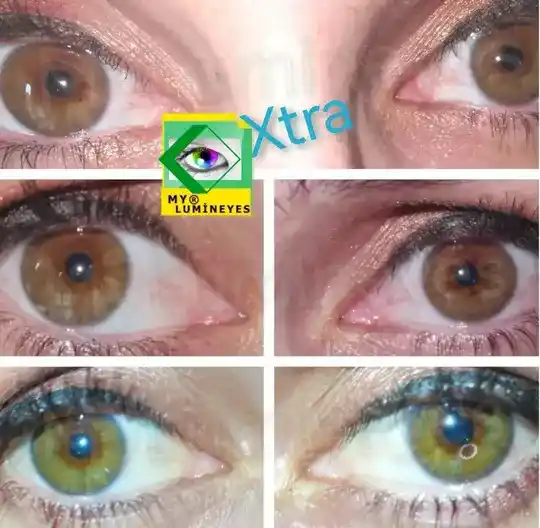
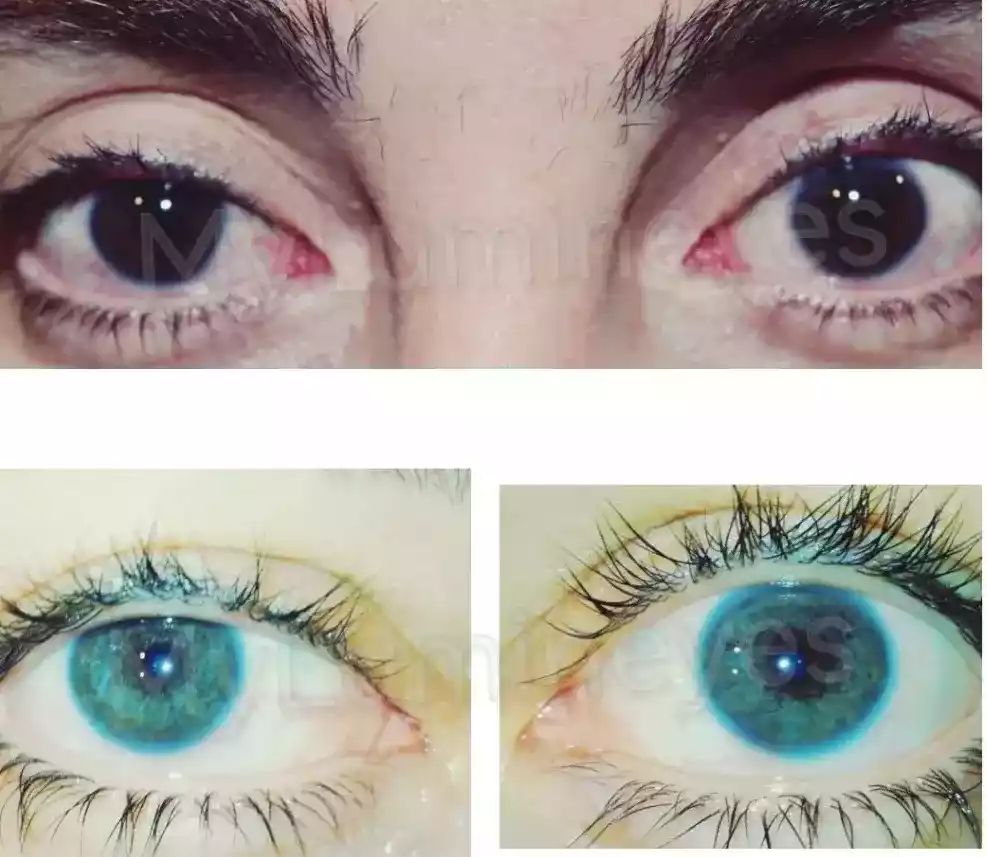
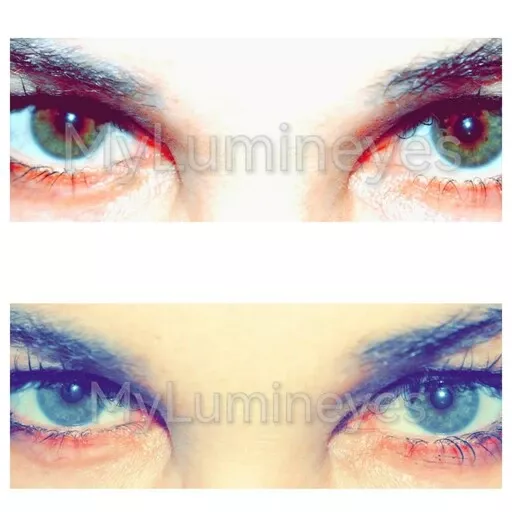

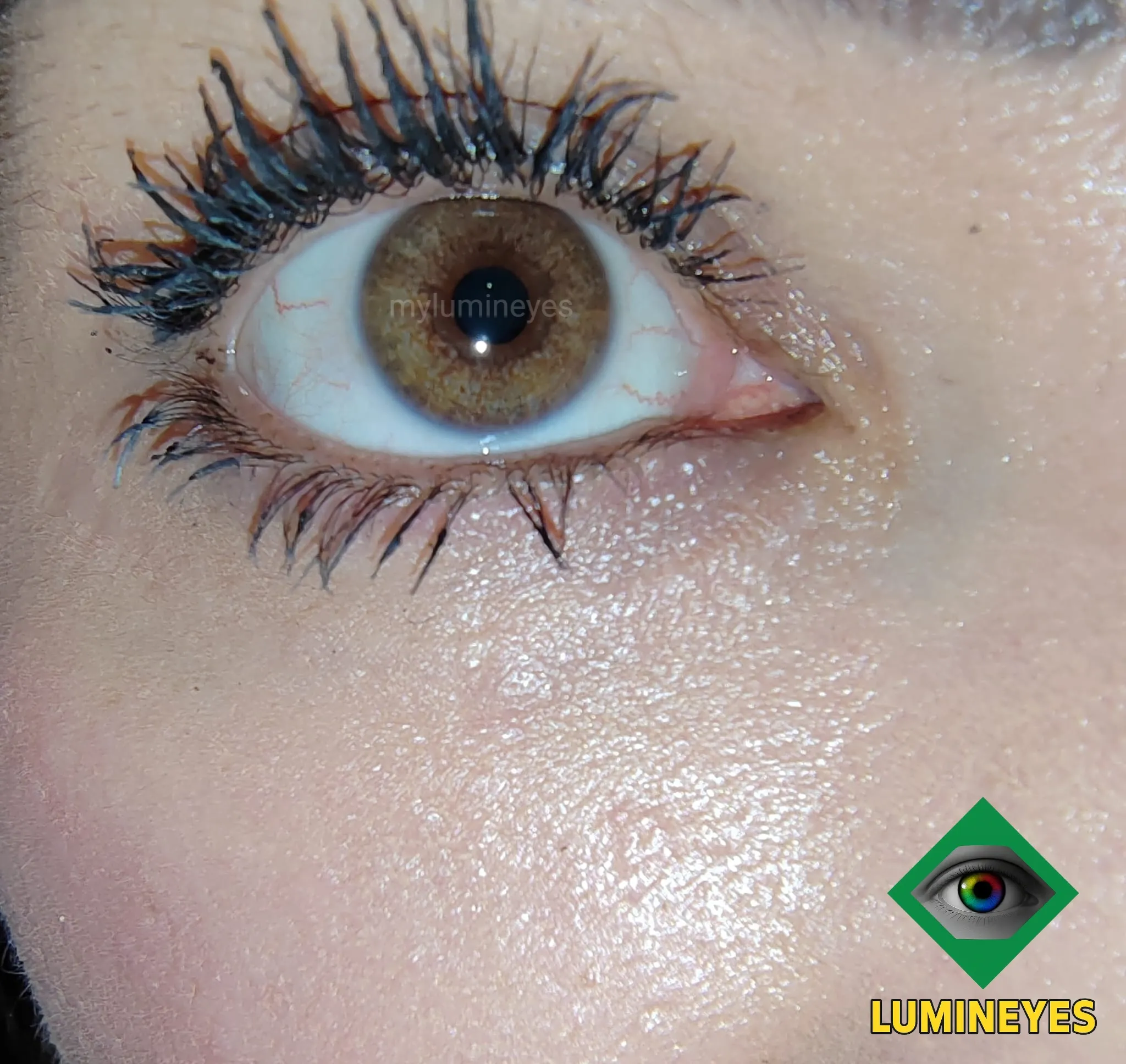
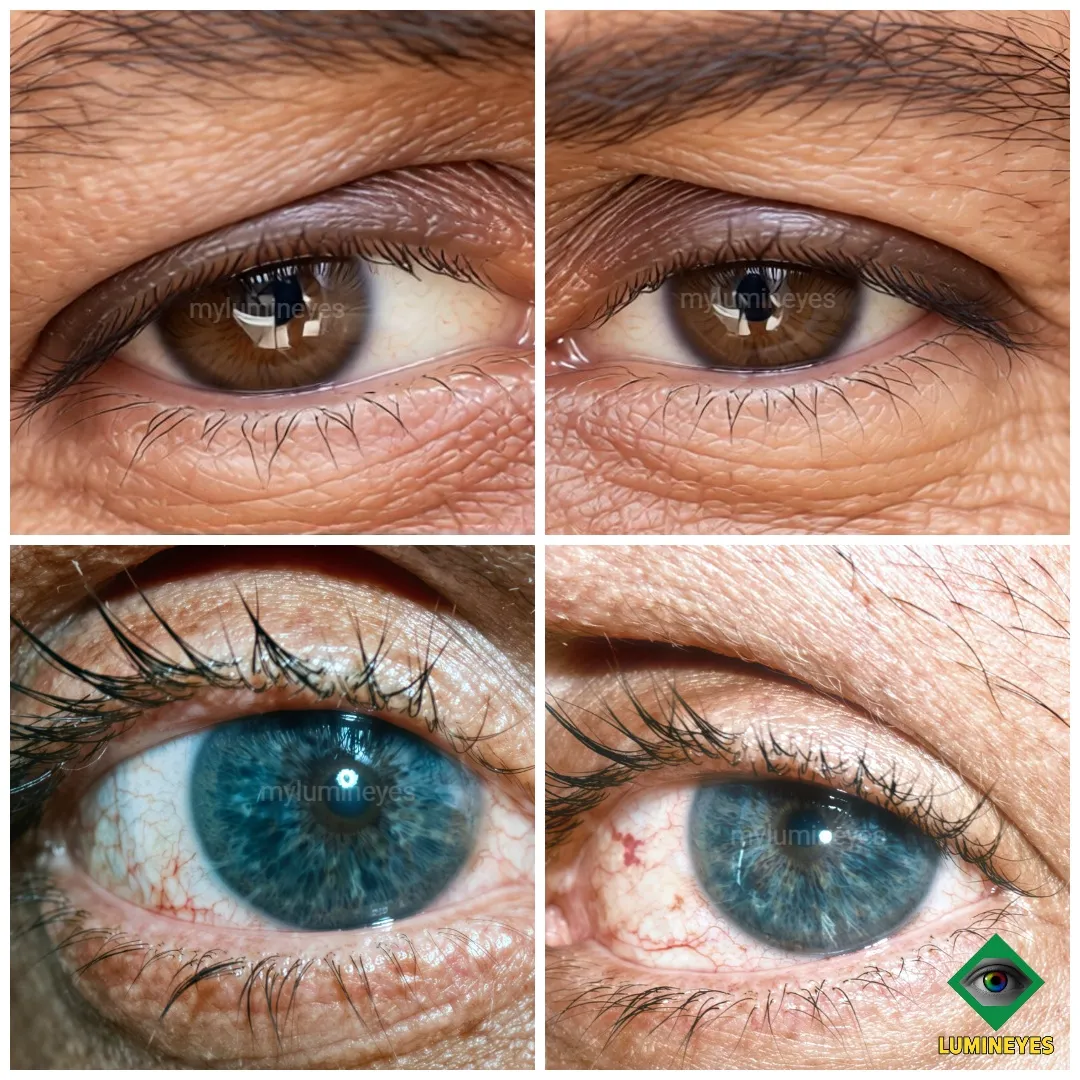
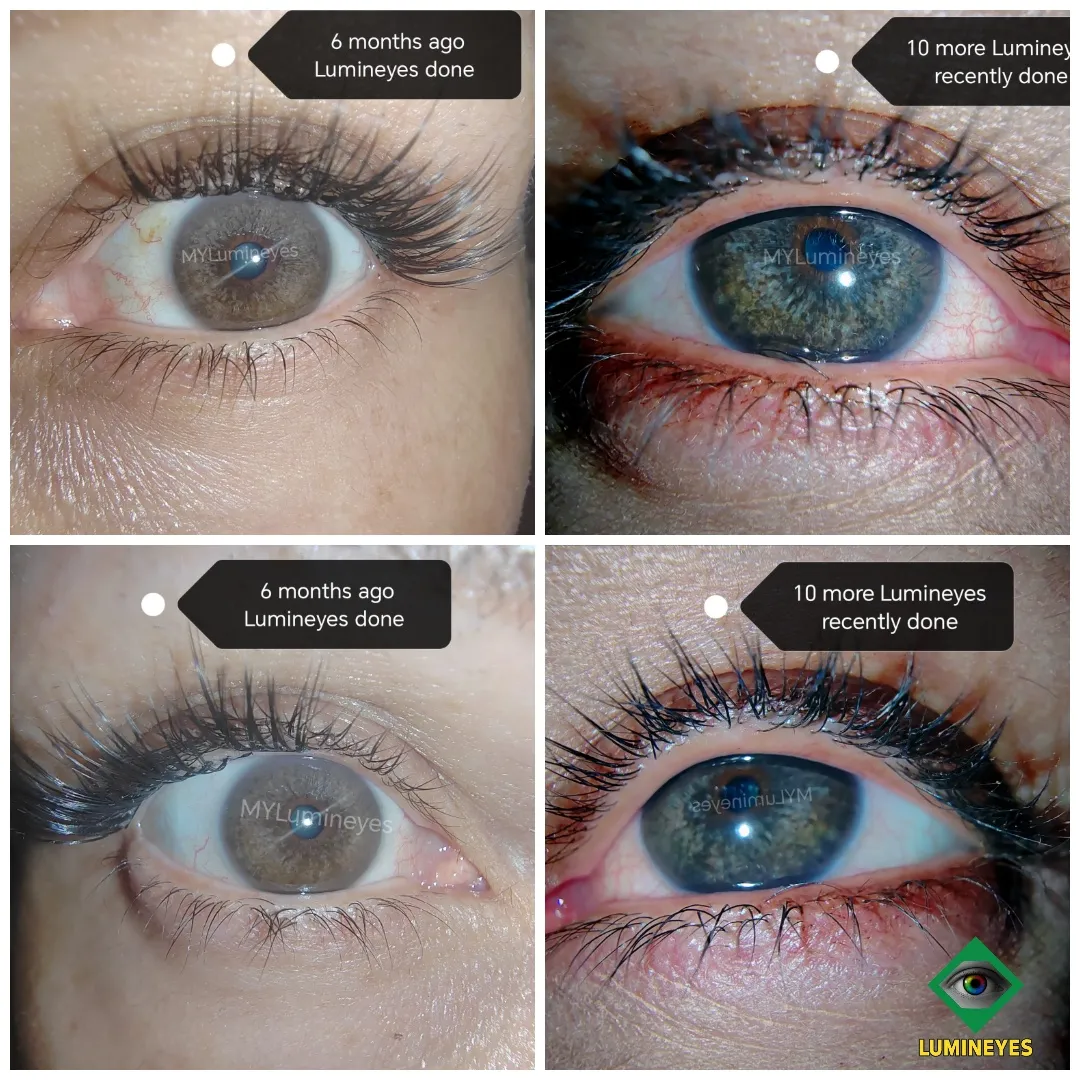
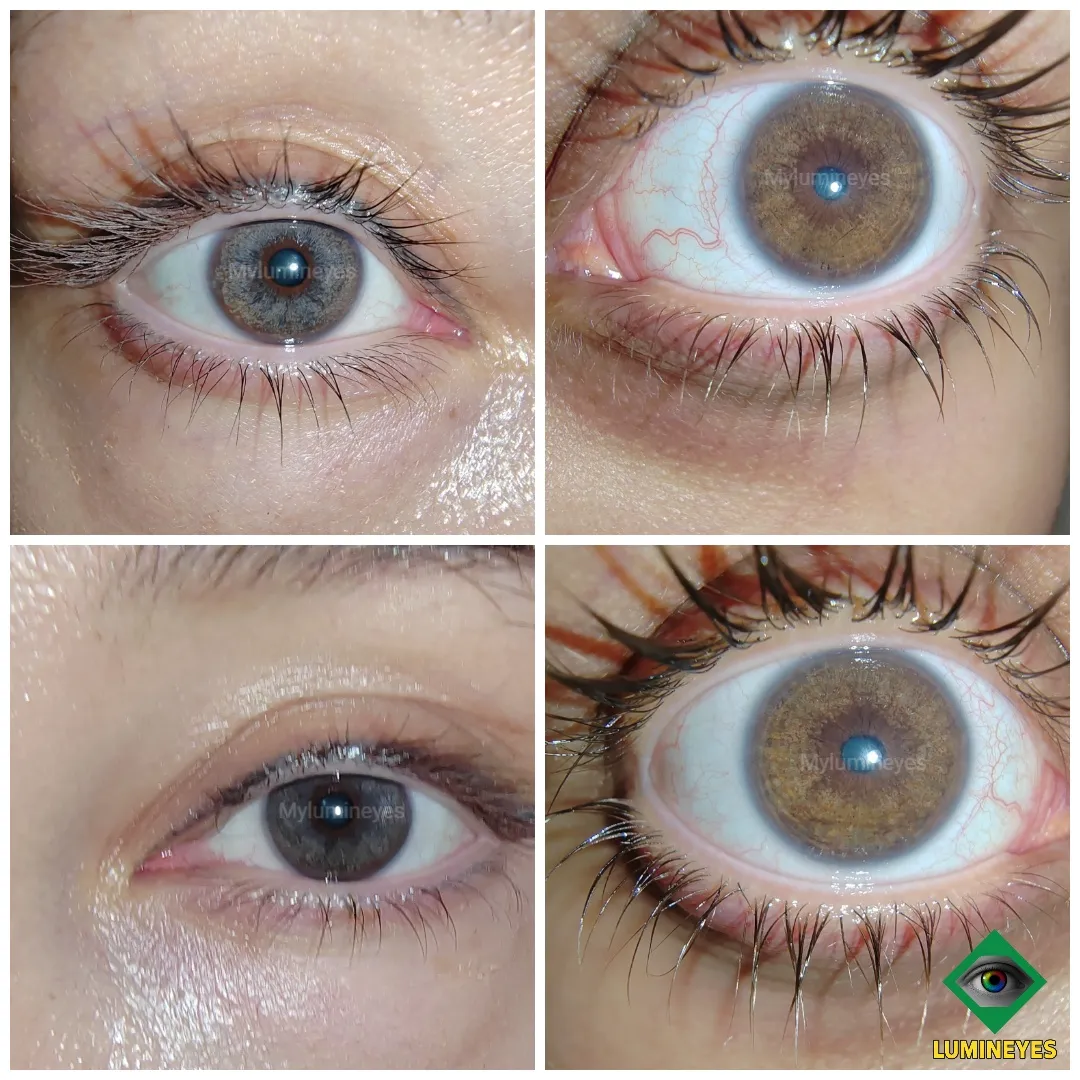
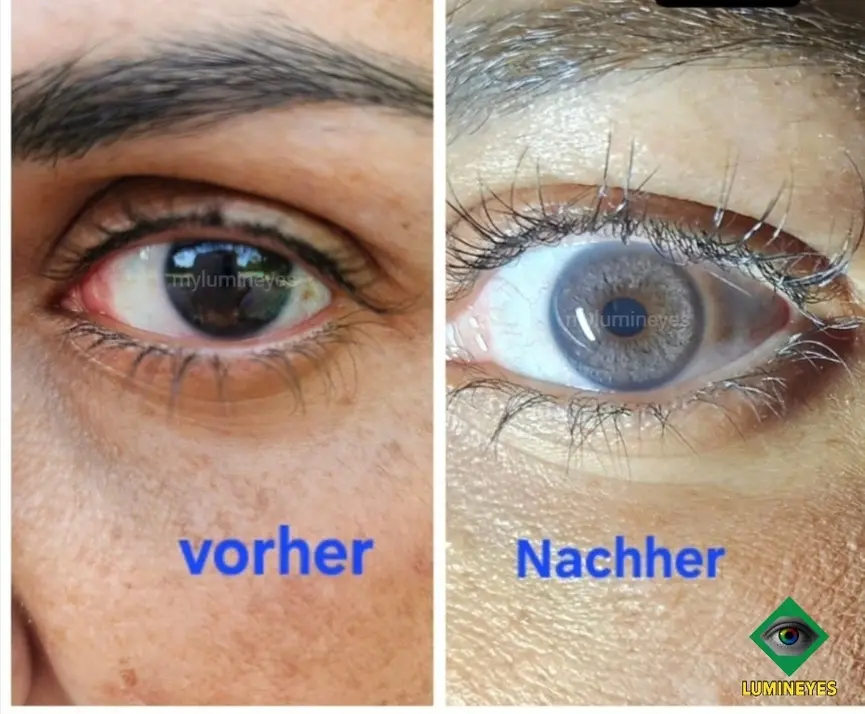
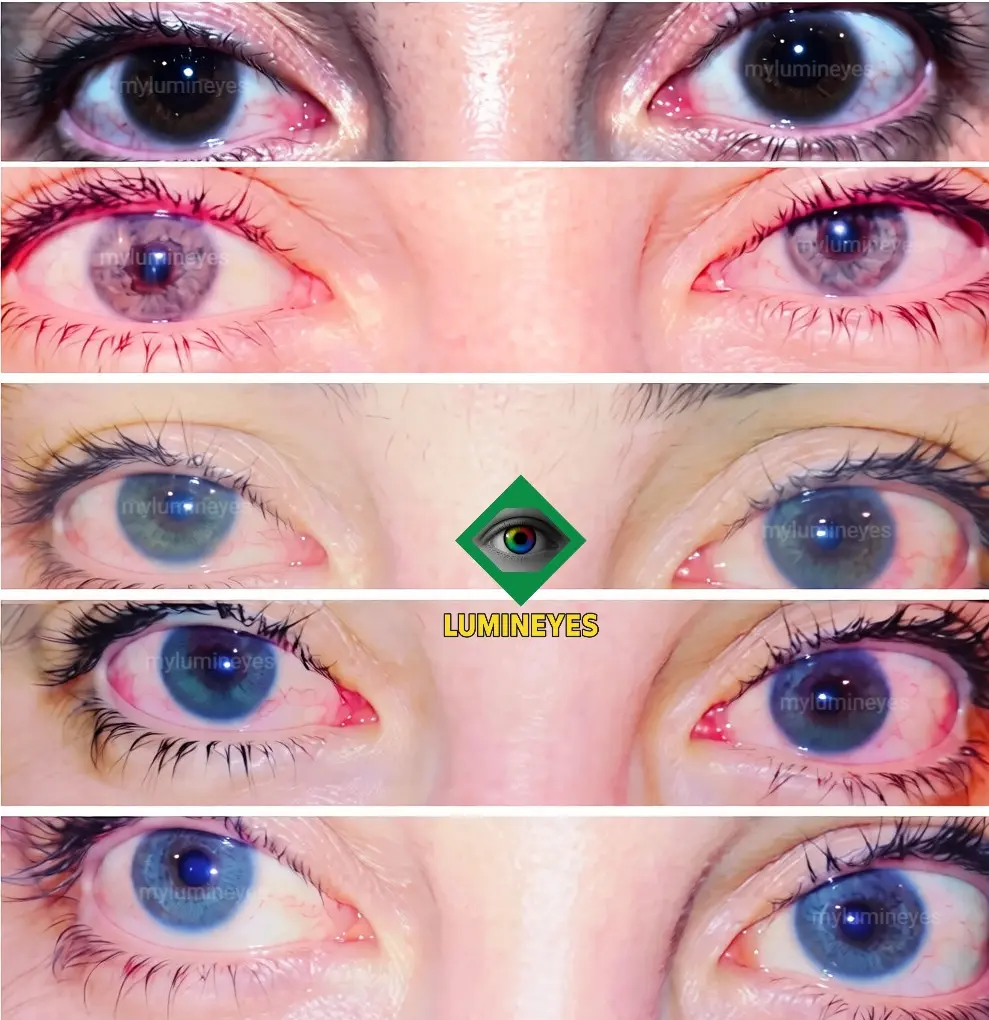
Laser pigment reduction, not artificial coloring.
The Lumineyes™ technique is a form of laser iris depigmentation (LID). Its intended target-and-response strategy is developed within the Selective Stromal Melanin Modulation (SSMM) framework.
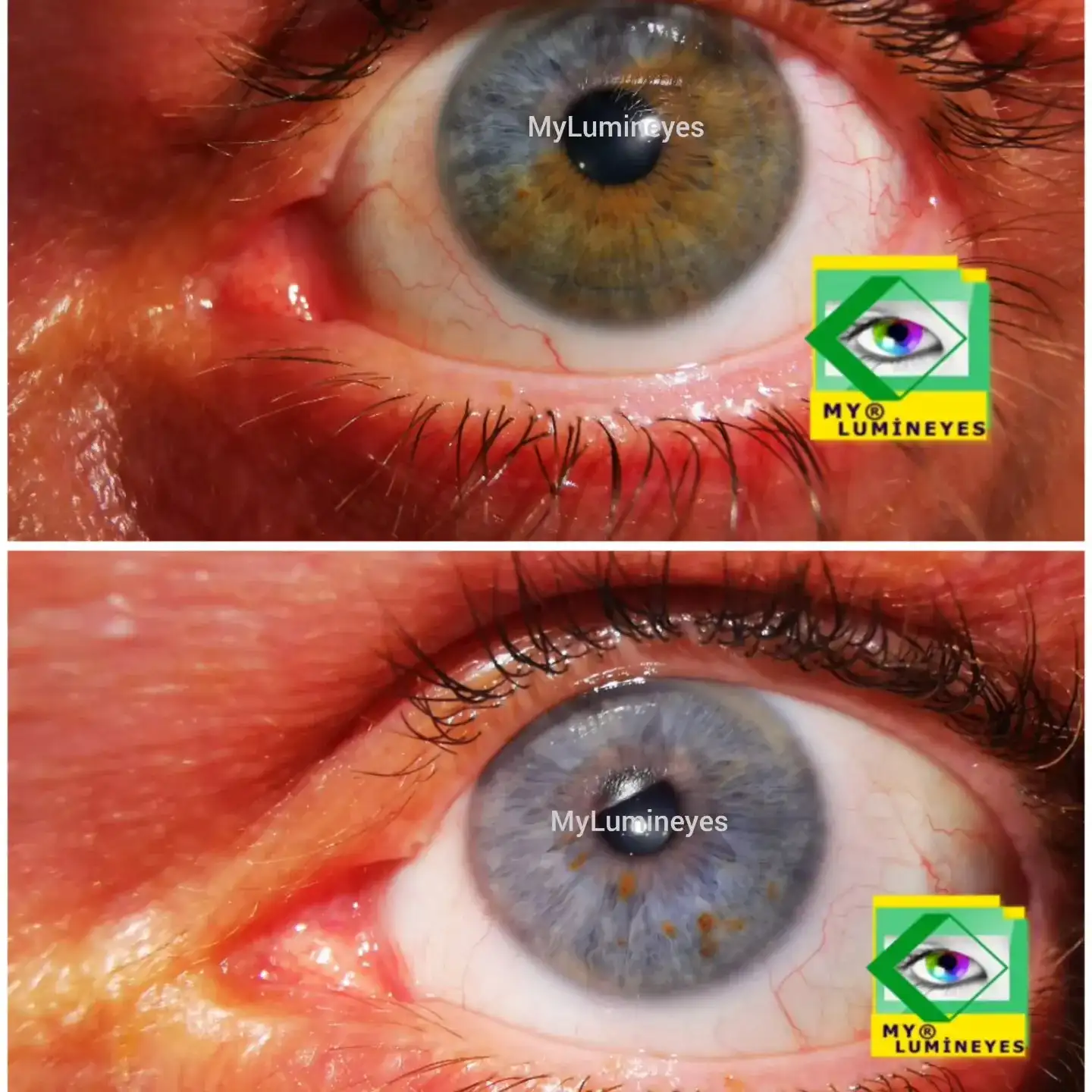
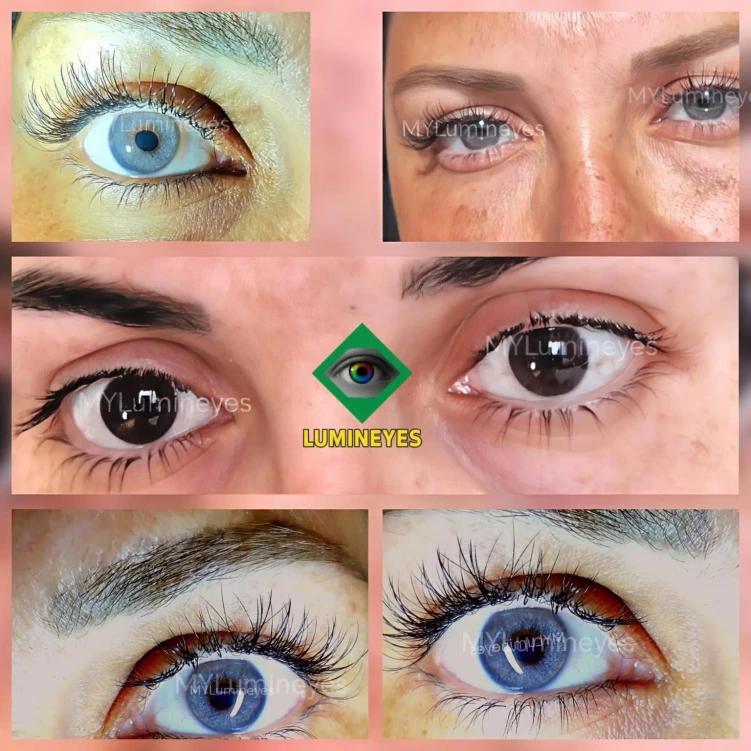
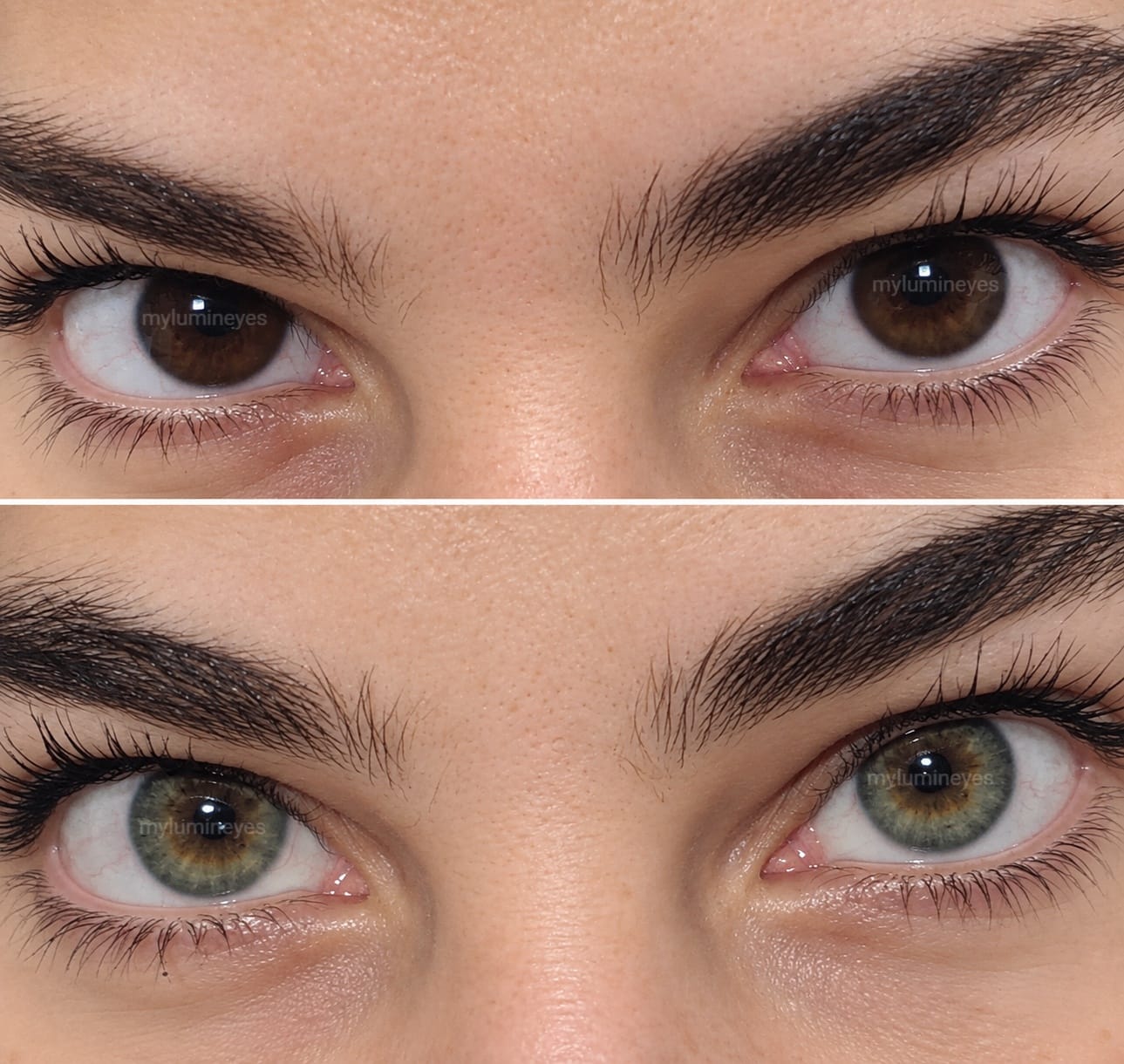
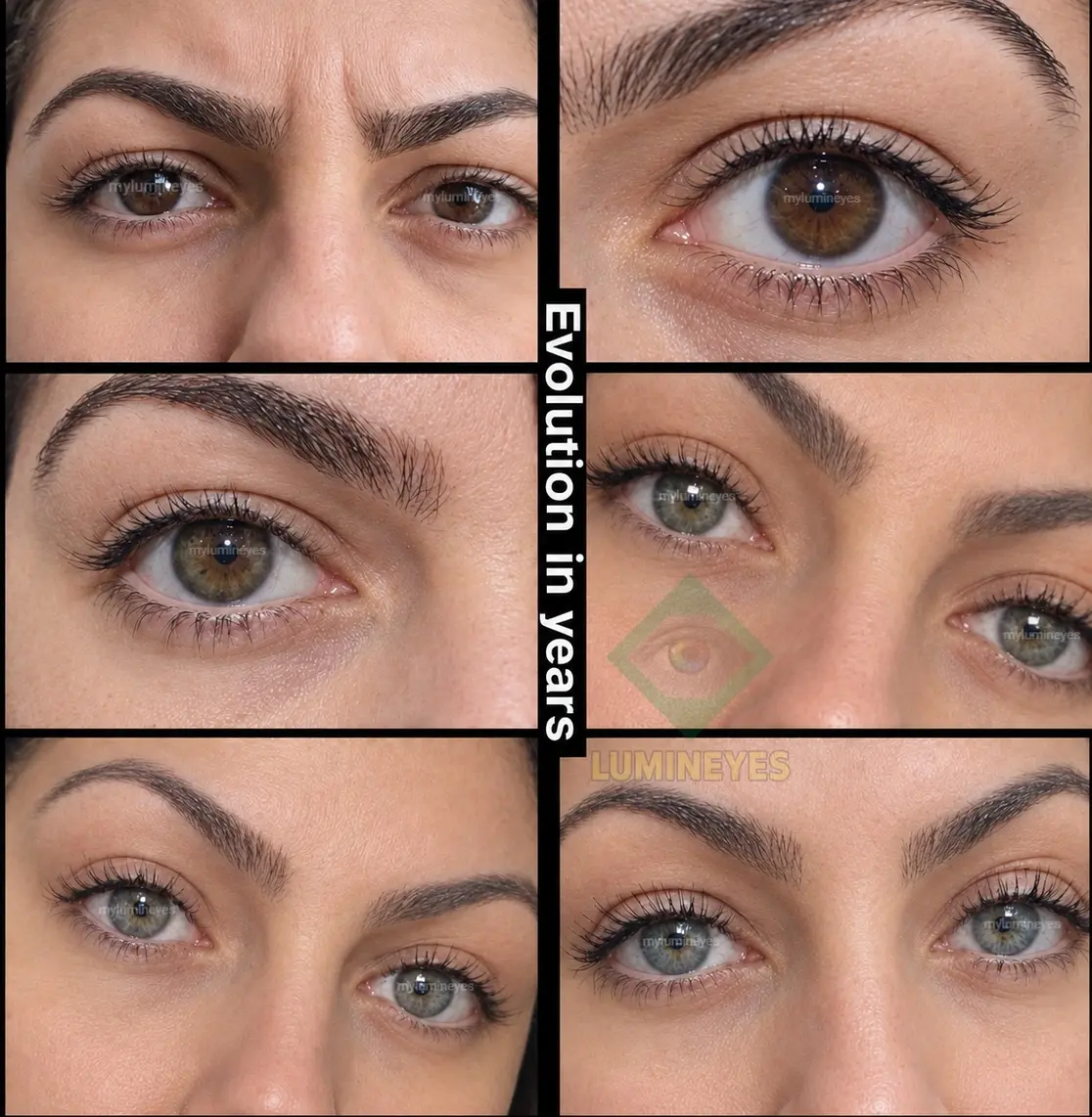
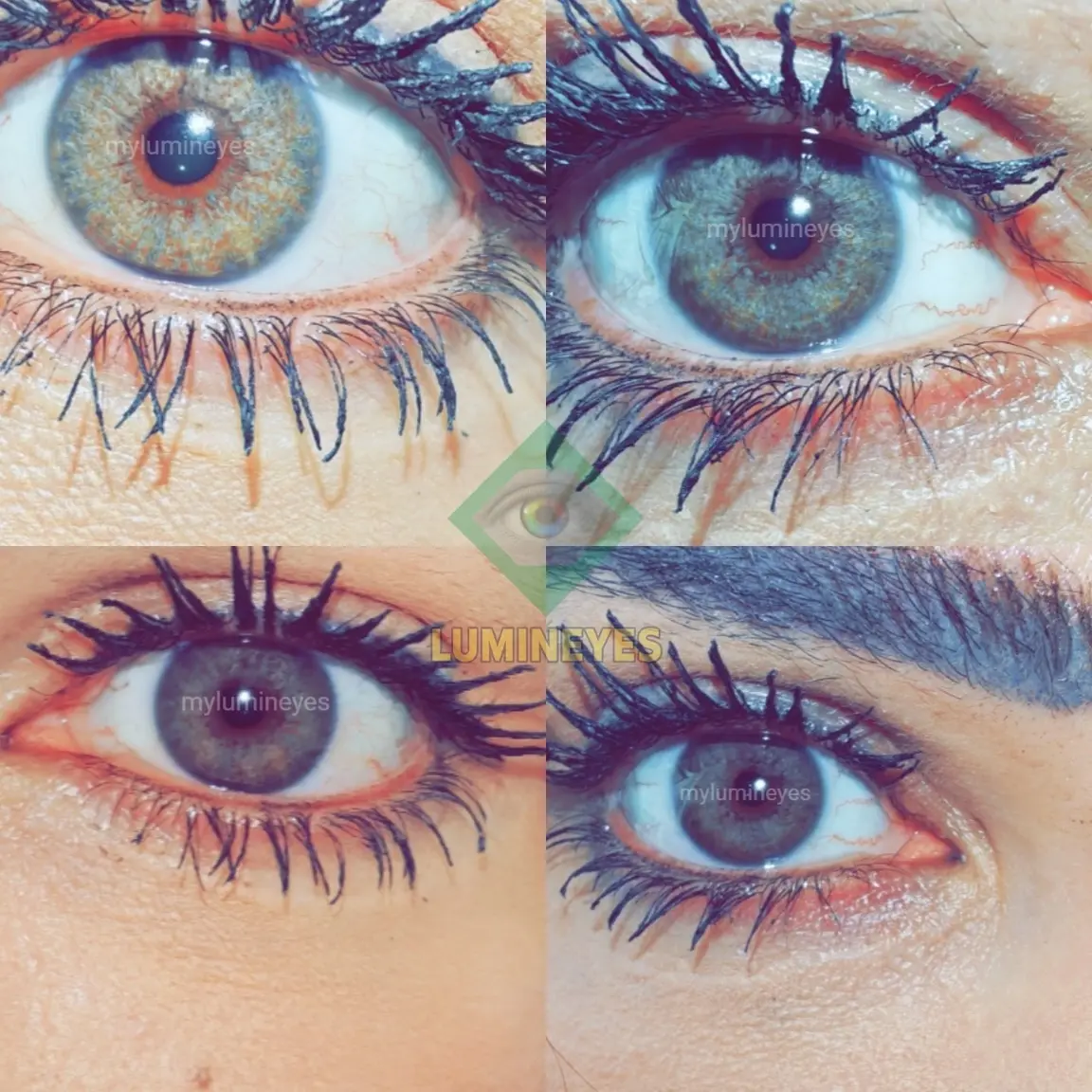
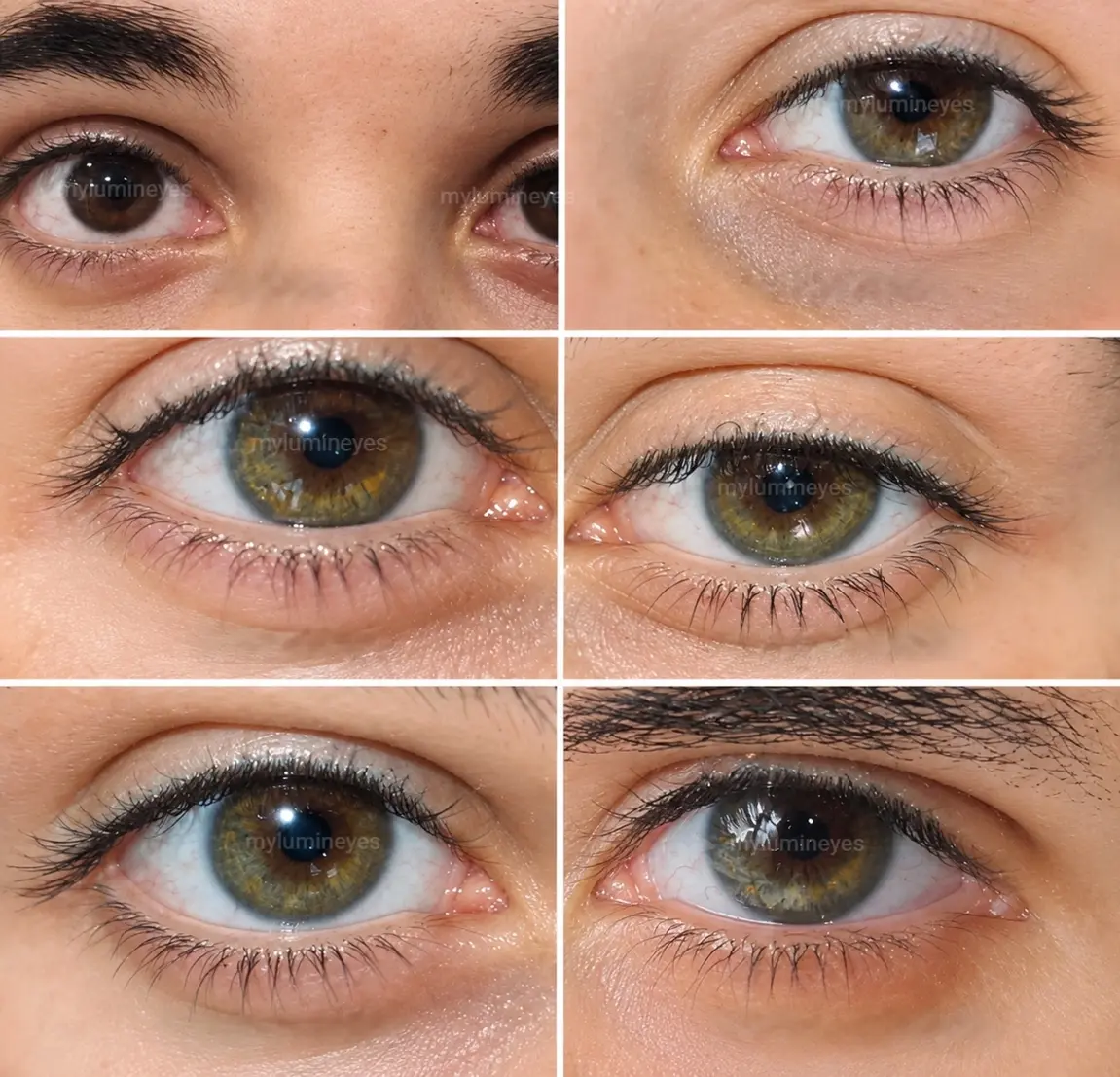
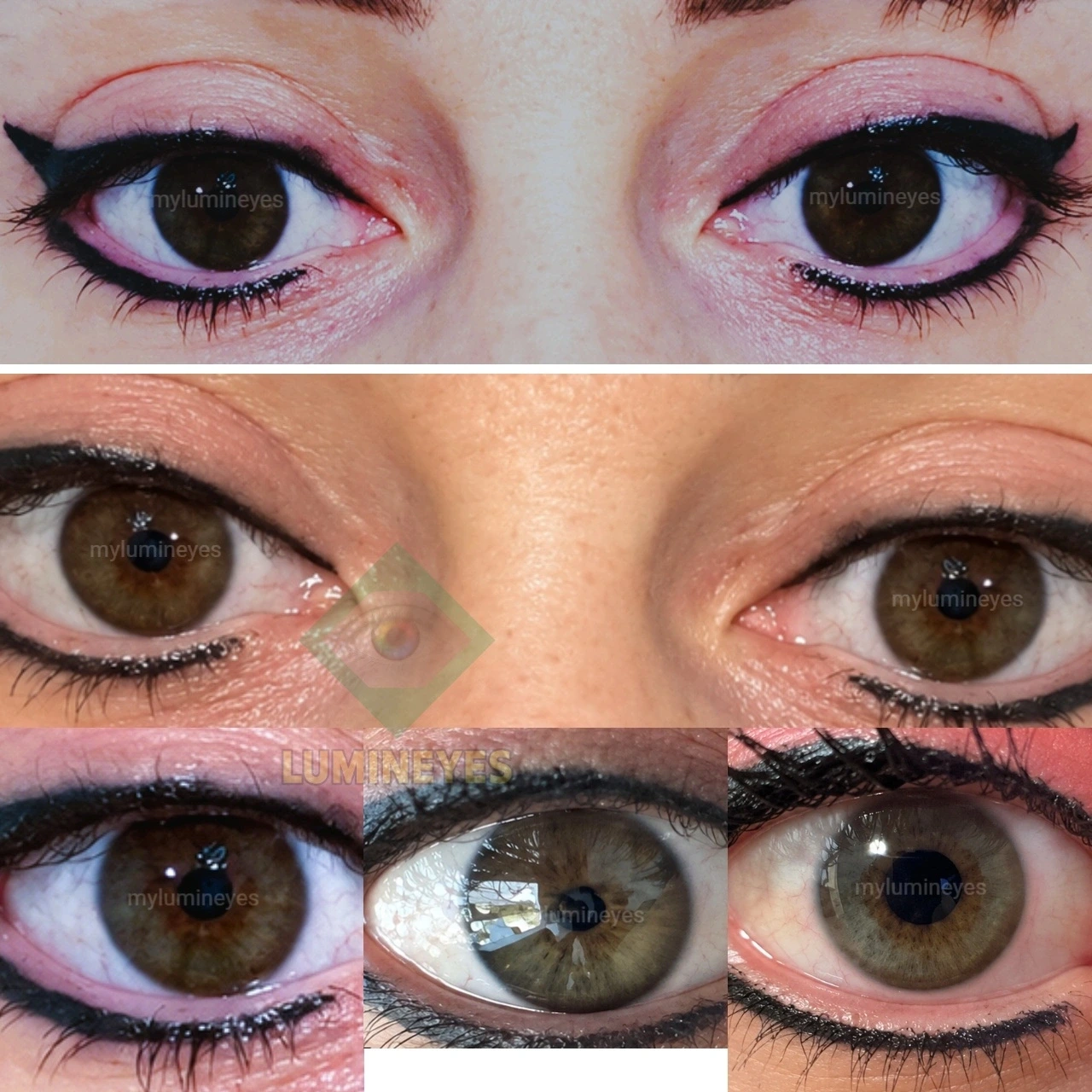
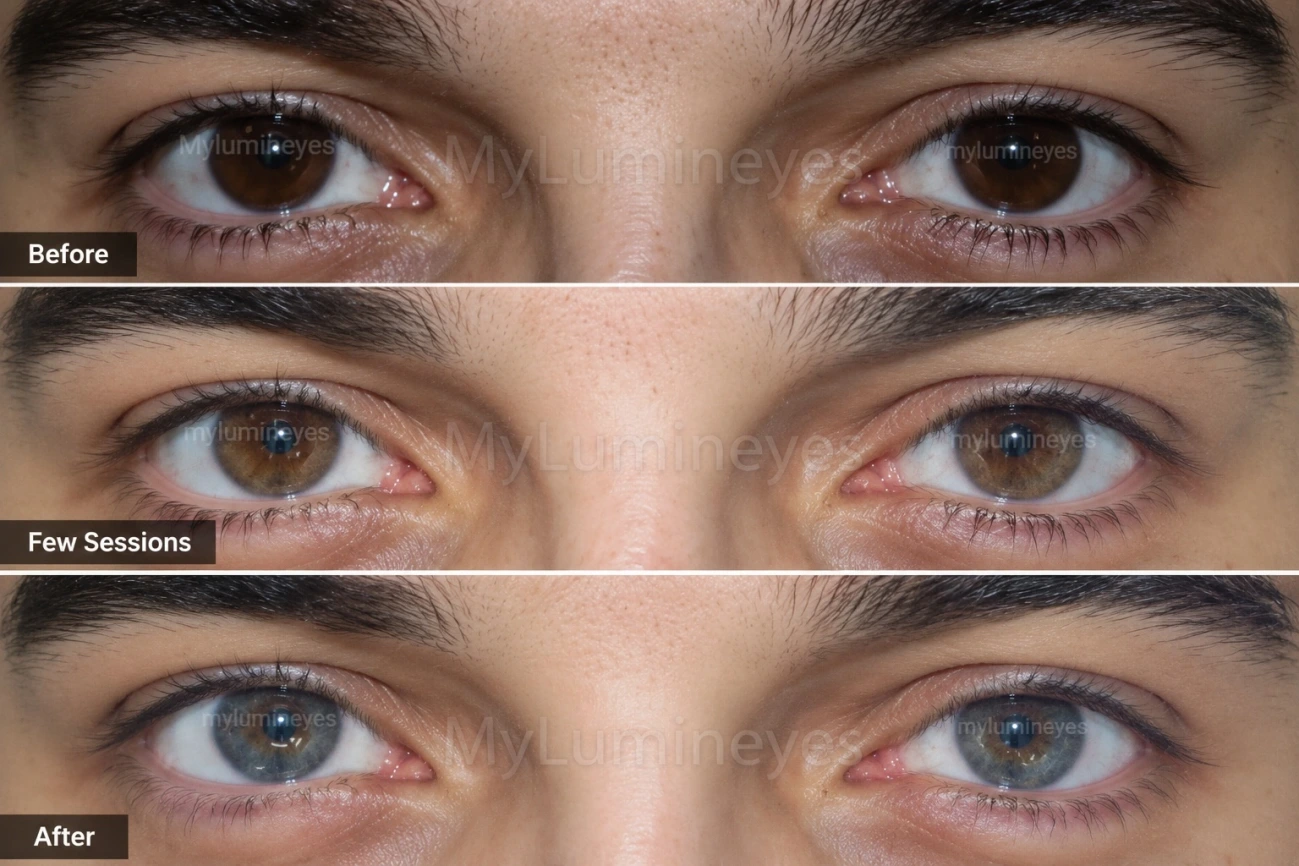
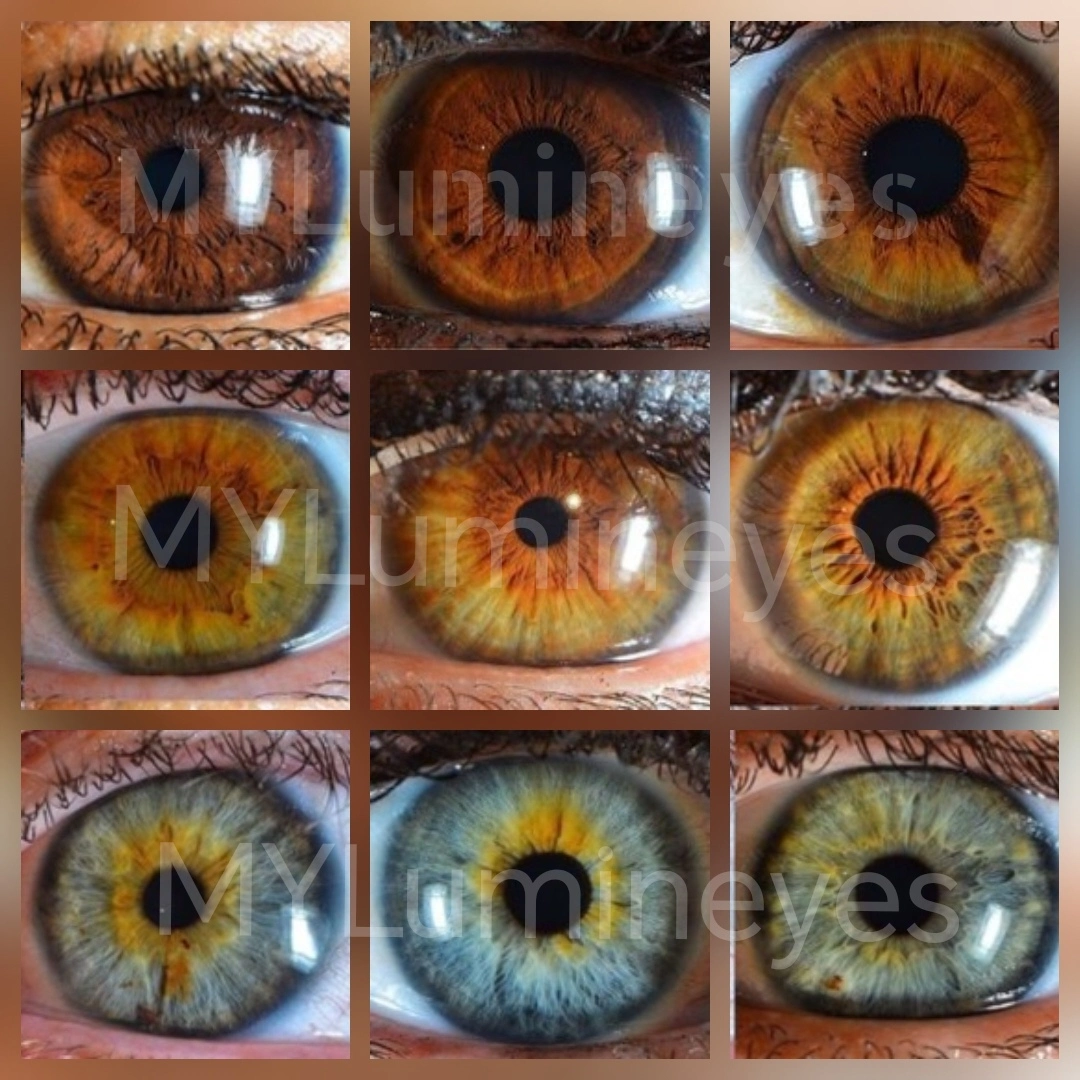
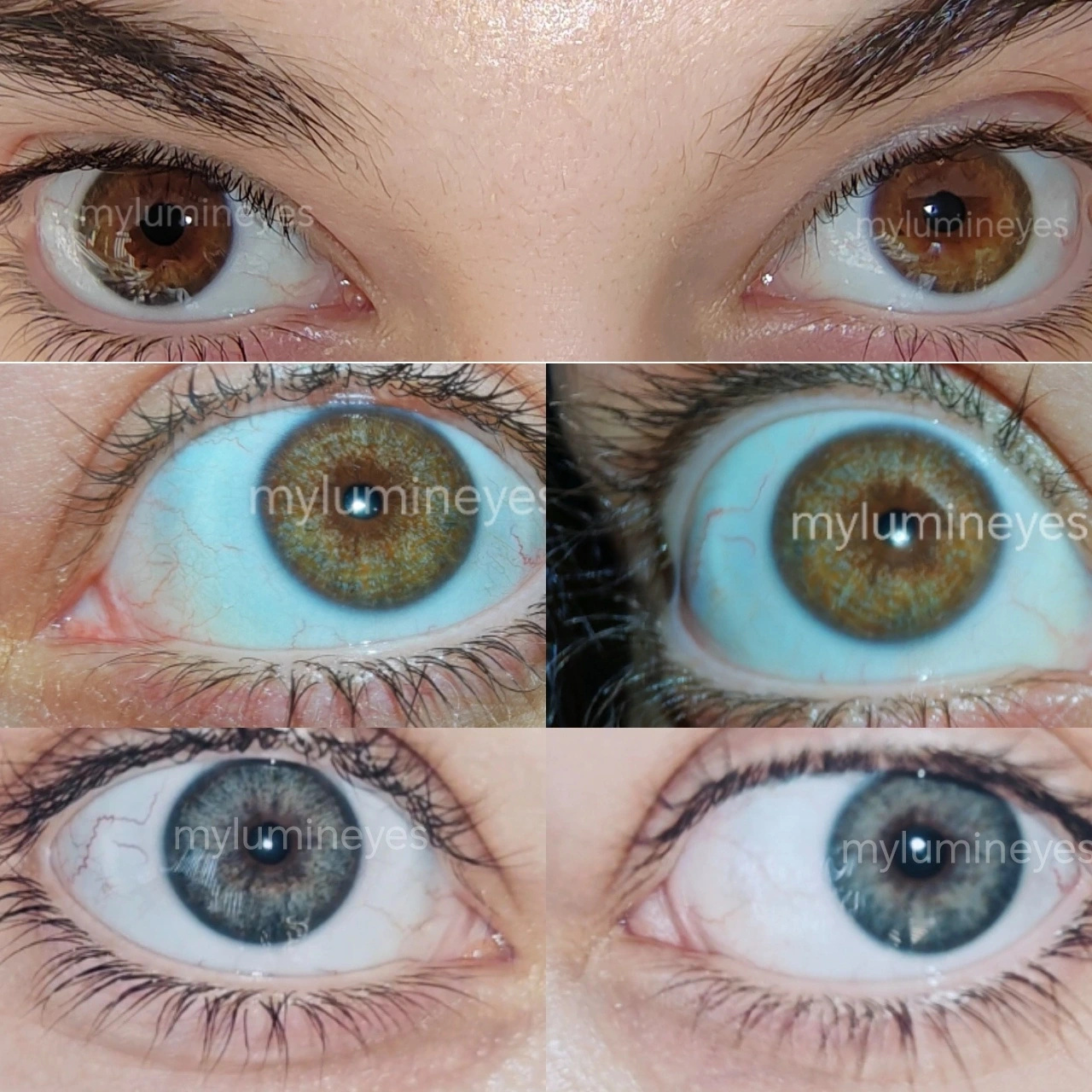
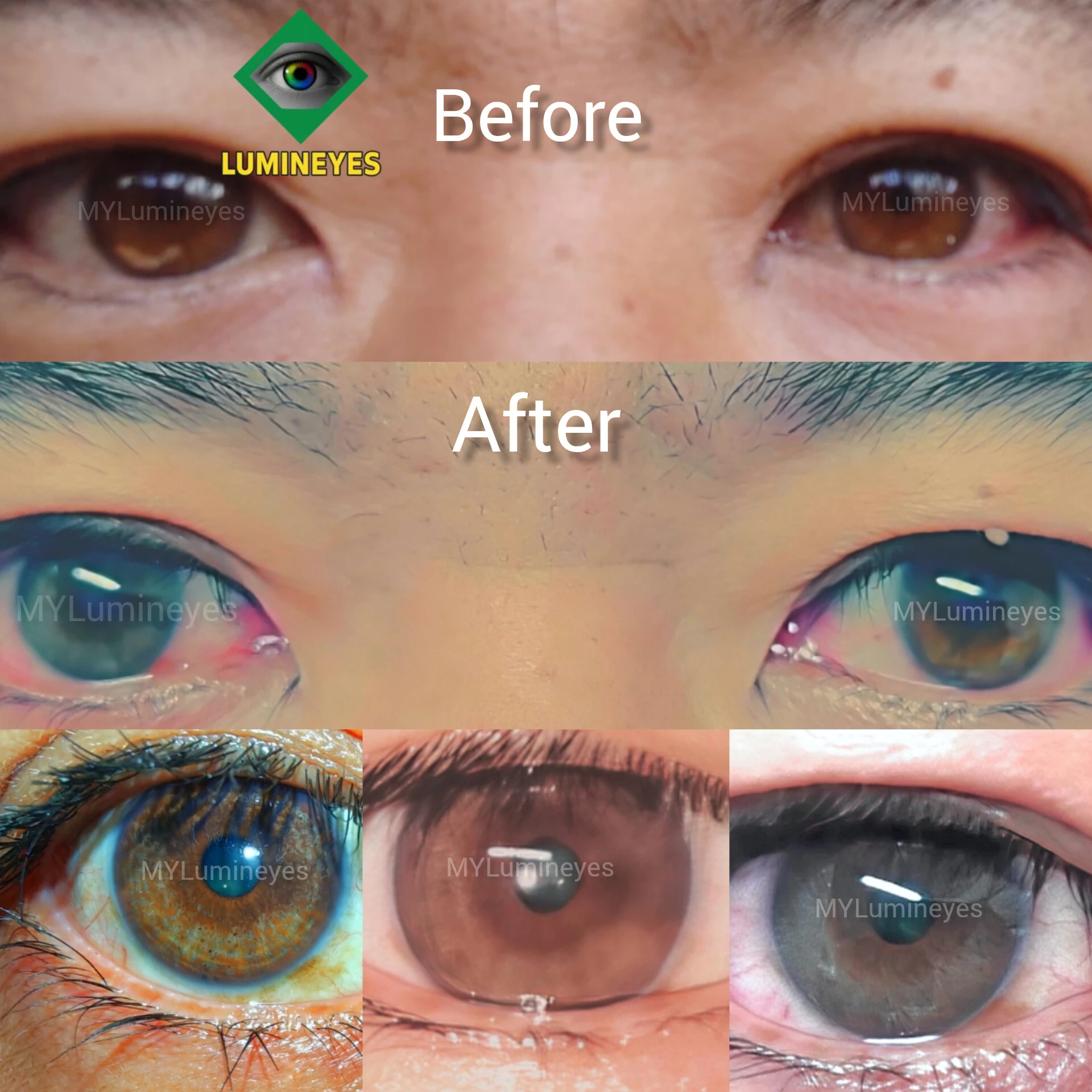
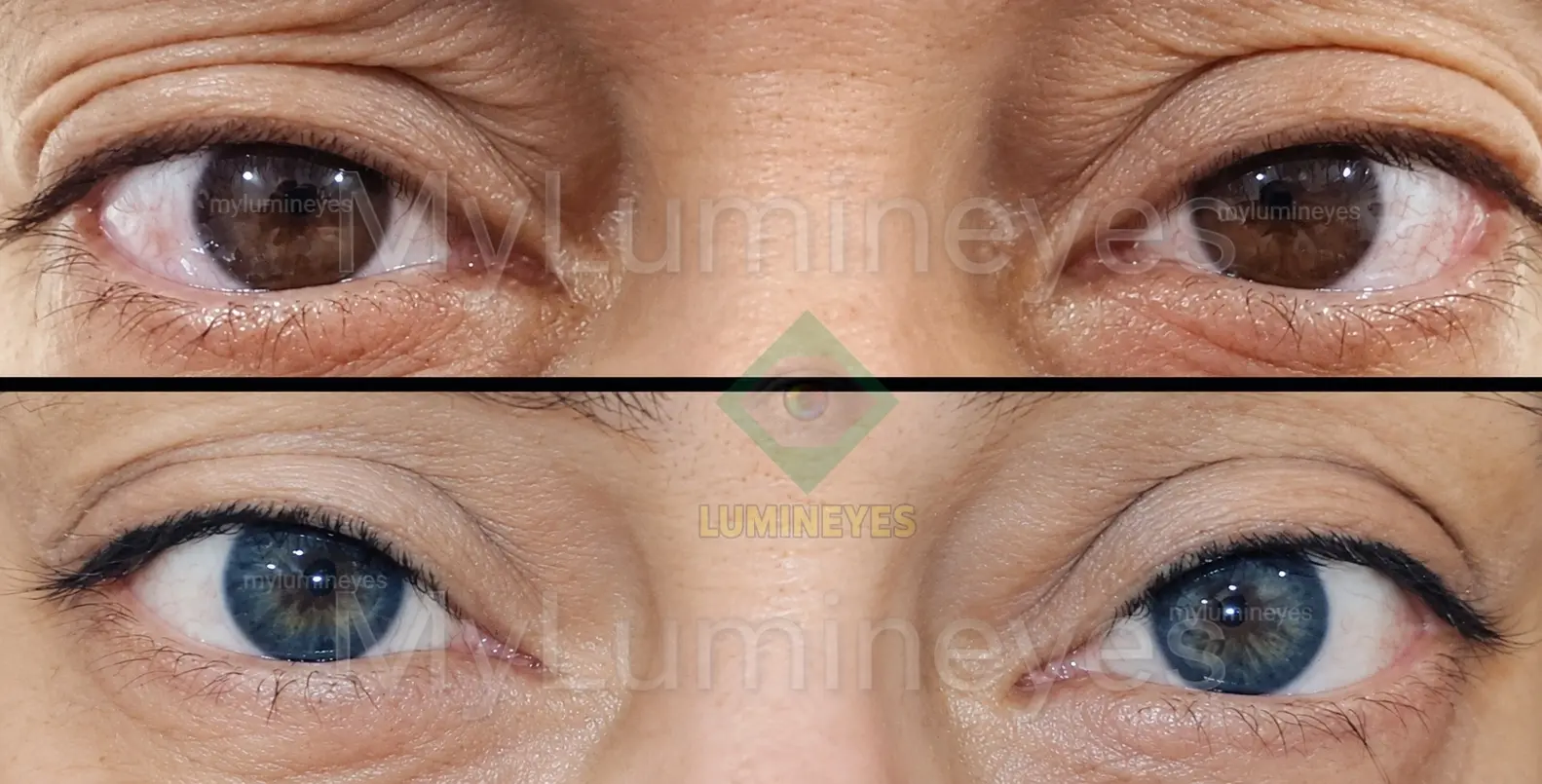
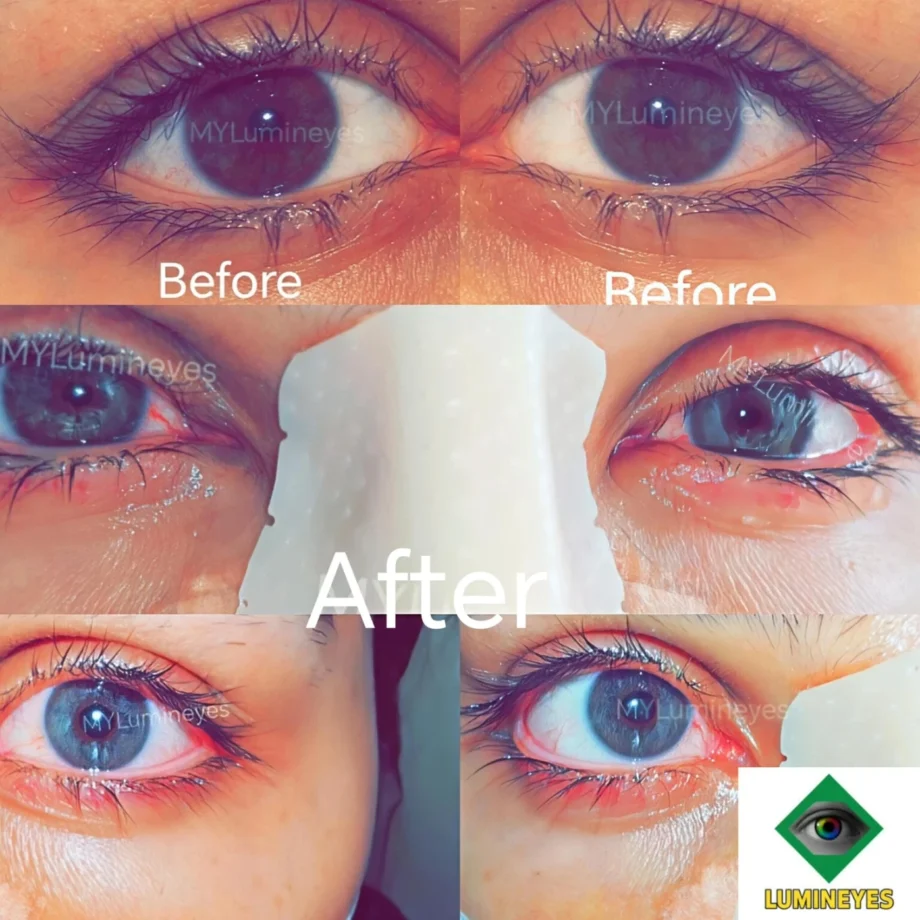
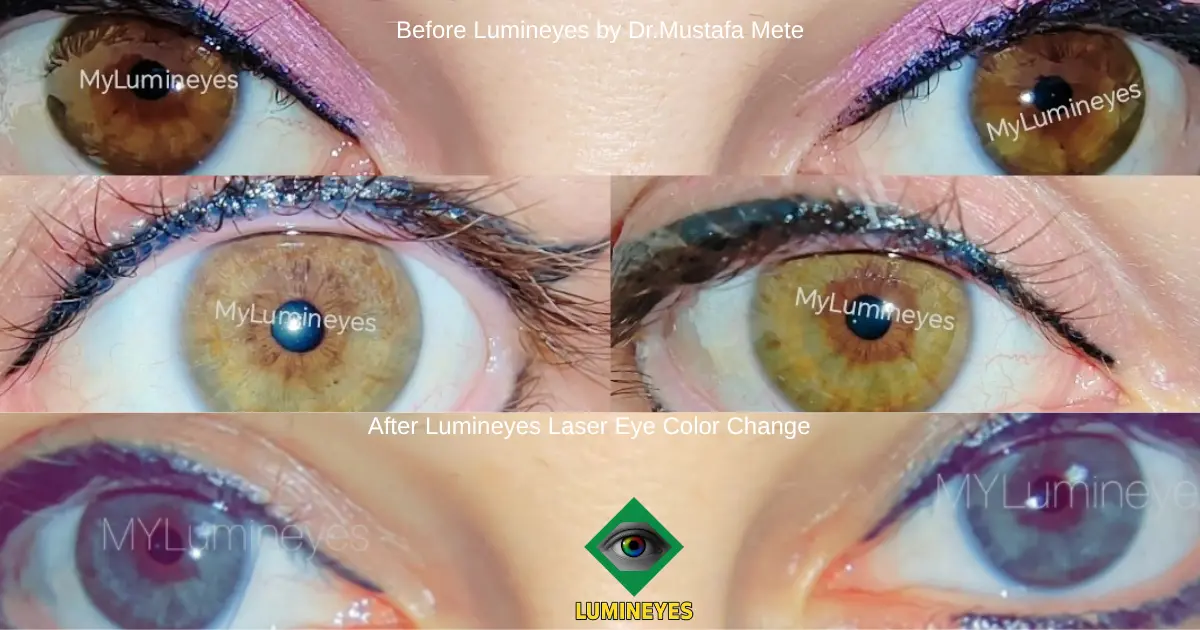
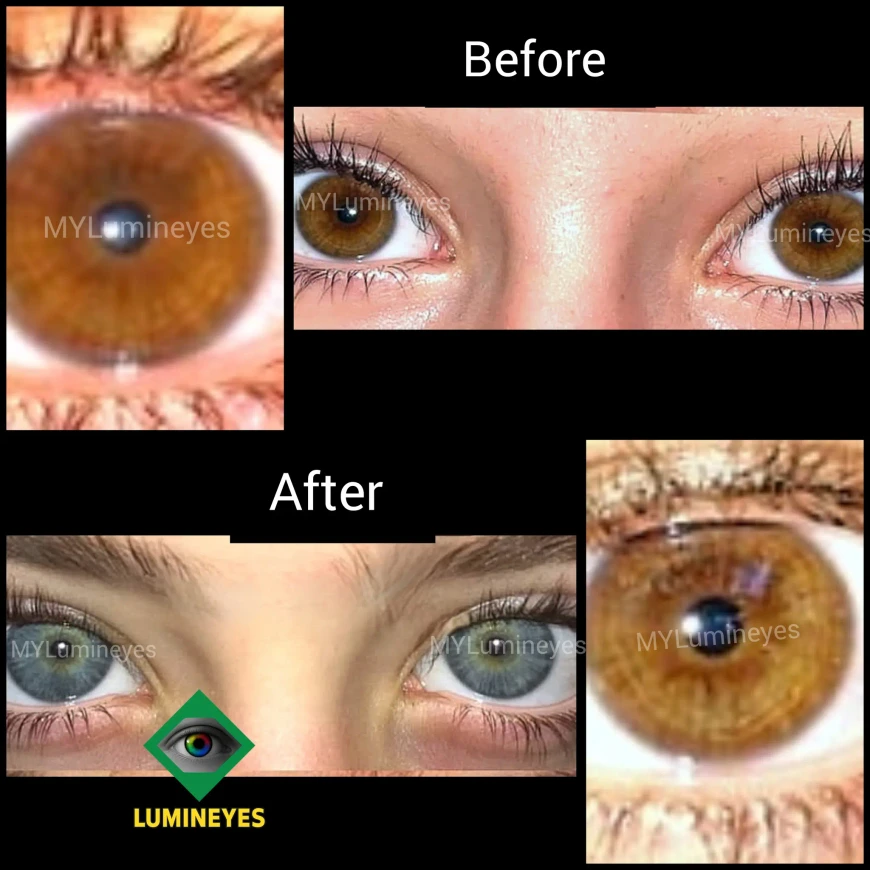
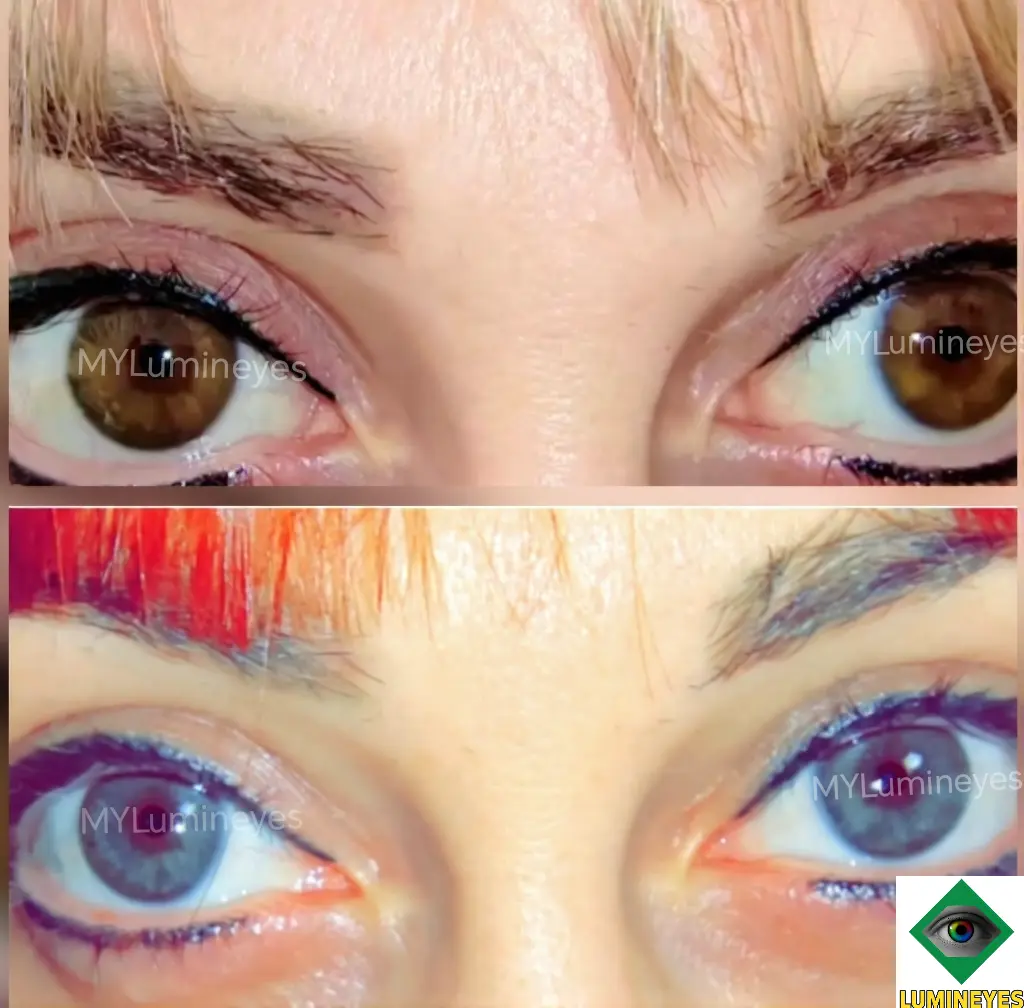
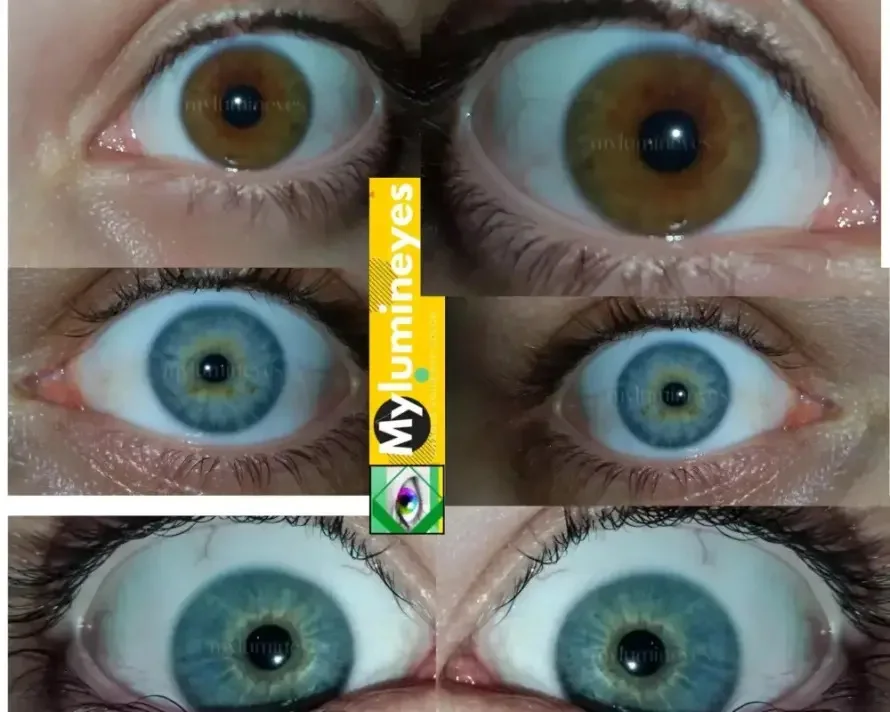
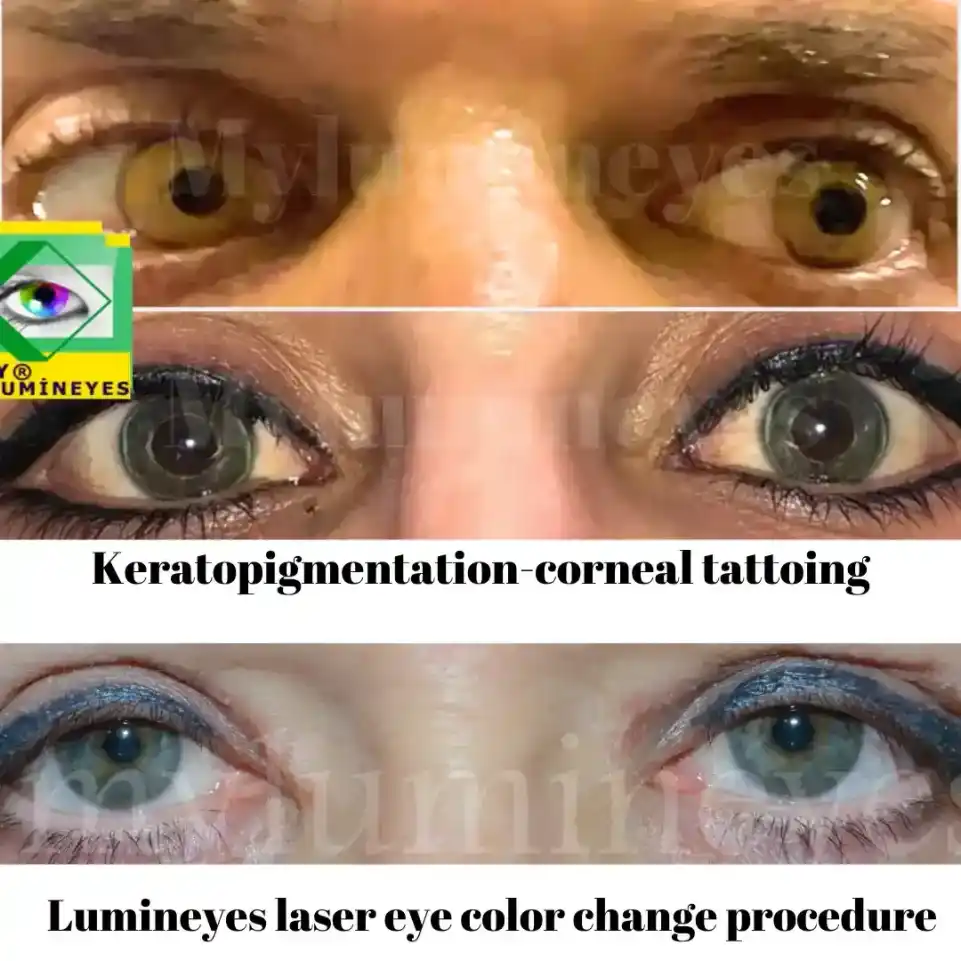
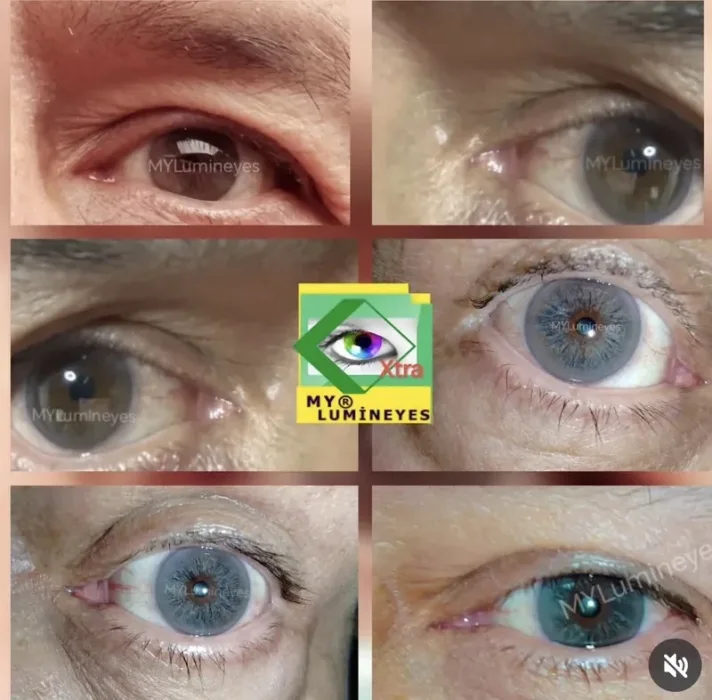
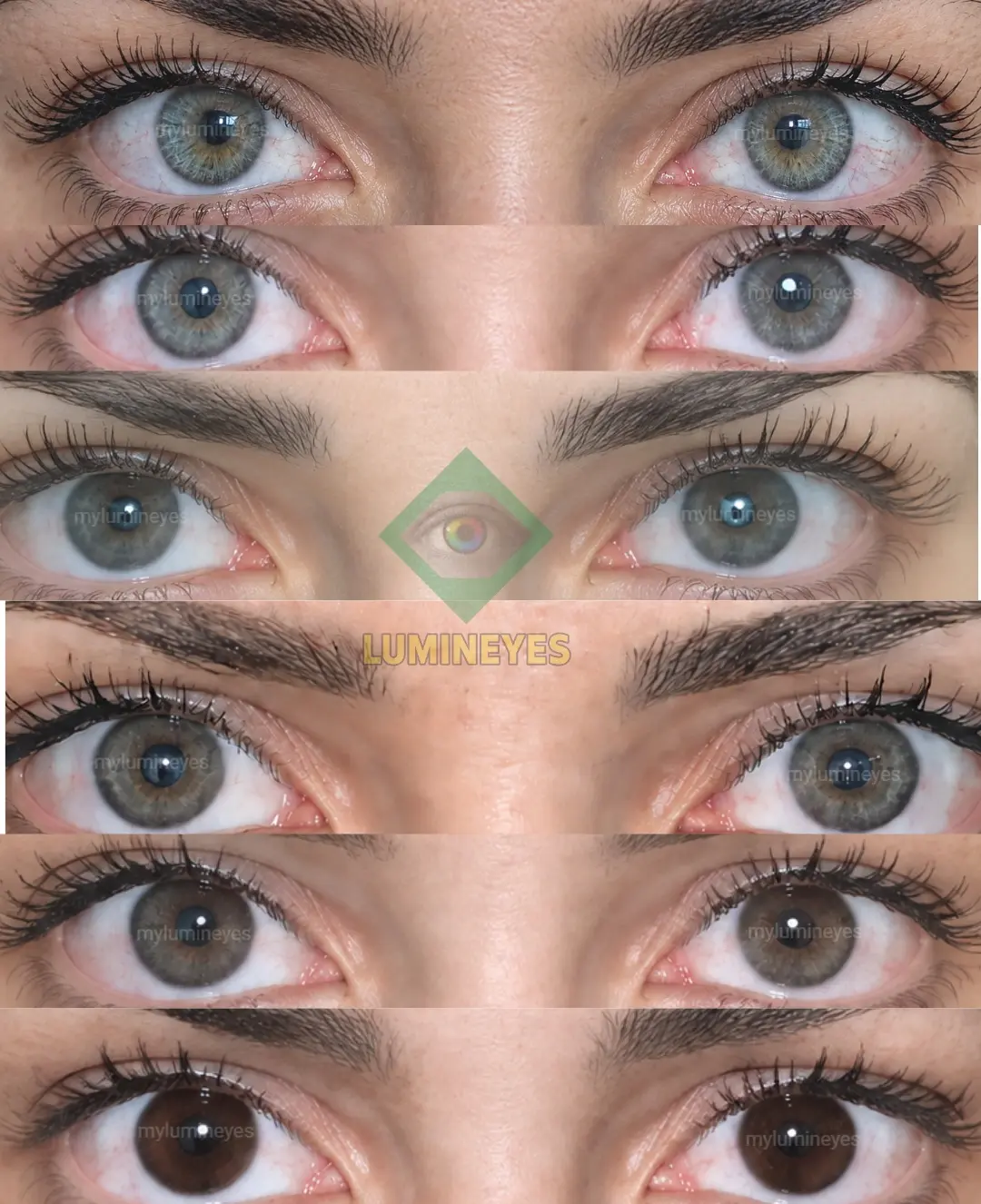
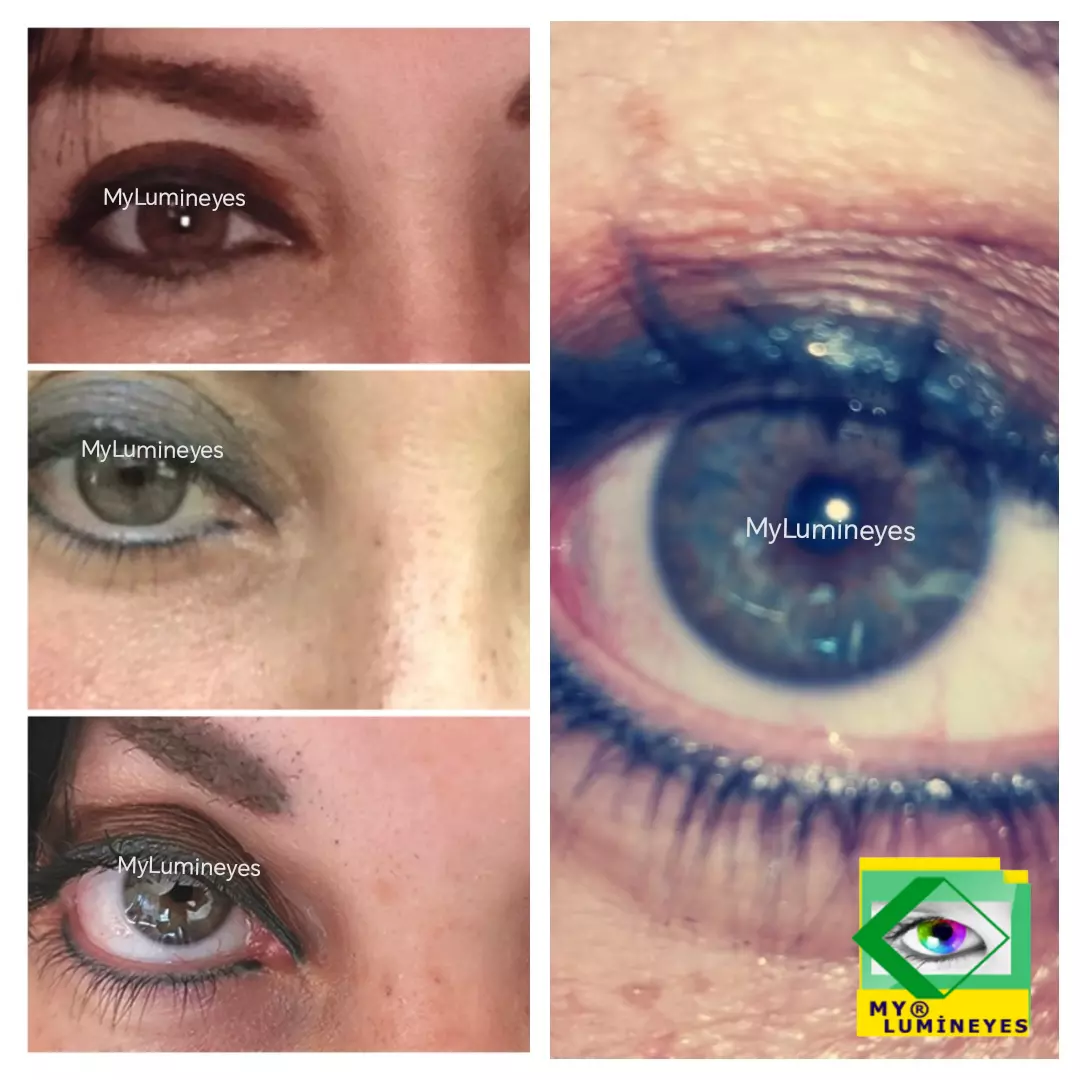
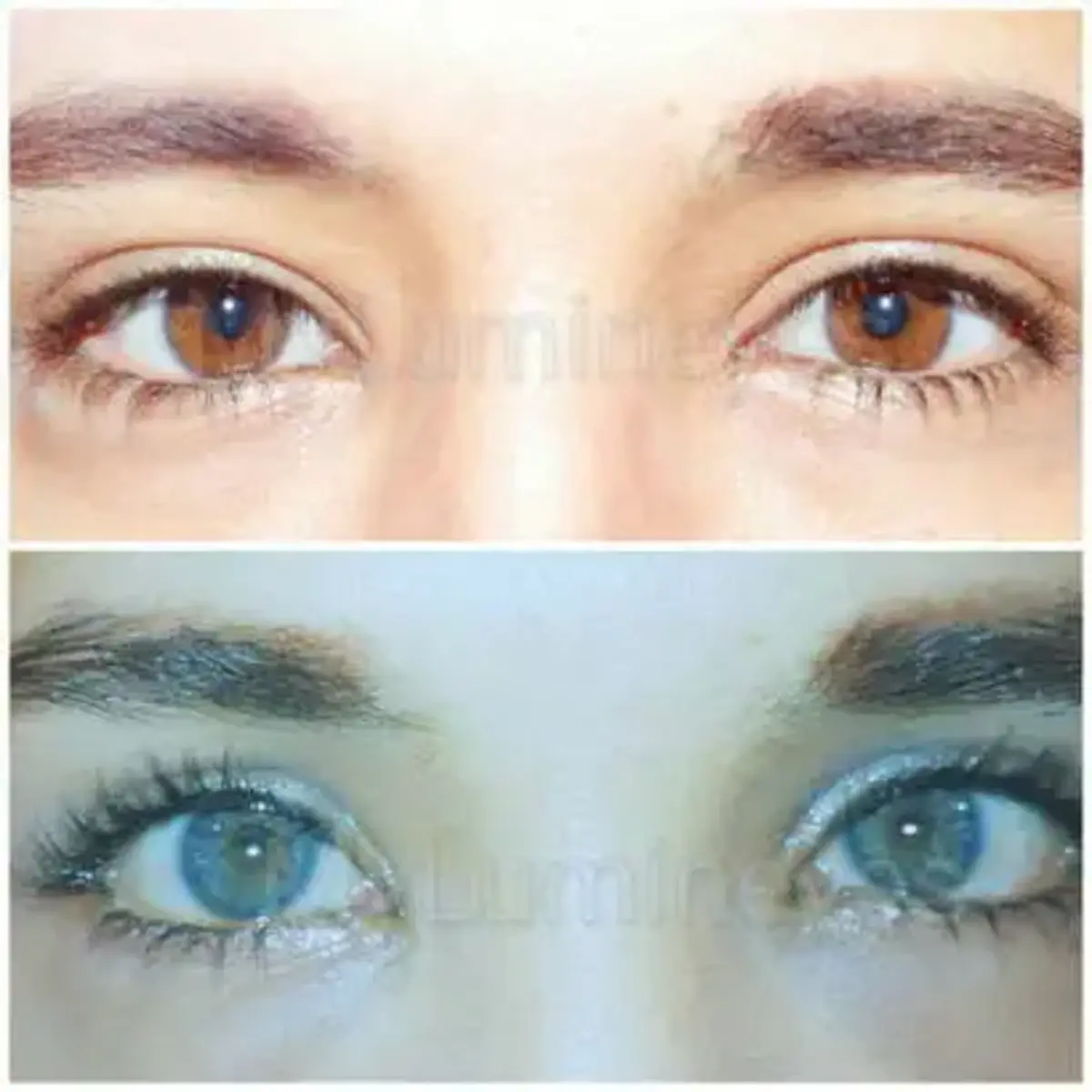
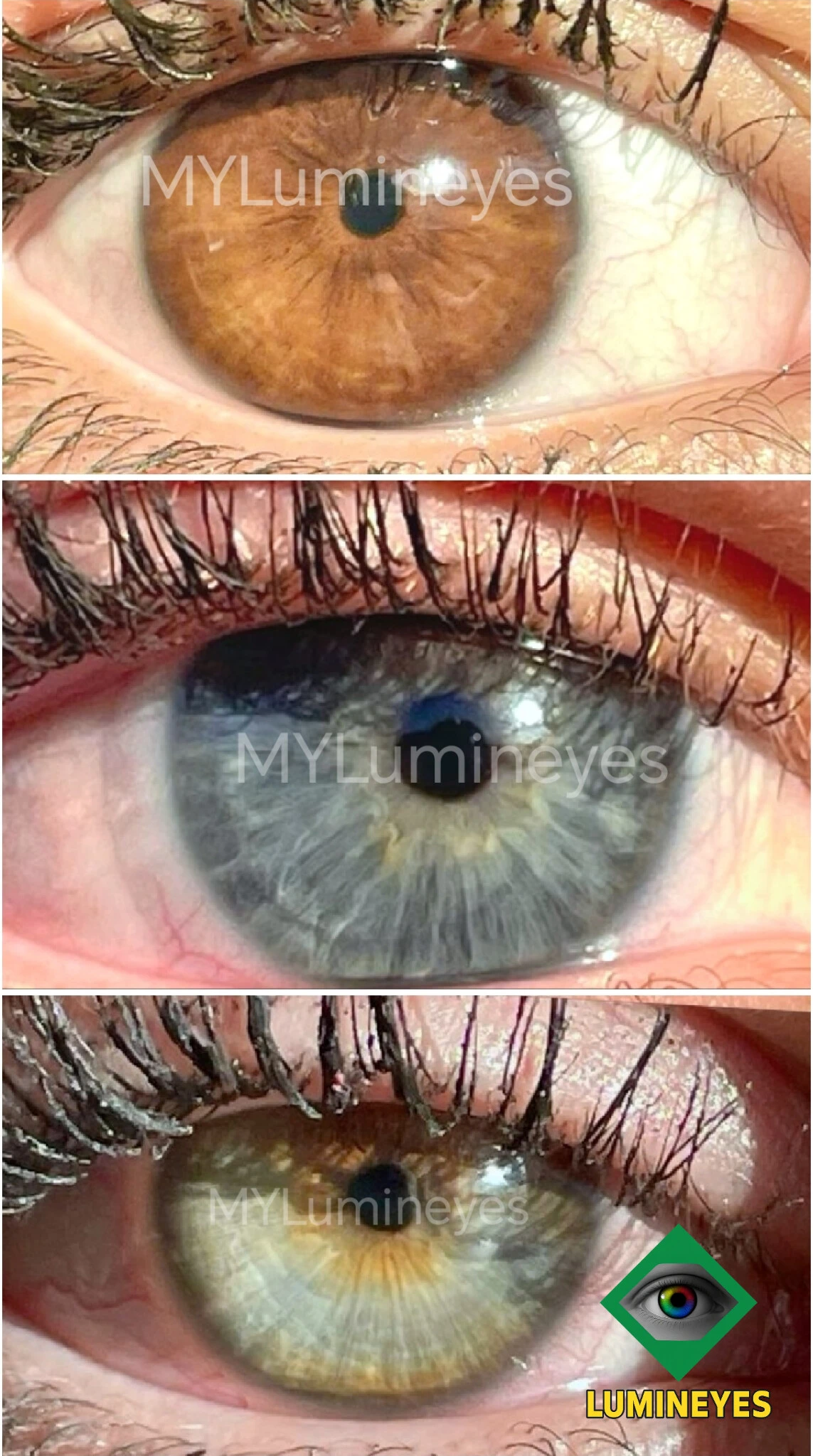
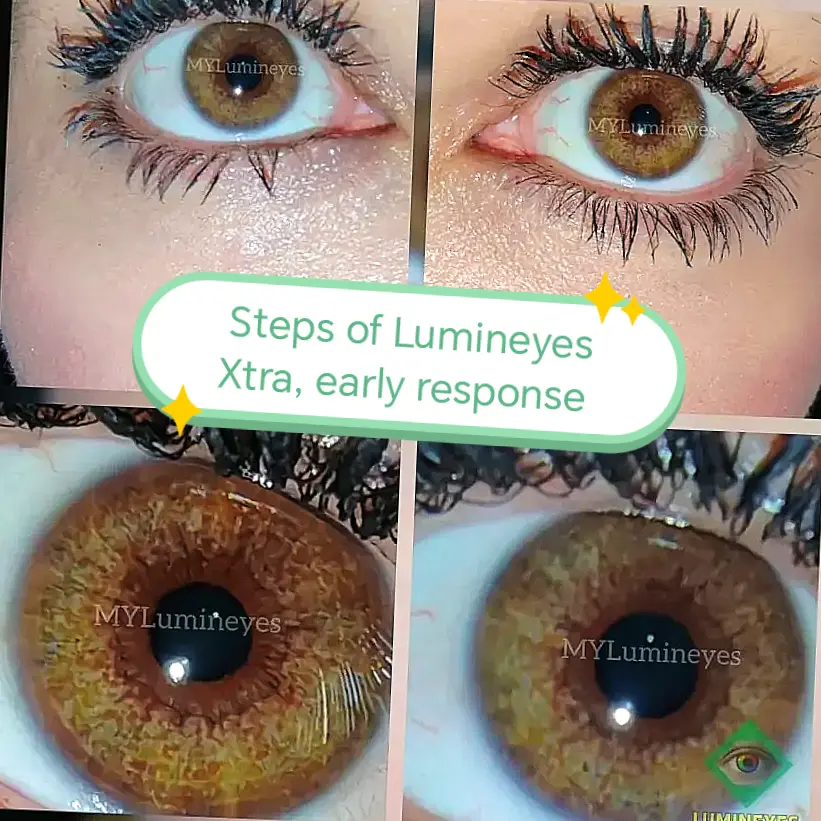
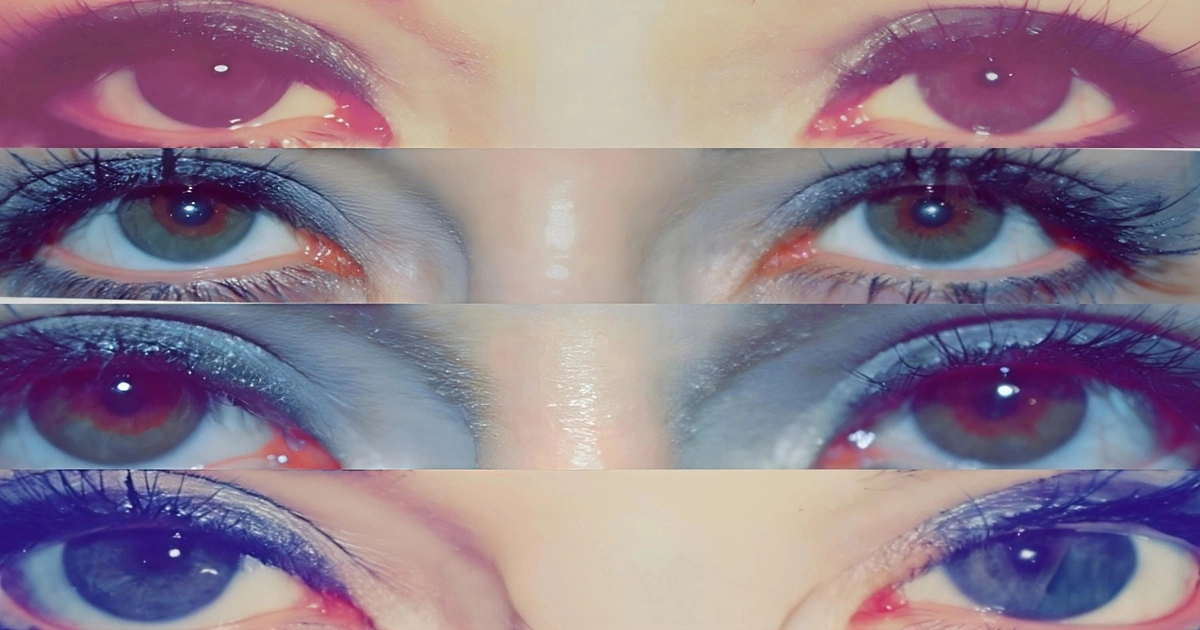
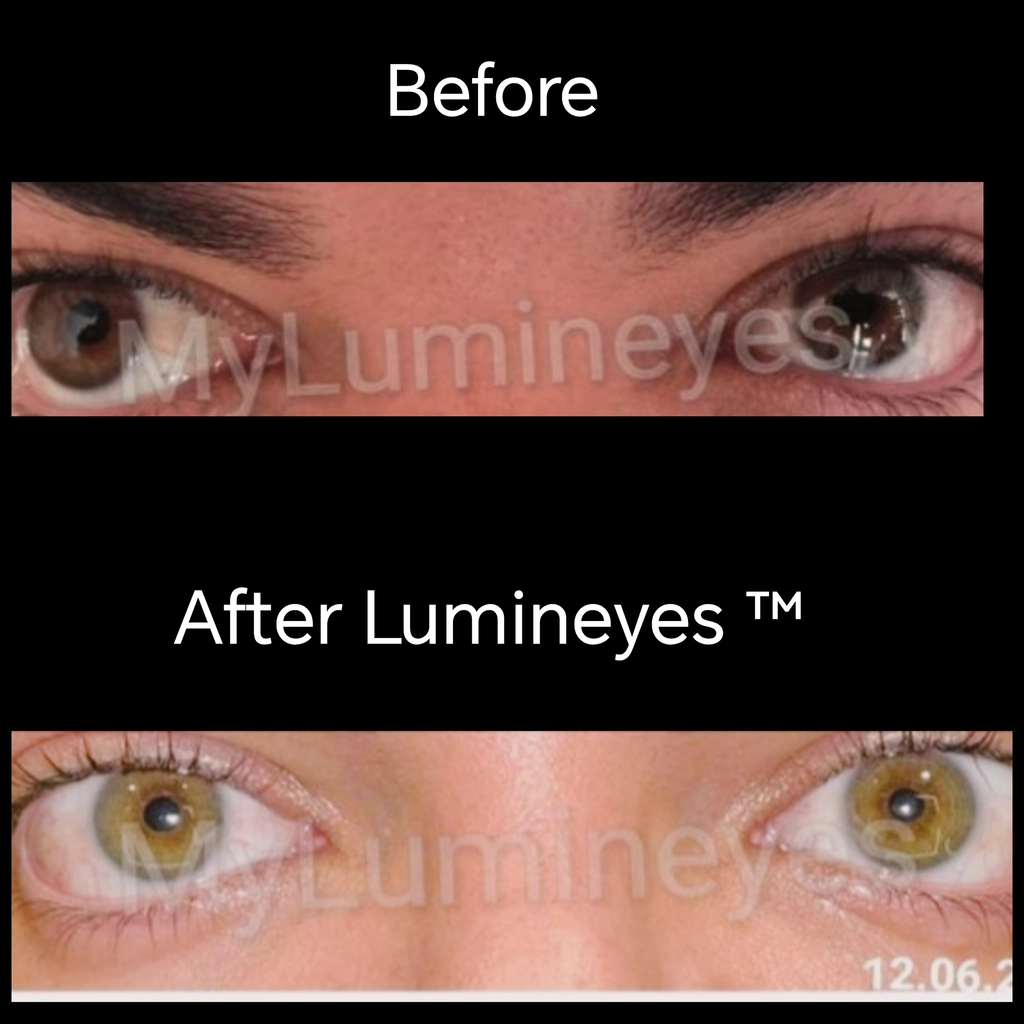
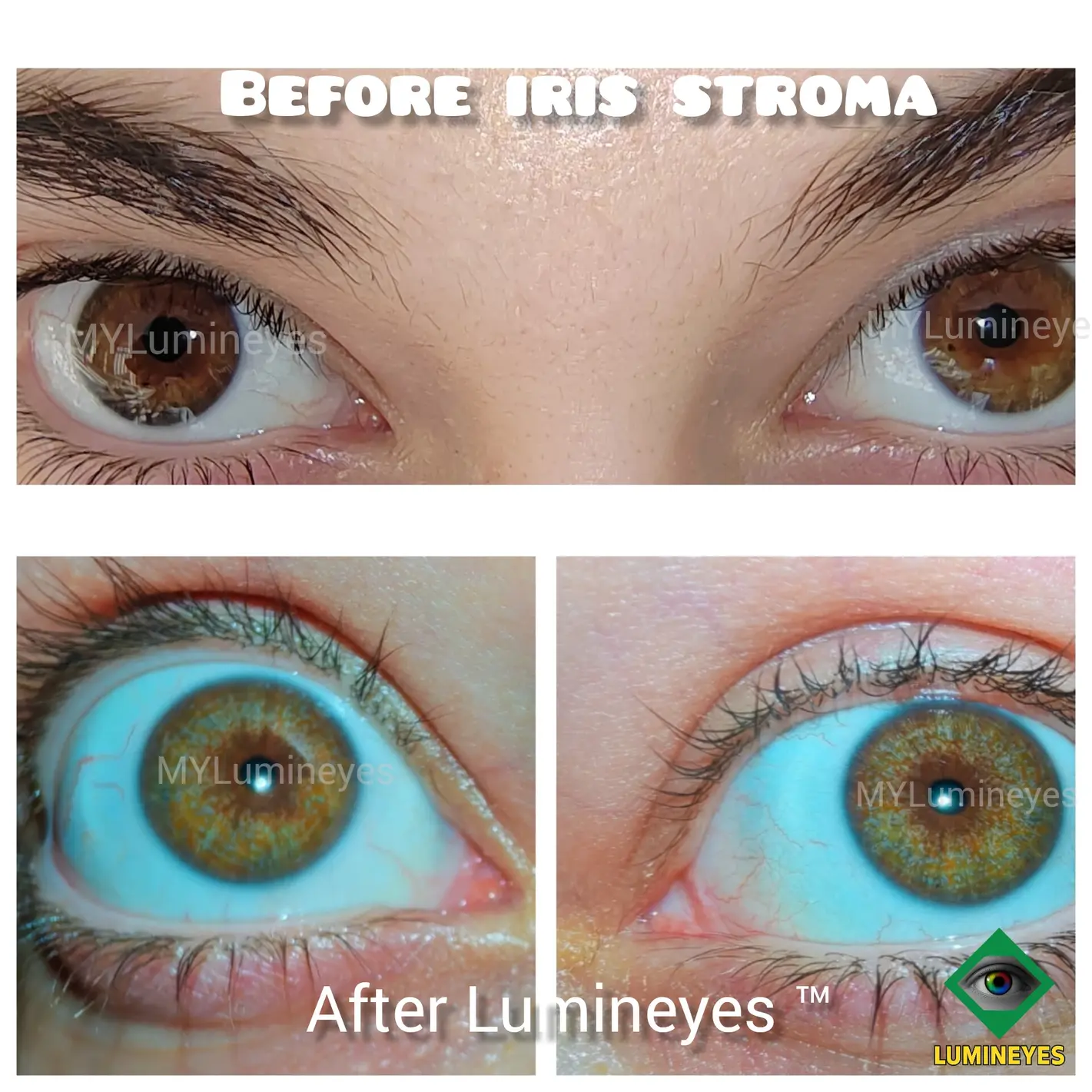
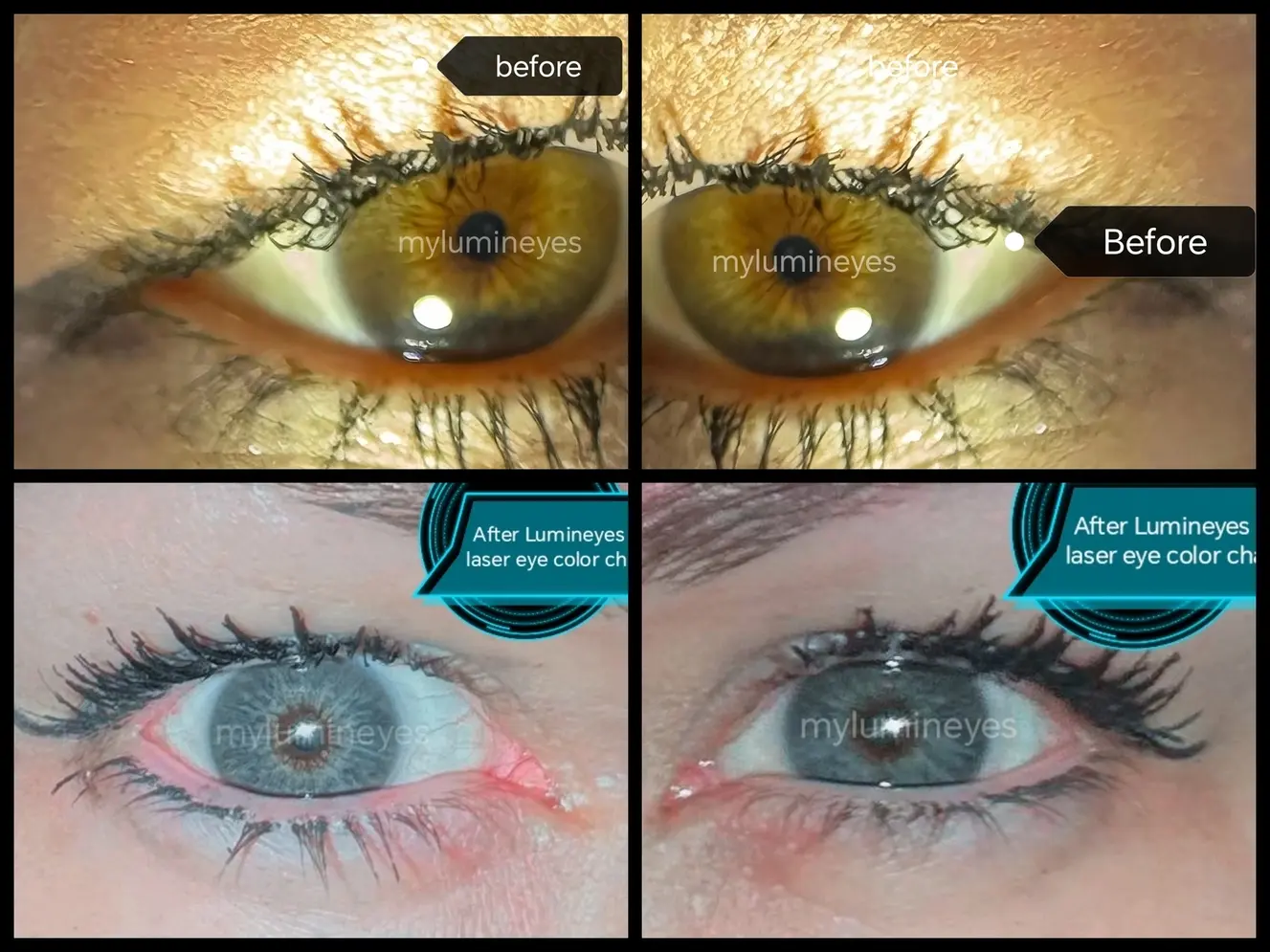
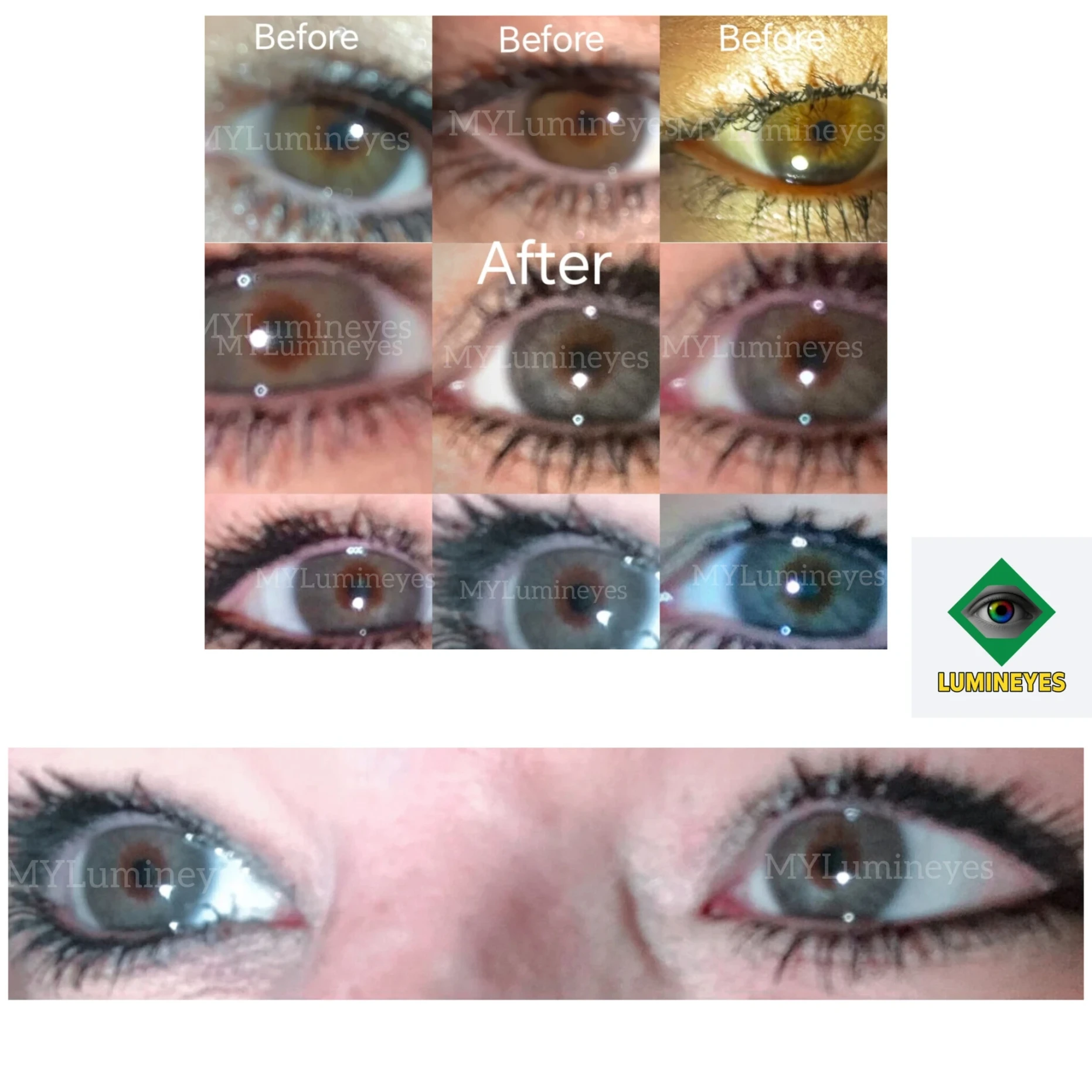
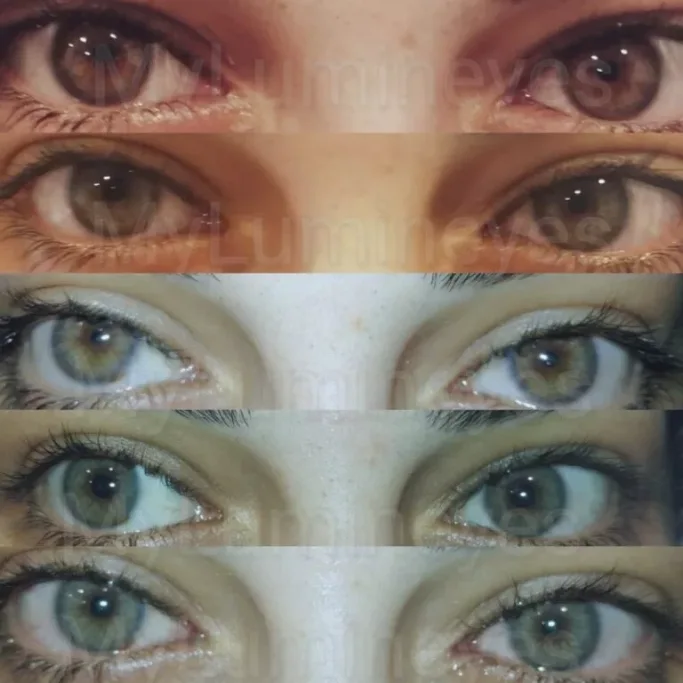
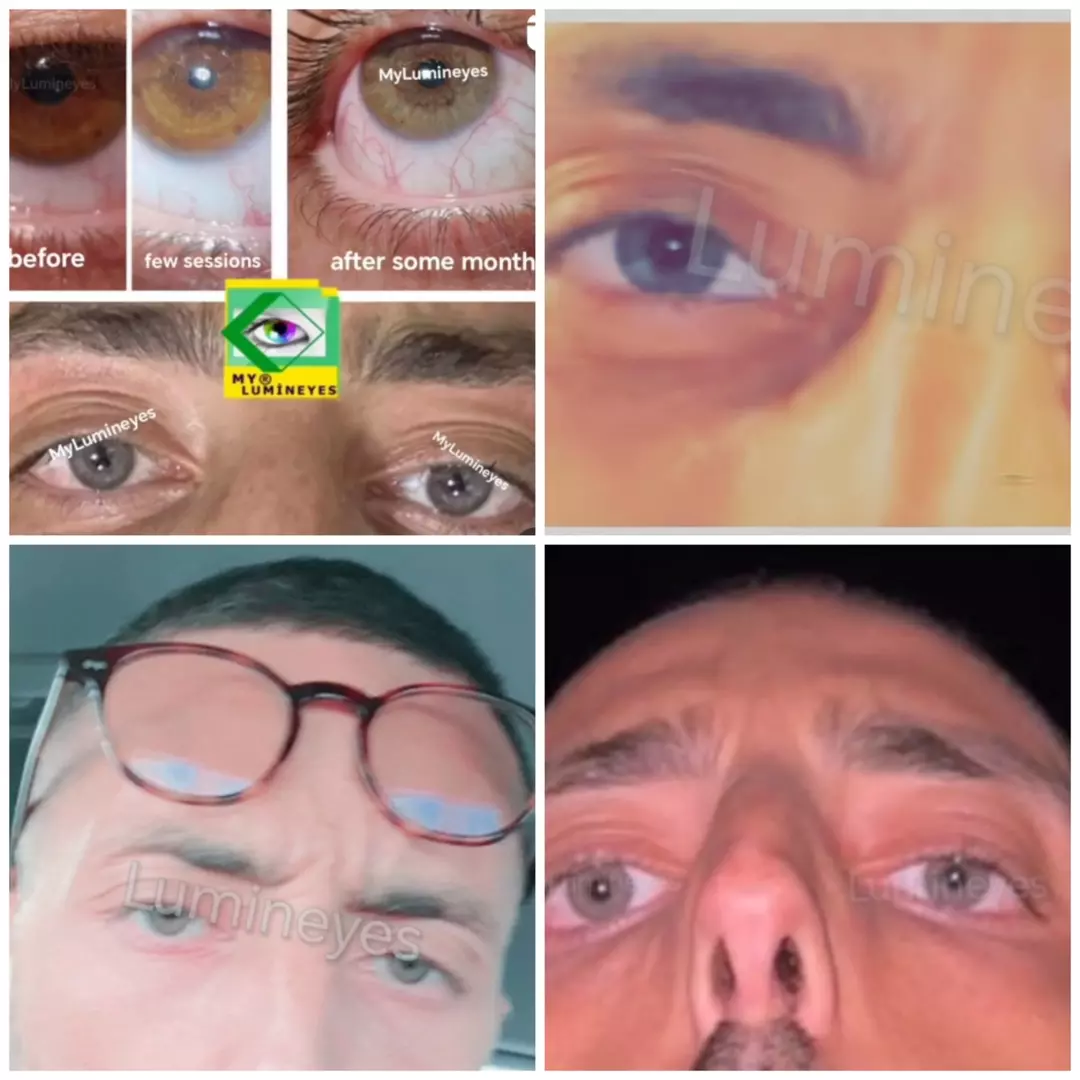
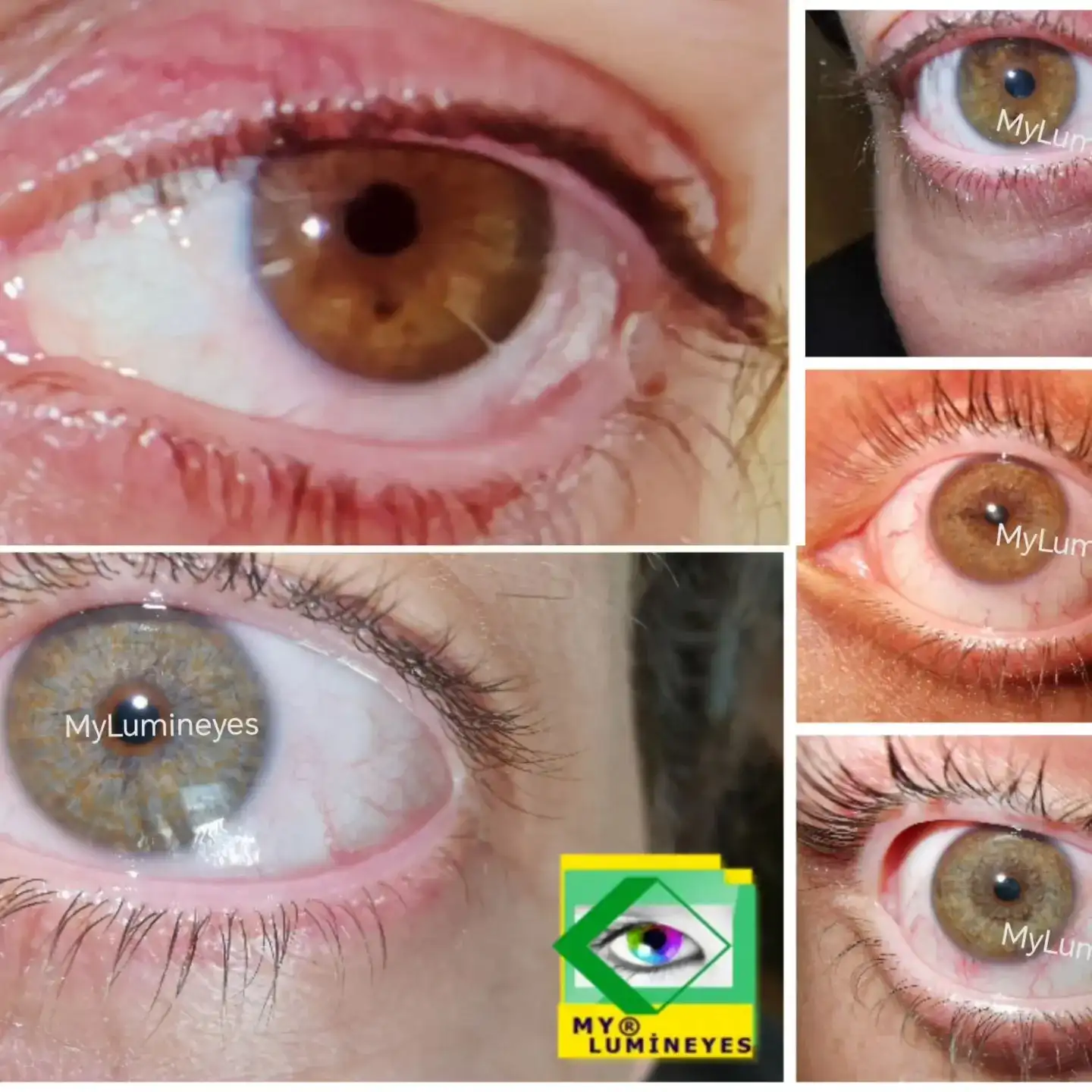
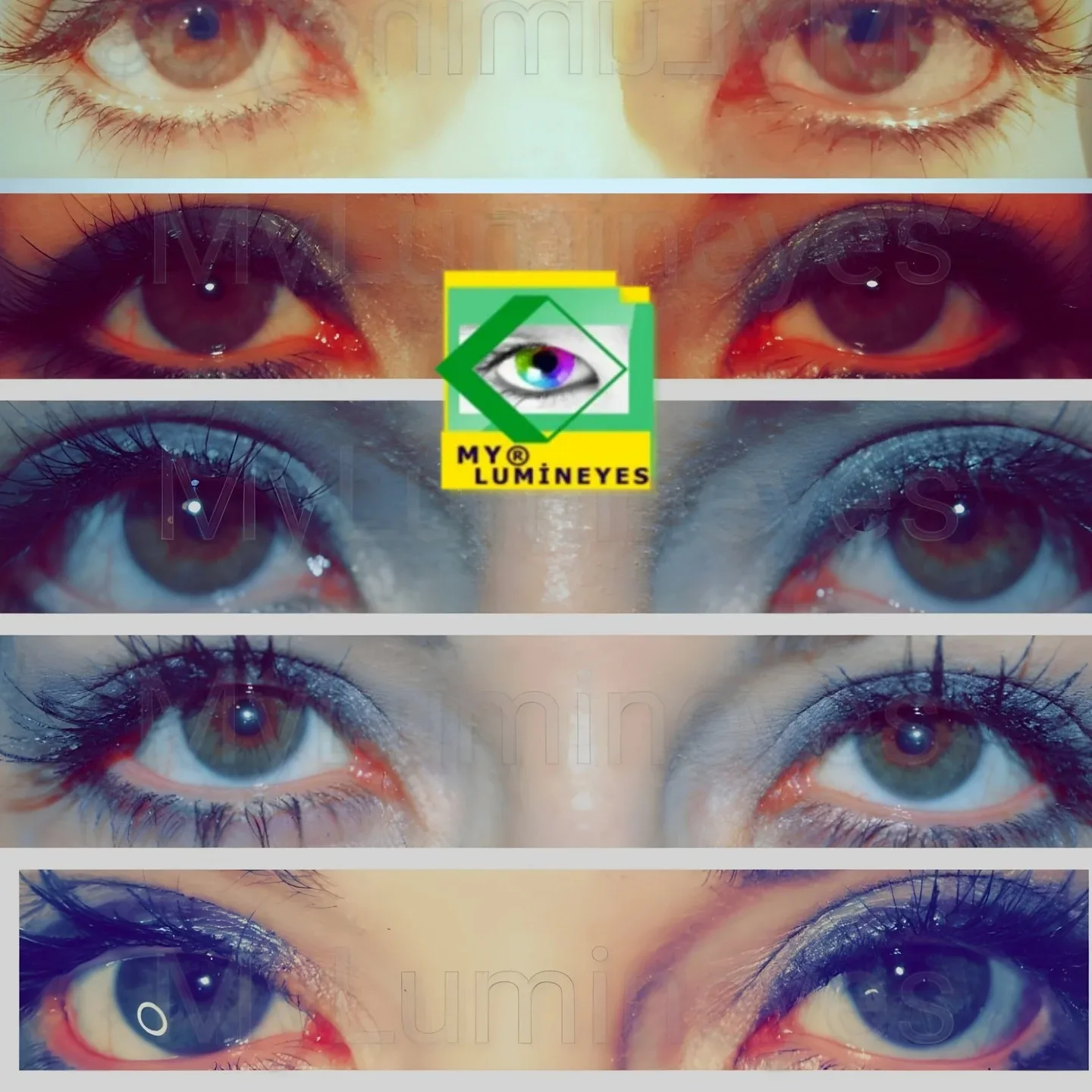
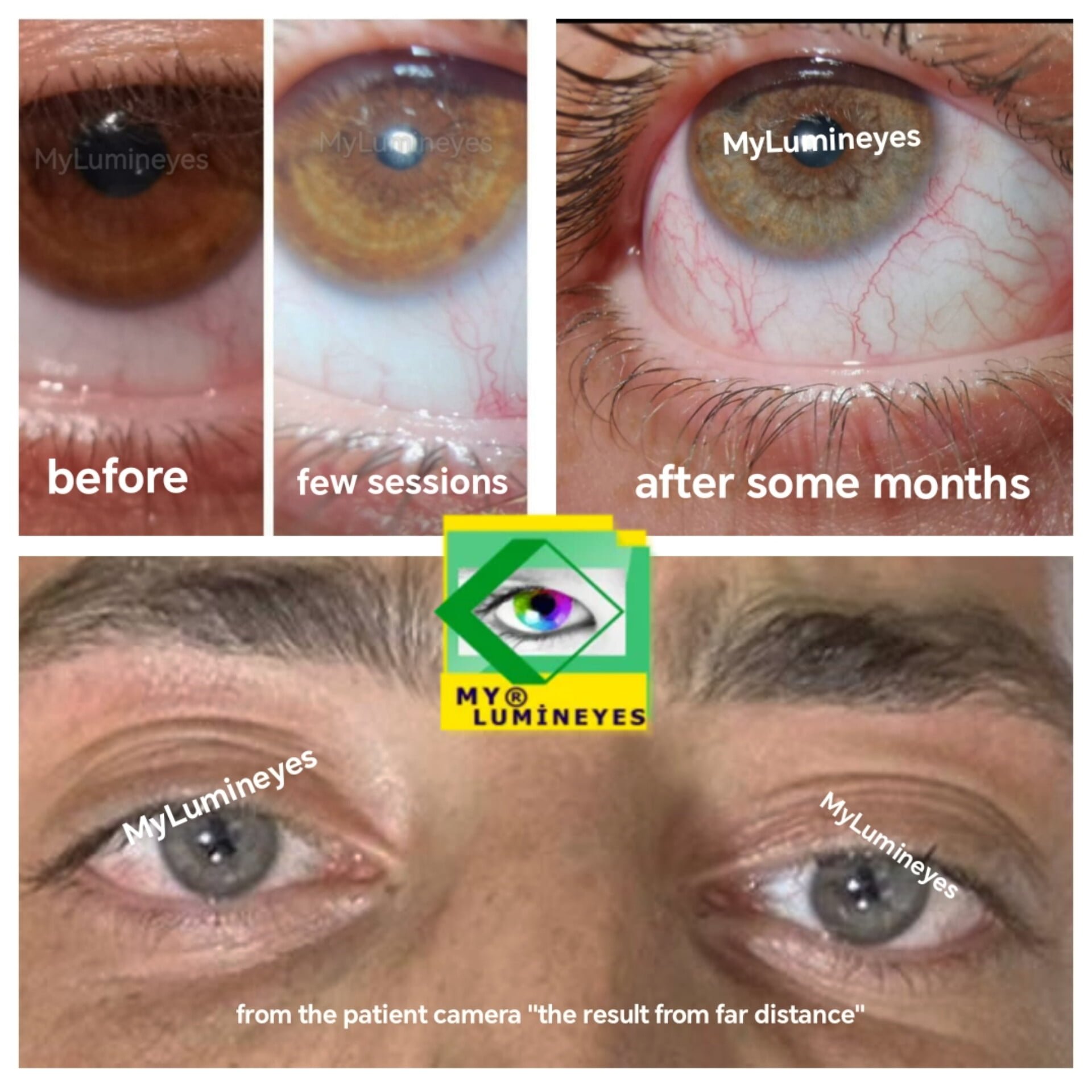
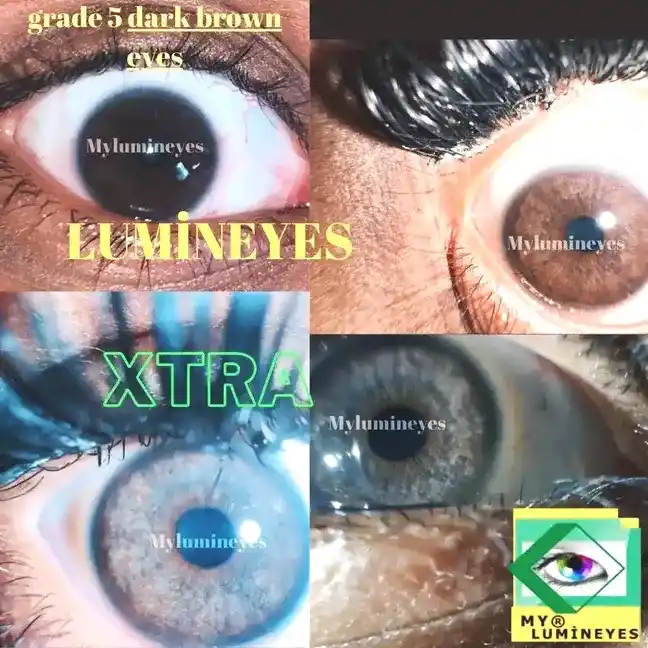
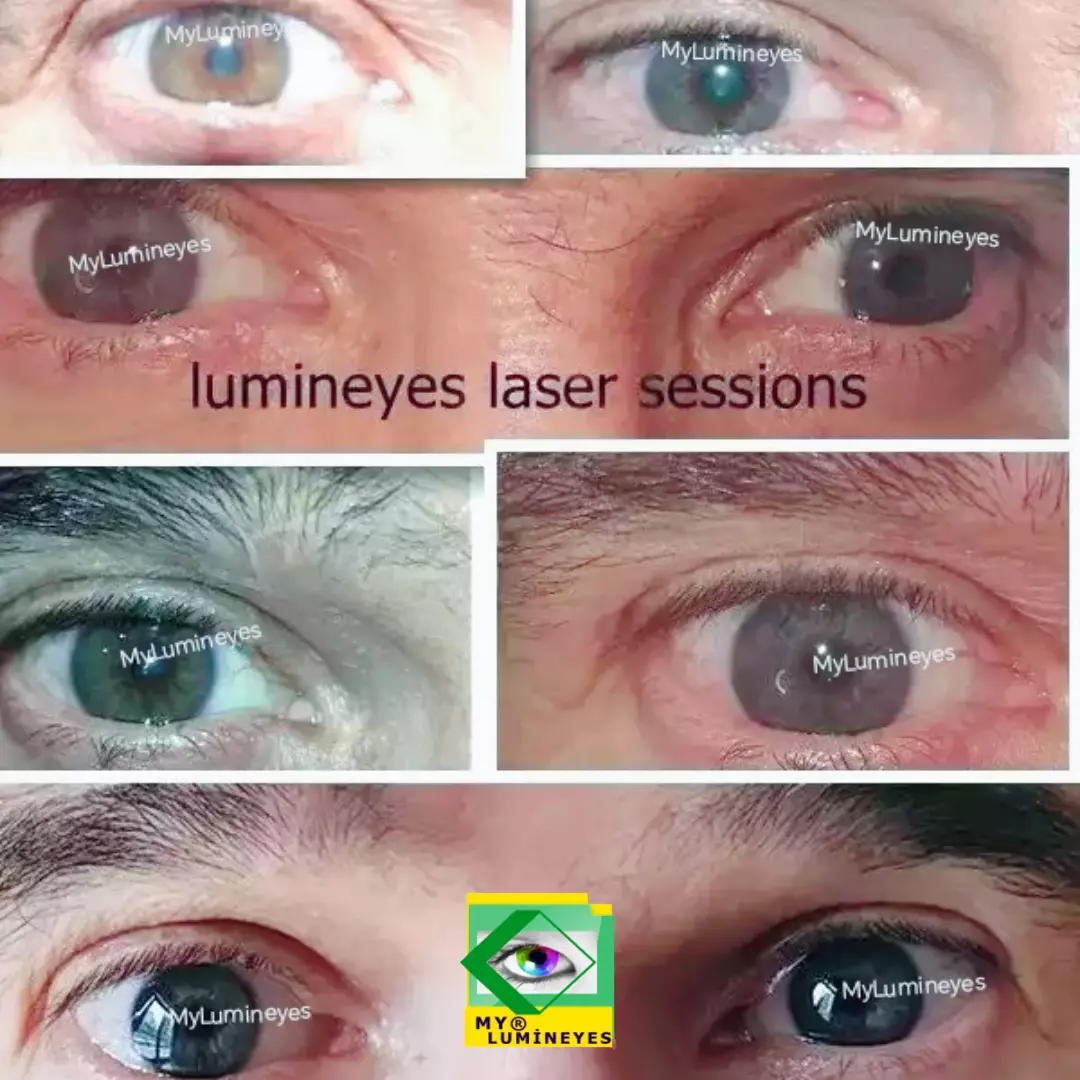
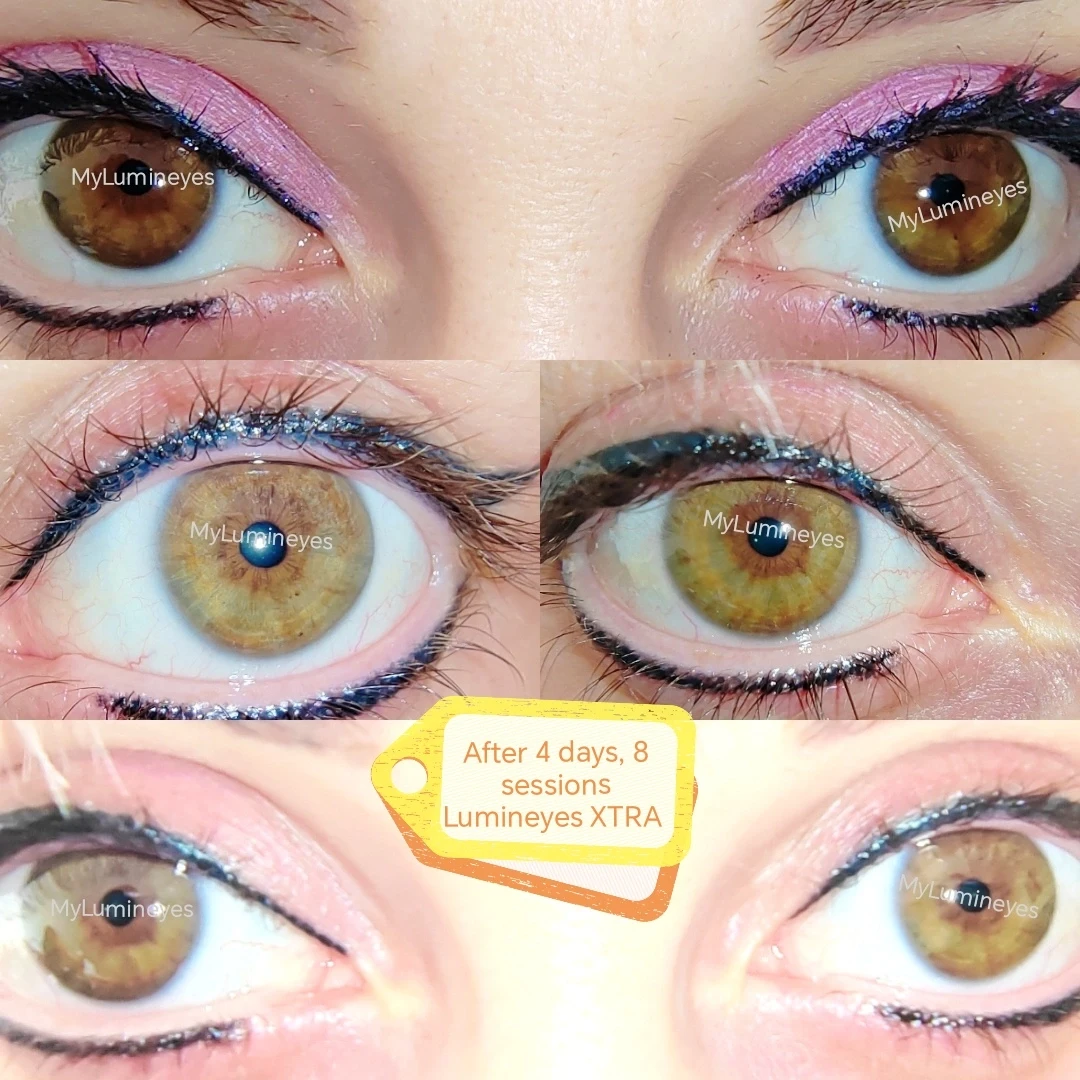
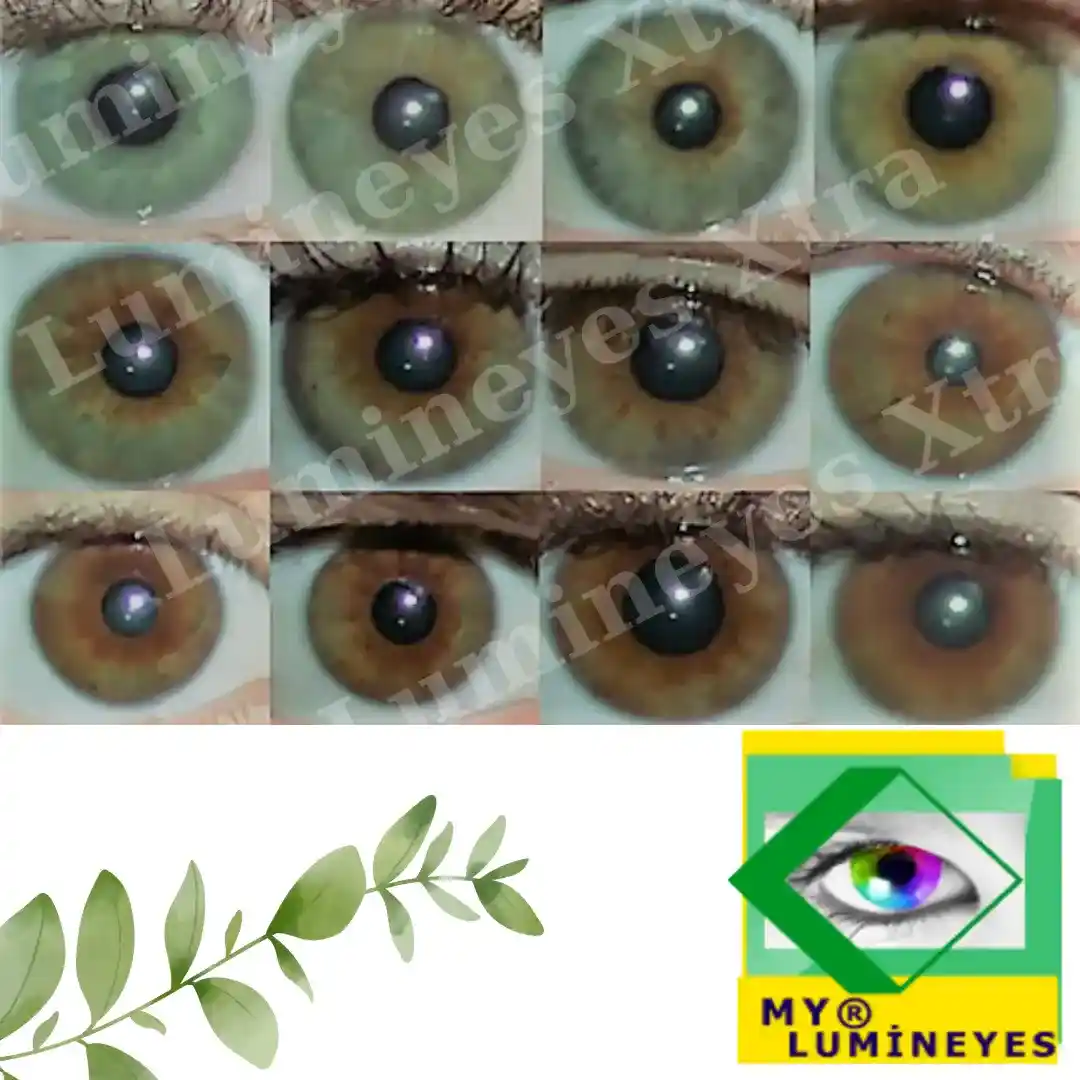
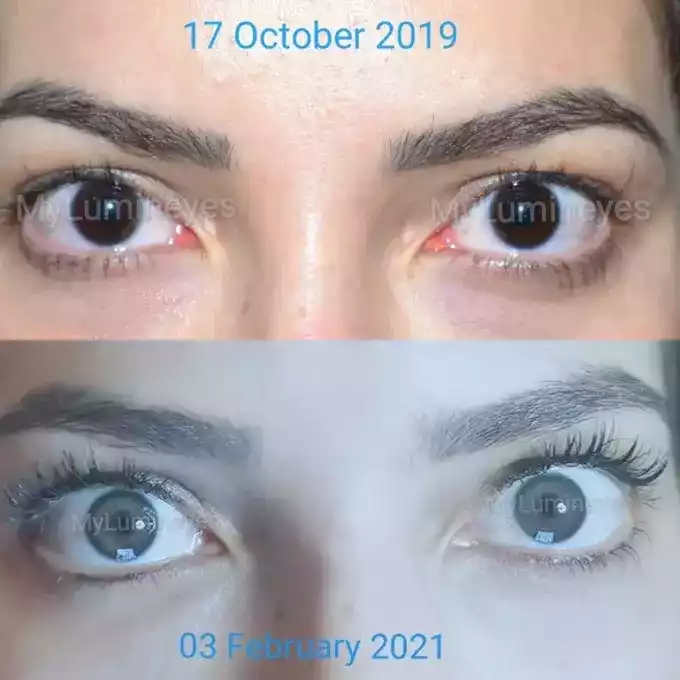
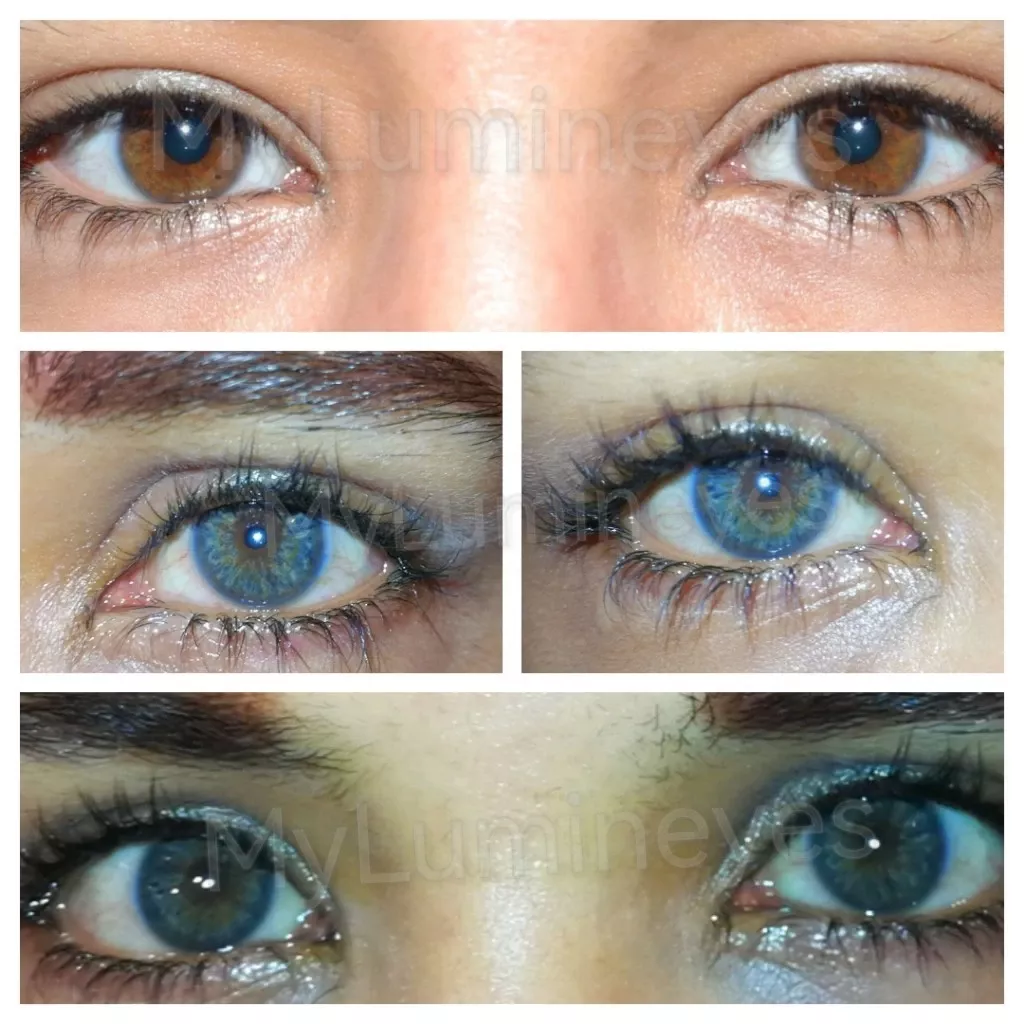
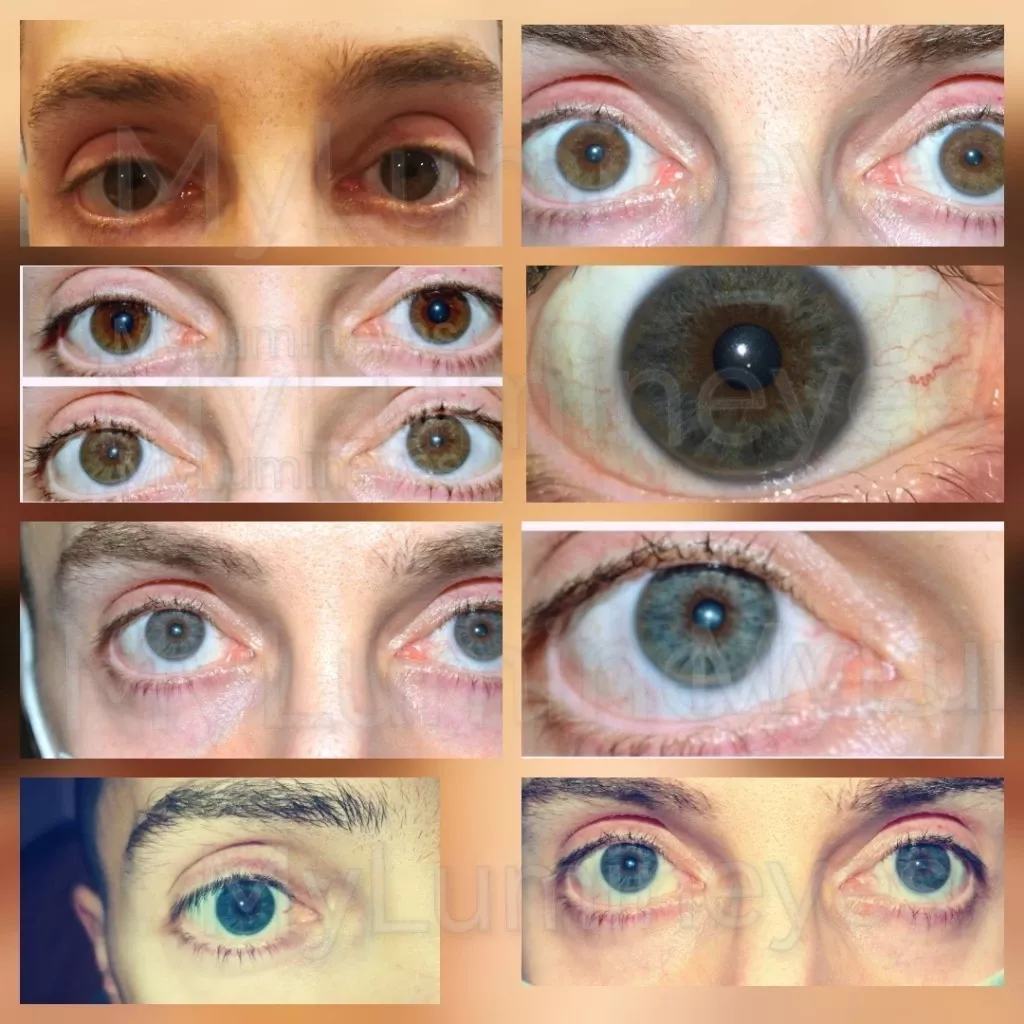
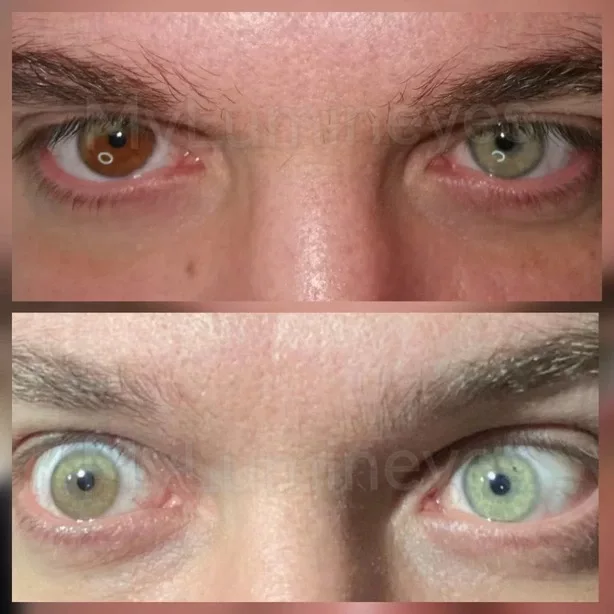
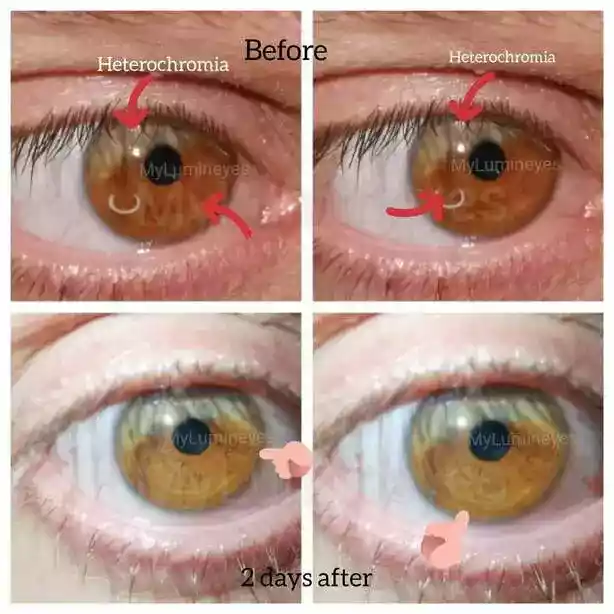
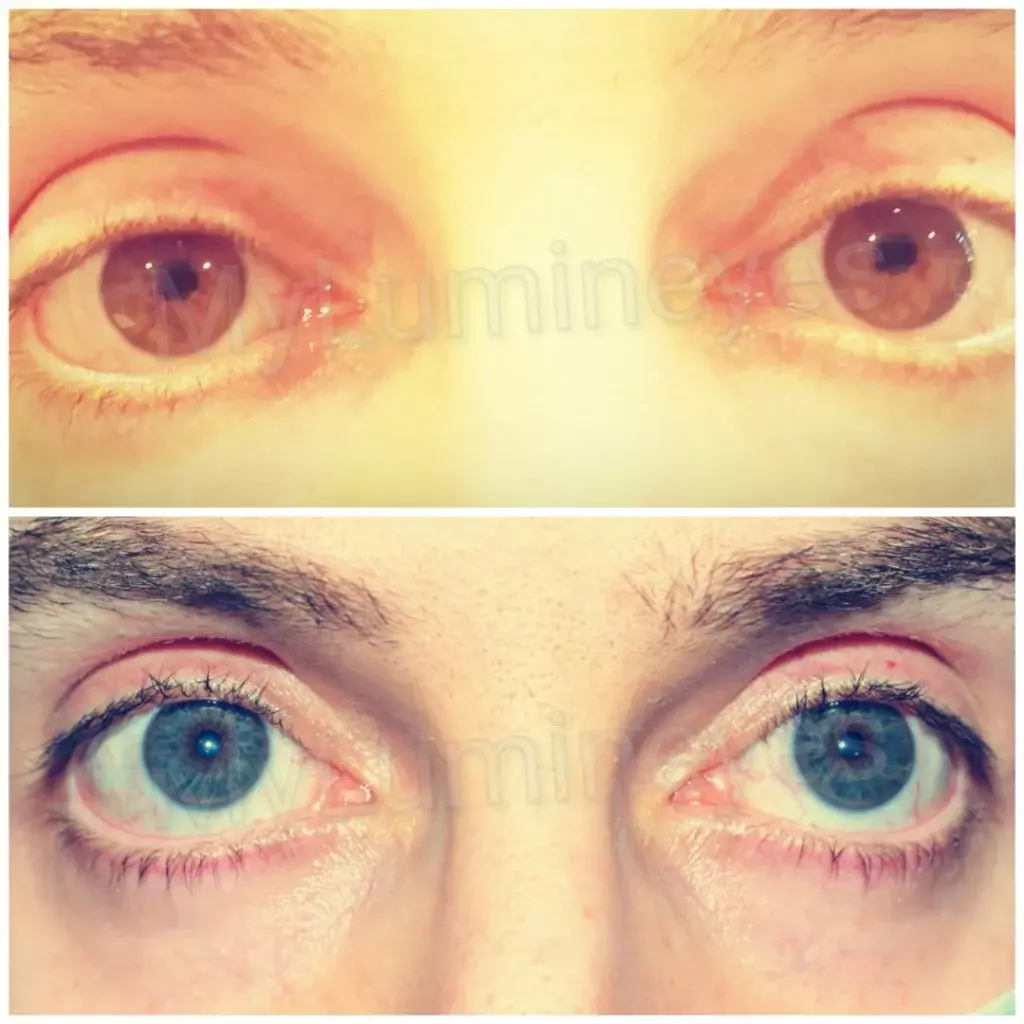
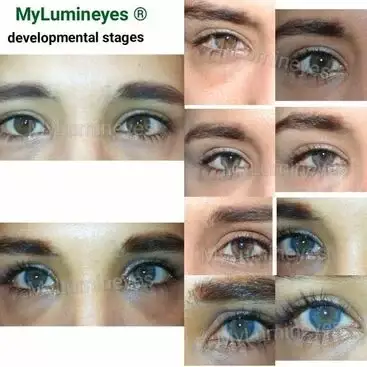
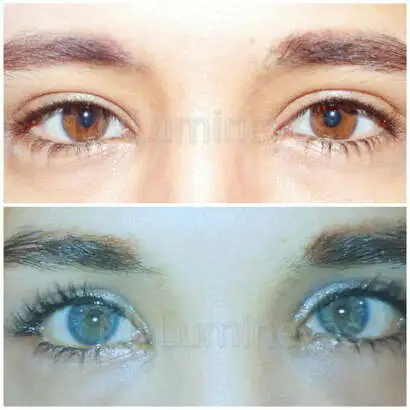
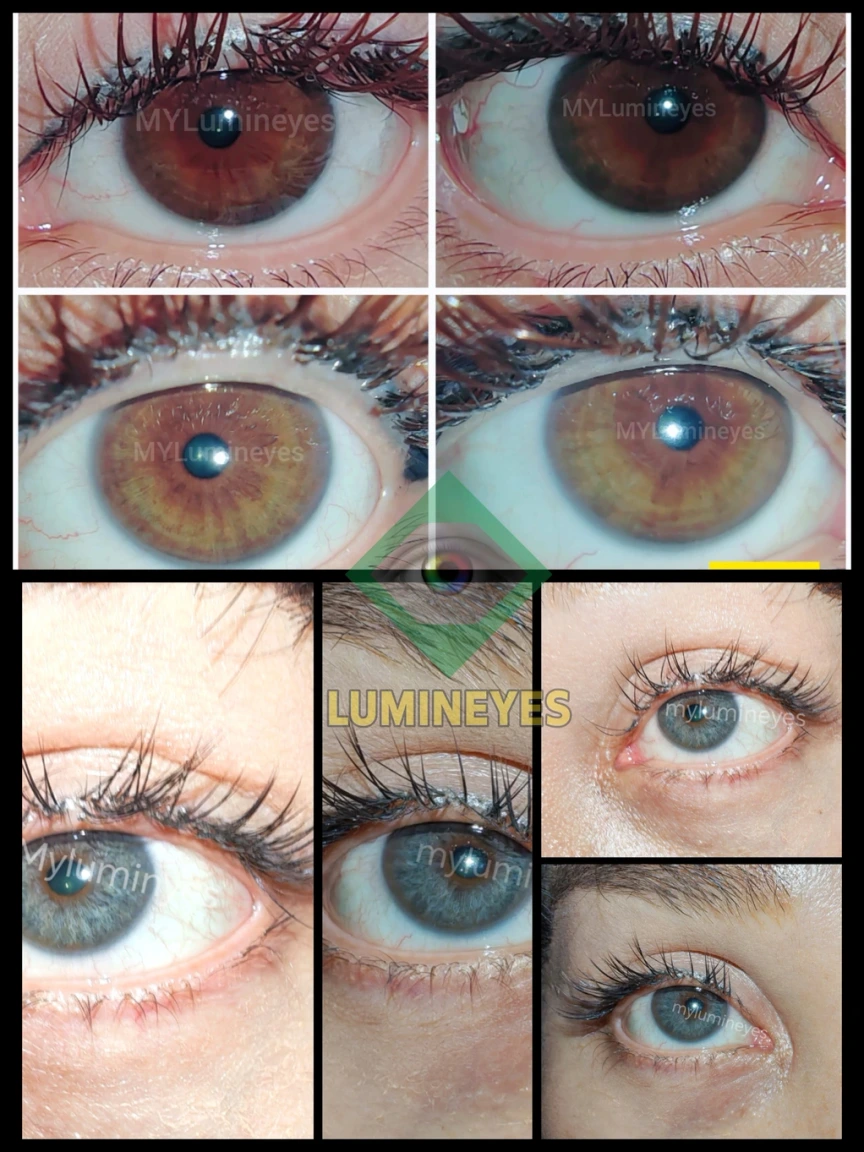
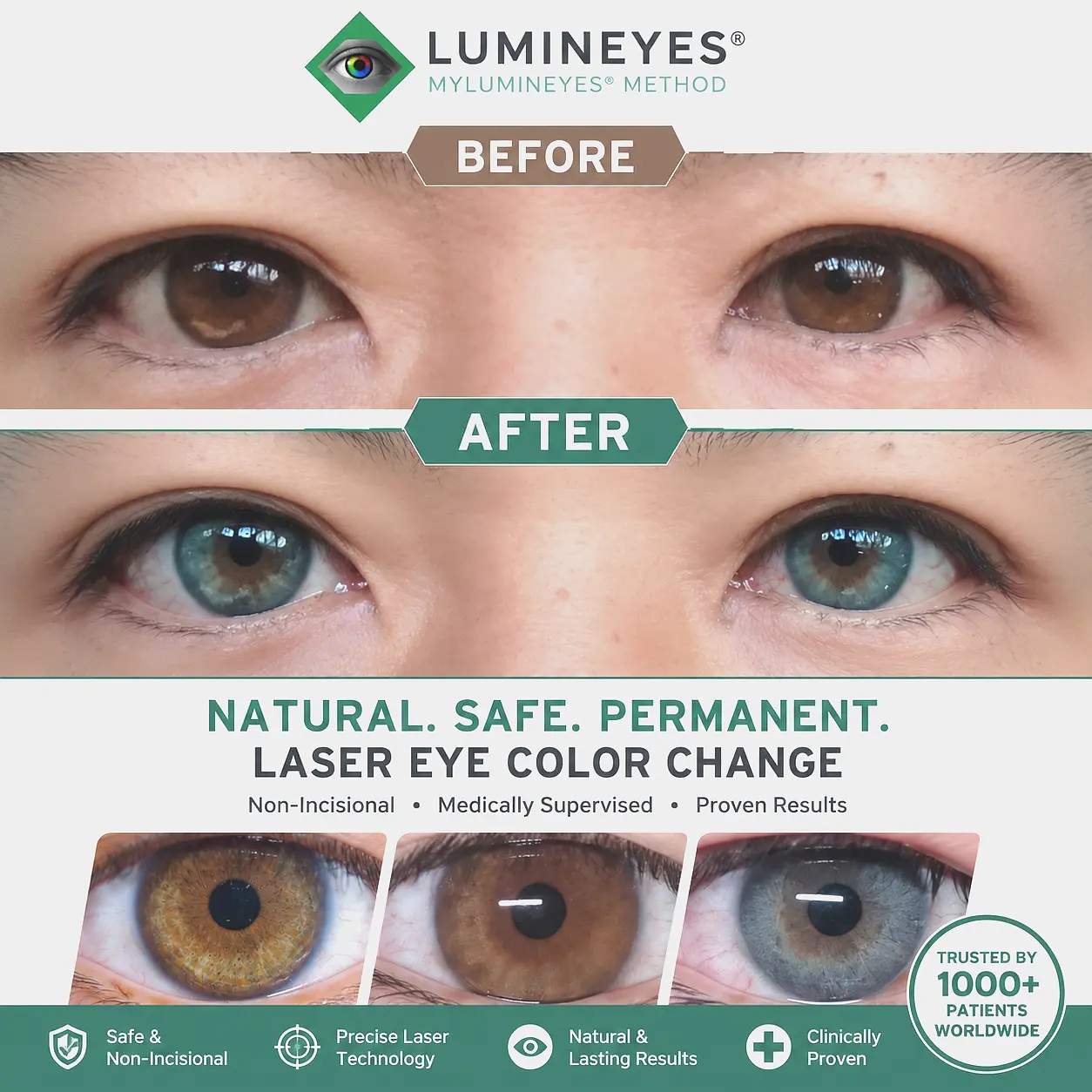
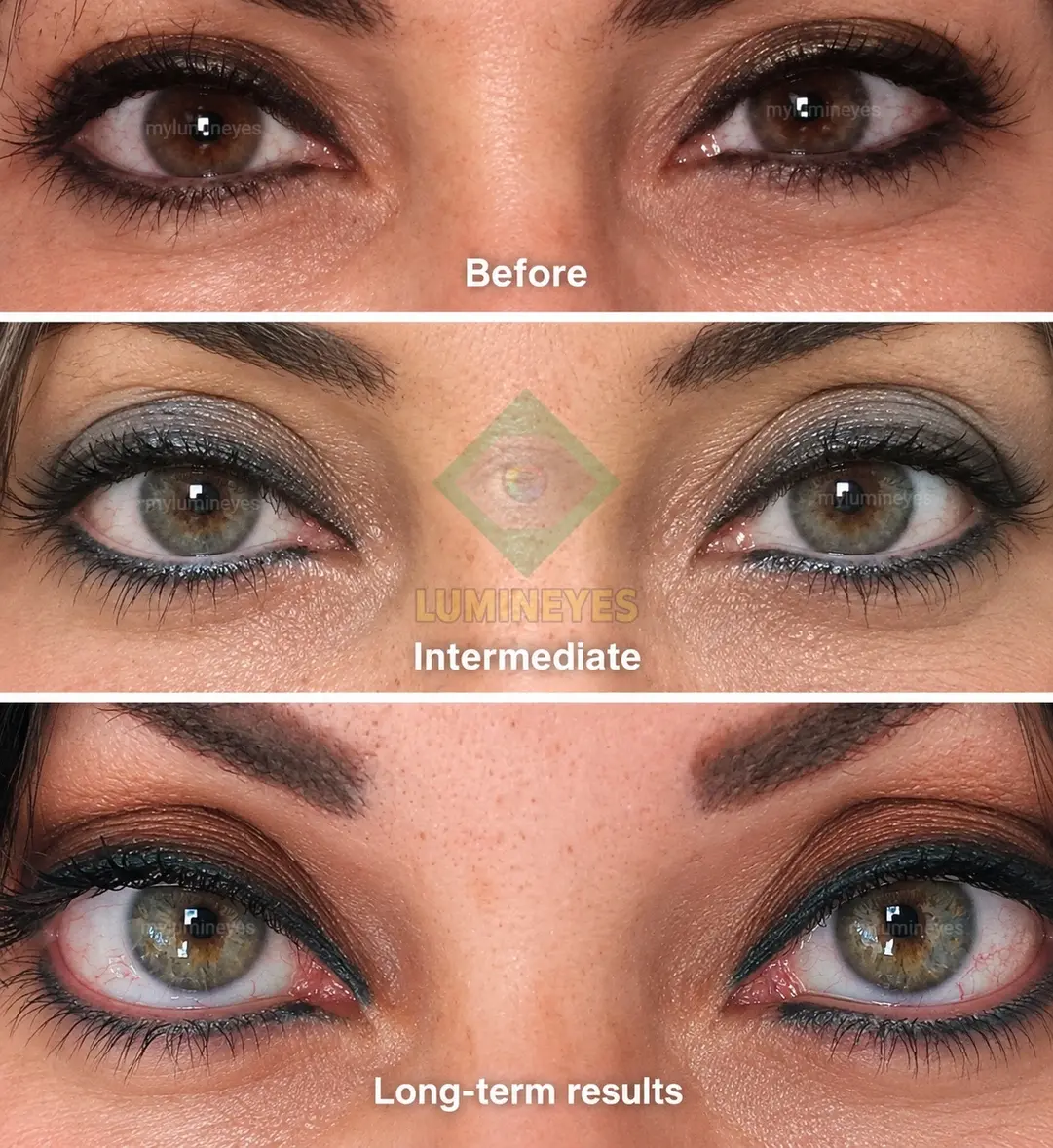
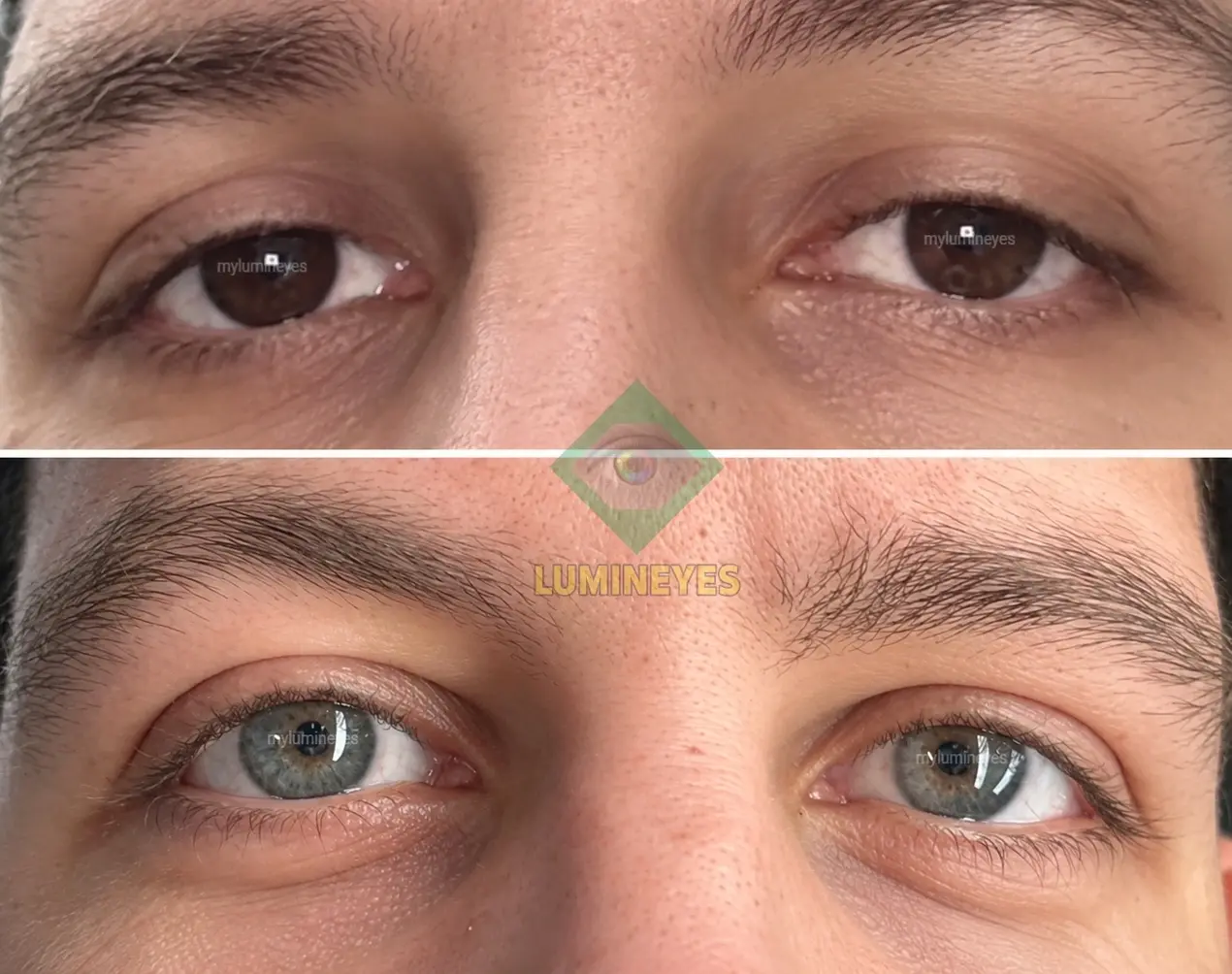
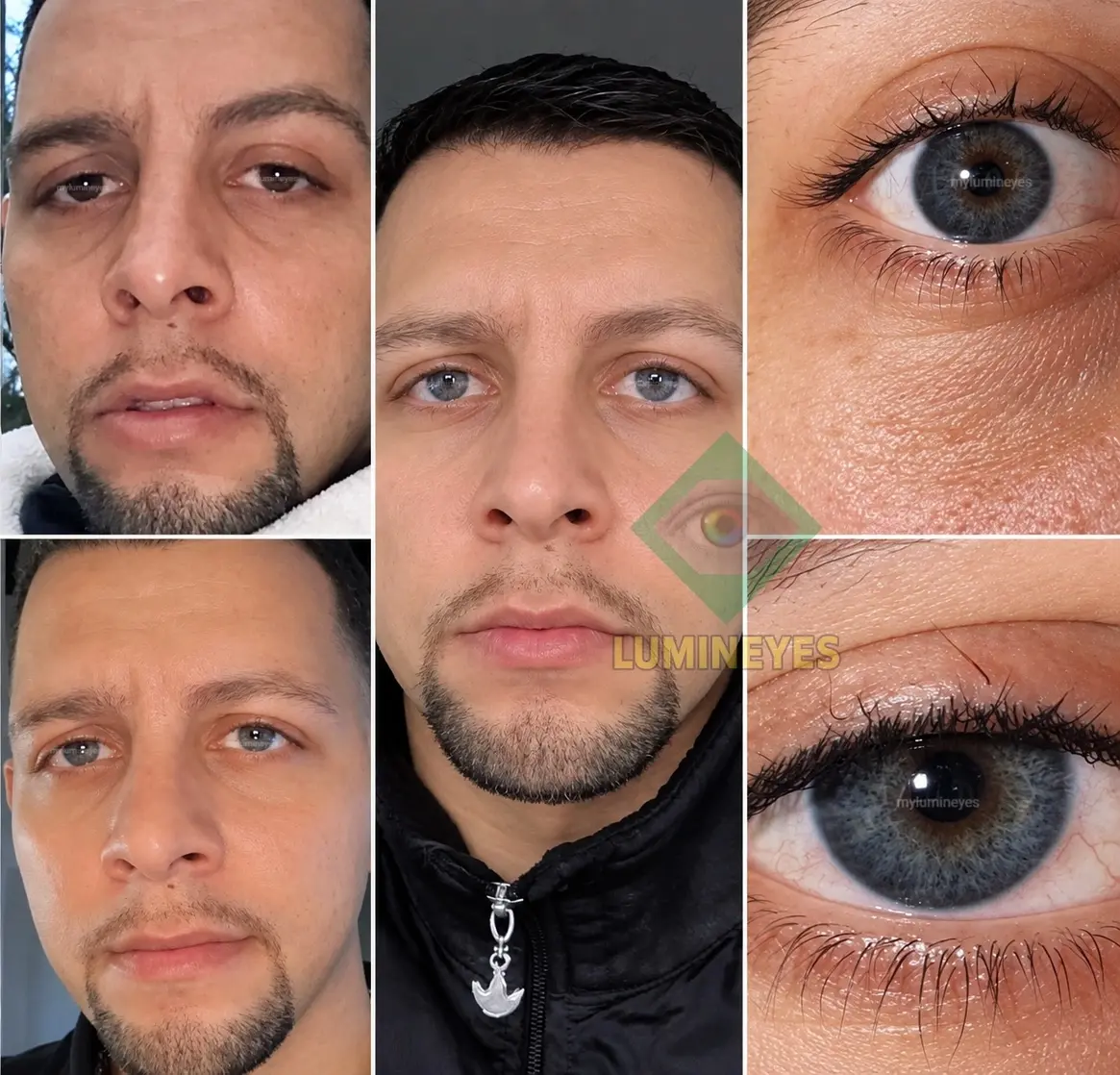
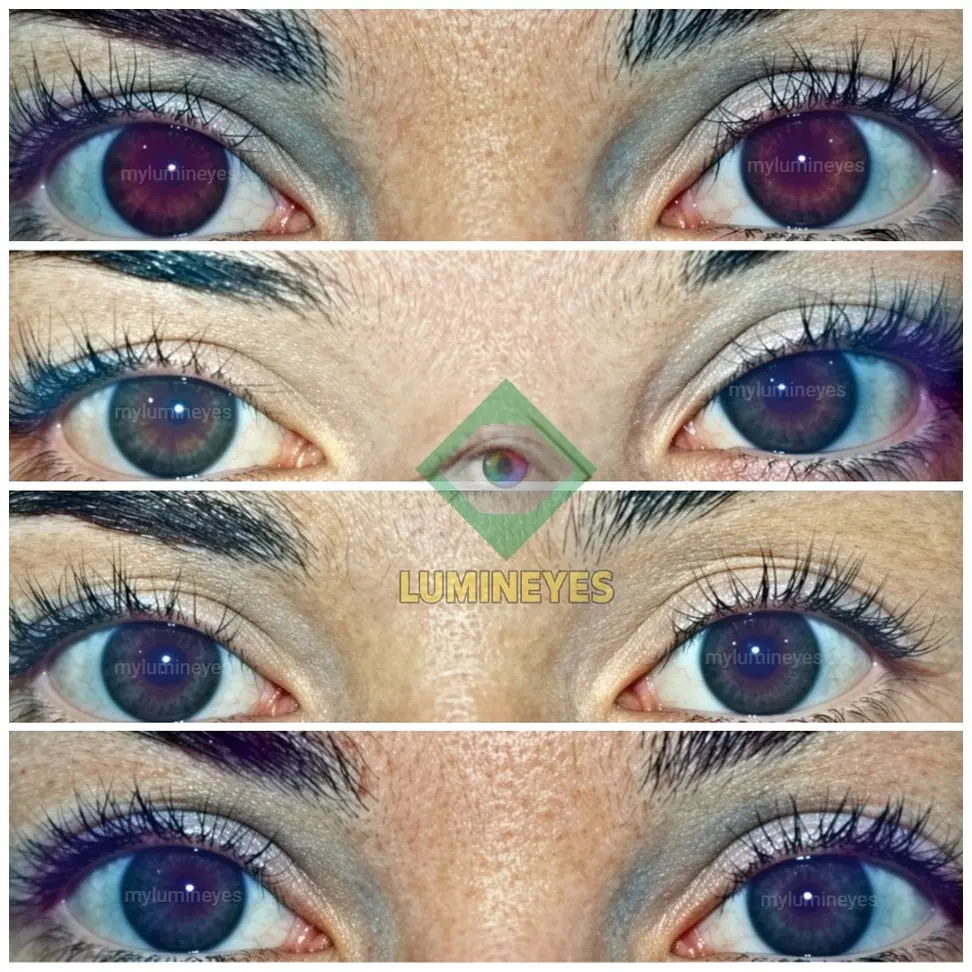
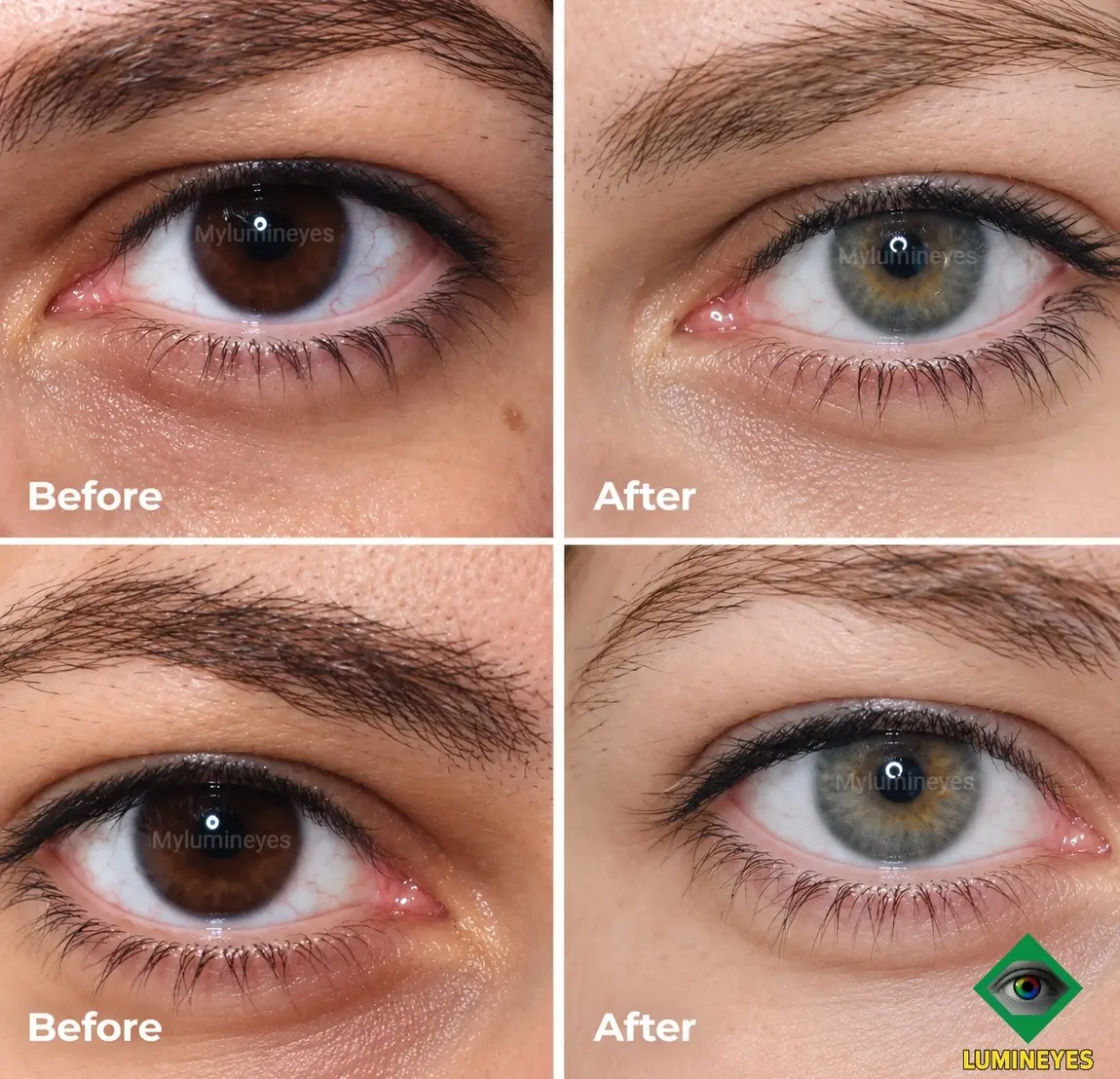
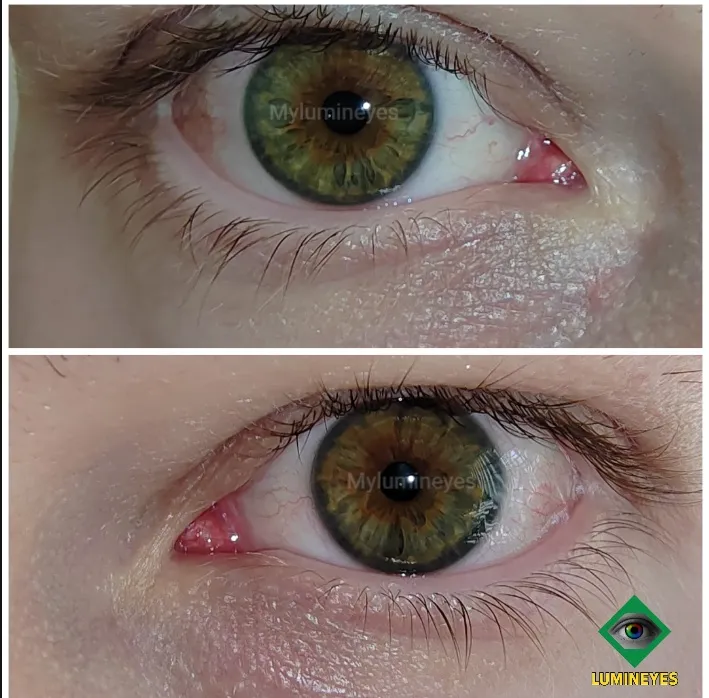
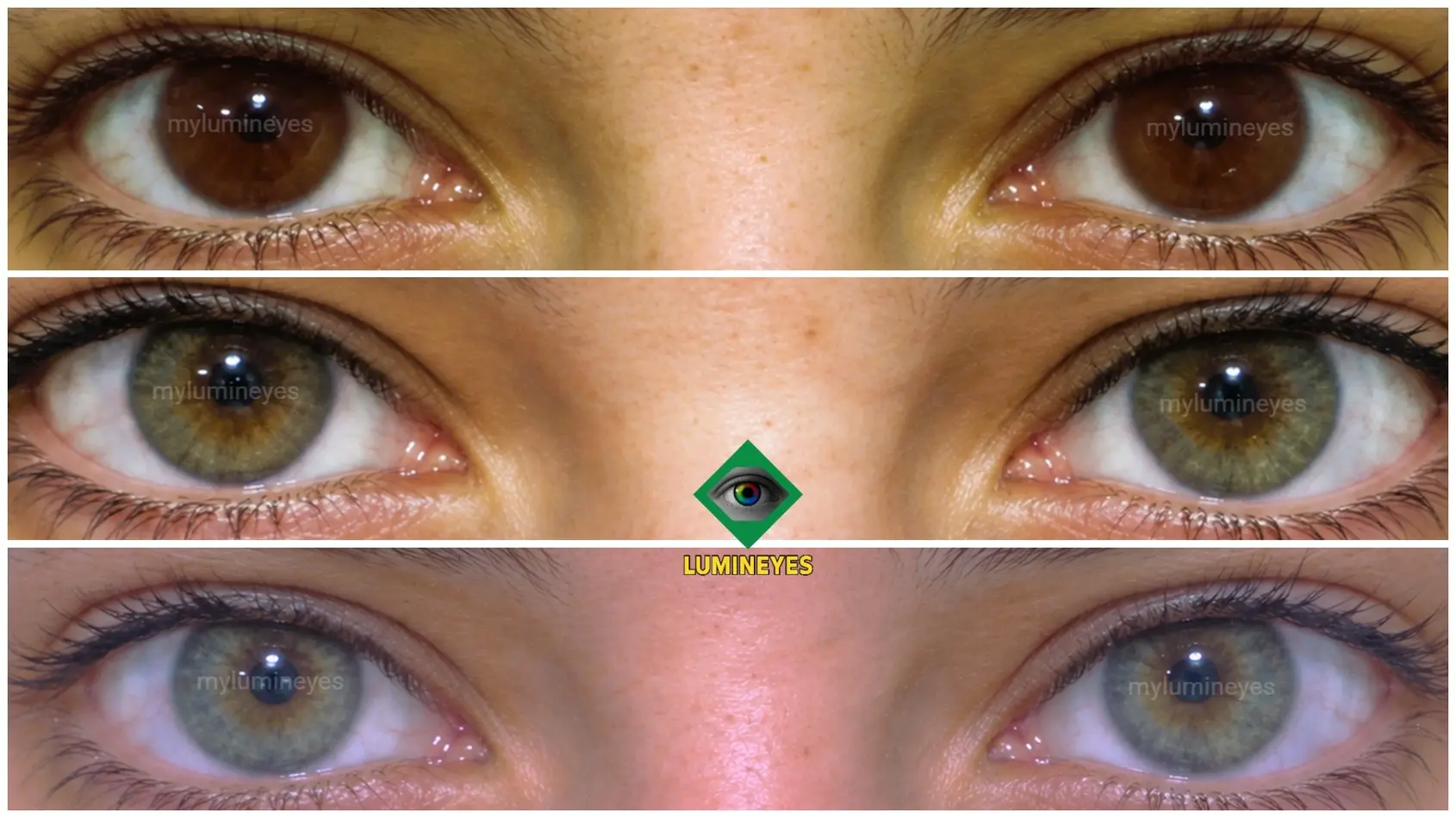
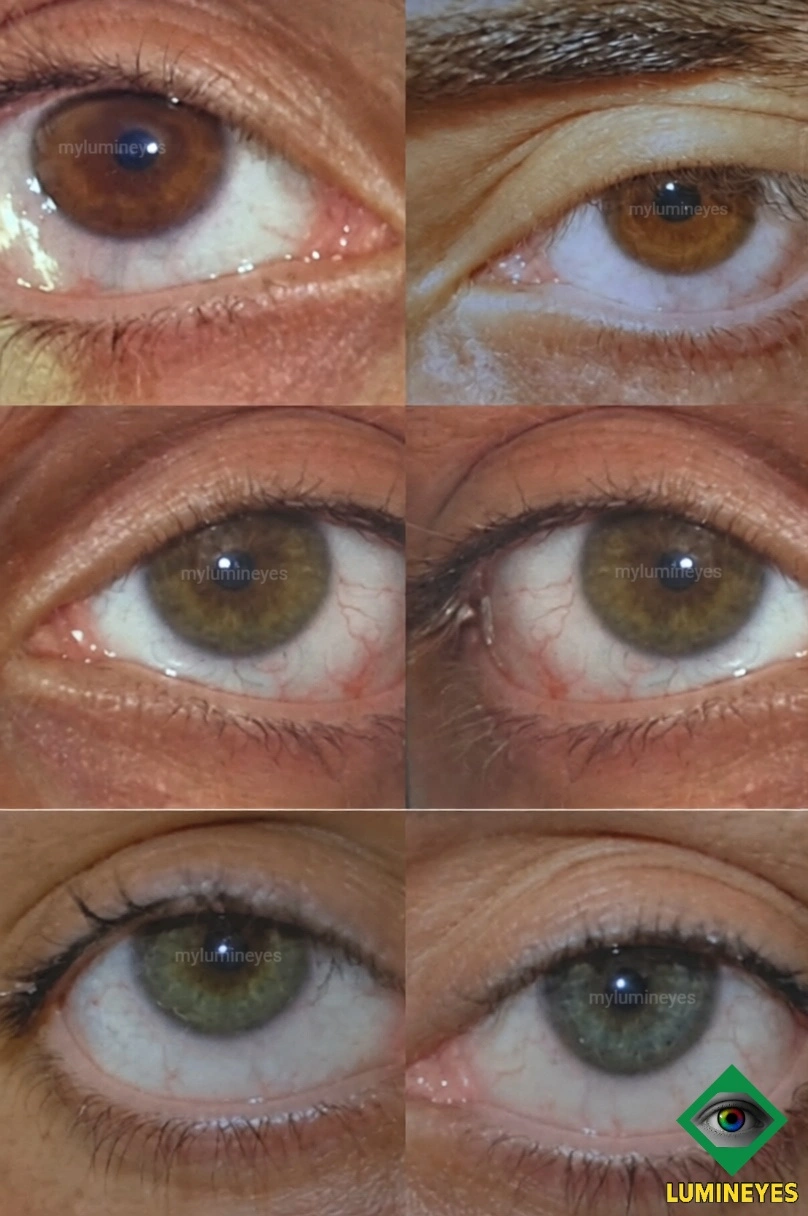
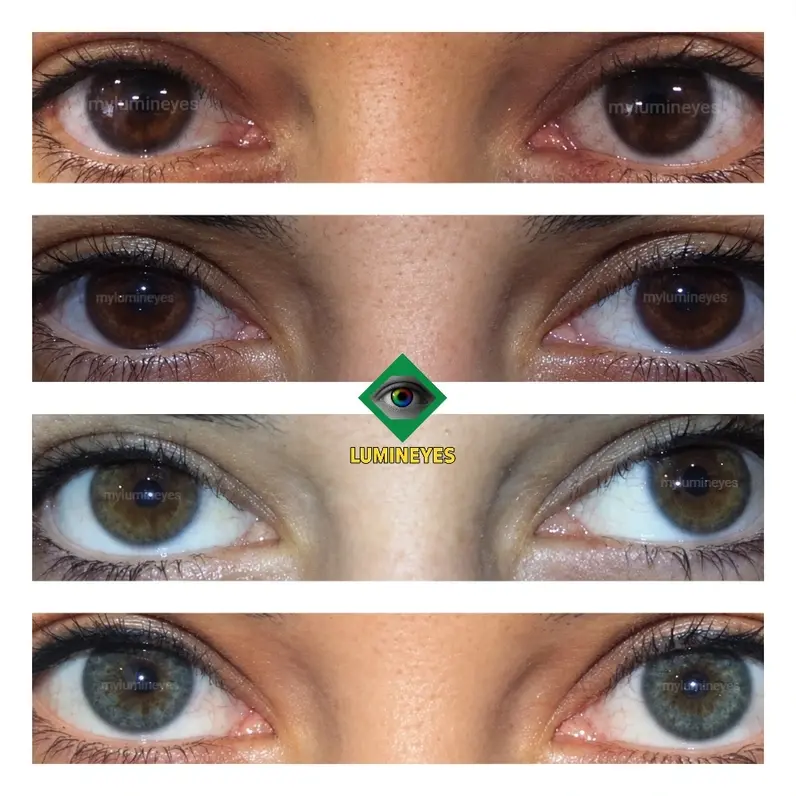
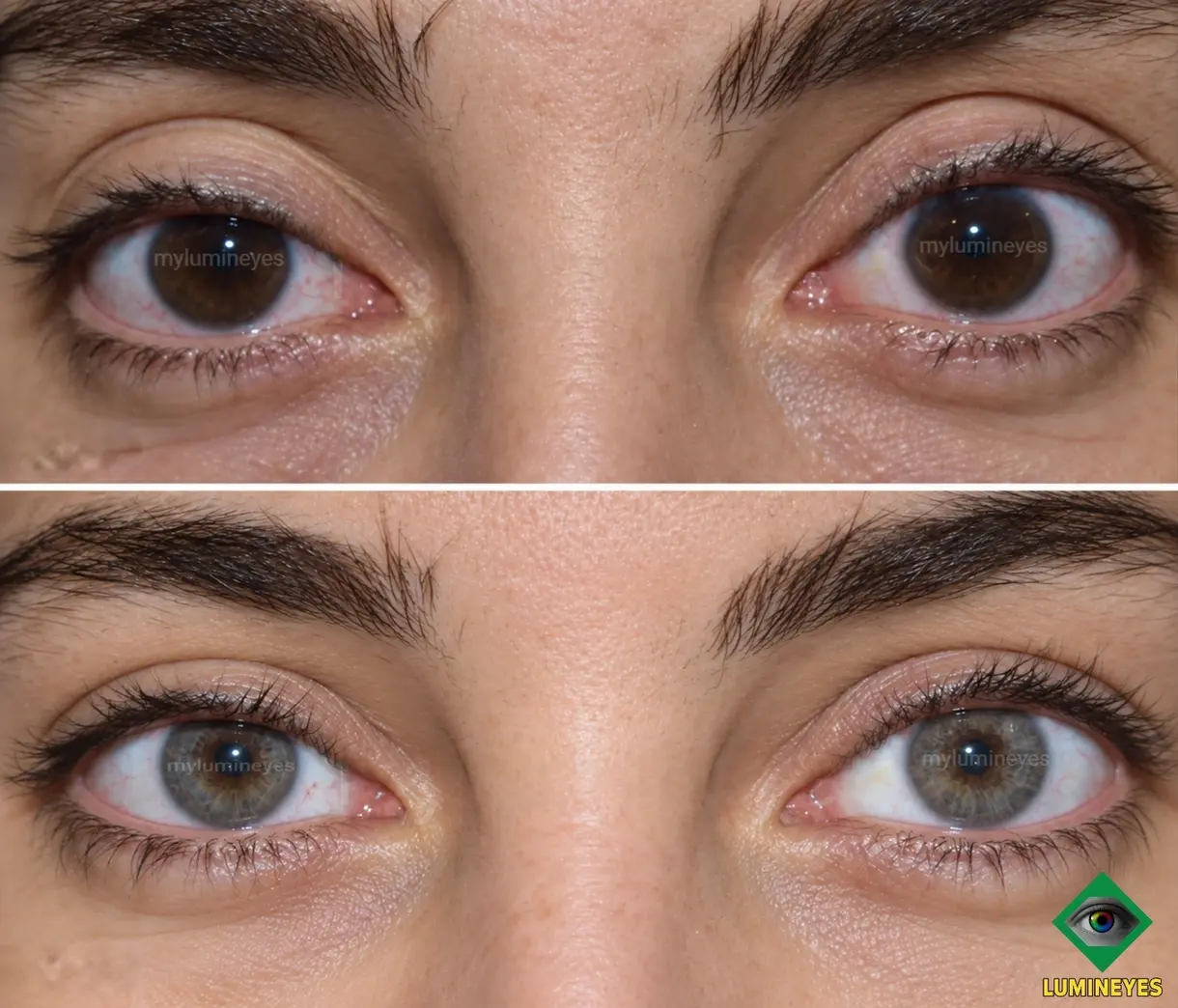
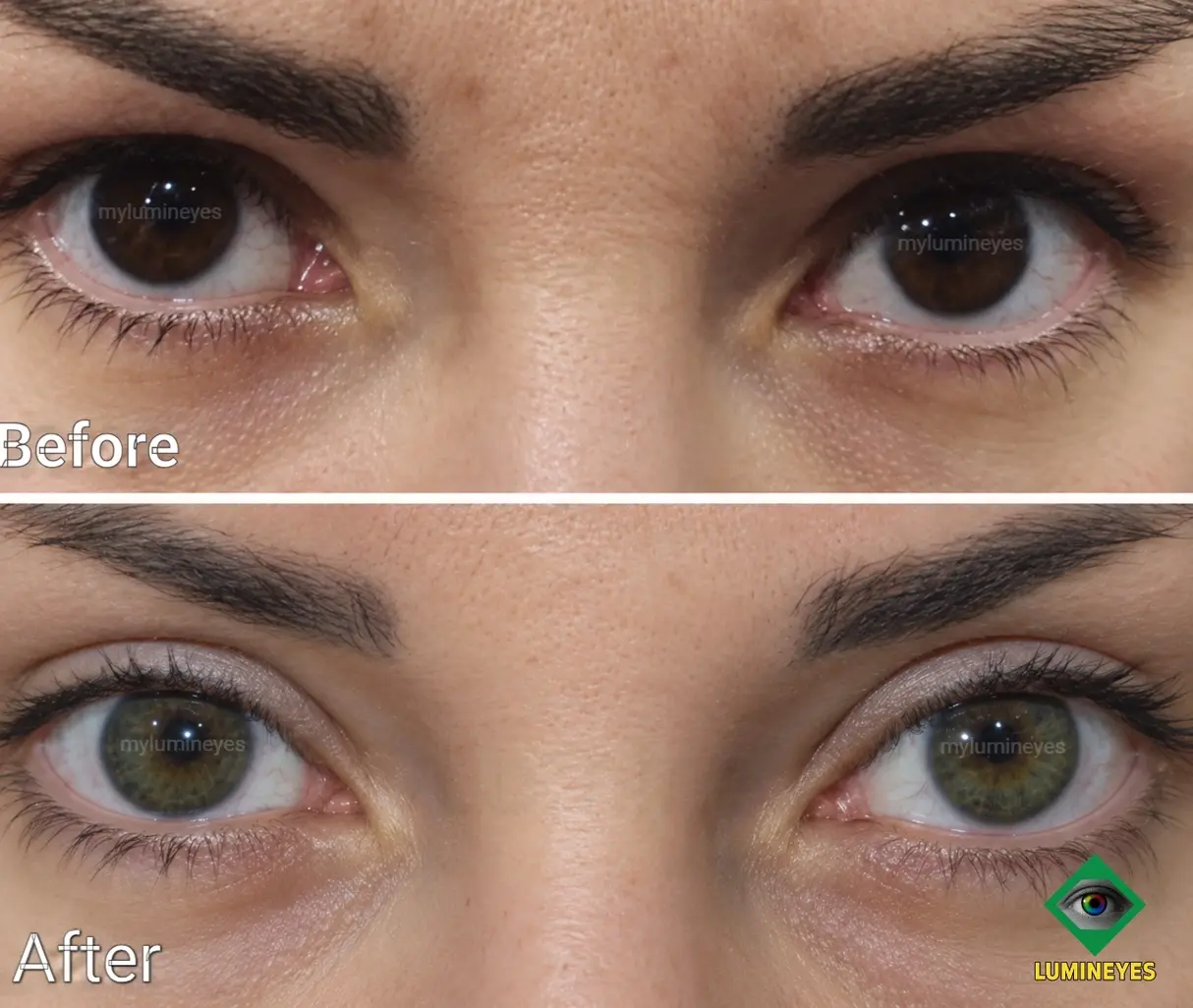
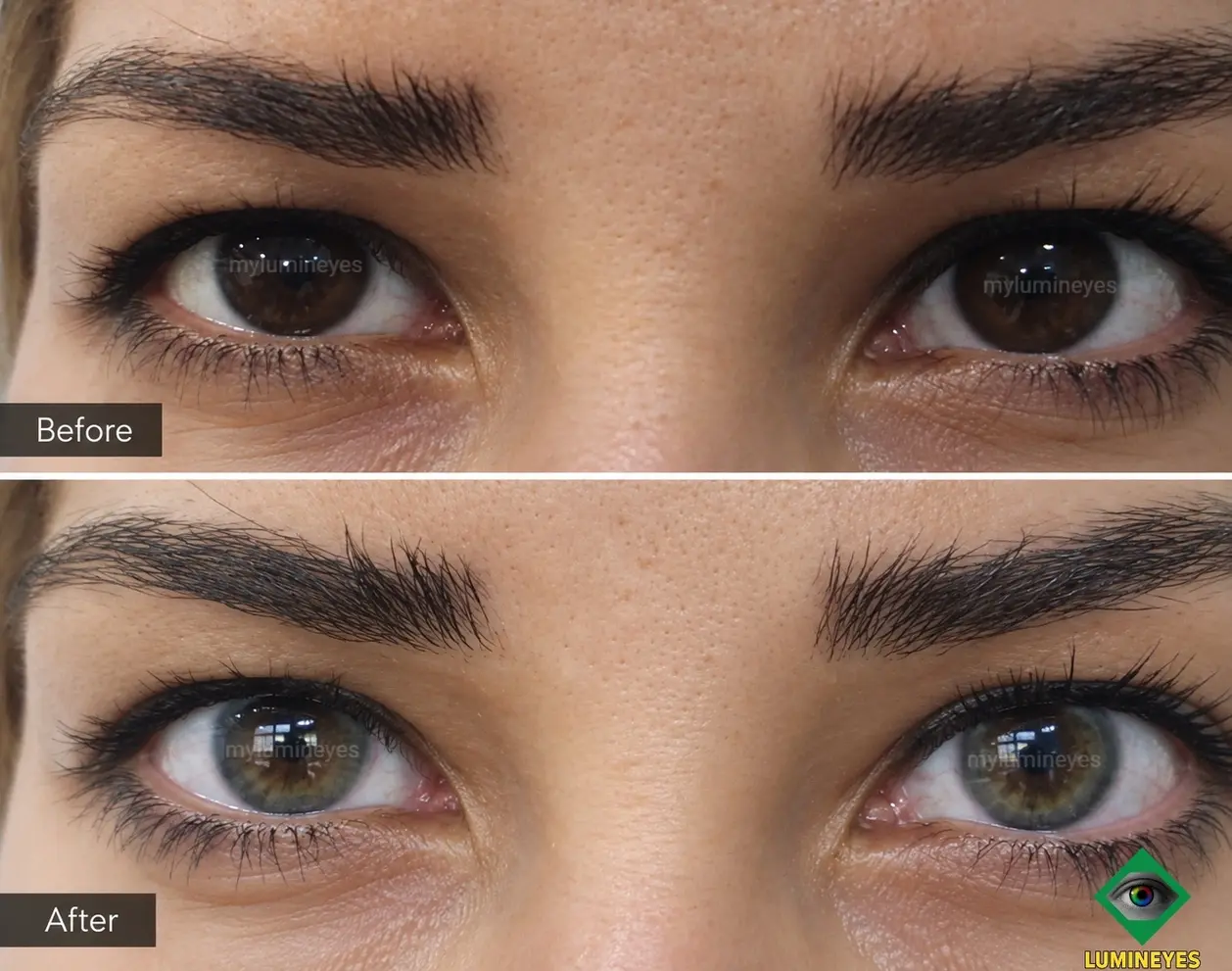
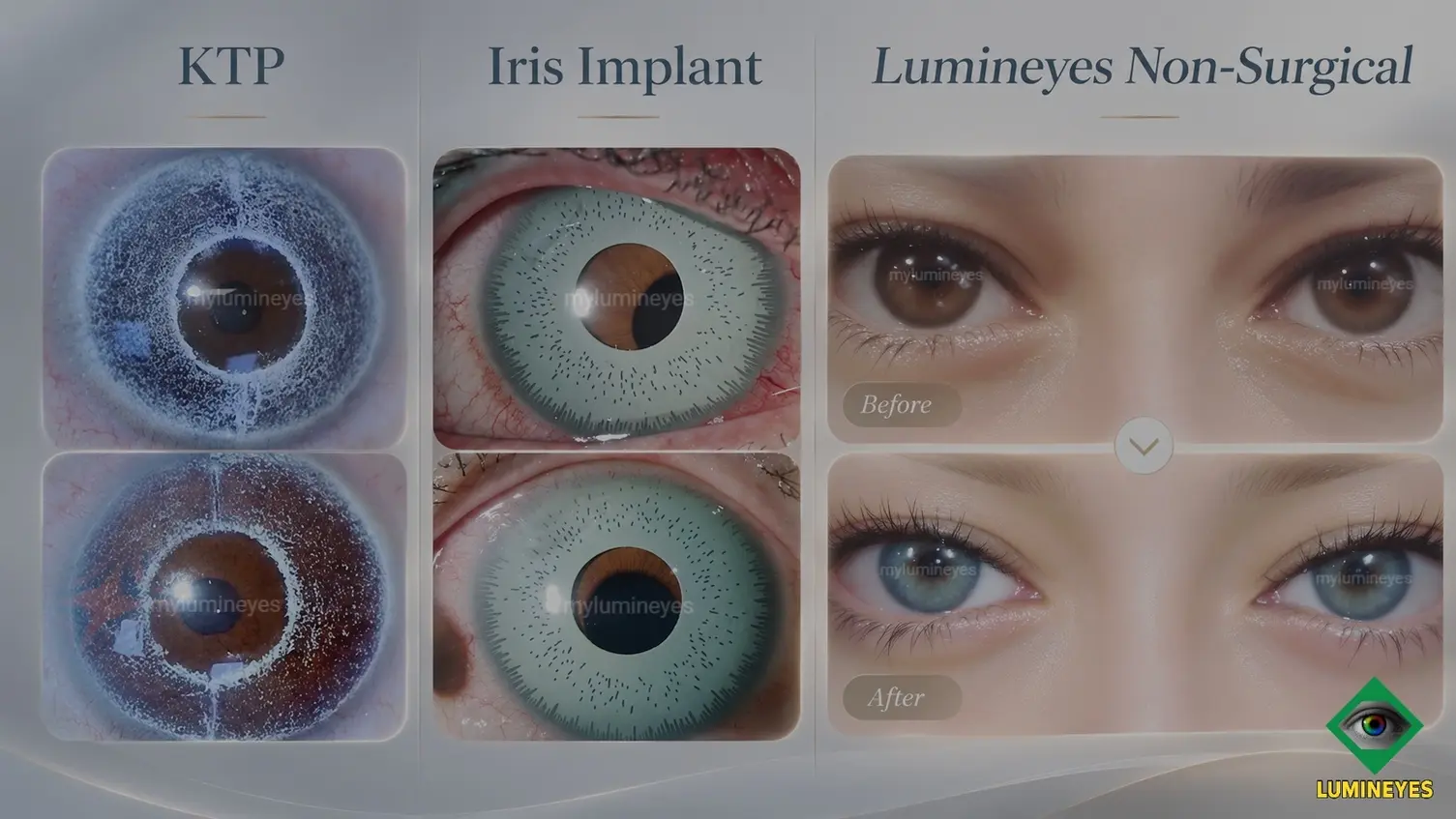
Authentic before-and-after clinical photographs provide real insight into how visible iris lightening develops through the Lumineyes® laser method. All documented transformations represent genuine patient journeys evaluated under medical supervision by Op. Dr. Mustafa Mete. No cosmetic filters, digital manipulation, or artificial color enhancements are used.
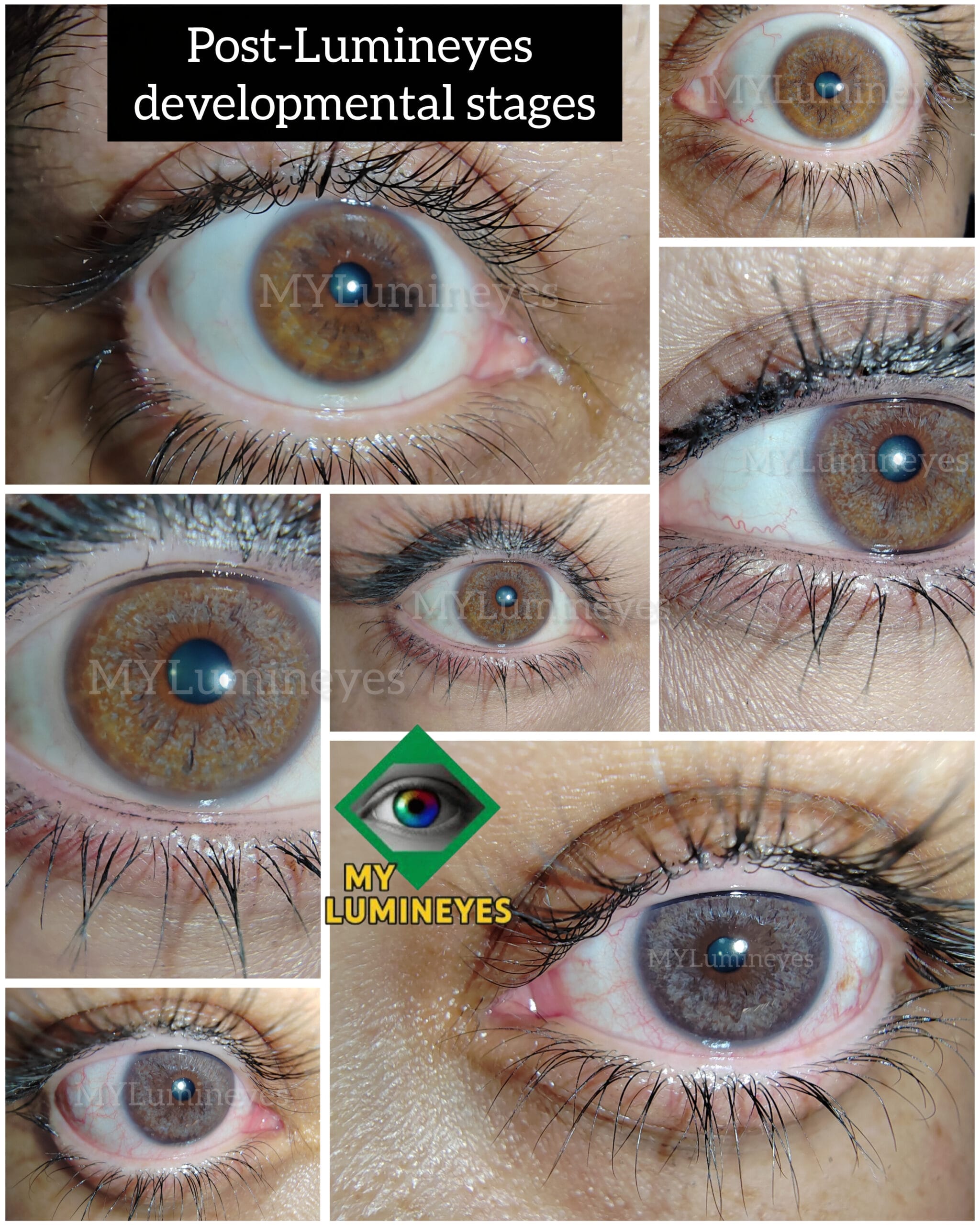
Because laser iris depigmentation operates through gradual, response-guided pigment reduction rather than a single cosmetic alteration, visible change unfolds across planned treatment stages. Baseline melanin density, iris structural features, and biological clearance kinetics determine the required treatment pathway for each individual.
For a detailed breakdown of the biological mechanism and ophthalmic safety protocols behind these results, explore our primary Laser Eye Color Change Procedure pillar guide and Laser Iris Depigmentation technical resource.


The procedure applies selective stromal melanin modulation to visible anterior iris pigment. As targeted melanin granules undergo controlled laser interaction, natural ocular cellular pathways clear dispersed pigment progressively over subsequent weeks.
Because the laser targets only existing superficial melanin, it does not introduce synthetic dye or artificial colors. Instead, gradual pigment reduction reveals the underlying, natural stromal optical tones unique to each patient's iris structure. Treatment progression is monitored continuously by the treating physician between stages to ensure ocular safety and healthy clearance.

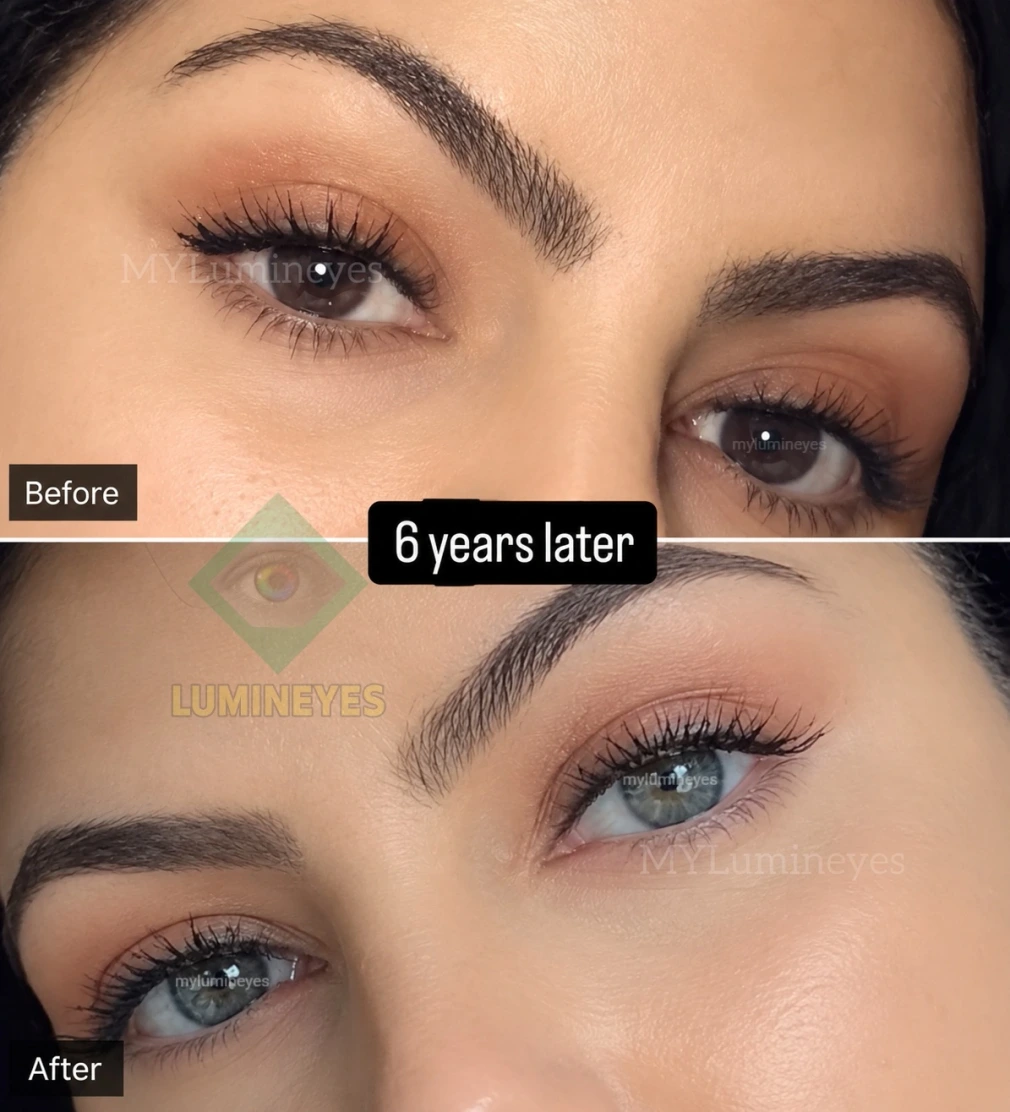
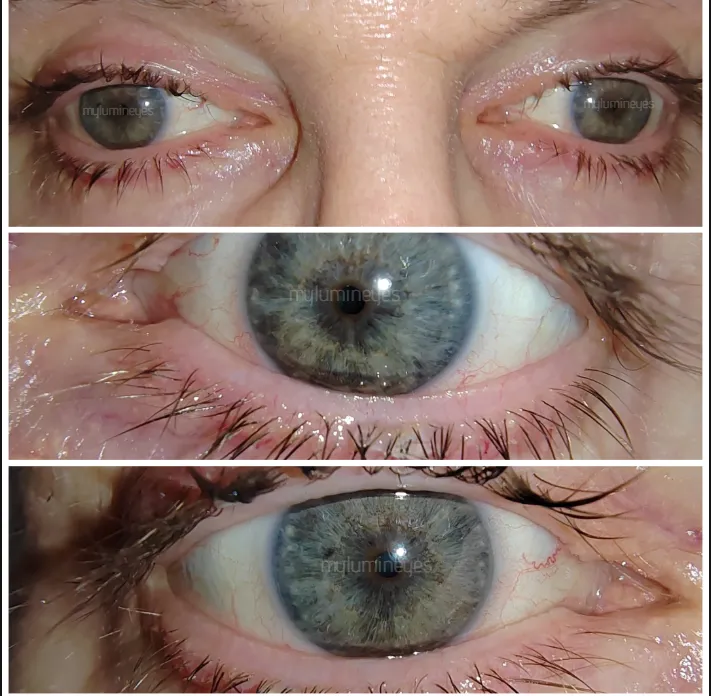
Longitudinal follow-up photograph documenting stable iris appearance six years following completed Lumineyes® laser iris depigmentation. Results stabilize once the eye reaches a healthy clinical plateau phase.
No clinic can predict or guarantee an exact cosmetic shade because final iris appearance is governed by seven distinct biological and clinical factors:
To learn more about natural iris pigmentation grading, review the Lumineyes® Iris Pigmentation Scale (LIPS) research framework.
A cinematic introduction to laser eye color change — the visual character of the iris, the possibility of a lighter appearance and the Lumineyes™ approach to staged pigment modification.
Alongside the photographic gallery above, this selected clinical video shows observed changes in iris appearance. It is presented separately from the cinematic brand film so that patient documentation remains clearly identifiable.
Color appearance can vary with light, camera settings and observation interval. Compare documented images with the broader laser iris depigmentation process and its staged response.
Explore more clinical photographsClinical photographs show the visible outcome, while iris pigmentation and the underlying optical structure help explain why different eyes may develop different shades and rates of lightening.
The Lumineyes™ technique is a form of laser iris depigmentation (LID). Its intended target-and-response strategy is developed within the Selective Stromal Melanin Modulation (SSMM) framework.
Baseline pigment distribution, stromal optical properties and biological response affect final appearance. The Lumineyes Iris Pigmentation Scale (LIPS™) provides a structured language for describing pigmentation phenotypes, not a guarantee of an exact color.
Visible reduction in iris pigmentation is intended to persist, but permanence should not be confused with a fixed shade under every lighting condition. The dedicated permanent eye color change guide explains the distinction between laser treatment, corneal pigmentation and implants.
Photos alone cannot determine suitability or the full treatment course. Patients can review the eligibility criteria and then request a clinical evaluation through the MyLumineyes contact page.
Brief answers about documented photographs, treatment response and the interpretation of eye color change over time.
Medical content reviewed by Mustafa Mete, MD, ophthalmologist. For procedural details, consult the Lumineyes™ clinical guide.
Lumineyes Assistant
×