Eye Doctor Near Me: How to Choose the Right Specialist for Your Vision
Typing "eye doctor near me" into a search engine often generates hundreds of mixed results. However, ocular care is not one-size-fits-all: choosing incorrectly between an ophthalmologist, optometrist, and optician can delay critical medical interventions for sight-threatening diseases.
Most individuals only think about booking an eye appointment when their vision becomes blurry or their glasses prescription expires. Yet many of the most devastating ocular conditions—such as open-angle glaucoma, early diabetic retinopathy, and peripheral retinal tears—progress silently without any initial pain or visual disruption.
Finding the right eye specialist requires matching your symptoms, clinical risk factors, and surgical objectives to the appropriate tier of ophthalmic medicine. Proximity matters, but medical specialization and surgical experience dictate your visual prognosis.
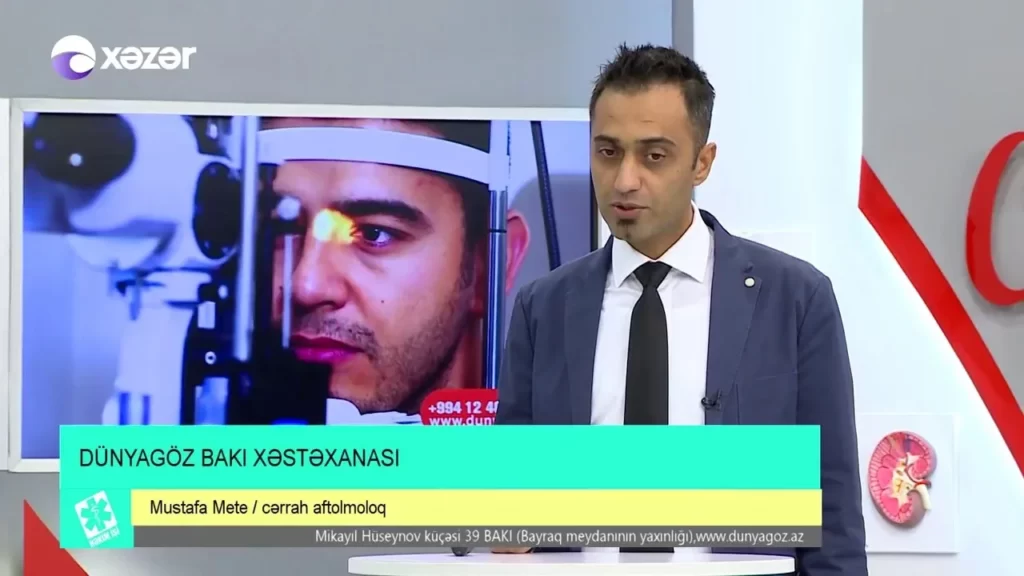
Clinical slit-lamp biomicroscopy: An essential examination conducted by a medical ophthalmologist.
The Eye Care Triad: Ophthalmologist vs. Optometrist vs. Optician
The titles "eye doctor" and "specialist" are often used interchangeably, creating confusion for patients who need targeted care. Here is the clinical distinction between the three primary providers:
| Professional | Medical Credentials | Clinical Scope of Practice | When to Schedule an Appointment |
|---|---|---|---|
| Ophthalmologist (MD / Eye Surgeon) | Medical Doctor degree (MD), followed by 4–8 years of ophthalmic surgical residency and fellowship training. | Licensed to perform intraocular surgery, laser interventions, prescribe all systemic and ocular medications, and treat complex diseases of the cornea, retina, and optic nerve. | Cataracts, glaucoma, retinal tears/detachments, corneal dystrophies, eye trauma, refractive surgery (LASIK, ICL), and cosmetic/reconstructive procedures. |
| Optometrist (OD) | Doctor of Optometry degree (OD); non-medical doctor degree focused on primary vision care. | Performs visual acuity testing, prescribes corrective lenses, fits standard and specialty contact lenses, detects basic ocular pathology, and manages mild dry eye or non-surgical conjunctivitis. | Annual routine refraction, updating eyeglasses, prescription contact lens fittings, and primary visual screenings. |
| Optician | Technical diploma, apprenticeship, or professional optical certification. | Trained to design, verify, and fit spectacle lenses, frames, and contact devices based strictly on written prescriptions from ophthalmologists or optometrists. Does not diagnose or treat ocular diseases. | Adjusting eyeglass frames, selecting high-index lens materials, repairing broken spectacles, and filling physical prescriptions. |
Ophthalmology Subspecialties: When General Care Isn't Enough
Ophthalmology encompasses complex micro-anatomical systems. When an eye condition resists standard medical management or involves surgical planning, patients are referred to subspecialists:
- Cornea and Refractive Specialists: Specialize in the anterior ocular surface, managing keratoconus, Fuchs' dystrophy, corneal cross-linking, pterygium, and advanced laser refractive procedures (Femto-LASIK, PRK, SMILE).
- Vitreoretinal Surgeons: Manage the neurosensory back wall of the eye. They handle medical and surgical crises affecting the retina, macula, and yellow spot, including diabetic vitrectomy, macula-off tears, and intraocular anti-VEGF injections.
- Glaucoma Specialists: Dedicated to regulating aqueous humor dynamics, preventing optic nerve atrophy, and executing surgical filtration or laser glaucoma treatments (such as SLT or trabeculectomy).
- Oculoplastic and Reconstructive Surgeons: Specialize in the delicate architecture of the orbit, tear ducts (nasolacrimal system), and functional/aesthetic blepharoplasty (eyelid surgery) to resolve ptosis or eyelid malpositions.
⚠ Red-Flag Symptoms: When to Bypass Routine Clinics for Emergency Ophthalmic Care
Routine optometrist visits cannot substitute for emergency vitreoretinal or anterior segment triage. Seek immediate, same-day surgical ophthalmic evaluation if you experience:
- Sudden Vision Loss: Any acute, painless drop in central or peripheral vision constitutes an emergency, as outlined in our clinical review of causes of acute vision loss.
- Photopsia and Floater Showers: Flashes of light or a sudden cascade of dark spots across your visual field suggest acute posterior vitreous detachment pulling on the peripheral retina.
- Severe Unilateral Eye Pain with Nausea: A hallmark sign of acute angle-closure glaucoma, where intraocular pressure spikes dangerously.
- Corneal Ulceration: Persistent pain, light sensitivity, and a white spot on the clear cornea—common in users of cosmetic or corrective contact lenses—demands urgent antimicrobial therapy to prevent stromal perforation.
What Happens During a Comprehensive Medical Eye Examination?
A medical eye exam performed by an ophthalmologist goes far beyond determining whether you need a +1.00 or -2.00 diopter lens. It is an extensive biometric and structural audit of the ocular organ:
- Visual Acuity & Refraction: Baseline testing via computerized autorefractors followed by subjective phoropter refinement.
- Goldmann Applanation Tonometry: The gold standard for measuring intraocular pressure (IOP) to evaluate glaucoma risk, far superior to non-contact "air-puff" screenings.
- Slit-Lamp Biomicroscopy: High-magnification stereoscopic examination of the eyelids, conjunctiva, tear film, cornea, iris, and crystalline lens.
- Gonioscopy: Direct optical evaluation of the iridocorneal drainage angle to classify open versus narrow-angle configurations.
- Pharmacological Pupillary Dilation: Topical mydriatic drops enlarge the pupil, enabling indirect ophthalmoscopy of the vitreous chamber, optic disc margin, and peripheral retina out to the ora serrata.
Recommended Clinical Examination Schedule
Ophthalmic screening frequency should be dictated by age, refractive error (high myopes face elevated retinal risk), and systemic comorbidities:
- Ages 20 to 39: Every 2 to 3 years if asymptomatic with healthy baseline eyes.
- Ages 40 to 54: Every 1 to 2 years. Presbyopia begins to manifest, and the baseline incidence of glaucoma and ocular hypertension increases significantly.
- Ages 55 and Above: Annually. Critical for early detection of cataracts, age-related macular degeneration (AMD), and microvascular changes.
- High-Risk Patients (Any Age): Annual or biannual dilated evaluations are mandatory for patients with Type 1 or Type 2 diabetes, systemic hypertension, high axial myopia (over -6.00D), or a direct family history of glaucoma.
Choosing an Eye Specialist for Advanced & Elective Procedures
When considering surgical vision correction—such as modern cataract surgery with trifocal smart lenses or anterior segment laser modifications—the selection of your doctor requires deeper due diligence.
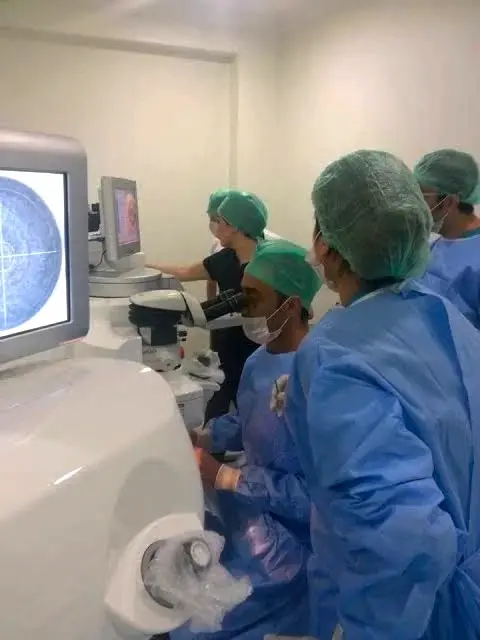
At MyLumineyes Clinic in Istanbul, every surgical pathway is led directly by an experienced ophthalmologist. For patients inquiring about our pioneering laser eye color change protocol, eligibility is never determined through photographs alone. A rigorous pre-operative ophthalmic examination—including endothelial cell specular microscopy, open-angle gonioscopy, and anterior segment OCT—is mandatory to confirm that the patient's intraocular physiology is safe for selective laser depigmentation.
Frequently Asked Questions: Choosing an Eye Doctor
What is the main difference between an ophthalmologist and an optometrist?
An ophthalmologist is a licensed medical doctor (MD) who performs eye surgeries, treats complex intraocular diseases, and manages medical ocular conditions. An optometrist (OD) focuses on primary vision examinations, prescribing glasses, and fitting contact lenses, referring surgical cases to an ophthalmologist.
Can an optometrist diagnose eye diseases?
Yes. Optometrists are trained to detect many common eye conditions, such as early cataracts, glaucoma, and dry eye syndrome. However, if surgical intervention, laser therapy, or advanced intraocular treatment is required, they will refer you to an ophthalmologist.
How do I know if I need an eye doctor immediately?
You need an immediate ophthalmic evaluation if you experience sudden, painless or painful vision loss, a sudden shower of dark floaters accompanied by flashes of light, a dark shadow over your peripheral vision, or severe eye pain following trauma or contact lens wear.
How much does a comprehensive eye exam cost?
Costs vary depending on whether the visit is a basic refractive screening or a comprehensive medical eye exam involving pupillary dilation, retinal imaging, and corneal topography. Specialized medical evaluations with an eye surgeon typically carry a higher fee than routine spectacle refractions.
Medical Disclaimer: This guide is authored by Dr. Mustafa Mete for educational purposes. It does not establish a physician-patient relationship. If you are experiencing sudden ocular symptoms or acute visual decline, seek immediate care at an emergency ophthalmic facility.