Black Eye Color: The Genetic Truth & How to Lighten Dark Eyes

Is pure black eye color a medical reality or an optical illusion? While many people around the world possess irises so intensely dark they appear pitch-black, the biological truth behind this deep pigmentation is fascinating. However, in modern aesthetic ophthalmology, the most frequent question we receive is not just about genetics: Can these ultra-dark irises be safely lightened? Thanks to advanced clinical breakthroughs like the Mylumineyes 8G Xtra protocol, transforming black-appearing eyes into lighter natural shades is now a medical reality.
 

The Science Behind Black Eye Color & Laser Depigmentation

A clinical overview of why some eyes appear extremely dark and how modern laser depigmentation can safely reduce melanin density over time.
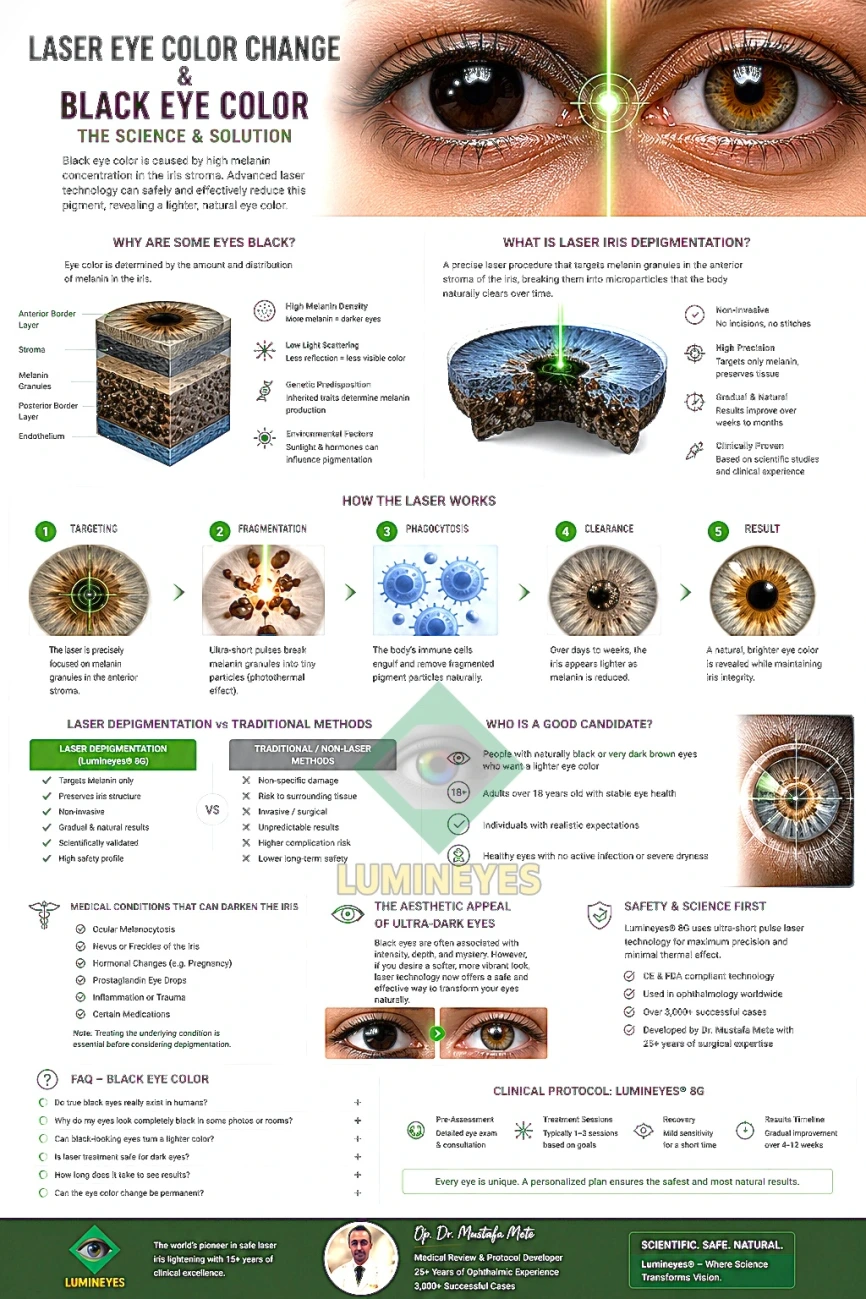
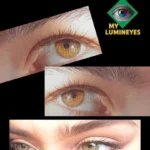
Laser eye color change process for dark eyes showing melanin reduction and gradual color transformation
Clinical overview of black eye appearance and the biological process of laser iris depigmentation.


                                                                                                                                       “This visual summarizes biological mechanisms and does not represent a single-session result.”

Can You Safely Lighten Black or Very Dark Brown Eyes?

Historically, people with extremely dark eyes had no safe method to lighten them. Cosmetic lenses look artificial, and invasive artificial iris implants carry severe risks like glaucoma.

Today, the laser eye color change procedure offers a non-invasive, selective to only iris melanin layer, anatomy-preserving solution.

  • How it works: The Lumineyes® laser uses a specific, low-fluence wavelength to gently target and reduce excess melanin in the iris stroma.

  • The Result: As the dense pigment clears through natural phagocytosis, naturally dark brown or “black” eyes gradually reveal lighter underlying shades, such as hazel, green, or grey.

If you are curious about exploring safe, medical lightening options for dark eyes, visit our main Laser Eye Color Change guide.

Are True Black Eyes Scientifically Possible?

In strict medical and genetic terms, the human iris does not produce “pure black” pigment. What looks like a black eye is actually an extremely dark shade of brown. This occurs when the iris is filled with a maximum concentration of melanin, which absorbs almost all incoming light. Under bright illumination or a clinical slit lamp, even the darkest irises reveal deep chestnut or brown tones.

Why Do Some Eyes Look Completely Black?

There are three main anatomical reasons why an eye might appear pitch-black:

  1. High Melanin Density: More melanin equals a darker brown, closely approaching black.

  2. Low Iris Pattern Visibility: Few visible fibers or crypts make the iris surface appear smoother and darker.

  3. Lighting Conditions: Low light, shadows, or naturally large pupils can make dark eyes look like a solid black void.
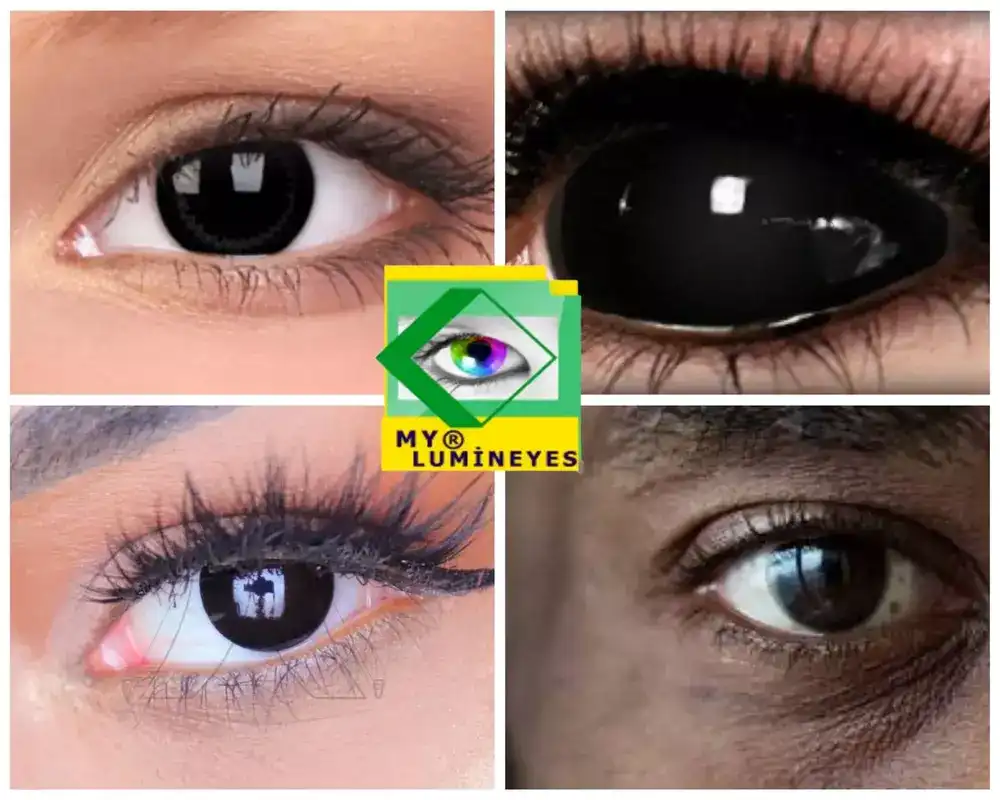
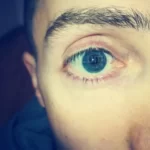
black eye colors and dark brown colored eyes                                                                                                                                                                         black eye colors and dark brown colored eyes


Medical Conditions That Can Darken the Iris

In rare cases, specific medical conditions or treatments can make eyes appear darker than their natural baseline:

  • Ocular Melanocytosis: Increased pigment cells in and around the eye.

  • Nevus or Freckles of the Iris: Localized, concentrated pigment spots.

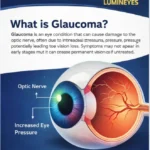
  • Prostaglandin Eye Drops: Medications used for glaucoma can significantly and permanently darken brown irises.

Note: Any sudden, asymmetric darkening of one eye should be evaluated by an expert eye surgeon like Op. Dr. Mustafa Mete to rule out underlying structural changes.

The Aesthetic Appeal of Ultra-Dark Eyes

Many people consider ultra-dark eyes striking because they provide a sharp contrast with the white of the eye (sclera). This creates an intense, warm, and expressive appearance. In many cultures, very dark eyes are associated with trustworthiness, depth, and natural beauty.

However, for those who desire a change, it is crucial to avoid risky cosmetic surgeries and choose clinically validated laser iris depigmentation.

Conclusion

While pure black eye color does not exist genetically, very dark brown eyes are a common and beautiful trait resulting from high melanin concentration. If you have “black” eyes and are interested in safely revealing the lighter tones beneath the stroma, modern permanent eye color change technology offers a predictable, safe, and natural-looking solution.

FAQ–Black Eye Color

In scientific terms, the human iris does not produce pure black pigment. What looks like a black eye is actually a very dark form of brown, with so much melanin that almost all the incoming light is absorbed. Under strong daylight or at the slit lamp in an eye clinic, even “black” eyes usually reveal dark brown or chestnut tones.

In low light or shadow, the pupil becomes larger and covers more of the iris, so the colored part seems smaller and darker. At the same time, camera sensors and phone flashes often darken already brown eyes. This combination makes very dark brown eyes appear jet black even if, in reality, they are just highly pigmented brown.

Dark brown eyes are very common globally, especially in African, Middle Eastern, Mediterranean, South Asian and Latin American populations. However, eyes that still look almost black even under bright light are less common. These ultra-dark eyes attract attention because they create a strong contrast with the white of the eye and can look very intense.

A slow, symmetrical darkening of both irises over many years is usually just a normal pigment change. But if one eye suddenly becomes darker, if you notice new dark spots, or if the color change is combined with pain, redness, blurred vision or light sensitivity, you should see an eye doctor. Certain conditions, medications or pigment changes inside the eye may need medical evaluation.

Very dark brown eyes are not dangerous by themselves and are a normal genetic variation. In fact, higher melanin levels provide more natural protection against ultraviolet light. People with very light eyes tend to be more sensitive to bright sunlight. What really matters for eye health is regular check-ups, UV protection and avoiding harmful procedures or unapproved products.

The natural pigment of very dark eyes cannot be safely changed with home methods, foods, herbs or internet recipes. Some medical approaches aim to reduce excess melanin under controlled conditions, but they are not suitable for everyone and always require a detailed eye examination, clear risk discussion and realistic counseling about the final color. The priority should always be preserving eye health and vision, not simply chasing a fashionable color.

Facebook
Twitter
LinkedIn
WhatsApp

Medical Review and Fact-Checking All medical content on this site is verified by Dr Mustafa Mete an expert eye surgeon with 25 years of experience and 3000 successful laser eye color change cases Dr Mete is the pioneer of the MyLumineyes technique specializing in safe laser iris depigmentation with 15 years of clinical safety data and long term outcome analysis

black eye colors and dark brown colored eyes
Dr. Mustafa Mete - Inventor of MyLumineyes Laser Eye Color Change

Medical Review & Fact-Checking

All medical content on this site is verified by Dr. Mustafa Mete, an expert eye surgeon with 25 years of experience and 3,000+ successful laser eye color change cases.

As the pioneer of the patent-pending Lumineyes® technique, Dr. Mete specializes in safe laser iris depigmentation or laser eye color change. His protocol is validated by 15 years of clinical expertise and 8 years of long-term safety data, providing a non-invasive, anatomy-preserving alternative to iris implants and corneal tattooing (keratopigmentation).

✓ Verified Original Inventor | ✓ Long-term Outcome Analysis | ✓ Patented Technology
error: WARNING: PATENT-PENDING TECHNOLOGY & COPYRIGHT
Lumineyes Lumineyes Assistant ×
Structured clinical guidance • No automated free-text answers
Start Here
Ask a question or choose a topic above.
This assistant gives short, structured answers and sends visitors to the most relevant Lumineyes page.