Iris Stroma
The iris stroma is the front, vascular and fibrous layer of the iris. It contains connective tissue, blood vessels, nerves and the pigment cells that shape visible eye color. The structure and density of the stroma influence how much light the iris absorbs or reflects.
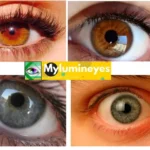
Eye color is mainly determined by melanin concentration within stromal melanocytes. When the stroma contains higher melanin levels, the eyes appear brown. With less melanin, the scattering of light creates blue, gray or green tones.

What Is the Function of the Iris Stroma?
The stroma provides structural support for the iris and acts as the host layer for blood vessels and nerves. It also contains immune-related cells that protect the eye from inflammatory and external threats. The distribution of its collagen fibers directly affects how light interacts with the iris.
In addition, the stroma anchors the sphincter and dilator muscles responsible for controlling pupil size. These muscles help regulate the amount of light entering the eye.
How Does the Stroma Influence Eye Color?
The color of the eyes is not determined by a pigment in the front of the stroma. Instead, color results from a combination of melanin density and the way light scatters through the stromal fibers. This is known as structural coloration.
• Higher melanin → darker eyes
• Moderate melanin → green or hazel tones
• Low melanin → blue or gray coloration
The arrangement of collagen fibrils also plays a role in light reflection, contributing to subtle variations in eye color.
Are Changes in the Iris Stroma Possible?
Genetic factors determine the stromal pigment load. Once developed in early childhood, stromal melanin remains stable throughout life. Conditions such as inflammation, trauma or certain medications may affect eye appearance, but these changes are not due to alterations in normal stromal structure.
Scientific information on the genes that regulate iris pigmentation can be found here: MedlinePlus Genetics.
Can the Stroma Be Safely Modified?
No topical or nutritional method can modify stromal melanin. Procedures claiming to alter iris structure without medical supervision are unsafe. Any method interacting with pigment must be clinically controlled and based on real ocular physiology.
For educational purposes, information on medically supervised melanin targeting is provided here: Laser Eye Color Change.

Conclusion
The iris stroma is a complex layer responsible for eye color appearance, vascular supply and pupil control. Its structure and pigment content define the unique color patterns seen in different individuals. While eye color is influenced by genetics and stromal melanin, the stroma itself remains stable once fully developed.