Prosthetic Eye Surgery: Ocular Prosthesis Guide
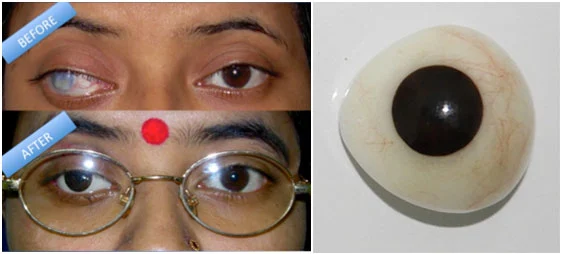
A prosthetic eye, also called an ocular prosthesis, is a custom-made artificial eye designed to restore facial appearance after the loss or removal of an eye. Although a prosthetic eye does not restore vision, it can provide an excellent cosmetic result and significantly improve confidence and quality of life.
Modern ocular prostheses are individually handcrafted to match the patient’s healthy eye in color, size, iris pattern, and overall appearance.
Who May Need a Prosthetic Eye?
A prosthetic eye may be recommended for patients who have lost an eye because of:
- Severe eye trauma
- Painful blind eye
- Eye tumors
- Congenital eye abnormalities
- Severe infection
- Irreparable structural damage
In carefully selected cases, cosmetic alternatives such as custom contact lenses or scleral shells may improve the appearance of a blind eye without surgical removal.
Surgical Procedures
Several surgical techniques are available depending on the underlying condition and the amount of healthy tissue remaining.
Evisceration
Evisceration removes the internal contents of the eye while preserving the sclera and extraocular muscles. An orbital implant is then placed to restore orbital volume and improve prosthetic movement.
Enucleation
Enucleation involves removing the entire eyeball while preserving the surrounding orbital tissues. This procedure is commonly performed for certain tumors, severe trauma, or eyes that cannot be safely preserved.
Exenteration
Exenteration is a more extensive procedure reserved for advanced orbital tumors or severe disease involving tissues surrounding the eye.
Orbital Implant and Prosthesis
Immediately after surgery, an orbital implant is usually placed within the eye socket to restore natural volume. Following healing, a custom-made ocular prosthesis is fabricated and fitted by an ocularist.
The final prosthesis is individually painted to closely resemble the remaining natural eye.
Recovery After Surgery
Following surgery, patients commonly experience temporary swelling, bruising, and mild discomfort. A protective conformer is typically placed in the socket until healing is complete.
Most patients receive their permanent custom prosthetic eye approximately four to six weeks after surgery, depending on individual healing.
Can a Prosthetic Eye Move?
Modern prosthetic eyes usually move together with the healthy eye to some degree. The amount of movement depends on the surgical technique, orbital implant, muscle attachment, and prosthesis design. Although movement is not identical to a natural eye, cosmetic outcomes are often highly satisfactory.
Living With a Prosthetic Eye
Most patients adapt quickly after receiving a custom prosthesis. Periodic cleaning, professional polishing, and routine follow-up visits help maintain comfort, appearance, and long-term socket health.
Can Cosmetic Contact Lenses Be an Alternative?
When the eye is structurally intact but has poor vision or an abnormal appearance, custom cosmetic contact lenses or scleral shell prostheses may provide an excellent alternative without removing the eye. Treatment selection depends on the health of the eye and should always follow a comprehensive ophthalmic examination.
Comprehensive Ophthalmic Evaluation
Every patient considering ocular prosthetic treatment should undergo a detailed examination by an ophthalmologist to determine whether eye preservation, reconstructive surgery, or prosthetic rehabilitation is the most appropriate option.