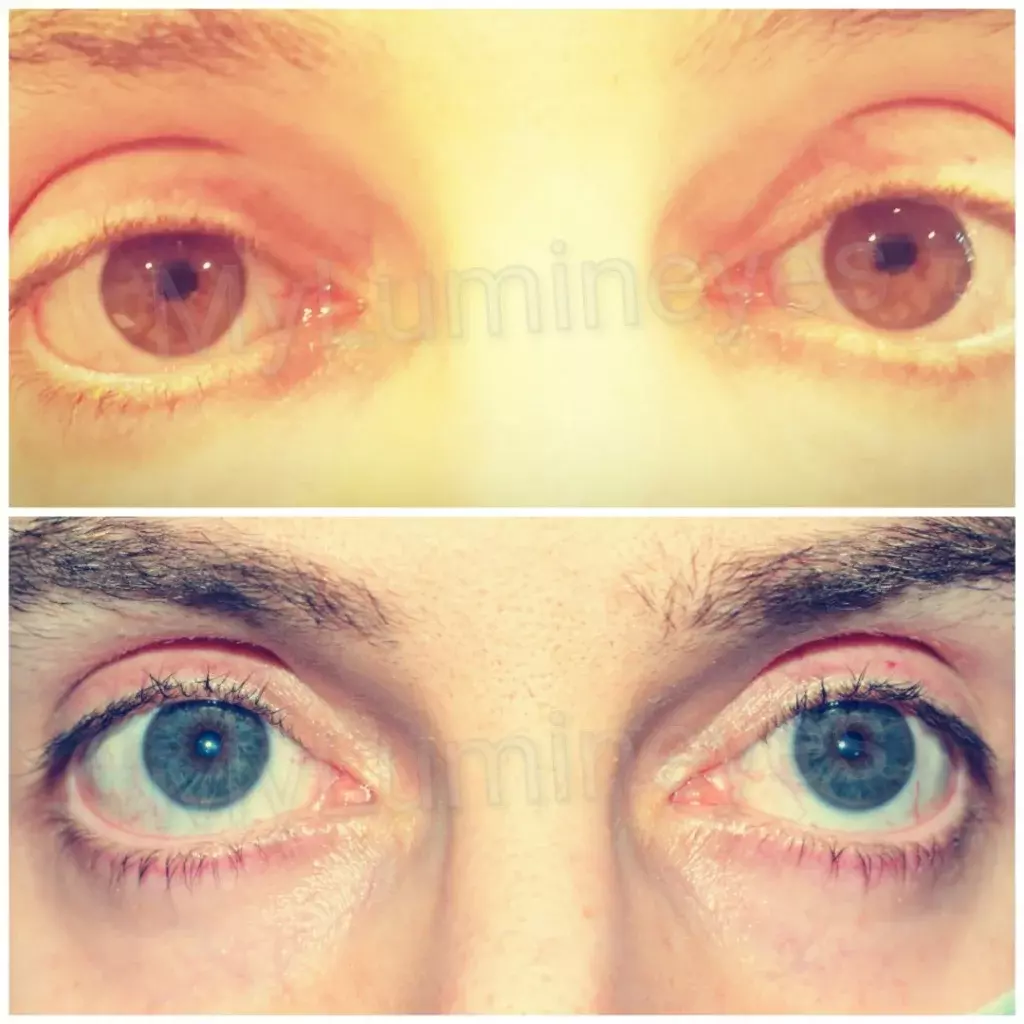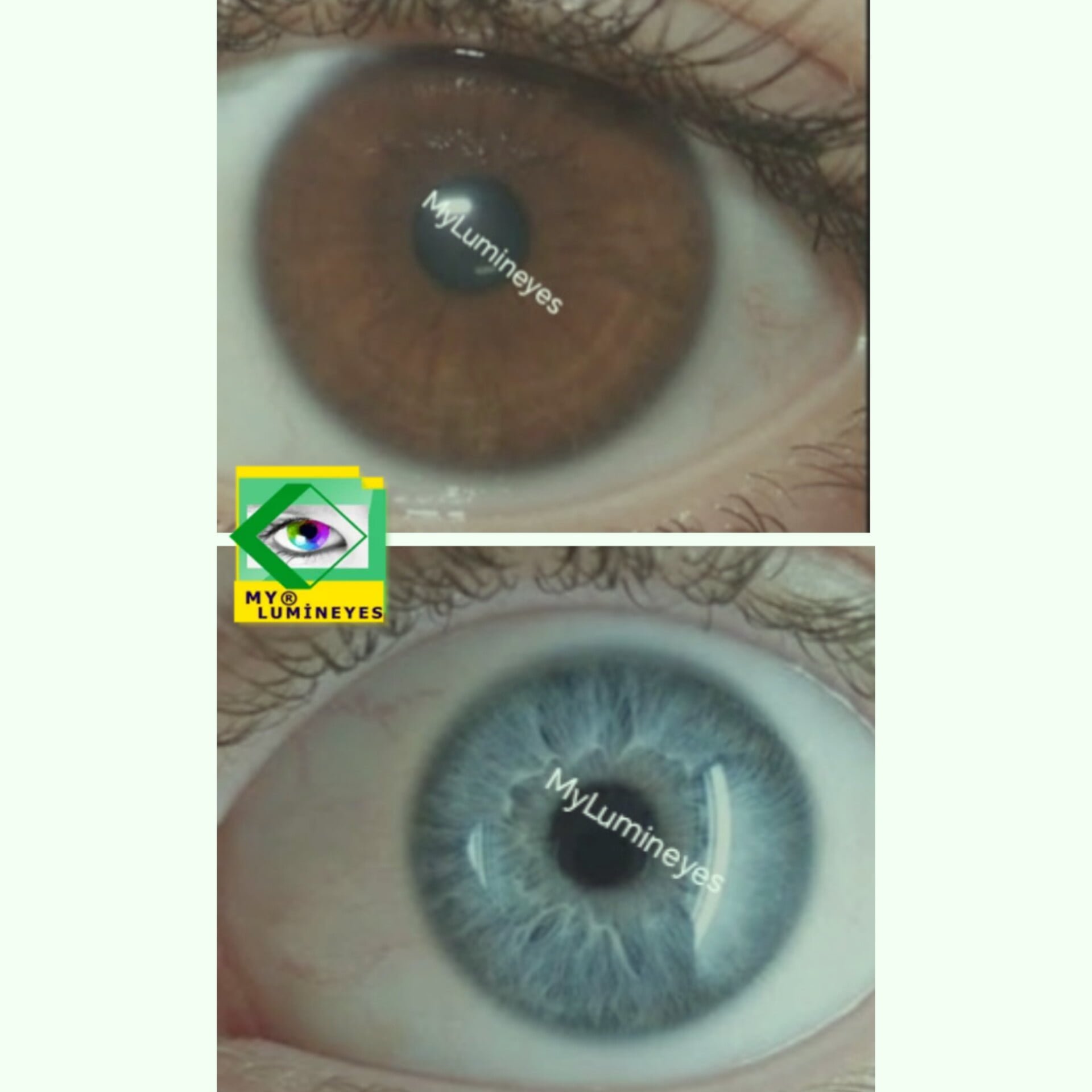
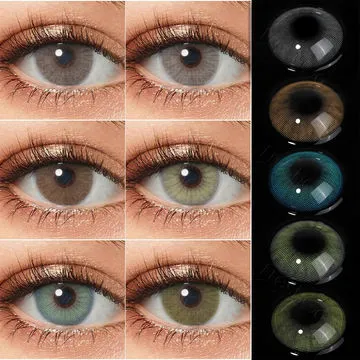
Per cambiare il colore degli occhi, utilizzando lenti a contatto colorate
Alcuni vengono indossati per un giorno, altri per un anno, ma si consiglia di usarli per non più di tre mesi, poiché la maggior parte delle persone prova un notevole disagio agli occhi, anche se questo varia da marca a marca. Pertanto, trascorso questo periodo, è meglio scartarli e non riutilizzarli. Vuoi far brillare di più i tuoi occhi? Simile alla sperimentazione di una nuova pettinatura, le lenti a contatto colorate possono trasformare drasticamente il tuo aspetto. Sebbene sia diverso dai capelli, può essere rimosso quando lo si desidera. Se i tuoi occhi sono il tuo accento distintivo, non hai bisogno di molti gioielli o cosmetici! Se ritieni che sia il modo migliore e più sicuro per cambia il colore degli occhi è lenti a contatto colorate, ti sbagli. Indubbiamente, il modo migliore per cambiare il colore degli occhi in modo naturale e sano oggi è “lumineyes” per chirurgia laser per il cambiamento del colore degli occhi.
Le lenti a contatto colorate sono sicure? esame delle lenti a contatto colorate?
La salute e la sicurezza dei tuoi occhi sono essenziali. relative a lenti a contatto colorate . Come con il contatto regolare, dovresti salvaguardare i tuoi occhi usando pratiche sicure. Finché prendi un’adeguata cura delle lenti e segui i consigli del tuo oculista, le lenti a contatto colorate sono sicure da indossare. Consulta il tuo optometrista per determinare se le lenti a contatto colorate sono adatte a te.

Devo avere una prescrizione per lenti a contatto colorate?
I professionisti della cura degli occhi sostengono di ottenere una prescrizione per lenti a contatto colorate. Anche se hai una buona vista e vuoi semplicemente aggiungere colore ai tuoi occhi, è fondamentale rendersi conto che si tratta di un’attrezzatura medica. Tuttavia, passa direttamente sulla cornea, che richiede ossigeno. Quando si indossa una lente a contatto sulla cornea, l’apporto di ossigeno è limitato. La prescrizione delle lenti a contatto indica non solo il potere correttivo della lente, ma anche la dimensione, la marca e il materiale ottimali delle lenti a contatto per il tuo occhio. Mentre la maggior parte delle persone associa la “prescrizione” agli occhiali, il tuo contatto prescrizione di lenti mostra anche che le tue lenti si adattano correttamente e non rappresentano un rischio per i tuoi occhi.
Come funzionano le lenti colorate per Cambia il colore degli occhi ?
Il campo trasparente al centro delle lenti a contatto colorate è correttamente allineato con le tue allievo. Questo è ciò che consente la trasmissione della luce e la visibilità. Durante l’utilizzo di lenti a contatto colorate, la pupilla rimarrà centrata all’interno dell’apertura della lente. In caso contrario, la tua vista potrebbe essere compromessa, in particolare di notte quando la pupilla si dilata e si estende nella parte colorata della lente.
Come si utilizzano le lenti a contatto colorate per cambiare il colore degli occhi?
Prima di maneggiare le lenti a contatto per cambiando il colore degli occhi temporaneamente, lavati le mani. Frequentemente, le lenti a contatto cosmetiche vengono utilizzate con altri articoli di bellezza, come i cosmetici, quindi dovrebbero essere inserite prima del trucco e rimosse dopo. Le lenti a contatto sono ora superiori agli occhiali e agli occhiali cerchiati. Ci forniscono un mezzo di vedere notevolmente più autonomo e illimitato senza danneggiare la nostra vista, ma richiedono cure specifiche.
1.Prima di tutto, la pulizia
Maneggiare le lenti a contatto con mani pulite e disinfettate non equivale a maneggiarle con mani contenenti germi e batteri. Tieni presente che tutti questi germi possono compromettere la tua vista se le tue lenti a contatto contaminate entrano in contatto con i tuoi occhi. Dopo aver lavato accuratamente le mani con un sapone neutro e averle lasciate asciugare, inserire le lenti a contatto.
2.Taglia le unghie
La maggior parte delle lenti a contatto, in particolare quelle morbide, sono composte da una sostanza gelatinosa come la plastica. Pertanto, se hai le unghie lunghe quando le rimuovi e le attacchi, potresti danneggiare i tuoi occhi o addirittura attraversarle. Semplici consigli per la cura delle lenti a contatto: tieni sempre le unghie corte ed evita questi incidenti.
3.Utilizzare un detergente.
La maggior parte degli oftalmologi consiglierà il fluido ottimale per la pulizia e la cura delle lenti. Utilizzare il liquido per la pulizia strofinandolo con le dita e lavandolo con la soluzione prima di applicarlo. Questo metodo di lavaggio e risciacquo è uno dei metodi più efficaci per pulire le lenti a contatto.
4.Mantieni sempre pulita la custodia dell’obiettivo.
Coloro che portano le lenti a contatto vorranno una borsa specifica per la conservazione durante la notte, ma la pulizia di questa borsa è vitale quanto quella delle tue mani. Almeno una volta alla settimana, lavalo con acqua calda, lascialo asciugare ed evita di usare il sapone.
5.Evita di dormire con l’obiettivo.
Questo è uno dei regolamenti che la maggior parte dei portatori di lenti a contatto viola. Oltre a seccarsi, le lenti potrebbero danneggiarsi o causare problemi di vista durante il sonno. Toglili prima di andare a letto e riapplicali al mattino. Aumenterai la loro longevità.
6.Ridurre al minimo l’esposizione all’acqua.
Ciò implica che dovresti evitare di entrare in piscine, oceani e fiumi quando usi le lenti a contatto. Anche in aree come le vasche idromassaggio, non è consigliabile utilizzare le lenti a contatto.
7.Evita di risciacquare le lenti a contatto con la saliva.
La saliva non è un fluido sterile e la tua bocca contiene milioni di microrganismi. Se raggiunge le lenti a contatto, può creare gravi problemi di salute e rovinarli.
8.Non dimenticare gli occhiali
Se hai intenzione di conservare le lenti nelle loro custodie per un lungo periodo di tempo, è meglio farlo in una scatola sterile con una soluzione detergente, poiché il liquido tende ad evaporare e diventare inerte. Ciò si verifica con le lenti. Le infezioni, come batteri, funghi e germi, possono attaccarsi alle lenti a contatto, causando dolore, irritazione e persino gravi danni. Questo è un fatto di cui molte persone non sono a conoscenza. Se non vuoi provare questo, un consiglio è che se desideri smettere di usare occhiali o lenti a contatto, dovresti sottoporti a un intervento chirurgico laser in una clinica oftalmologica competente per evitare futuri disagi e rischi associati a questo tipo.
Quali sono gli svantaggi dell’utilizzo delle lenti a contatto per Cambiare Colore degli occhi?
Sappiamo che la grande maggioranza dei portatori di lenti a contatto lo fa perché non gli piace l’aspetto degli occhiali e ha problemi con i cosmetici. Ciò fa sì che la maggior parte dei pazienti usi o abusi delle lenti a contatto, quindi gli aspetti negativi delle lenti a contatto includono:
- Per non entrare in piscina o nell’oceano con loro.
- Richiedono modifiche regolari.
- Sono più suscettibili di essere danneggiati in caso di incidente.
- Sono particolarmente suscettibili alla contaminazione se la manutenzione è inadeguata.
- È piuttosto spiacevole quando polvere o sabbia entrano negli occhi.
- In genere, le lenti a contatto inducono allergie e secchezza oculare.
- Si perdono facilmente.
Quali malattie potrebbero causare le lenti a contatto colorate?
-Cheratite: come ben sapete, l’uso delle lenti a contatto è estremamente cauto, pertanto in rari casi (frequenti sfregamenti) può verificarsi una cheratite, una condizione in cui la cornea si infiamma a causa di una manutenzione impropria delle lenti. – Visione alterata. -Continuo arrossamento degli occhi – Problemi agli occhi. – Secrezione oculare o lacrime eccessive. -Una sensazione di spazzatura negli occhi. -Ulcere corneali: per lo più causate da infezioni da virus, batteri o funghi; causato dalle lenti a contatto.
Questi possono verificarsi, soprattutto se le lenti a contatto vengono utilizzate durante il sonno, più a lungo di quanto raccomandato ogni giorno o se non vengono pulite correttamente. Pertanto, tra i possibili sintomi ci sono:
-Arrossamento. -Dolore. -Macchia bianca sulla cornea – Visione alterata. -Prurito. – Reattività alla luce. -gli occhi rossi sono una risposta infiammatoria della cornea indotta dall’uso delle lenti a contatto durante il sonno. -CPLC (congiuntivite papillare): si tratta di piccoli rigonfiamenti nel tessuto palpebrale superiore dove si verificano secrezione, irritazione e ridotta tolleranza alle lenti a contatto.
Cosa succede se indosso le mie lenti a contatto colorate ogni giorno?
Secondo gli esperti sul campo, l’uso eccessivo delle lenti a contatto può essere dannoso per gli occhi, quindi è improprio indossare lenti a contatto ogni giorno. Si ritiene che venga assunto per un massimo di otto-dieci ore al giorno. Per questo motivo, è imperativo riconoscere l’importanza della salute degli occhi e mantenerli nella migliore forma possibile.