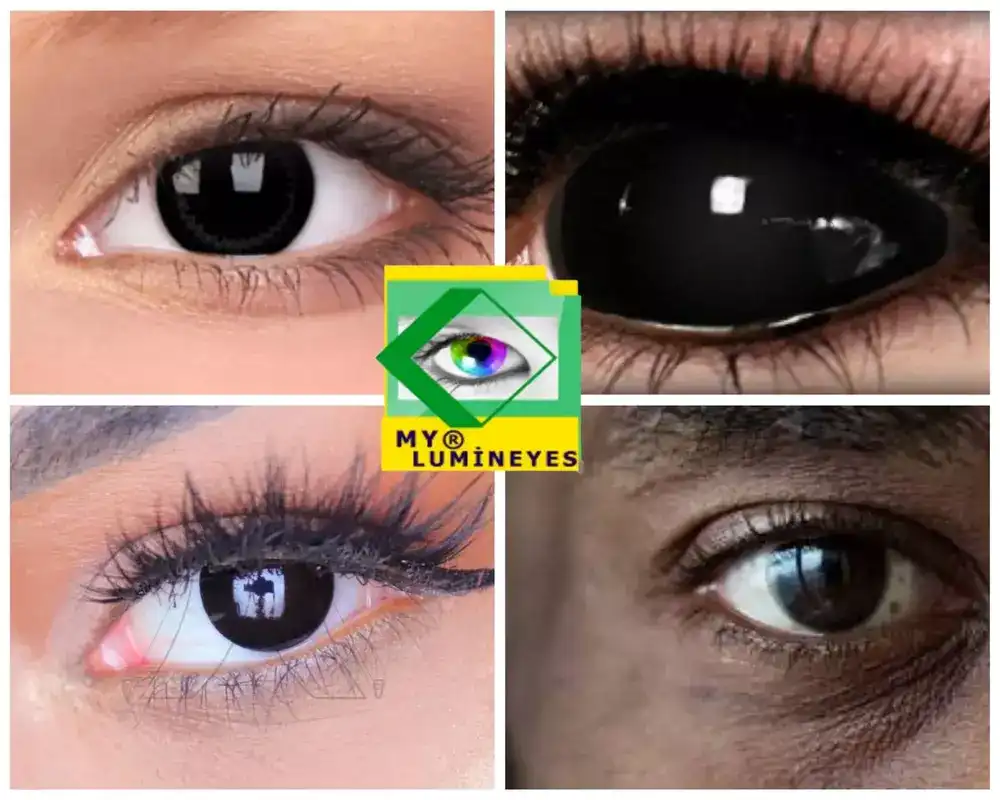
Colore degli occhi neri nelle persone
Hai mai visto qualcuno con gli occhi che sembrano neri come la notte? Nonostante sembrino neri a causa di un eccesso di melanina, in realtà sono solo un marrone molto scuro. Fissando l’occhio con una luce forte, potresti riuscire a distinguere solo la pupilla dall’iride! Sebbene alcuni individui possano sembrare avere iridi nere, in realtà non esistono. Gli individui con colore degli occhi neri invece hanno occhi castano estremamente scuri praticamente distinguibili dalla pupilla. In effetti, gli occhi marroni sono anche il colore degli occhi più diffuso nei neonati appena nati. Contrariamente alla percezione comune, il vero colore degli occhi neri non esiste. Alcune persone con molta melanina negli occhi potrebbero sembrare avere gli occhi neri, a seconda delle condizioni di illuminazione. Tuttavia, non si tratta di occhi assolutamente neri, ma di un marrone molto scuro.
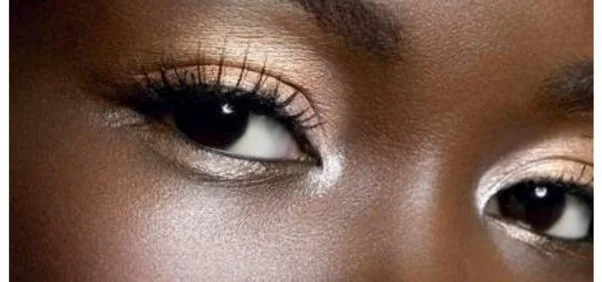
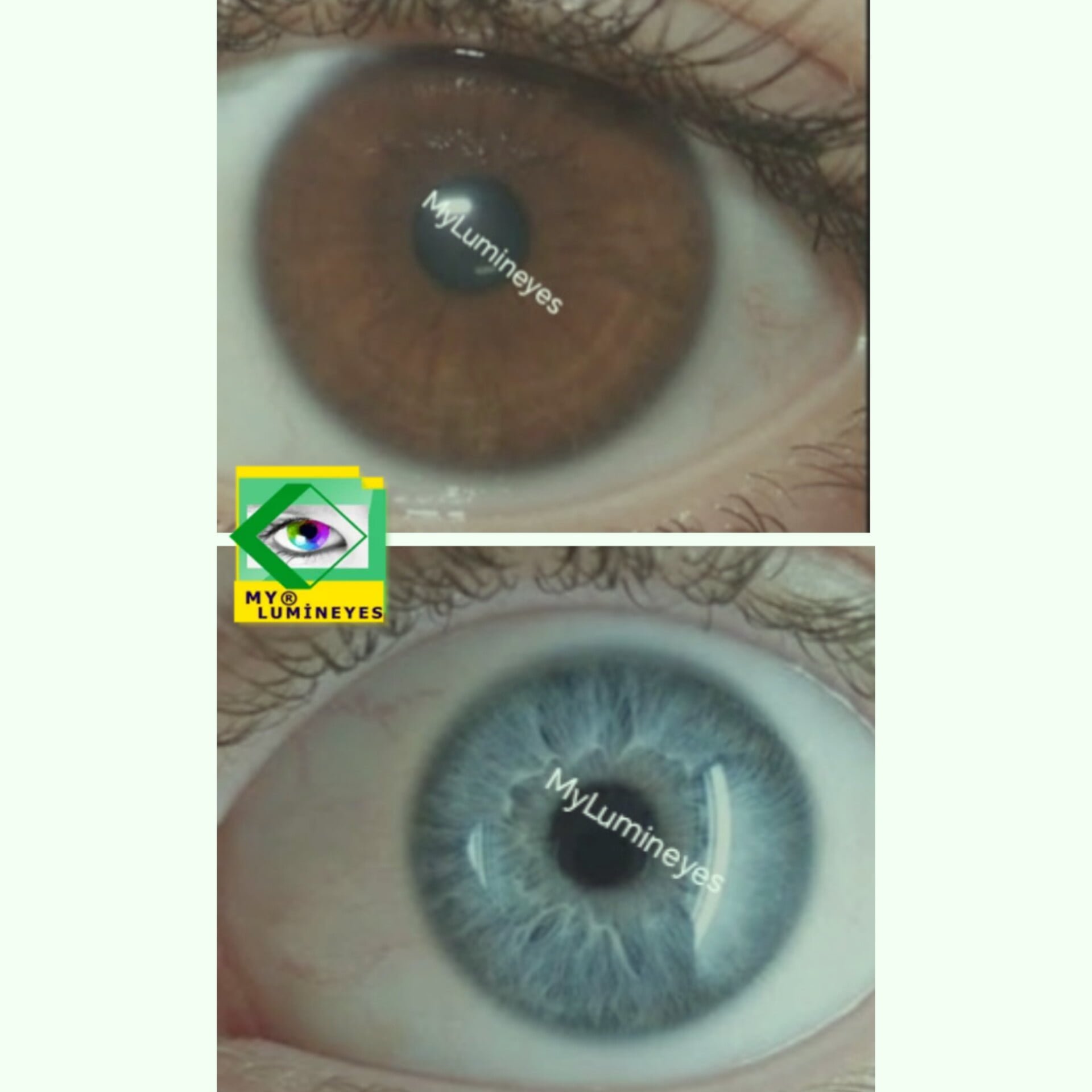
Gli occhi marrone scuro (colore degli occhi neri) contengono più melanina, il pigmento che determina il colore degli occhi.
Il colore è più scuro quanto più melanina c’è. Dal 60 al 76 percento della popolazione mondiale ha gli occhi castani! Gli individui con occhi marrone scuro hanno più melanina sullo strato posteriore dell’iride, mentre gli occhi con pochissima (o nessuna) melanina sullo strato anteriore dell’iride sembrano più blu, verdi o addirittura nocciola. Il colore dei tuoi occhi potrebbe essere marrone, blu, verde, grigio, nocciola o nero (marrone scuro) Di che colore sono i tuoi occhi? Il colore degli occhi non influisce solo sul tuo aspetto; rivela anche informazioni sulla quantità di melanina nella tua iride, sulla tua eredità e forse anche sulla tua salute.
La melanina, che scurisce i colori degli occhi, è il vero pigmento che fornisce il colore degli occhi. Il marrone è il colore degli occhi più frequente a causa dei gruppi genici che portano l’occhio ad avere più melanina. Gli occhi azzurri hanno meno melanina, mentre gli occhi marroni ne hanno di più. Quelli con il colore degli occhi marroni sembrano essere maggiormente a rischio di contrarre la cataratta.
Cosa provoca il colore degli occhi neri e altri colori?
- Colore degli occhi neri-Occhi di colore nero Un eccesso di pigmentazione
- Colore degli occhi rosso/rosa Albinismo e sangue che scorre nell’iride
- Colore occhi ambra Poca quantità di melanina e molto lipocromo
- Occhi verdi Un po’ di melanina, molto lipocromo e diffusione della luce di Rayleigh
- Occhi viola Assenza di pigmento unita alla luce riflessa dai vasi sanguigni rossi
- Malattia da eterocromia Pigmentazione dell’iride maggiore o minore

Contrariamente alla credenza popolare, gli esseri umani non hanno la colorazione viola o nera degli occhi per natura.
Gli occhi di colore viola sono generalmente blu, mentre gli occhi di colore nero sono in realtà marrone scuro. La causa più frequente di un occhio nero è un colpo alla regione che provoca danni, ad esempio dopo un incidente, un attacco, un contatto durante l’attività sportiva o semplicemente camminando contro qualcosa. Per sembrare davvero neri, gli oggetti che sono neri assorbono più luce. Converte la luce e l’energia in eccesso che riceve in energia termica. Potrebbe indicare che se i nostri geni ci hanno in qualche modo permesso di sviluppare dei veri occhi neri, i nostri occhi potrebbero aver bisogno di gocce di lacrime per evitare che brucino e si secchino.
I colori degli occhi più rari, come si dividono le percentuali del colore degli occhi in tutta la popolazione e in che modo vari problemi di salute potrebbero influire sul colore dei tuoi occhi. Gli occhi di colore nero sono causati da lividi intorno all’occhio piuttosto che all’interno dell’occhio. Questo livido è causato da vasi sanguigni danneggiati sotto la pelle. La causa più frequente di un occhio nero è un colpo all’occhio, al naso o alla testa, tuttavia anche le operazioni chirurgiche vicino all’occhio o al naso possono provocare un occhio nero.
Qual è il colore degli occhi più raro?
Questa è una di quelle domande che sembra avere una soluzione semplice ma non ce l’ha. In effetti, c’è un significativo disaccordo su quale sia il colore degli occhi più raro. Ciò è in parte dovuto al fatto che “raro” stesso può essere una frase relativa perché un colore degli occhi potrebbe essere incredibilmente raro in una data sezione del globo e abbastanza comune in un’altra. Stranamente, gli occhi marrone scuro e gli occhi neri sono più frequenti nel sud-est asiatico, nell’Asia orientale e in Africa. L’Asia occidentale, l’Europa e le Americhe sono dove occhio marrone chiaro il colore è più comune.
Il nero è il colore degli occhi più raro?
Il marrone è il colore degli occhi più comune, che va dal cioccolato fondente al castano più chiaro. Occasionalmente possono sembrare neri perché si fondono con la pupilla dell’occhio; tuttavia, questa è un’illusione poiché le iridi nere non esistono. Il colore dei nostri occhi continua a crescere e ad alterarsi fino a quando abbiamo circa 3 anni. Gli occhi umani, tuttavia, non possono essere veramente di colore nero. A seconda dell’illuminazione, alcune persone con molta melanina negli occhi possono sembrare avere gli occhi neri. Questo è un marrone estremamente scuro, non un vero nero.
Mentre alcuni sostengono che gli occhi cremisi, viola e grigi abbiano superato il verde come colore degli occhi più raro al mondo, altri non sono d’accordo. Gli individui bianchi raramente hanno occhi neri (marrone scuro). Predominano tra le persone di origine ispanica, asiatica e africana, proprio come la colorazione degli occhi blu e verde è rara in quei gruppi. Nessuno ha gli occhi neri, tuttavia il colore degli occhi marrone scuro è più dominante del colore degli occhi blu. Contrariamente alla percezione comune, i veri occhi neri non esistono. A seconda dell’illuminazione, alcune persone con molta melanina negli occhi possono sembrare avere gli occhi neri. Tuttavia, questo non è vero nero, ma piuttosto un marrone estremamente scuro.
Il marrone è il colore degli occhi più frequente. Il blu è il secondo colore degli occhi più popolare al mondo
Gli occhi verdi sono più frequenti nell’Europa settentrionale e centrale, sebbene possano essere trovati anche nell’Europa meridionale e occidentale. Come detto in precedenza, i capelli e gli occhi castani sono prevalenti nella maggior parte dei luoghi, tuttavia ci sono alcune nazioni in cui il colore degli occhi verdi o blu è più frequente del marrone. Gli occhi color ambra sono incredibilmente rari, forse anche di più degli occhi verdi. La maggior parte delle persone ha visto solo poche persone dagli occhi color ambra nella loro vita. Il colore degli occhi più raro è tipicamente verde. Gli occhi nocciola sono disponibili in una varietà di colori, ma la maggior parte ha una tinta giallo-brunastra con macchie dorate, verdi e marroni intorno al centro. Gli occhi nocciola hanno la stessa quantità di melanina degli occhi castani. Gli gli occhi nocciola sono una miscela di marrone e verde, spesso con macchie o granelli di ogni colore.
Il grigio è il colore degli occhi più raro o più raro
Meno dell’1% delle persone ha occhi grigi, che sono considerati molto insoliti. Eppure, secondo recenti classificazioni, il grigio potrebbe essere un colore ancora meno diffuso. Un altro il colore degli occhi è grigio. A prima vista, gli occhi grigi vengono comunemente scambiati per occhi azzurri, tuttavia, a differenza degli occhi azzurri, gli occhi grigi presentano tipicamente macchie dorate e marroni nell’iride. Specialmente dopo “l’lumineyes intervento di cambio di colore degli occhi con il laser” che otteniamo i colori degli occhi grigi sono il colore degli occhi più raro tutto il mondo.
Colore degli occhi Cambia
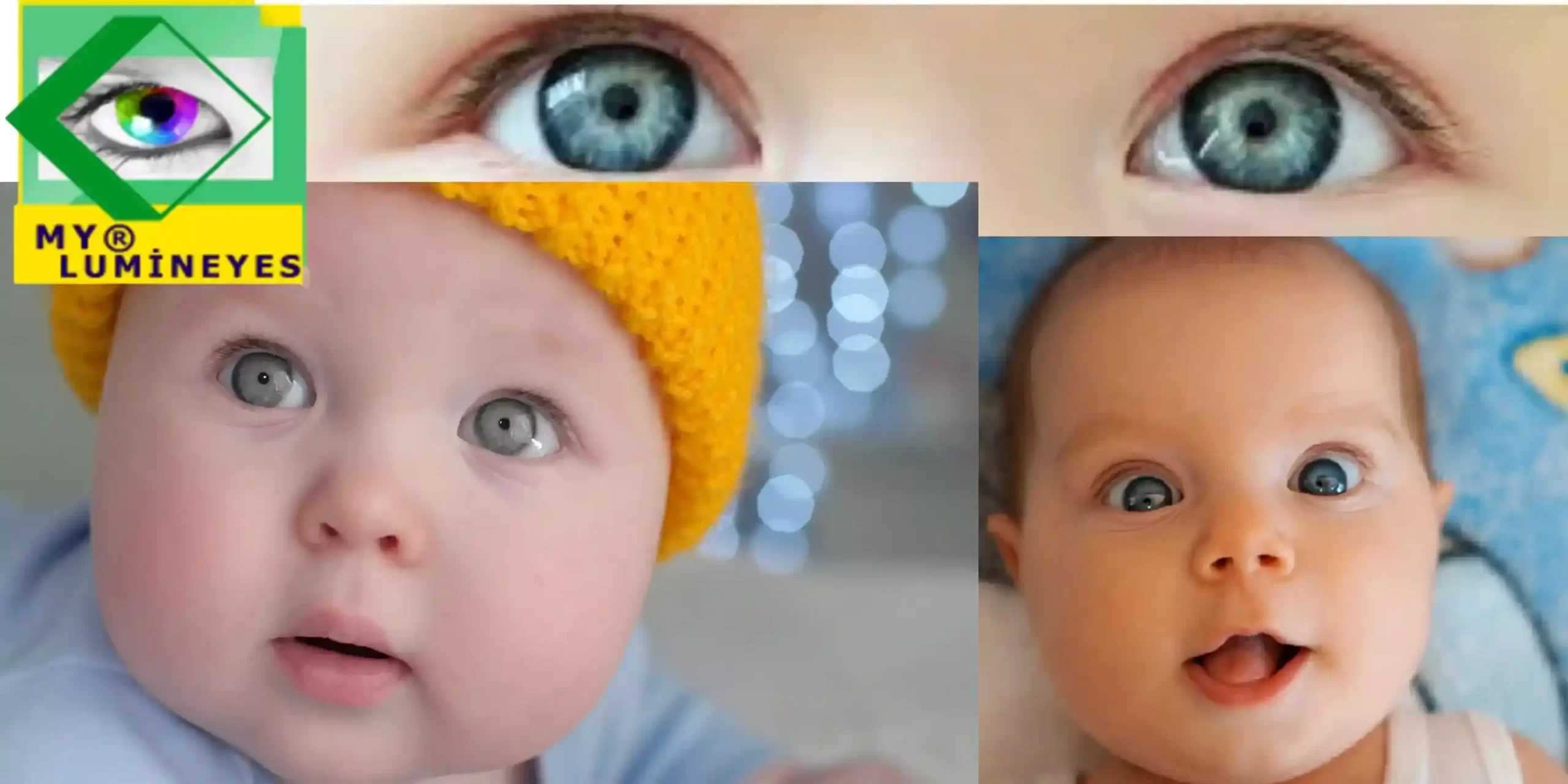
Quando nasci, la tua iride manca di melanina, il che la fa sembrare blu. Tuttavia, man mano che cresci, la melanina inizia a formarsi nell’iride, dando luogo a occhi marroni o nocciola. Anche da adulto, cambiare il colore dei tuoi occhi potrebbe richiedere anni. Gli occhi grigi e marroni rappresentano meno dell’1% della popolazione totale. L’interazione del pigmento marrone chiaro nell’iride con la luce blu nell’occhio si traduce in occhi verdi, maculati o nocciola. I tuoi occhi sembreranno marroni se hai molta melanina. I tuoi occhi sembreranno blu, verdi o grigi se hai poca o nessuna melanina. Le differenze di colore, invece, sono causate da diverse quantità, distribuzioni e tipi di pigmento. Questo spiega la vasta gamma di colori marrone, marrone scuro, marrone chiaro e nocciola.
Il colore degli occhi neri può diventare blu o grigio con l’chirurgia per cambiare il colore degli occhi?
È molto difficile ottenere il colore con il cambiamento di colore degli occhi del laser negli occhi marrone molto scuro o neri; solo Mylumineyes Xtra può dare risultati di successo in questo senso, ma questo non vale per tutti. La possibilità di effetti collaterali nelle persone con gli occhi neri piuttosto che il cambiamento del colore degli occhi, anche con il laser Lumineyes. Con l’aumentare del numero di trattamenti, aumentano anche la durata e il numero di trattamenti. Come abbiamo detto prima, questi occhi di colore nero sono Occhi castano scuro di grado 5.
Come posso liberarmi del colore degli occhi neri?
La maggior parte degli occhi neri guarisce da sola entro una o due settimane. Durante la riparazione, l’occhio nero cambierà colore, passando dal viola al blu, dal verde al giallo. Ci sono, tuttavia, alcune cose che puoi fare per aiutare il processo di guarigione e alleviare il disagio.
- Applica un impacco freddo sulla zona interessata. Per le prime 24 ore, una salvietta fresca, un sacchetto di piselli o un cucchiaio ghiacciato possono aiutare ad alleviare il dolore e ridurre il gonfiore.
- L’uso di antidolorifici come il paracetamolo o l’ibuprofene può aiutare.
- Applica un impacco caldo sulla zona interessata. Applicare un impacco caldo sull’occhio dopo aver usato impacchi freddi per i primi due giorni per stimolare il flusso sanguigno nella regione.
- Massaggia leggermente l’area intorno al livido alcuni giorni dopo l’incidente.
- Adatto trucco
Gli esseri umani sono classificati in base al colore degli occhi e al tono della pelle. Eppure ciò che distingue la tonalità marrone è che vari individui, anche all’interno della stessa famiglia, hanno diverse sfumature di marrone. Il tono del colore degli occhi può variare dal miele chiaro al colore degli occhi ambra al nero, quindi ogni individuo con gli occhi marroni è unico a modo suo.