Best Makeup Tips for Green, Blue, Brown and Hazel Eyes
Eye makeup can enhance the natural color and contrast of your eyes when it is chosen and applied correctly. Instead of trying to change your eye color, the goal is to work with your natural shade and use color theory to make the iris stand out in a healthy and safe way.
If you are not sure which color group your eyes belong to, you can first check the detailed Eye Color Chart & Genetics Guide and then return to this page for tailored makeup tips.
General Safety Rules for Eye Makeup
Whatever your eye color, safety comes first. Always remove makeup before sleep, avoid sharing products and stop using any cosmetic that causes irritation or redness. Only use products specifically designed for the eye area, and replace mascara regularly to reduce the risk of infection. For more detailed safety information, see the recommendations on safe use of eye cosmetics from the American Academy of Ophthalmology.
Color Theory: How to Choose Shades That Highlight Your Eyes
In basic color theory, shades opposite to your eye color on the color wheel create the strongest contrast. This does not mean you must always use the exact complement, but it gives a good starting point:
- Blue eyes: Warm oranges, copper, peach, bronze.
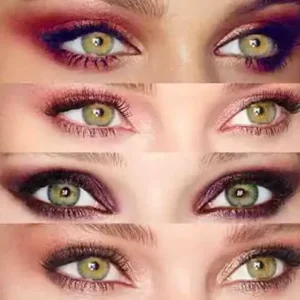
- Green eyes: Soft reds, burgundy, plum, mauve.
- Brown eyes: Almost any color; gold, bronze and deep blues are especially flattering.
- Hazel eyes: Greens, warm browns and golds to bring out either the green or brown tones.
Neutral tones such as beige, taupe and soft brown are useful for everyday looks and for blending stronger colors.
Makeup Tips for Blue Eyes
Blue eyes stand out most with warm, contrasting shades that bring depth without overpowering the iris.
- Choose eyeshadows in peach, copper, rose-gold or warm brown.
- For eyeliner, try dark brown, bronze or deep plum instead of very harsh black.
- Use a light beige or champagne shade on the inner corner to make the eyes look brighter.
- Avoid heavy blue eyeliner on the entire lash line, which can make the iris look less defined.
Makeup Tips for Green Eyes
Green eyes are relatively rare and are emphasized by shades that contain red or purple undertones.
- Eyeshadows in plum, burgundy, cranberry, mauve and warm taupe work very well.
- For eyeliner, consider dark brown, plum or charcoal.
- Gold or bronze shimmer on the center of the lid can make green tones more vivid.
- Very cool silver or blue shades may compete with the natural green and reduce contrast.
Makeup Tips for Brown Eyes
Brown eyes are extremely versatile and can handle both warm and cool tones.
- To create warmth and sparkle, choose gold, bronze, copper and chocolate brown.
- Deep navy, royal blue or emerald eyeliner gives a striking contrast, especially on the upper lash line.
- For a soft everyday look, use matte taupe or medium brown in the crease with a lighter beige on the lid.
- Very thick black liner on both upper and lower lash lines can make small brown eyes look even smaller; try tightlining instead.
Makeup Tips for Hazel Eyes
Hazel eyes often contain both green and brown areas, so you can choose whether to highlight the warmer or cooler tones.
- To bring out the green, use plum, mauve, cool brown and gold shimmer.
- To emphasize the brown, choose warm chocolate, copper and bronze shades.
- Olive or khaki eyeliner can reinforce the mixed pattern in the iris.
- Avoid very strong, flat black on the lower waterline, which may hide the subtle color variations.
Makeup Tips for Grey and Very Light Eyes
Grey and very light blue eyes can look dramatic with carefully balanced contrasts.
- Soft taupe, cool brown, dusty rose and slate maintain sophistication without overwhelming the iris.
- A thin line of charcoal or navy eyeliner along the upper lashes sharpens the eye shape.
- High-shine metallic silver should be used sparingly; too much can wash out the natural color.
Practical Application and Removal Tips
- Always apply eye makeup with clean brushes or applicators.
- Start with a small amount of product and build intensity gradually.
- Remove all eye makeup gently at the end of the day with an eye-safe remover, without rubbing the skin or lashes.
- Discard products that cause burning, itching or unusual redness and consult a doctor if symptoms persist.
These cosmetic suggestions are meant to enhance natural eye color and do not change the underlying iris structure or pigment. If you are interested in medical procedures that may alter the appearance of eye color in adults, you can read the detailed information on our Laser Eye Color Change page and discuss options with an ophthalmologist.