
How Laser Eye Color Change Surgery Is Performed
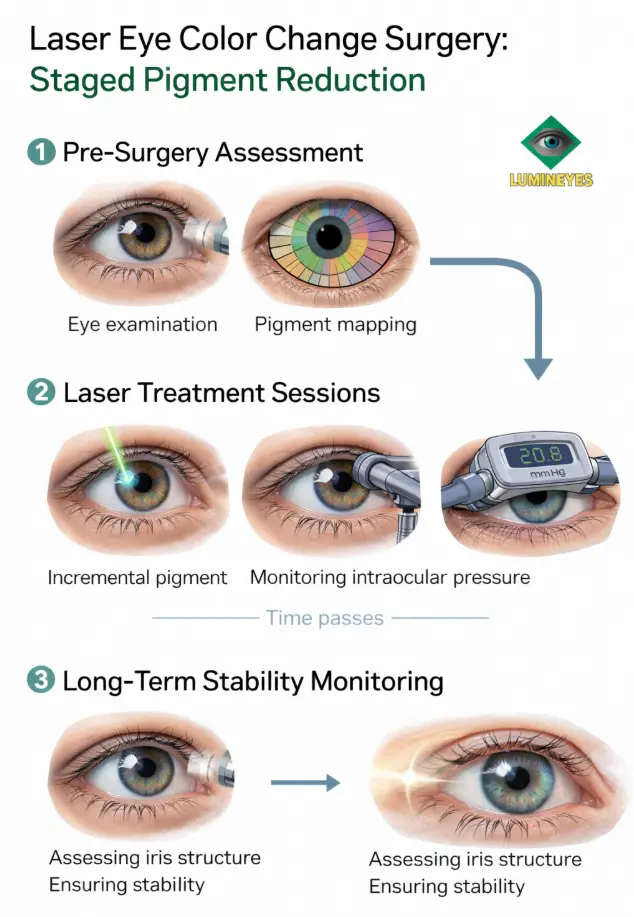
Laser eye color change surgery is performed in structured stages rather than in a single aggressive session. The procedure begins with detailed eligibility evaluation, including iris pigment grading, anterior segment assessment, and intraocular pressure baseline measurement.
Each treatment session applies controlled laser energy to reduce superficial stromal pigment density. The goal is gradual modulation rather than rapid transformation. Interval planning between sessions allows pigment redistribution to stabilize and permits accurate biological response monitoring.
Intraocular pressure is assessed throughout the treatment cycle. Early transient fluctuations may occur during pigment remodeling phases, which is why staging and monitoring are fundamental components of the protocol.
Treatment progression is always response-guided. Session number depends on baseline pigment density, tissue behavior, and structural stability. Darker irides typically require more sessions to achieve gradual and controlled lightening.
The objective is not artificial recoloring. It is controlled pigment reduction within biological limits.
Clinical Responsibility and Procedural Philosophy
Laser eye color change surgery is not a one-time cosmetic event.
It is a structured medical program requiring:
- Careful eligibility screening
- Conservative energy planning
- Staged session architecture
- Documented intraocular pressure monitoring
- Defined pause criteria
- Long-term structural follow-up
Not every aesthetically motivated candidate qualifies.
Elective ocular modification demands stricter safety thresholds than many therapeutic interventions because it is not medically necessary. The acceptable risk margin must therefore be lower — not equal, and certainly not higher.
Exclusion is not refusal. Exclusion protects long-term ocular stability.
Not every request should be accepted — and that is part of medical integrity.
Biological Basis of Natural Iris Color
Iris color depends on:
- Melanin density within the anterior stroma
- Pigment granule distribution
- Collagen architecture and light-scattering behavior
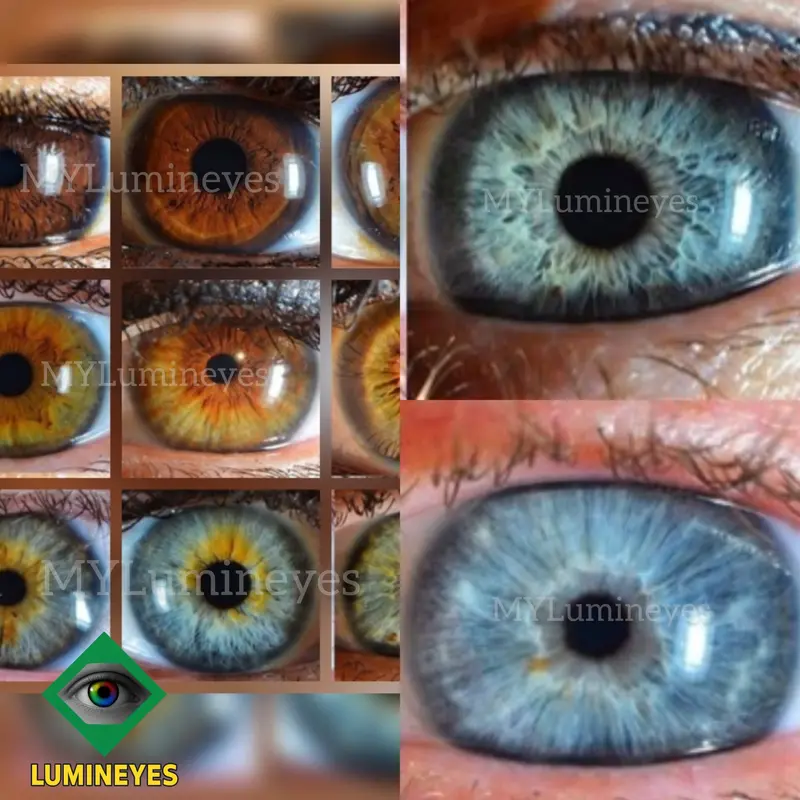
Darker brown irides contain higher pigment concentration and often deeper layering. Lighter irides reflect more light due to reduced pigment density and stromal scattering characteristics.
Laser treatment reduces superficial pigment density.
- It does not “add” color.
- It does not implant artificial blue or green tones.
The final visible shade emerges from the patient’s own biological structure.
Laser–Pigment Interaction: Selectivity and Energy Discipline
Laser energy interacts with tissue according to wavelength-dependent absorption properties.
Melanin has specific absorption characteristics. When the selected wavelength preferentially interacts with superficial pigment granules — rather than deeper stromal collagen — controlled reduction becomes possible.
Key principles include:
- Selective pigment absorption
- Controlled pulse duration
- Limited fluence to avoid structural injury
- Superficial stromal targeting
- Cumulative staged reduction
Increasing energy does not increase quality.
Excess intensity increases inflammatory burden and short-term anterior segment stress.
Predictability is achieved through disciplined cumulative reduction — not intensity escalation.
More energy is not better medicine.
Why Staging Is Essential
High pigment density — especially in dark brown irides — cannot be safely reduced in a single session.
Aggressive pigment disruption increases:
- Inflammatory stress
- Transient pigment redistribution
- Short-term intraocular pressure fluctuation
Staging allows:
- Controlled pigment clearance
- Physiological adaptation
- Monitoring-based continuation
- Defined stop points
Speed is not a medical objective.
Structural stability is.
Over-treatment does not equal progress.
Session Architecture and Interval Planning
Session intervals are determined by biological recovery — not calendar convenience.
Before progression:
- Intraocular pressure must be stable
- The anterior segment must appear quiet
- Pigment redistribution phase must settle
Continuation without stability confirmation contradicts responsible anterior segment practice.
Intraocular Pressure Physiology and Early Fluctuations
During early pigment redistribution, liberated pigment particles may transiently interact with aqueous outflow pathways.
This can influence short-term intraocular pressure behavior.
Structured monitoring includes:
- Baseline measurement
- Early post-session evaluation
- Clear symptom reporting
- Defined pause criteria
Short-term fluctuations are physiologically explainable.
Persistent instability is not acceptable in an elective setting.
Elective procedures demand a lower risk threshold — not a higher one.
Dark Brown Iris Profiles and Response Variability
A common question is:
“Can very dark brown eyes become light blue?”
Extremely high-density pigment profiles require:
- More staged sessions
- Longer intervals
- Greater patience
Visible change may lag behind internal pigment modification. Clearance kinetics vary between individuals.
Final tone depends on stromal architecture and light-scattering behavior.
No medically responsible program guarantees a predefined shade.
Biology defines what is achievable.
Temporary asymmetry during staged progression can occur and does not automatically indicate complication.
Attempts to accelerate response increase physiological stress without proportional long-term benefit.
Predictability and Biological Limits
Laser eye color change surgery modifies pigment density. It does not override genetics or fundamentally alter stromal architecture.
Predictability improves through:
- Conservative pacing
- Strict monitoring
- Realistic expectation alignment
Exact shade guarantees are biologically impossible.
Medical responsibility requires acknowledging variability.
Before-and-After Stability
Immediate contrast does not represent final outcome.
Pigment clearance continues for weeks after each session.
Responsible evaluation focuses on:
- Stability over months
- Symmetry
- Plateau recognition
- Structural integrity
Social media images reflect moments. Medical evaluation reflects longitudinal stability.
Visual contrast is not the same as clinical success.
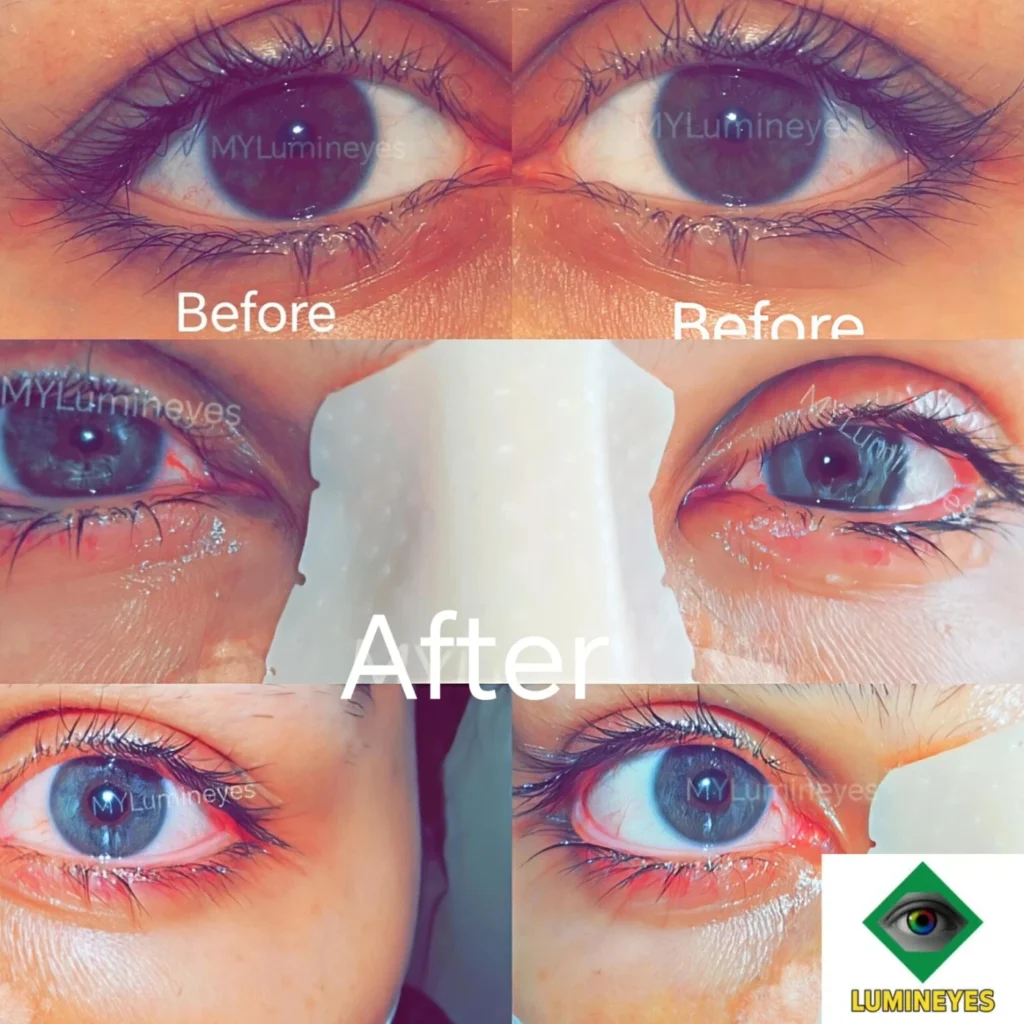
See real patient transformations in our laser eye color change before and after results.
Plateau Phase and When to Stop
After sufficient pigment reduction, the iris reaches a stabilization phase.
Additional sessions beyond this point do not proportionally increase brightness.
Knowing when to stop is as important as knowing when to continue.
Over-treatment contradicts disciplined ophthalmic care.
Long-Term Stability Framework
Laser eye color change surgery should never be judged solely by early visual change.
Long-term follow-up typically includes:
- Periodic intraocular pressure measurement
- Anterior segment evaluation
- Pigment stability assessment
- Plateau confirmation
Absence of early complication does not eliminate the need for structured follow-up.
Durable stability defines responsible elective anterior segment practice.
Glaucoma Risk Perspective
Increased intraocular pressure, when observed, is usually associated with early pigment redistribution phases.
The theoretical mechanism involves transient interaction between liberated pigment and aqueous outflow structures.
Uncontrolled glaucoma, narrow angles, and unstable pressure history remain exclusion criteria because elective procedures require stricter safety margins than therapeutic interventions.
Long-term structural instability is unacceptable.
Monitoring is not optional.
Laser Eye Color Change Surgery vs Artificial Iris Implants
Artificial cosmetic iris implants introduce synthetic devices into the anterior chamber.
Published literature has documented complications in some cases, including:
- Chronic inflammation
- Corneal endothelial compromise
- Secondary glaucoma
Laser pigment modification does not introduce foreign material.
Anatomical iris structure remains preserved.
The risk profile is fundamentally different.
Cost and Medical Accountability
Cost reflects:
- Comprehensive screening
- Structured staging
- Monitoring infrastructure
- Long-term accountability
Lower pricing models often correlate with reduced surveillance or aggressive single-session approaches.
In anterior segment procedures, safety is determined by pacing and monitoring — not marketing claims.
Laser Eye Color Change Cost and Long-Term Value
When patients search for change eye color with laser cost, they are often comparing numbers without understanding the structure behind those numbers.
Laser eye color surgery cost is not simply a session fee. It reflects:
- Structured eligibility screening
- Conservative staging strategy
- Pressure monitoring protocol
- Long-term clinical accountability
Comparing pricing without understanding the underlying clinical structure can lead to misleading expectations. Lower advertised pricing may correlate with aggressive single-session approaches or reduced follow-up structure. The real cost is not the session price. The real cost is long-term ocular stability.
How Long Does Laser Eye Color Change Last — And Is It Truly Permanent?
A common search question is:
“How long does laser eye color change last?”
Superficial stromal pigment reduction is biologically lasting. Reduced melanin density does not regenerate in the same structural pattern.
However, permanence must be defined correctly.
Laser eye color change surgery modifies pigment density. It does not implant artificial color. Once sufficient reduction is achieved and the plateau phase is reached, the structural state is considered stable.
The clinically relevant question is not whether the result lasts months or years.
The relevant question is:
Is the eye structurally stable long term?
When conservative staging and monitoring protocols are respected, long-term stability is expected after the plateau phase. Because pigment density is reduced rather than added, reversal to the original shade is not realistically achievable.
Visible brightness, however, still depends on stromal architecture and light-scattering characteristics.
This is why candidacy evaluation matters more than speed.
Contraindications
Laser eye color change surgery is not suitable for:
- Uncontrolled glaucoma
- Narrow anterior chamber angles
- Active uveitis
- Severe pigment dispersion
- Unstable pressure history
- Structural anterior segment abnormalities
- Unrealistic and high expectations
- Individuals with systemic inflammatory diseases, such as uncontrolled diabetes, rheumatic diseases, inflammatory bowel diseases, and immune system disorders.
- Retinal problems
- those who have previously undergone artificial iris implant surgery
Elective modification demands a lower tolerance for risk than medically necessary interventions.
Psychological Screening
Patients seeking guaranteed dramatic transformation, immediate extreme lightening, or fixed shade promises may not be appropriate candidates.
The iris is vascularized ocular tissue.
Rapid dramatic alteration is not a medical objective.
The objective is controlled, monitored biological modification — not rapid cosmetic transformation.
Clinical Experience and Program Development
This framework reflects structured longitudinal observation of staged pigment response across varying iris densities.
Over time, one principle remains consistent:
Safety depends on conservative progression, disciplined interval planning, strict exclusion criteria, and longitudinal responsibility.
Not every request should be accepted.
Long-term accountability extends beyond procedural execution.
Global Clinical Positioning and Responsibility Framework
Laser eye color change surgery should not be evaluated through isolated before-and-after images or short-term aesthetic contrast. In a medically responsible setting, it must be positioned within anterior segment safety principles and long-term structural accountability.
Elective iris pigment modification occupies a unique category in ophthalmology. It is not therapeutic, yet it directly interacts with living anterior segment tissue. This dual nature requires a higher ethical and physiological threshold than most cosmetic procedures.
A responsible protocol is defined not by how quickly color changes, but by how carefully intraocular stability is preserved.
Clinical maturity in this field is measured by:
- Willingness to exclude unsuitable candidates
- Discipline in staging rather than accelerating
- Transparent discussion of variability
- Defined stop criteria
- Longitudinal monitoring beyond aesthetic satisfaction
The objective is not dramatic transformation. The objective is controlled biological modification with durable structural stability.
In this context, laser eye color change surgery must be practiced as a monitored ophthalmic program — not a cosmetic shortcut.
- Biology defines the achievable limits.
- Over-treatment does not equal better outcome.
- This field requires restraint.
- Precision without restraint is not expertise.
About the Author
Dr. Mustafa Mete is an ophthalmologist focused on staged laser iris depigmentation procedure with emphasis on conservative progression, structured intraocular pressure monitoring, and strict candidate selection. His clinical philosophy prioritizes long-term anterior segment stability over rapid aesthetic transformation and maintains a deliberately low risk threshold for elective ocular procedures. His program is structured around conservative progression and clearly defined stop criteria rather than aesthetic acceleration.