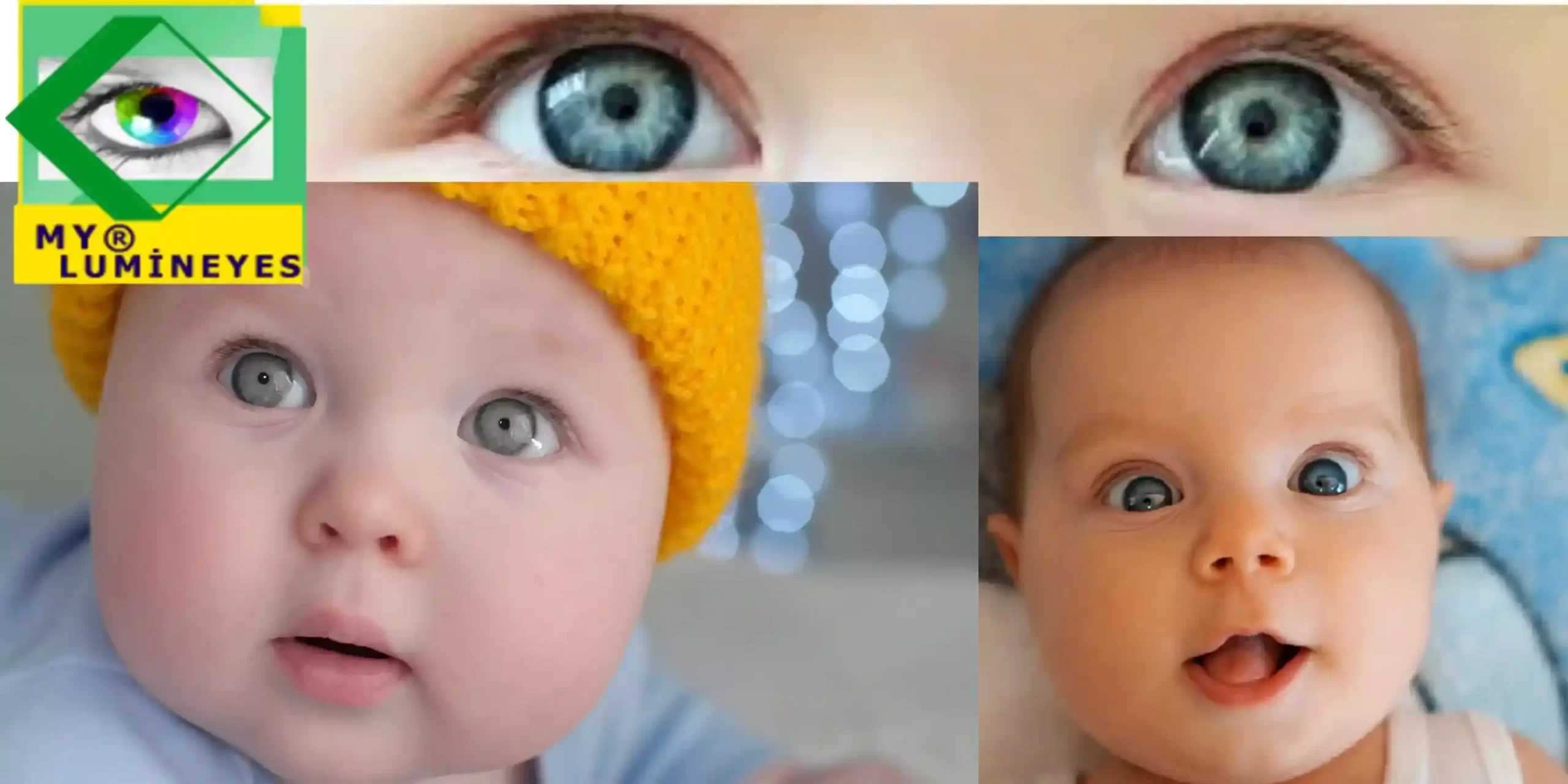
Mude a cor dos olhos permanentemente sem usar lentes de contato
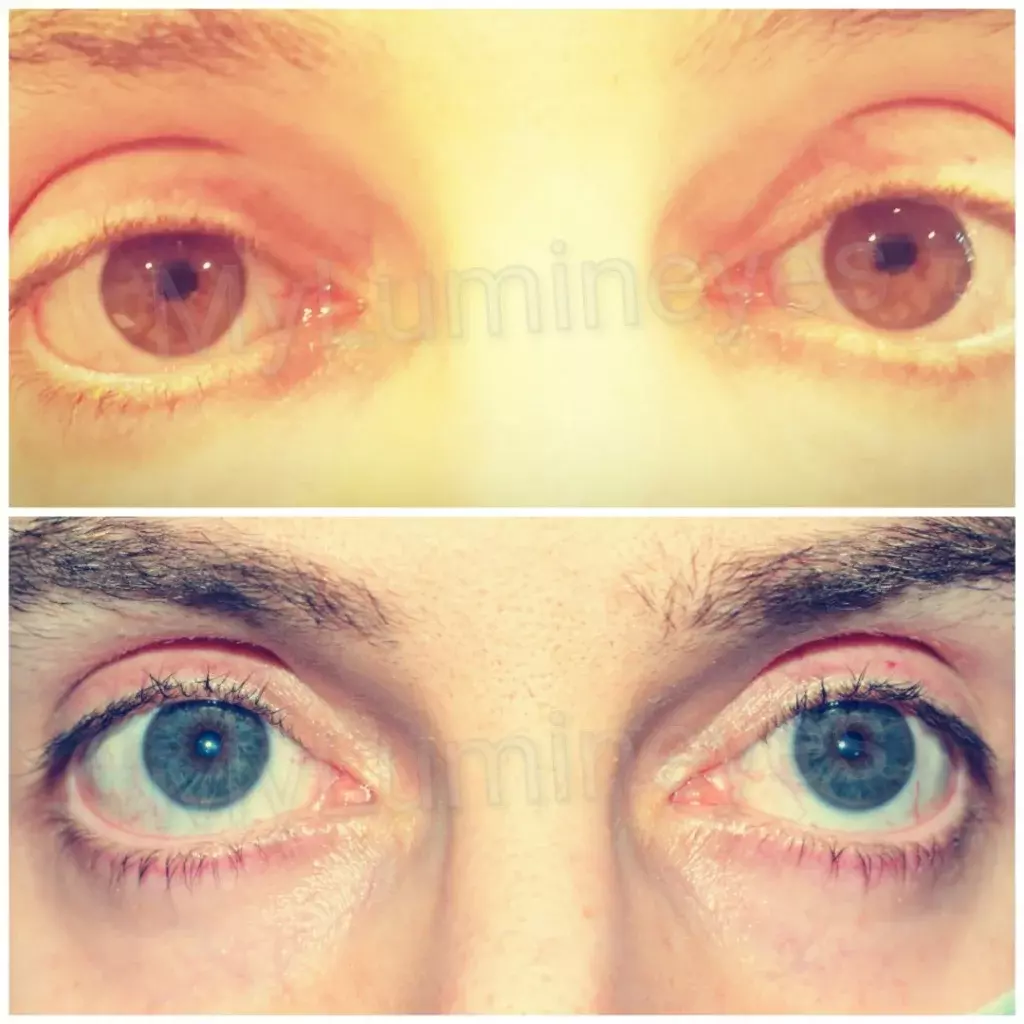
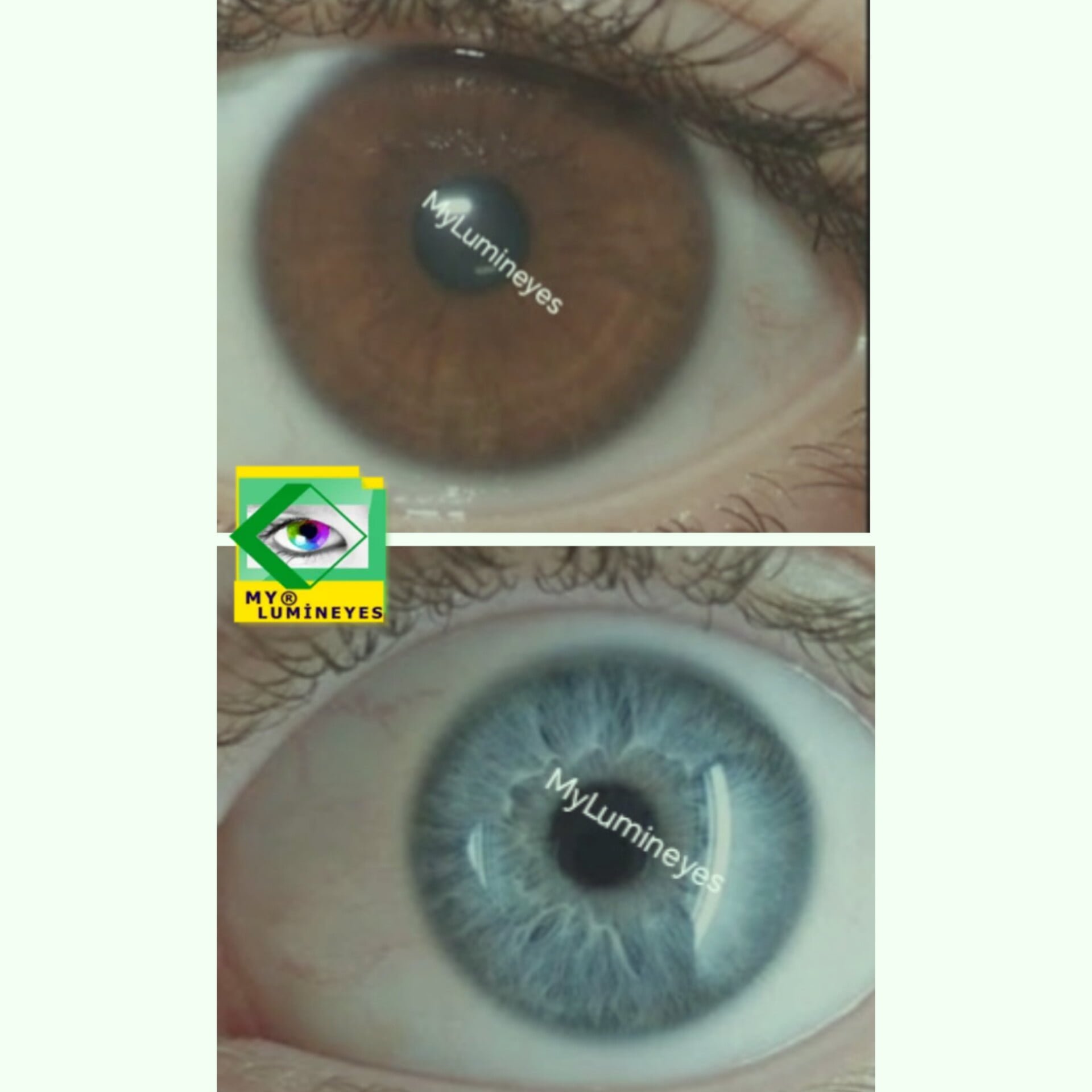
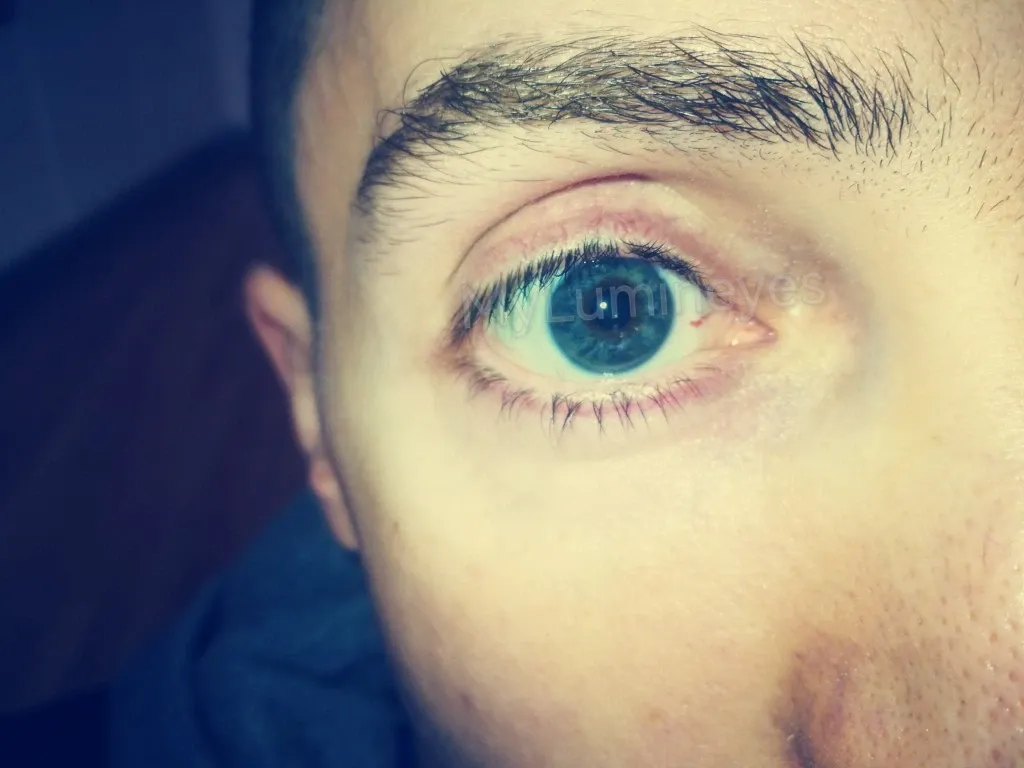
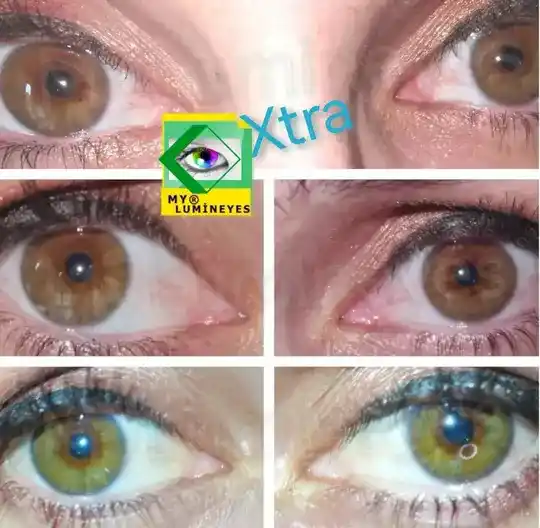
O novo laser (Mylumineyes 8G+), que pode alterar a cor dos olhos, funciona removendo a melanina da íris. . Por trás de quase todos os olhos castanhos está a possibilidade de um olho colorido. A única diferença é que os olhos castanhos têm uma fina camada de pigmento cobrindo a íris.Laser cirurgia de mudança de cor dos olhos: O pigmento da íris é direcionado por um laser de baixa energia guiado por computador durante a cirurgia Mylumineyes. Através da córnea transparente, uma certa frequência de laser é absorvida pelo pigmento da íris. Isso inicia a remoção do pigmento por certas células do olho. Após a remoção do pigmento, os olhos coloridos são revelados.

É possível Mudar a cor dos olhos naturalmente ?
Infelizmente não. A cor dos olhos, como a cor do cabelo e da pele, é herdada. Para conseguir uma mudança permanente sem cirurgia, o código genético ou a estrutura celular devem ser alterados.
Qual é o custo da Lumineyes?
Lumineyes é o nome real do procedimento cirúrgico de mudança de cor dos olhos a laser. Dr. Mete é a primeira pessoa no mundo a aplicar com sucesso esta técnica. Sessões adicionais são cobradas separadamente e começam em uma média de 5.000 euros para Lumineyes. Não, porque o procedimento não pode ser desfeito. Uma vez que o olho tenha sido limpo, ele não pode retornar à sua condição anterior de escuridão.
Como mudar a cor dos olhos sem o uso de laser
Além do laser, lentes de contato coloridas podem ser usadas para alterar a cor dos olhos sem representar um risco significativo para os olhos. No entanto, é mais seguro que a ceratopigmentação e o implante de íris, apesar de parecer livre de riscos. Exceto para cirurgia de alteração da cor dos olhos a laser, todos os tratamentos resultarão em uma aparência artificial; não são naturais. No entanto, os resultados da operação de mudança de cor dos olhos a laser My Lumineyes são totalmente naturais.
Por que os olhos mudam de cor?
A pigmentação da íris determina a cor dos olhos. Em situações específicas, os pigmentos que definem sua tonalidade podem mudar por motivos naturais. Em casos raros, isso é viável. Portanto, vamos examinar todas as variáveis naturais que podem mudar a cor dos olhos.
Luz
O tamanho da pupila é controlado pela íris, um músculo que dilata e contrai conforme necessário. Como você provavelmente já sabe, a pupila dilata no escuro e contrai na luz. Pois bem, os movimentos de abertura e fechamento da pupila podem fazer com que os pigmentos da íris migrem, dando a aparência de uma pequena mudança na cor dos olhos.
Idade
A cor dos seus olhos pode mudar com o tempo. Na verdade, os olhos de um bebê costumam ter uma cor relativamente clara; ainda, de acordo com fatores hereditários e a quantidade de melanina produzida, a cor pode escurecer à medida que o bebê cresce. Os olhos de alguns caucasianos podem ficar claros novamente à medida que envelhecem porque seus pigmentos podem desbotar ou mudar.
Sentimentos
Sim, mesmo explosões de alegria e banhos de água podem alterar o tamanho das pupilas e, assim, a percepção da cor da íris. É verdade que às vezes você pode discernir o humor de uma pessoa apenas olhando em seus olhos.
exposição ao sol
A luz solar tem um efeito sobre a síntese de melanina. Depois de umas férias ao sol, seus olhos podem ficar um pouco mais escuros.
práticas alimentares
Certas refeições podem influenciar a cor dos olhos, ou pelo menos sua aparência. Espinafre e mel orgânico tornam os olhos mais brilhantes, enquanto o peixe realça sua cor. Cebola, azeite e avelãs também afetam a saúde dos olhos e, portanto, a cor.
Como você pode mudar a cor dos seus olhos sem usar lentes de contato?
Se seus olhos não forem particularmente escuros, você pode escurecê-los usando sombra azul ou lápis, ou cobre e dourado. A aplicação de delineador azul na pálpebra superior também ajuda a gerar um efeito óptico que faz com que os olhos pareçam mais distintos. Naturalmente, os tons de bronze produzem reflexos azuis na íris, portanto, ajustar sua maquiagem para imitar isso pode ajudá-lo a abraçar a cor natural dos olhos. Parece que existem áreas mais claras dentro dos olhos castanhos que seriam mais visíveis se fossem dourados. Escolha maquiagem roxa, marrom ou rosa se você tiver olhos verdes e deseja acentuá-los.
Os alimentos afetam a mudança de cor dos olhos?
Evite quaisquer remédios caseiros, como aqueles que propõem colocar uma gota de mel no olho todos os dias: não é verdade que essa substância os alivie de alguma forma! Este é um boato perigoso porque, se você acreditar, poderá inadvertidamente expor seus olhos aos germes contidos no mel, arriscando doenças realmente graves.
Qual cor de olho é a mais rara no mundo?
Inicialmente cinza, depois verde. O verde é considerado a cor dos olhos mais rara, no entanto, o cinza é mais incomum. É um dos tons de olhos mais raros e desejáveis, já que apenas cerca de 3% da população mundial tem olhos cinzentos. Dependendo do indivíduo, os olhos cinzentos variam em tons de cinza escuro a acinzentado. Do verde ao cinza-azulado, ele vem em uma variedade de tons e intensidades. Os olhos cinzentos são uma alteração lateral comum da cirurgia de cor dos olhos a laser.
Alguns sites de notícias afirmam que a cor dos olhos muda a cada 20 segundos. Verdadeiro ou falso?
Esta afirmação é falsa. É baseado em uma narrativa errônea que apareceu pela primeira vez há muitos anos. Da fonte dessas informações, não houve resultados notáveis de sucesso registrados nos últimos 15 anos, apenas afirmações otimistas. Gostaria de lembrá-lo que a Mylumineyes é 13 anos mais velha que você, com resultados efetivos e tangíveis no mundo real. continua a fazer declarações
Alguns médicos afirmam que esta operação é perigoso e não deve ser realizado.
Na realidade, nossos amigos médicos estão parcialmente corretos e parcialmente incorretos em relação à cirurgia de mudança de cor dos olhos a laser. Porque você pergunta? Quem faz essa abordagem e como é variável. A cirurgia de mudança de cor dos olhos a laser Mylumineyes Xtra é muito mais segura do que LASIK ou cirurgia de catarata.