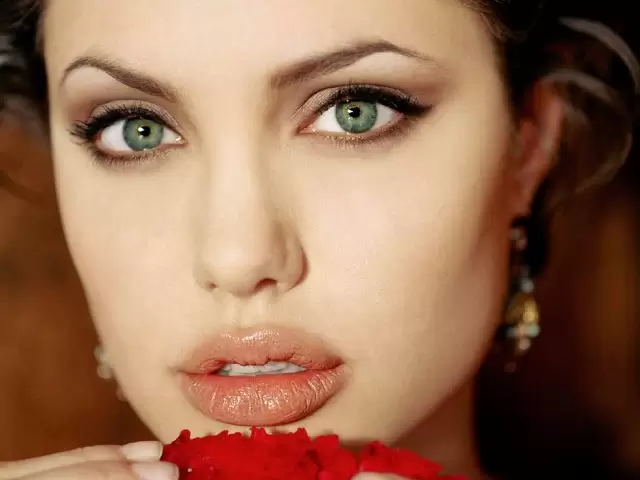
Green eyes are among the rarest natural eye colors in the world. They are not produced by a single “green pigment,” but by a combination of moderate melanin, light scattering in the iris stroma and the way the brain interprets reflected light.
Unlike brown eyes, where melanin is densely packed, green eyes have a lower pigment concentration. This allows more light to scatter inside the iris and creates a mixed yellow–blue optical effect, which appears green to the observer.
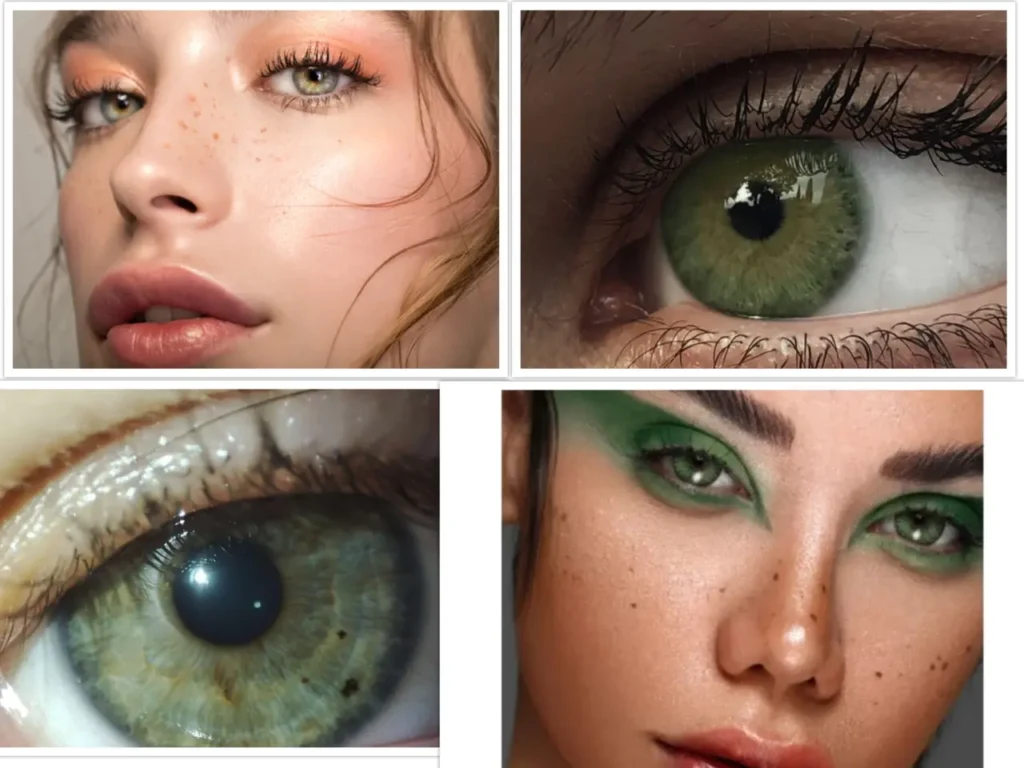
What Makes Eyes Look Green?
Green eye color is the result of three main factors:
• Moderate melanin in the iris stroma
• Yellowish pigments (lipochrome) that add warmth
• Rayleigh-like scattering of light in the stromal fibers
There is no separate “green” dye in the eye. The color we see is a structural and optical result of pigment density and light behavior.
How Rare Are Green Eyes?
Green eyes are much less common than brown and blue eyes. Prevalence varies by region and ancestry, but globally they represent a small percentage of the population. They are more frequently seen in people of European descent, especially in certain Northern and Central European groups.
For an overview of how green eyes compare with other rare hues, you can explore the rarest eye colors.
Green Eyes and Genetics
Eye color is controlled by multiple genes that influence melanin production and distribution. Variations in genes such as OCA2 and HERC2, along with additional modifiers, determine whether the iris has high, moderate or low pigment levels.
Green eyes usually appear when there is more pigment than in blue eyes, but less than in brown eyes. The combination of these genetic factors produces the characteristic green tone. More information about the genetics of pigmentation can be found at MedlinePlus Genetics.
Do Green Eyes Change Over Time?
The final eye color is generally established in early childhood. In adults, green eyes remain stable. Apparent day-to-day changes are usually related to lighting, clothing contrast, makeup, pupil size or redness around the eyes, not to true pigment changes.
Can Green Eyes Be Made Lighter?
Topical products, foods or subliminal techniques cannot lighten green eyes. They do not affect iris melanin. The only medically controlled approach that directly interacts with natural pigment is laser eye color change.
Conclusion
Green eyes are rare, genetically determined and optically complex. Their unique color results from a balance of melanin, stromal structure and light scattering. While their appearance may vary with light and environment, the underlying iris pigment remains stable throughout adult life.