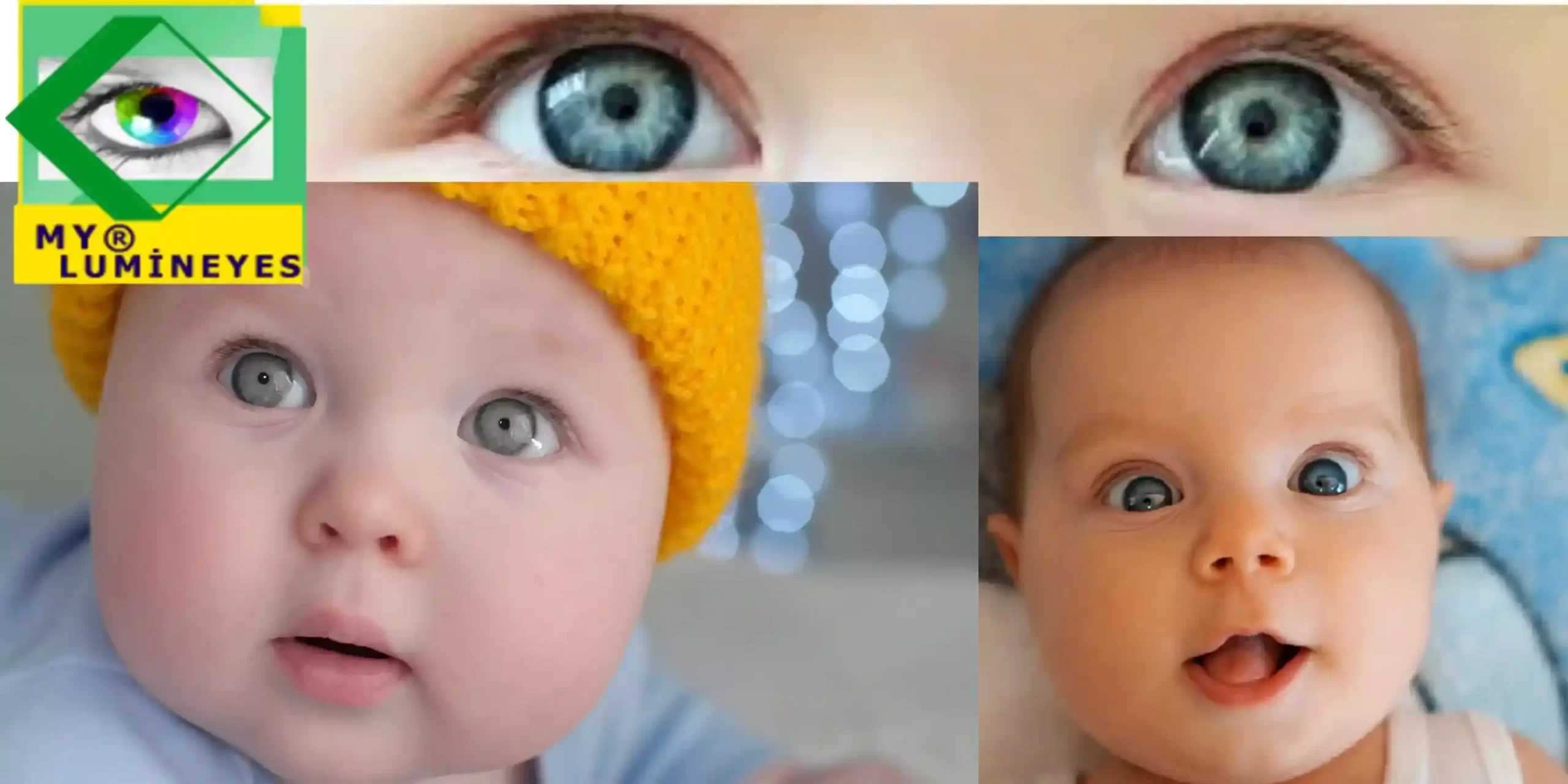
Changez la couleur de vos yeux de façon permanente sans utiliser de lentilles de contact
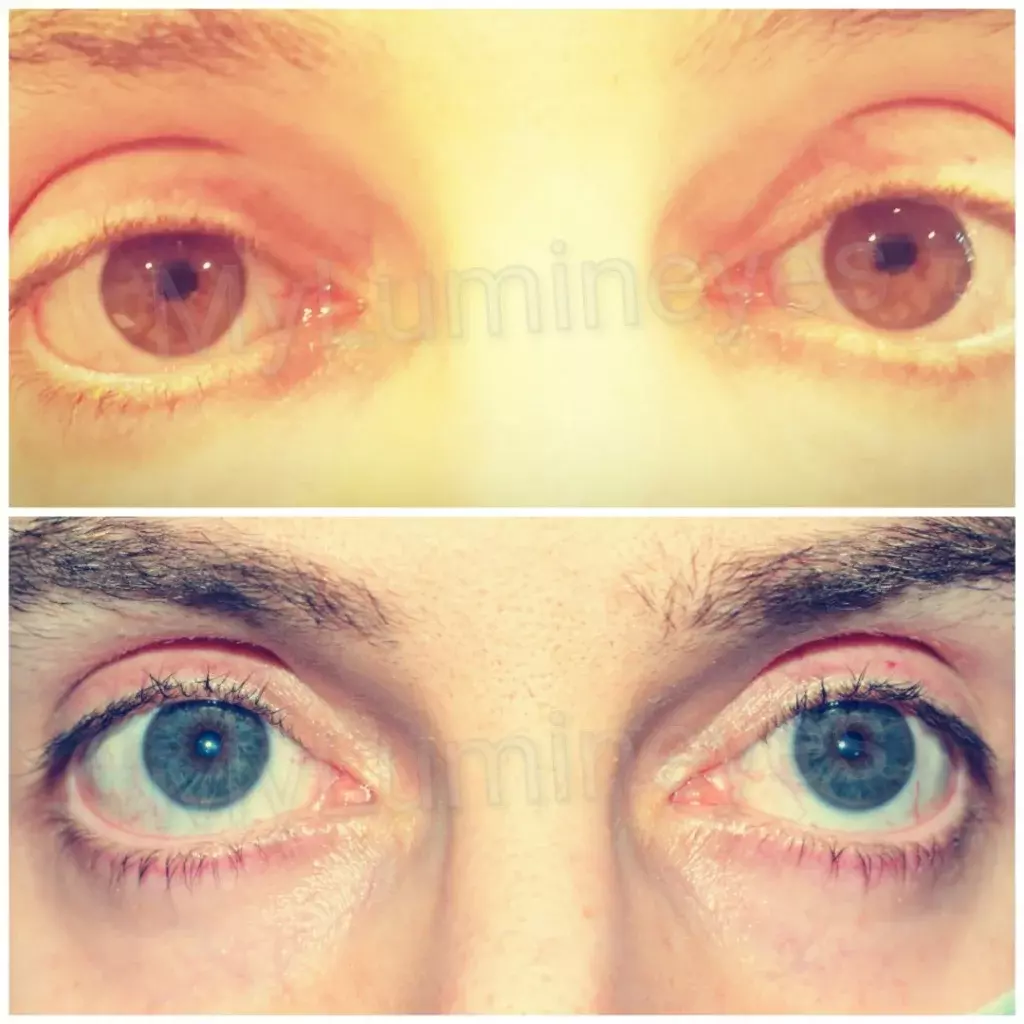
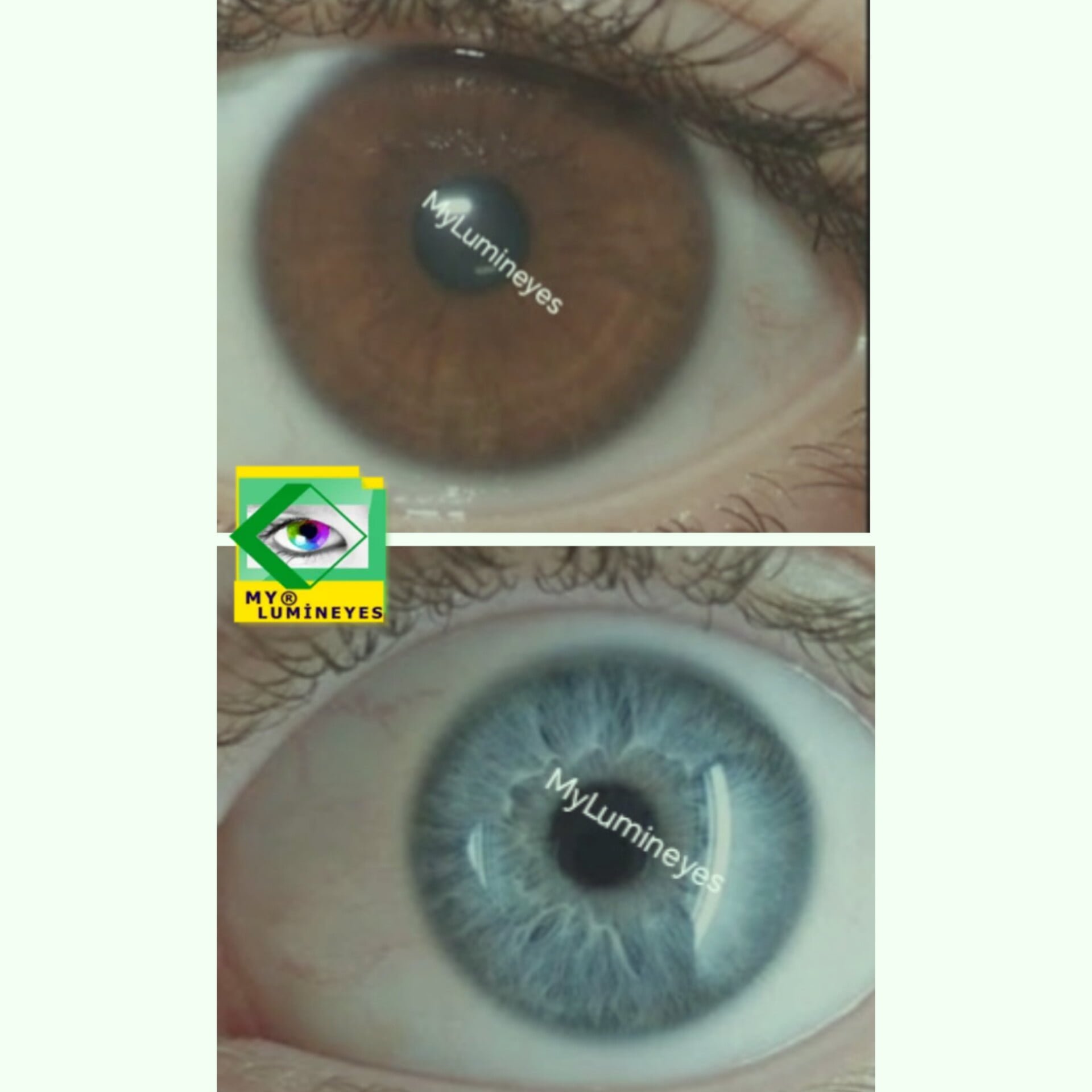
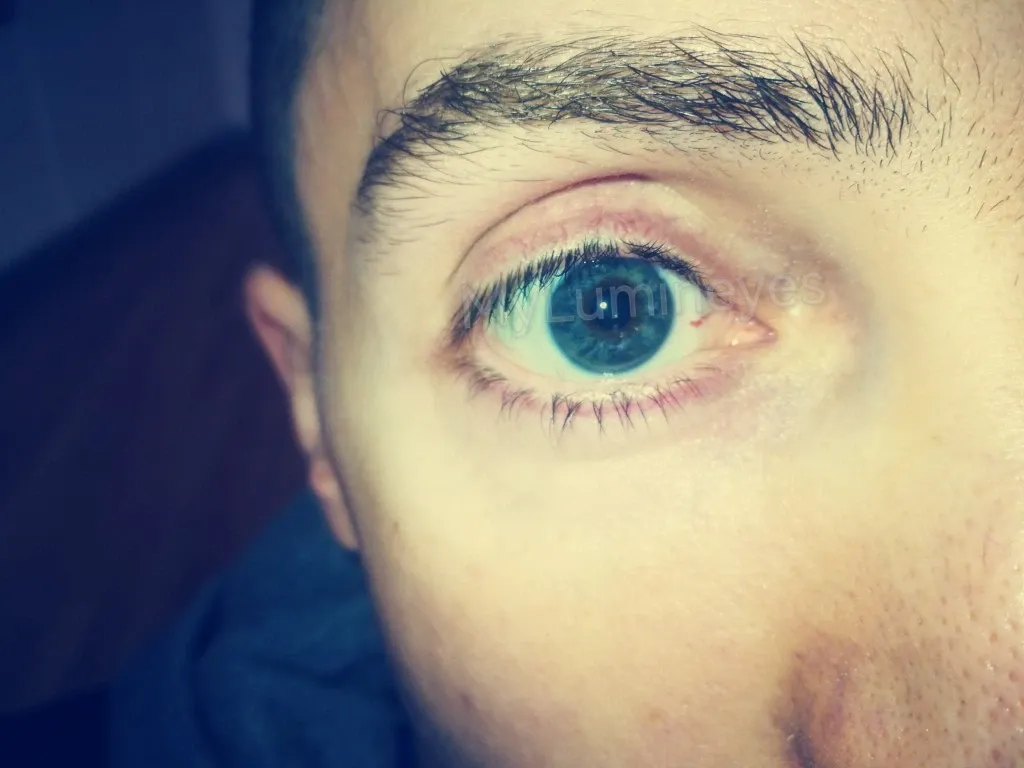
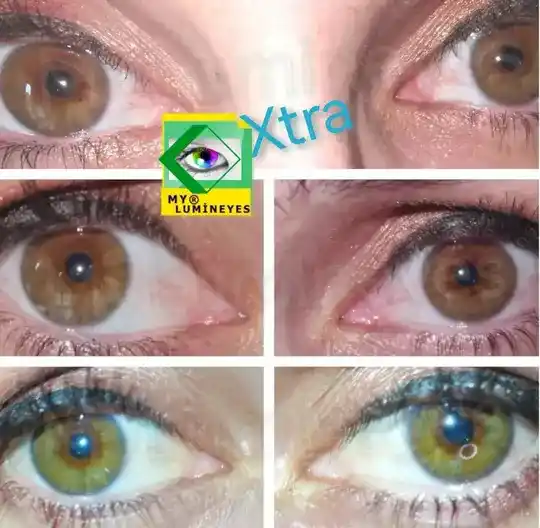
Le nouveau laser (Mylumineyes 8G+), qui peut changer la couleur des yeux, agit en éliminant la mélanine de l’iris. Si vous souhaitez changer définitivement la couleur de vos yeux sans lentilles colorées ni chirurgie, vous n’avez qu’une seule option : changement de couleur des yeux au laser . Derrière presque chaque œil brun se cache la possibilité d’un œil coloré. La seule distinction est que les yeux bruns ont une fine couche de pigment recouvrant l’iris.Laser chirurgie de changement de couleur des yeux : le pigment de l’iris est ciblé par un laser à faible énergie guidé par ordinateur pendant la chirurgie Mylumineyes. À travers la cornée transparente, une certaine fréquence laser est absorbée par le pigment de l’iris. Cela initie l’élimination du pigment par certaines cellules de l’œil. Après élimination des pigments, les yeux colorés sont révélés.

Est-il possible de Changer naturellement la couleur des yeux ?
Non malheureusement. La couleur des yeux, comme la couleur des cheveux et de la peau, est héritée. Afin d’obtenir un changement permanent sans chirurgie, le code génétique ou la structure cellulaire doit être modifié.
Quel est le coût de Lumineyes ?
Lumineyes est le nom réel de la procédure chirurgicale de changement de couleur des yeux au laser. Le Dr Mete est la première personne au monde à appliquer avec succès cette technique. Les séances supplémentaires sont facturées séparément et débutent en moyenne à 5 000 euros pour Lumineyes. Non, car la procédure ne peut pas être annulée. Une fois que l’œil a été nettoyé, il ne peut pas retourner à son état antérieur d’obscurité.
Comment changer la couleur des yeux sans utiliser de laser
En plus du laser, les lentilles de contact colorées peuvent être utilisées pour changer la couleur des yeux sans présenter de risque significatif pour vos yeux. Cependant, il est plus sûr que la kératopigmentation et l’implant d’iris, malgré le fait qu’il semble sans risque. À l’exception de la chirurgie de changement de couleur des yeux au laser, tous les traitements entraîneront une apparence artificielle ; ils ne sont pas naturels. Cependant, les résultats de l’opération de changement de couleur des yeux au laser My Lumineyes sont tout à fait naturels.
Pourquoi les yeux changent-ils de couleur ?
La pigmentation de l’iris dicte la couleur des yeux. Dans des situations spécifiques, les pigments qui définissent sa teinte peuvent changer pour des raisons naturelles. Dans de rares cas, cela est faisable. Par conséquent, examinons toutes les variables naturelles qui peuvent modifier la couleur des yeux.
Lumière
La taille de la pupille est contrôlée par l’iris, un muscle qui se dilate et se contracte au besoin. Comme vous le savez probablement déjà, la pupille se dilate dans l’obscurité et se resserre à la lumière. Eh bien, les mouvements d’ouverture et de fermeture de la pupille peuvent faire migrer les pigments de l’iris, donnant l’apparence d’un minuscule changement de couleur des yeux.
Âge
La couleur de vos yeux peut changer avec le temps. En vérité, les yeux d’un bébé sont souvent de couleur relativement claire ; pourtant, selon les facteurs héréditaires et la quantité de mélanine produite, la couleur peut s’assombrir au fur et à mesure que le bébé grandit. Les yeux de certains Caucasiens peuvent redevenir clairs en vieillissant, car leurs pigments peuvent s’estomper ou changer.
Sentiments
Oui, même les éclats de bonheur et les averses d’eau peuvent modifier la taille des pupilles et, par conséquent, la couleur perçue de l’iris. Il est vrai que vous pouvez parfois discerner l’humeur d’une personne simplement en lui jetant un coup d’œil dans les yeux.
exposition au soleil
La lumière du soleil a un effet sur la synthèse de mélanine. Après des vacances au soleil, vos yeux peuvent devenir légèrement plus foncés.
pratiques alimentaires
Certains repas peuvent influencer la couleur des yeux, ou à tout le moins leur apparence. Les épinards et le miel bio rendent les yeux plus brillants, tandis que le poisson rehausse leur couleur. Les oignons, l’huile d’olive et les noisettes ont également un effet sur la santé des yeux et donc sur la couleur.
Comment pouvez-vous changer la couleur de vos yeux sans utiliser de lentilles de contact ? Si vos yeux ne sont pas particulièrement foncés, vous pouvez les assombrir en utilisant un fard à paupières ou un crayon bleu, ou du cuivre et de l’or. L’application d’un eye-liner bleu sur la paupière supérieure aide également à générer un effet optique qui rend les yeux plus distincts. Naturellement, les tons bronze produisent des reflets bleus dans l’iris, donc ajuster votre maquillage pour imiter cela pourrait vous aider à adopter la couleur naturelle de vos yeux. Il semble qu’il y ait des zones plus claires dans les yeux noisette qui seraient plus visibles si elles étaient dorées. Choisissez un maquillage violet, marron ou rose si vous avez les yeux verts et souhaitez les accentuer.
Les aliments affectent-ils le changement de couleur des yeux ?
Évitez tous les remèdes maison, comme ceux qui proposent de se mettre chaque jour une goutte de miel dans l’œil : il n’est pas vrai que cette substance les soulage en quoi que ce soit ! C’est une rumeur dangereuse car si vous y croyez, vous risquez d’exposer par inadvertance votre œil aux germes contenus dans le miel, risquant de tomber gravement malades.
Quelle couleur des yeux est la plus rare ? dans le monde ?
D’abord gris, puis vert. Le vert est considéré comme la couleur des yeux la plus rare, mais le gris est plus rare. C’est l’une des teintes d’yeux les plus rares et les plus recherchées, car seulement environ 3% de la population mondiale a les yeux gris. Selon les individus, les yeux gris vont du gris foncé au grisâtre. Du vert au gris-bleu, il se décline en une gamme de teintes et d’intensités. Les yeux gris sont un changement latéral courant de la chirurgie de la couleur des yeux au laser.
Certains sites d’information affirment que la couleur des yeux change toutes les 20 secondes. Vrai ou faux ?
Cette affirmation est fausse. Il est basé sur un récit erroné qui est apparu pour la première fois il y a de nombreuses années. D’après la source de ces informations, il n’y a pas eu de succès remarquables enregistrés au cours des 15 dernières années, seulement des affirmations optimistes. J’aimerais vous rappeler que Mylumineyes a 13 ans de plus que vous, avec des résultats efficaces et tangibles dans le monde réel. continue de proclamer
Certains médecins affirment que cette opération est dangereux et ne doit pas être effectué.
En réalité, nos amis médecins ont partiellement raison et partiellement tort en ce qui concerne la chirurgie de changement de couleur des yeux au laser. Pourquoi demandes-tu? Qui fait cette approche et comment est variable. La chirurgie de changement de couleur des yeux au laser Mylumineyes Xtra est beaucoup plus sûre que le LASIK ou la chirurgie de la cataracte.