Eye Color and Health: What Science Really Shows
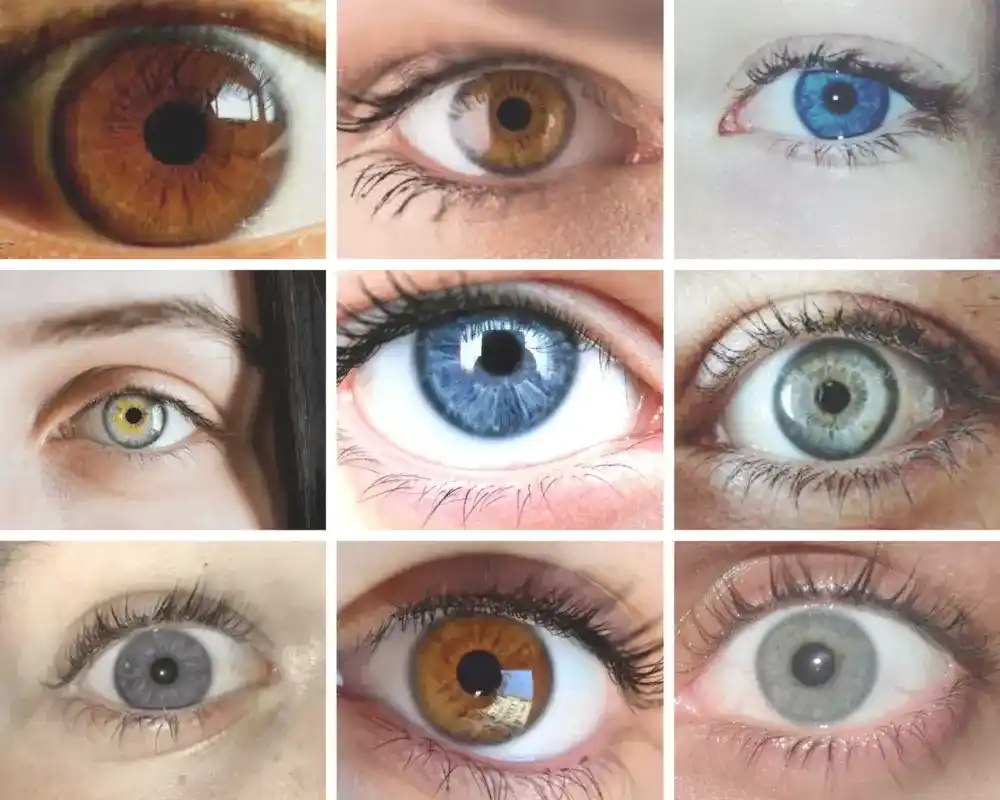
Eye color is determined mainly by melanin and iris structure, but melanin levels may also influence how the eye responds to light, ultraviolet radiation and certain medical conditions. Although eye color alone cannot diagnose disease, research suggests that some colors are associated with slightly higher or lower risks for specific issues. These associations are general tendencies, not strict rules for individuals.
For a full medical explanation of how melanin and genetics determine eye color, see our main reference page, the Eye Color Chart & Genetics Guide.

How Melanin Influences Eye Health
Melanin acts as a natural filter that absorbs light and helps protect internal eye structures from UV exposure. Because darker irises contain more melanin, they generally reflect less light and may provide additional protection in bright environments. Lighter-colored eyes contain less melanin and may be more sensitive to sunlight or glare.
These differences do not mean one color is “healthier,” but that each color may have unique sensitivities:
- Darker eyes: Absorb more UV and visible light, offering some natural protection against intense sunlight.
- Lighter eyes: May be more sensitive to glare and bright light and may require stronger sun protection outdoors.
Age-Related Macular Degeneration (AMD)
Some studies suggest that individuals with lighter-colored eyes may have a slightly higher lifetime risk of age-related macular degeneration, a condition affecting the retina’s central area responsible for sharp vision. This is thought to be related to reduced melanin in the iris and retinal pigment epithelium, allowing more light and UV to penetrate internal tissues.
Conversely, darker irises may offer some natural protection due to higher melanin density. However, AMD is influenced by many factors besides eye color, including age, genetics, smoking, diet and overall health. Eye color alone does not determine whether someone will develop the condition.
For general medical background on AMD, see the National Eye Institute (NEI).
Which Eye Color Is the Most Sensitive to Light?
Light sensitivity is more common in individuals with blue, grey or very light green eyes. With less melanin to absorb light, bright sunlight may feel more intense and can cause discomfort more quickly. People with these eye colors often benefit from high-quality sunglasses with strong UV protection.
Brown and dark brown eyes contain more pigment and are generally less sensitive to bright light, though they too require UV protection to reduce long-term retinal and corneal damage.
Other Health Associations Mentioned in Research
Scientific studies have explored possible correlations between eye color and certain health conditions. These findings describe statistical patterns, not direct causation:
- Glare sensitivity: Lighter eyes may experience more glare during driving or outdoor activities.
- Hearing sensitivity: Some studies suggest blue-eyed individuals may be more sensitive to loud noise, though results are inconsistent.
- Alcohol tolerance: Research is mixed; some older studies suggested differences in tolerance by eye color, but these findings are not considered strong or clinically relevant today.
- Skin cancer risk: Individuals with lighter eye colors often have lighter skin types, which may correlate with increased sun sensitivity overall, not specifically eye color alone.
These observations should not be seen as medical predictions. Lifestyle, genetics, environment and personal habits play a far greater role in health risk than eye color alone.
Cataracts
Cataracts occur when the eye’s natural lens becomes cloudy over time. People with darker eyes may have slightly higher risk in certain regions with intense sunlight, while individuals with lighter eyes may be more sensitive to UV damage. In reality, cataract formation is influenced mostly by age, UV exposure, systemic health and genetic factors. Regular eye examinations remain the best way to monitor for cataracts regardless of eye color.
Vitiligo and Pigment Disorders
Certain pigment disorders can affect the iris along with skin or hair. Some research suggests that genes related to eye and skin pigmentation may overlap. These associations are rare and best evaluated by an ophthalmologist or dermatologist when symptoms appear.
How to Protect Your Eyes, Whatever Your Color
Your natural eye color should not be seen as an advantage or disadvantage. Whatever your iris shade, the following protective habits are beneficial:
- Wear sunglasses that block 99–100% of UV radiation.
- Avoid staring directly at strong light sources.
- Use hats or visors during prolonged outdoor exposure.
- Maintain a balanced diet rich in antioxidants and omega-3 fatty acids.
- Have regular eye examinations, especially with family history of eye disease.
These habits protect both lighter and darker irises from long-term damage.
Can Changing Eye Color Affect Eye Health?
Cosmetic methods that invade the eye, such as artificial iris implants, carry significant risks including glaucoma, chronic inflammation and loss of vision. They should not be used for cosmetic purposes.
Non-incisional laser eye color change aims to reduce melanin in the iris under controlled conditions. It is still in a clinical trial phase, and patient selection is critical. Only after full ophthalmological evaluation and strict safety protocols can this procedure be considered. For more details, see our dedicated Laser Eye Color Change procedure page.
Key Points
- Eye color is influenced by melanin, but melanin also affects how eyes respond to light and UV exposure.
- Lighter eyes may be more sensitive to glare; darker eyes may offer more natural protection in bright environments.
- Some conditions show mild statistical associations with eye color, but these patterns do not predict individual health.
- Protective habits and regular examinations matter far more than eye color alone.
This article is intended for general medical information and does not replace a professional eye examination. If you notice sudden changes in vision or eye appearance, please consult a qualified ophthalmologist.