Before and after laser eye color change surgery-treatment
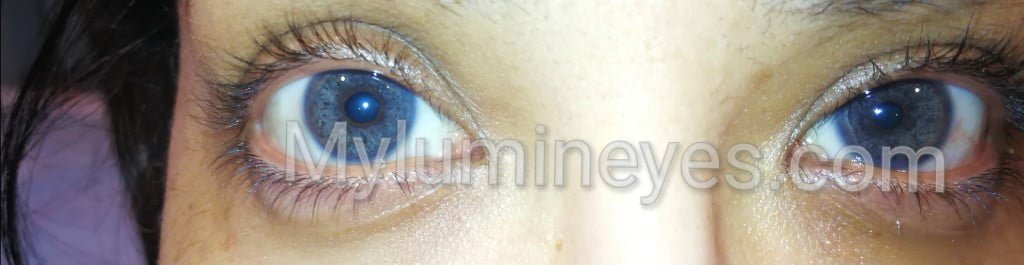
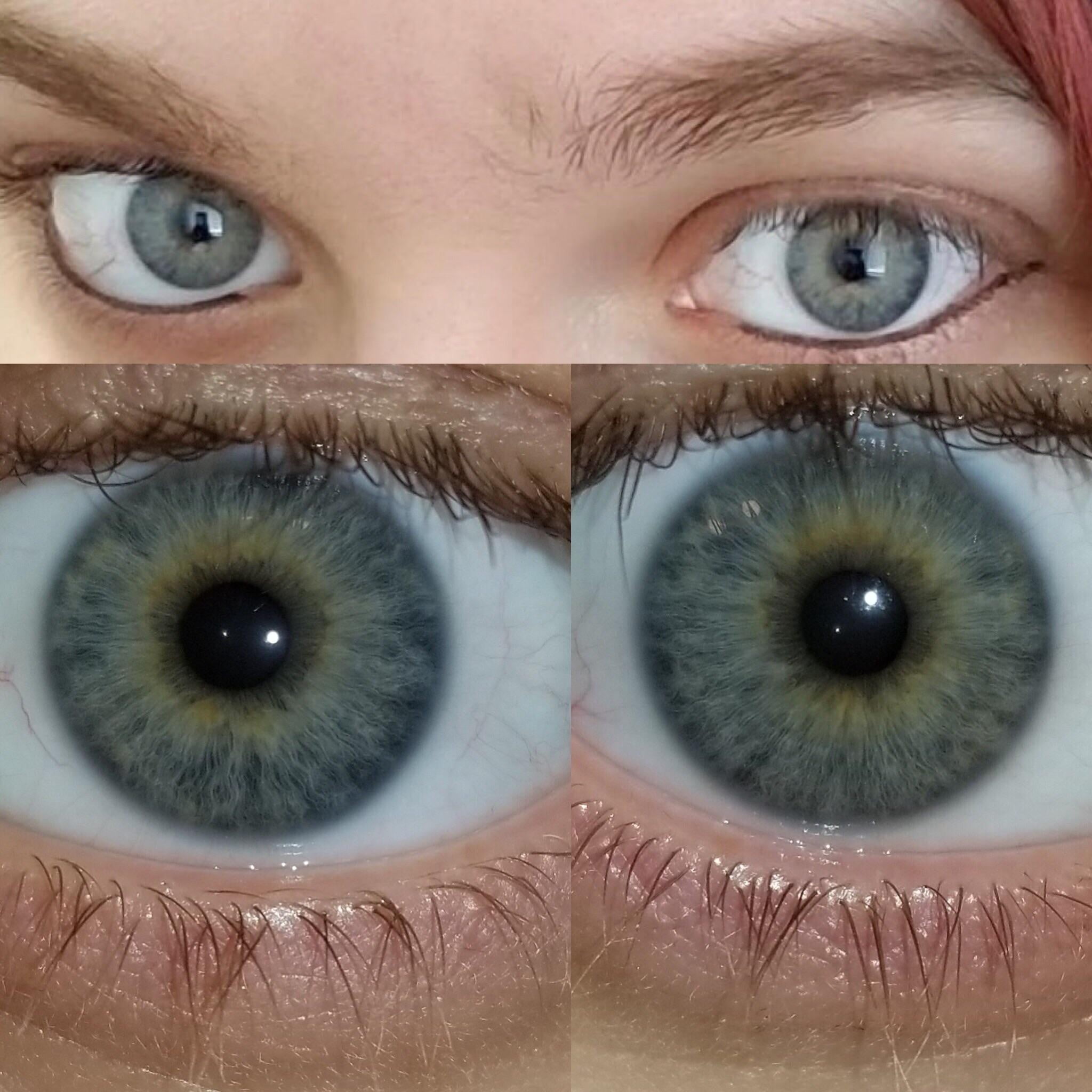
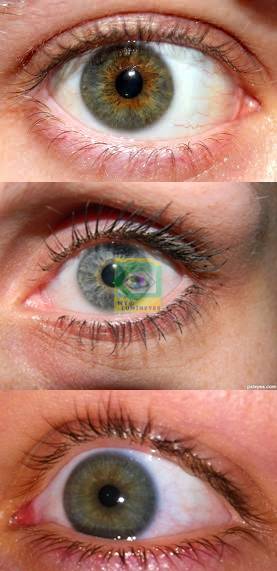
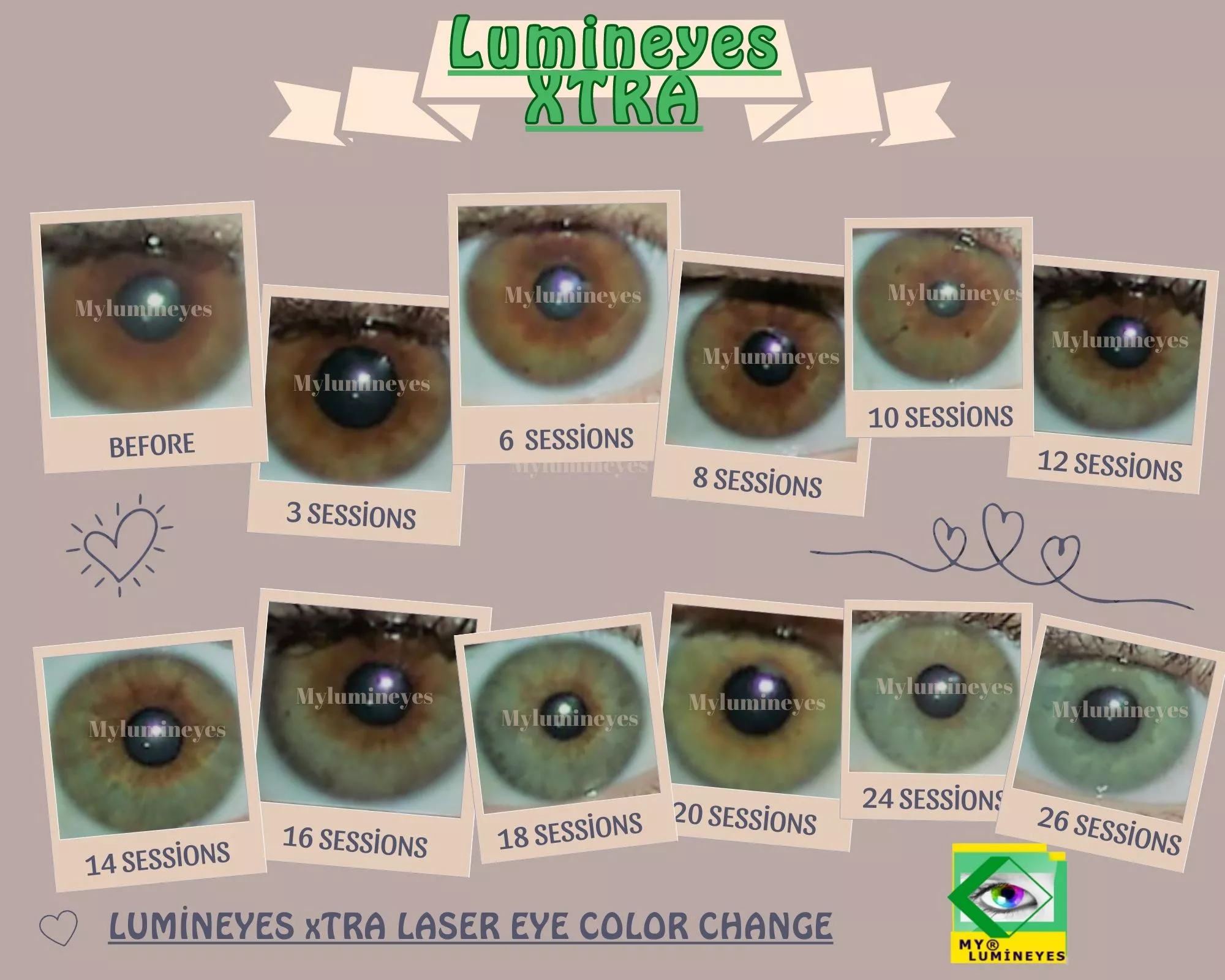
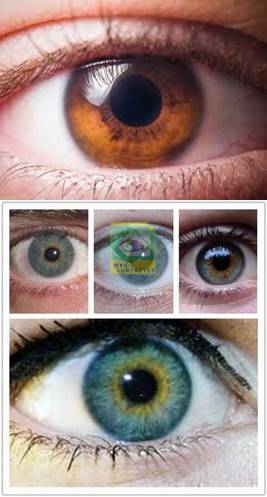
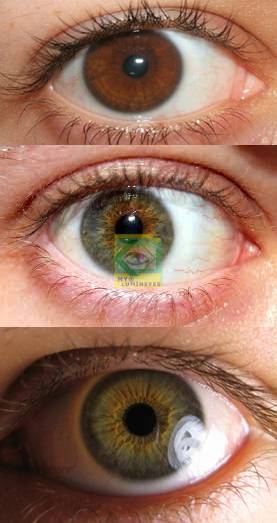
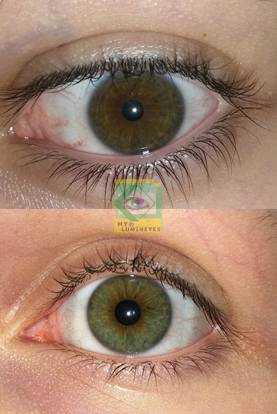
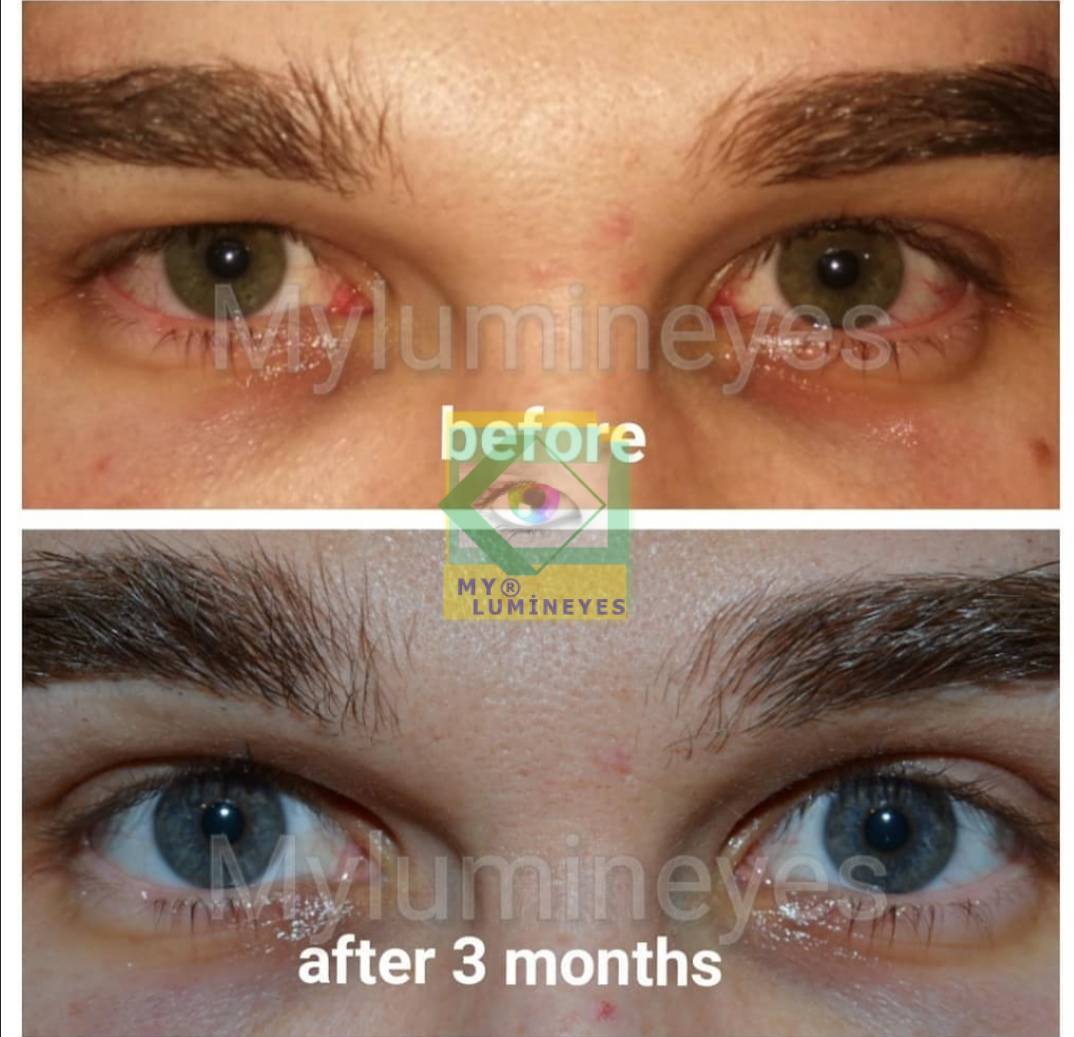
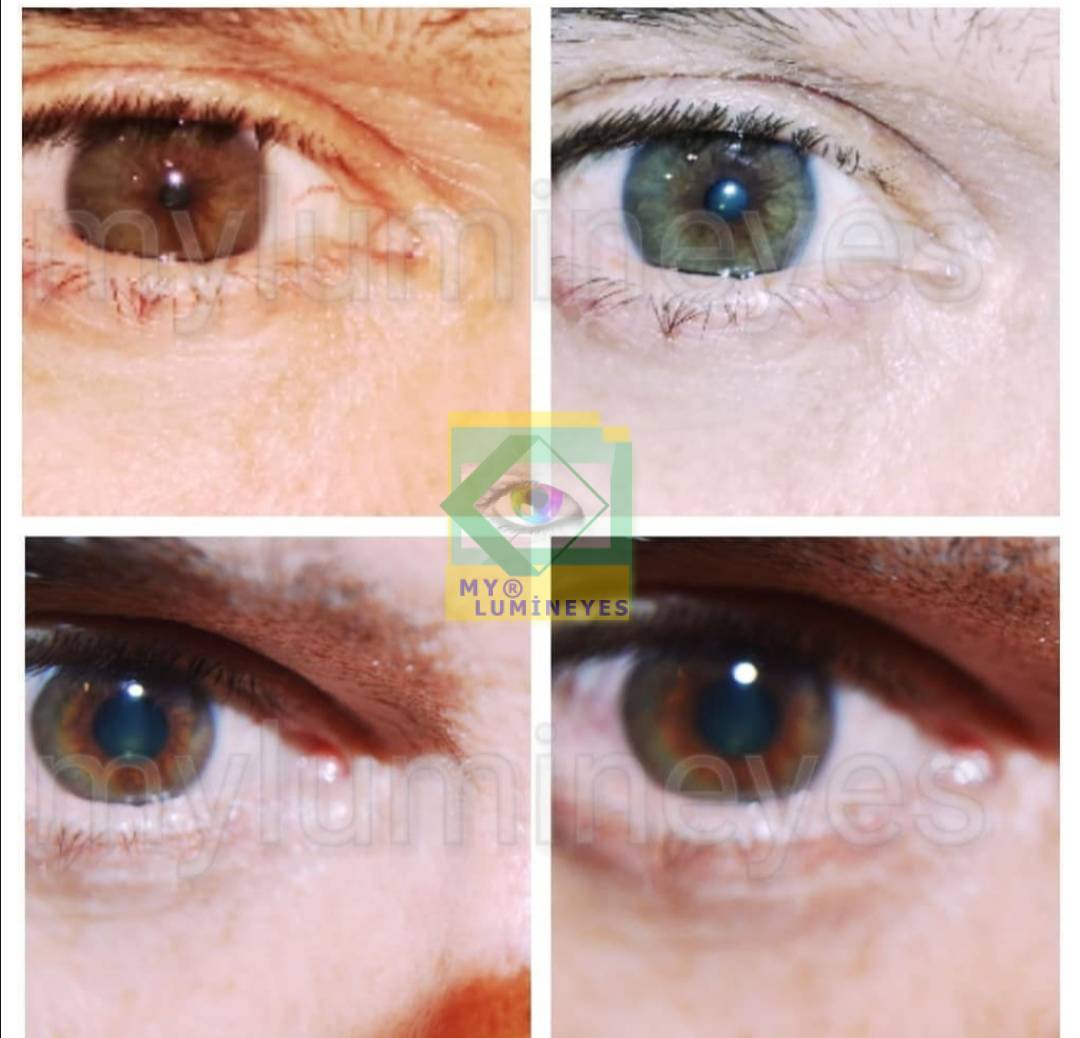
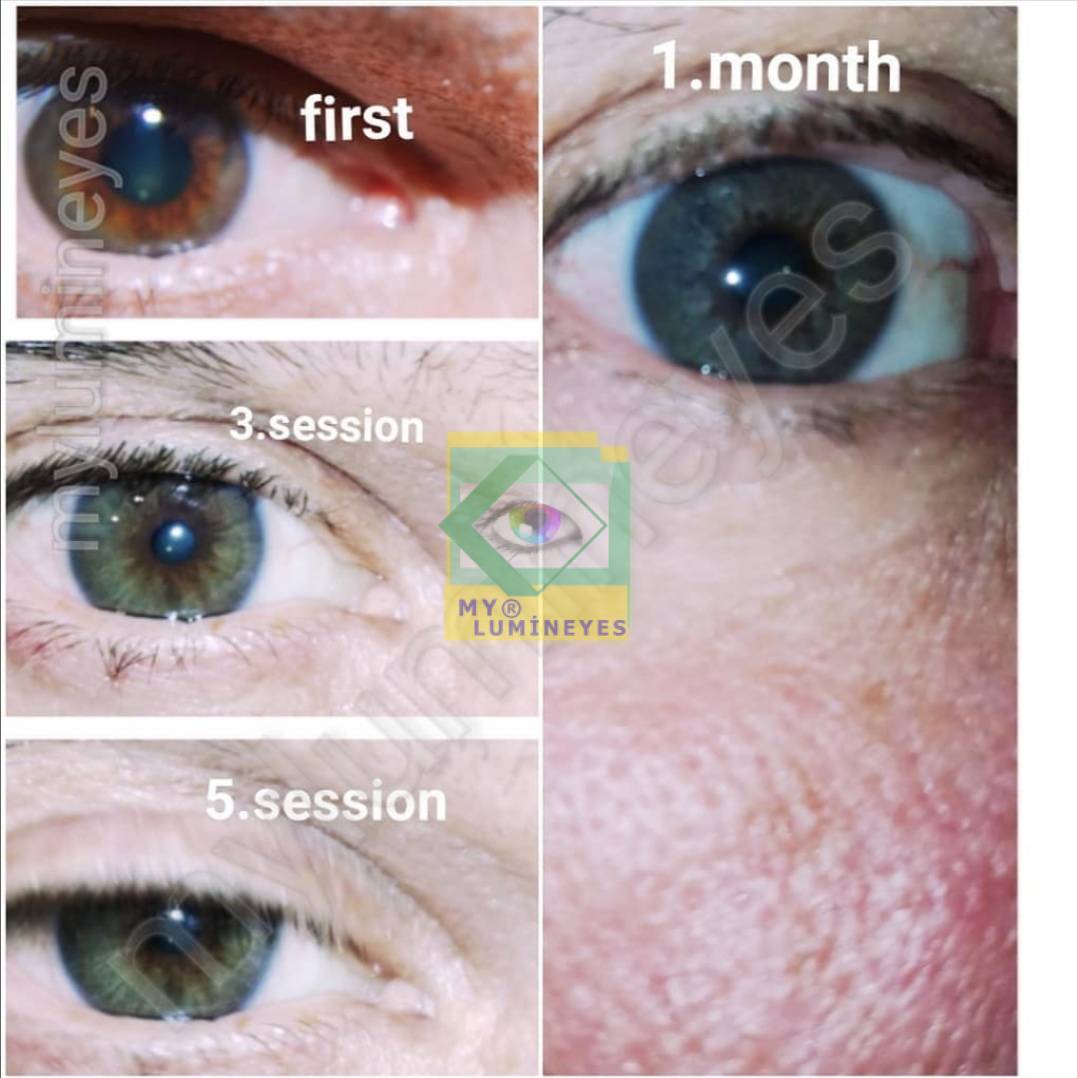
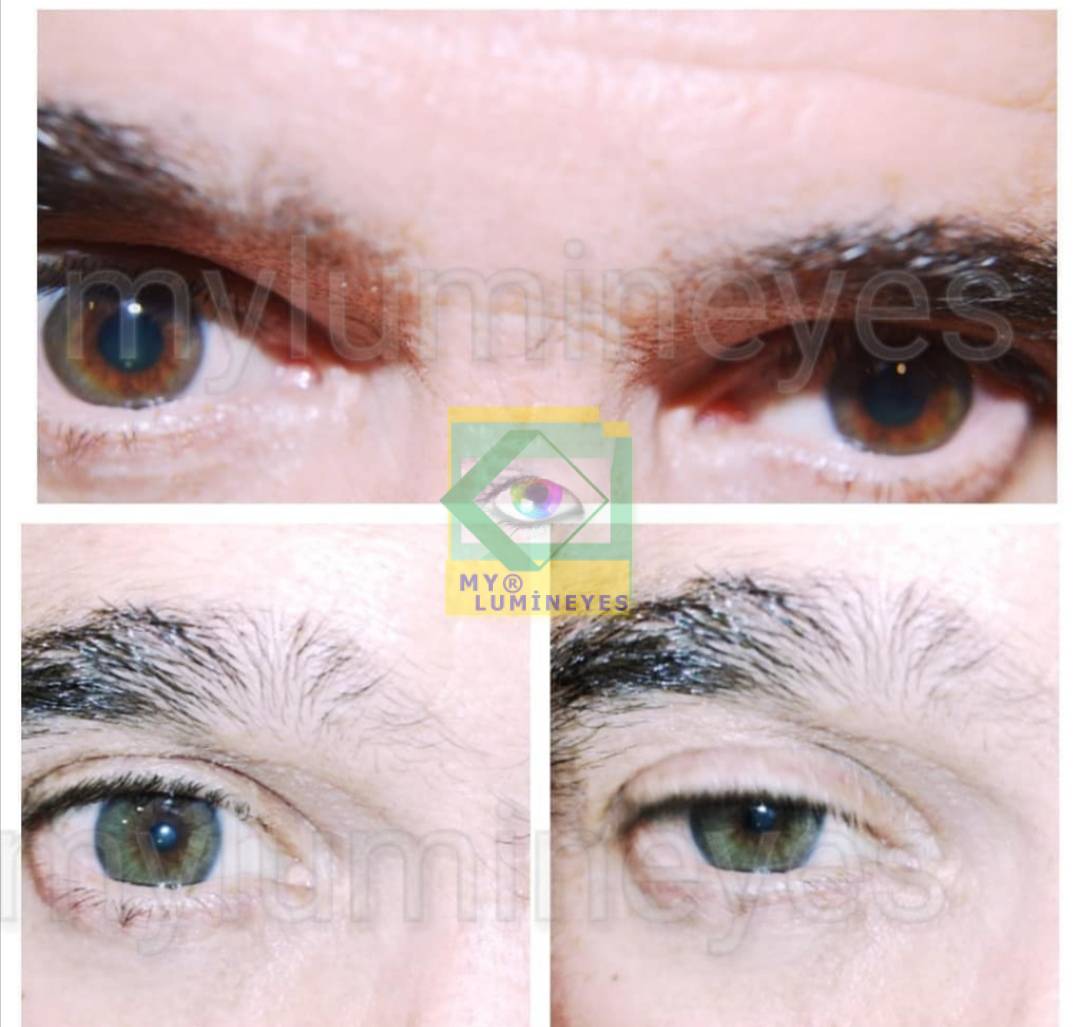
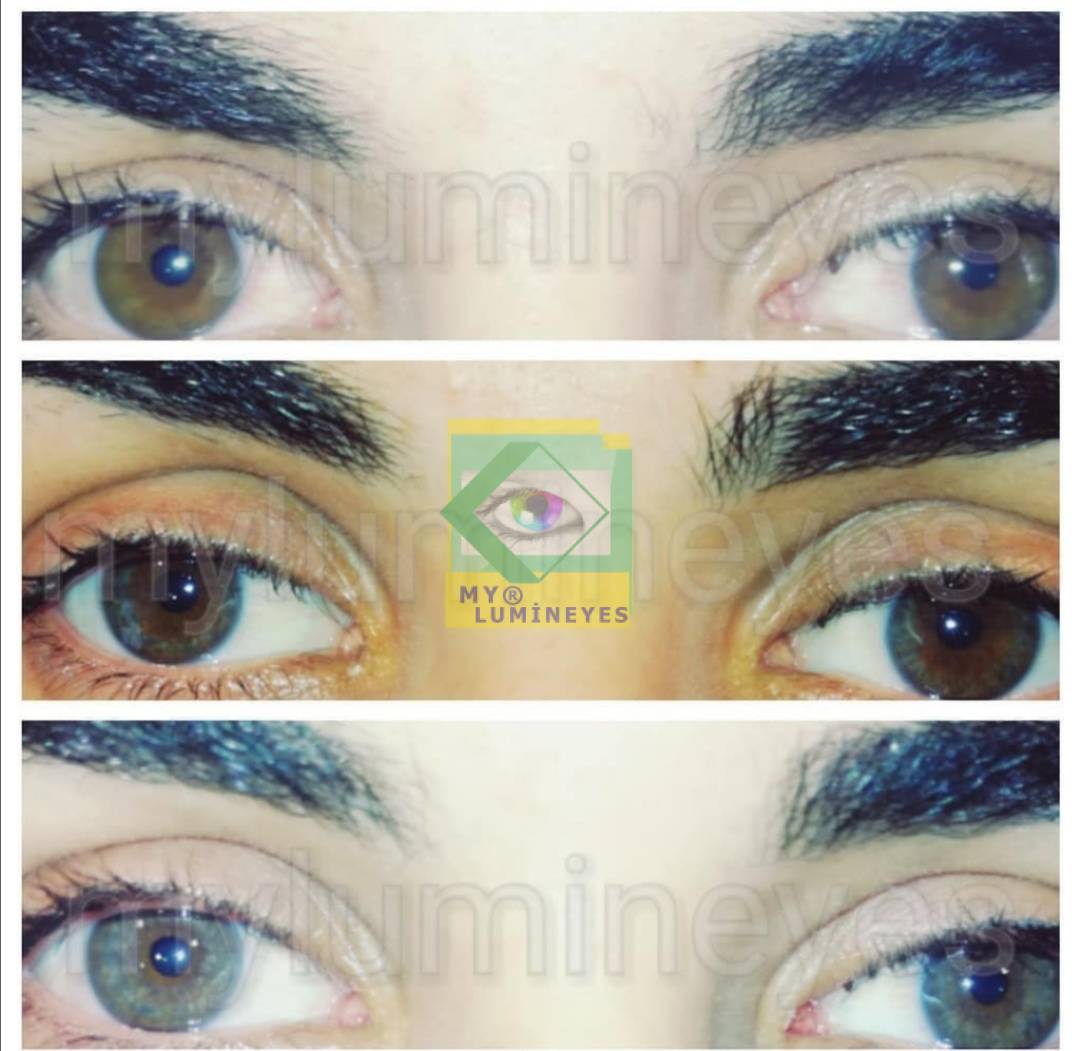
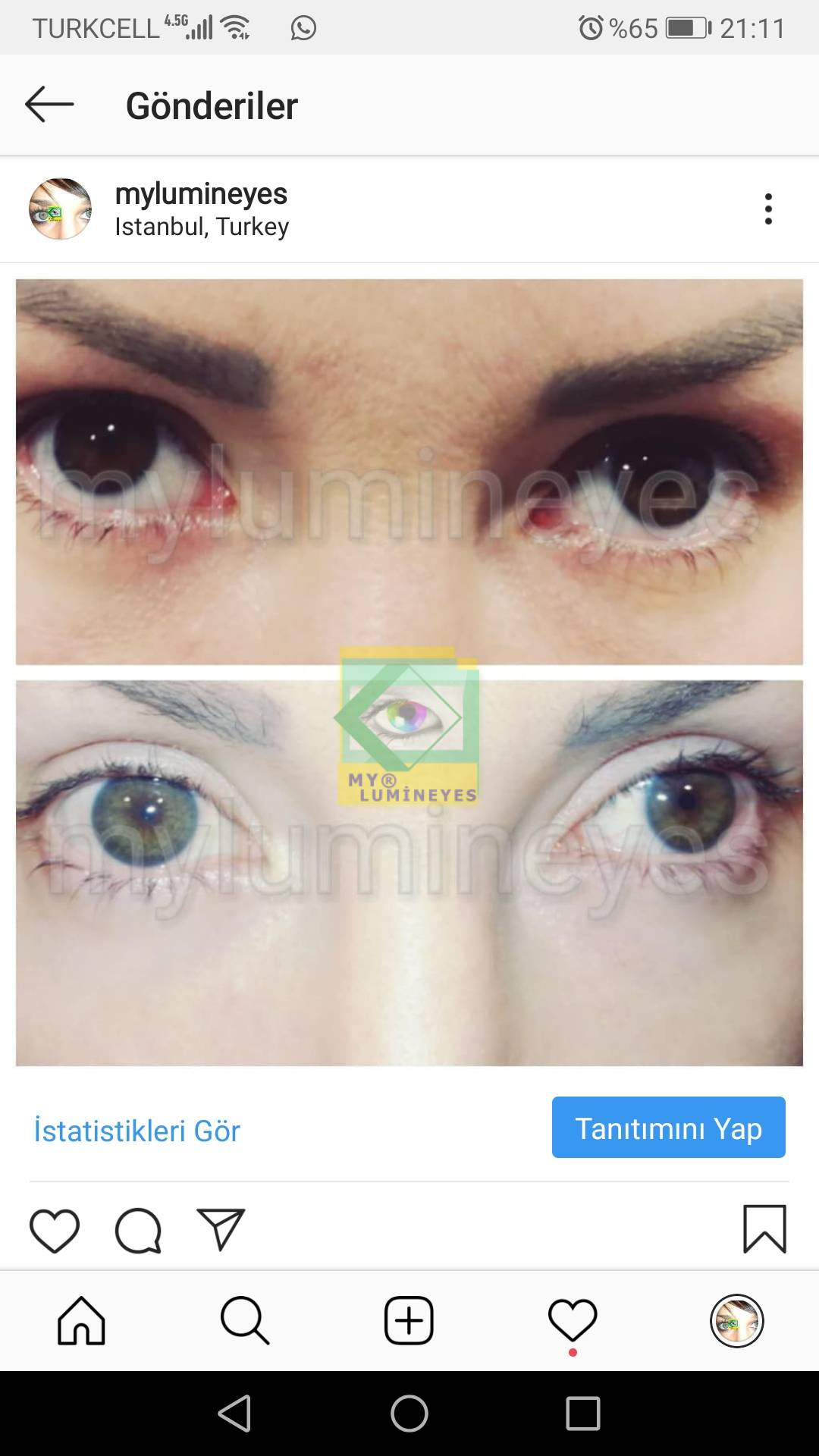
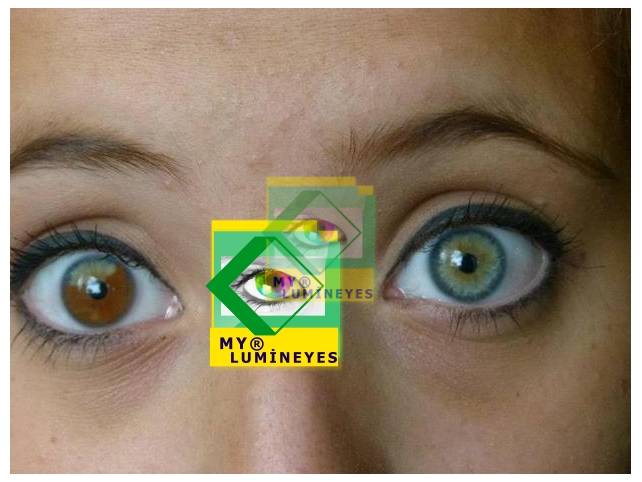
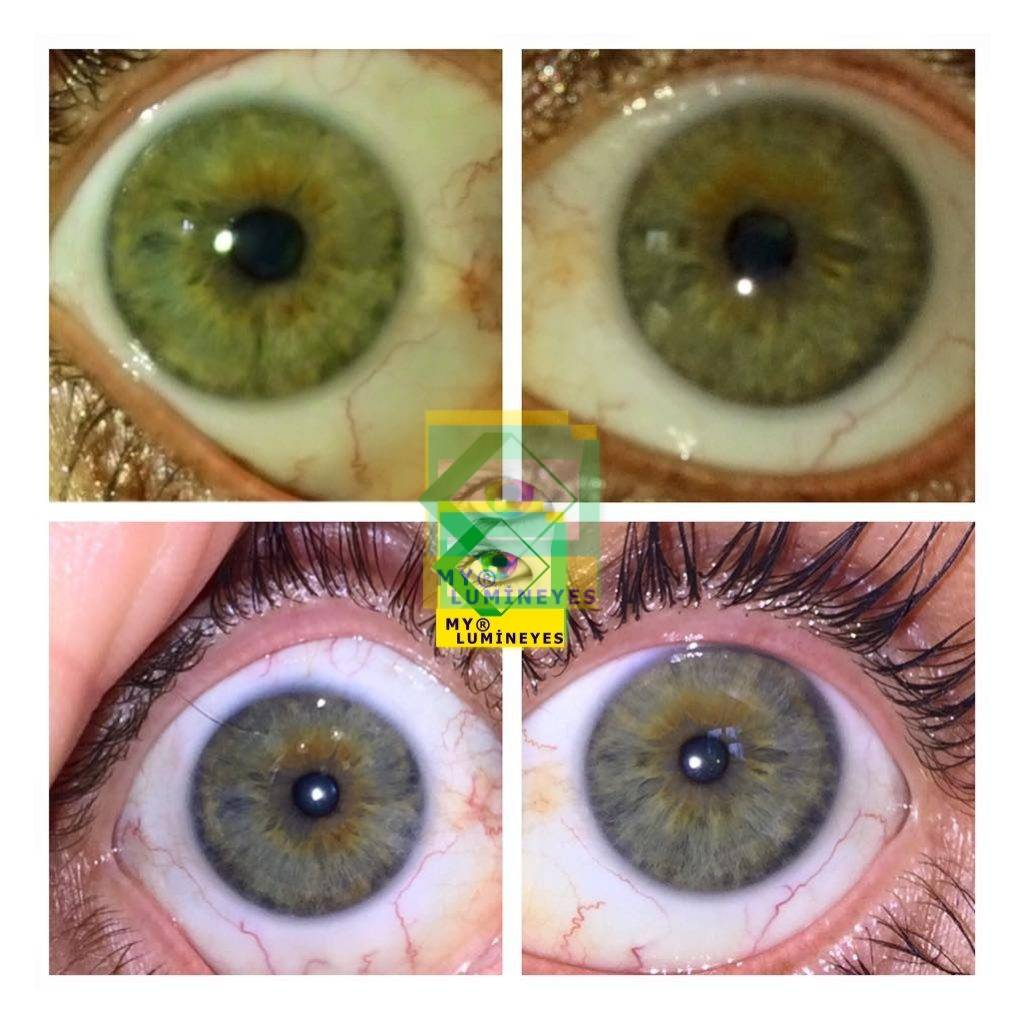
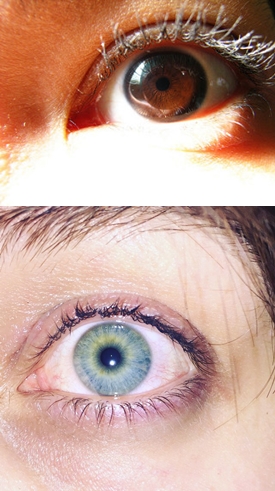
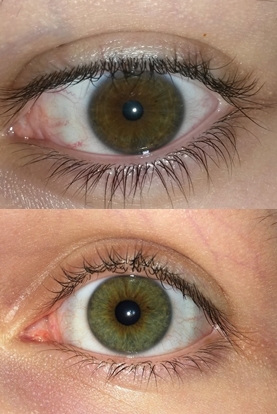
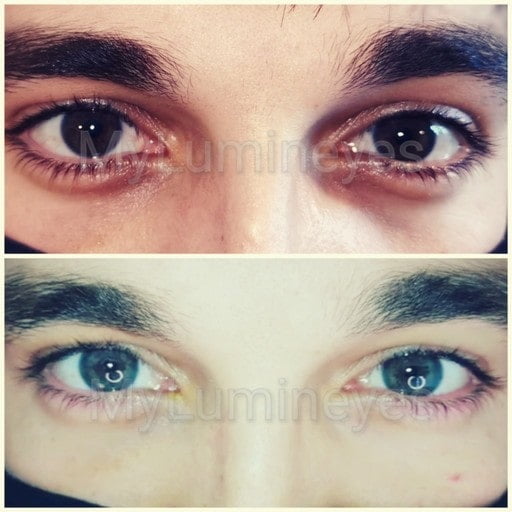
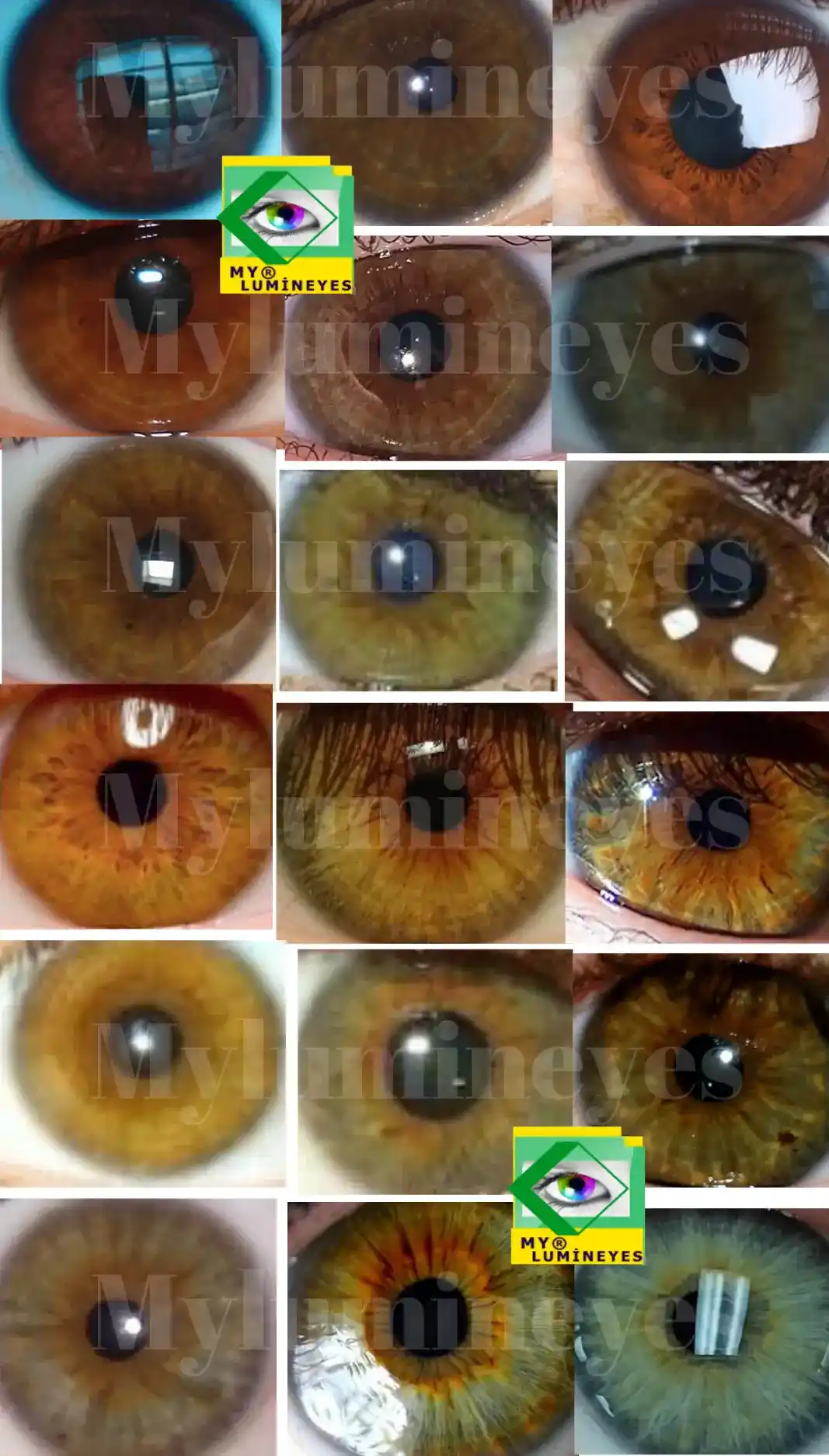
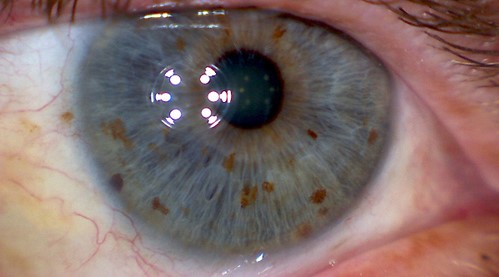
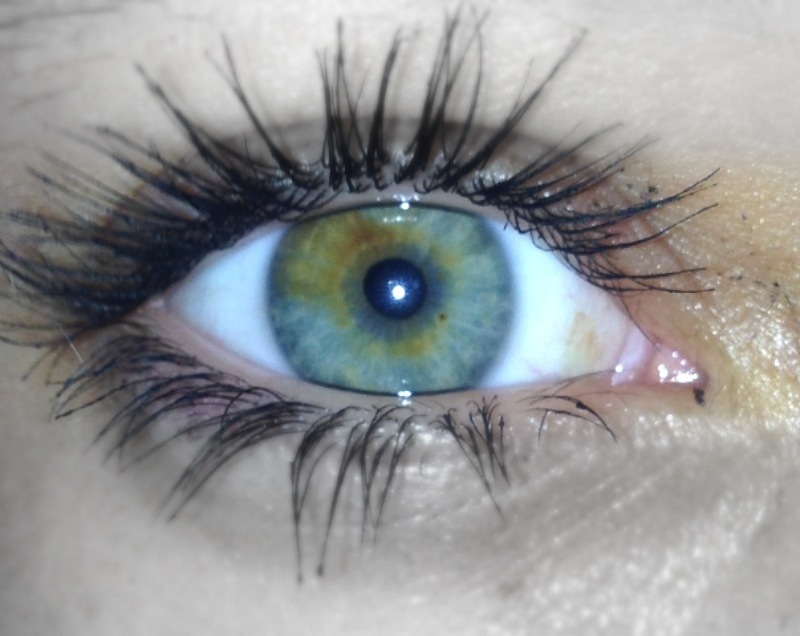
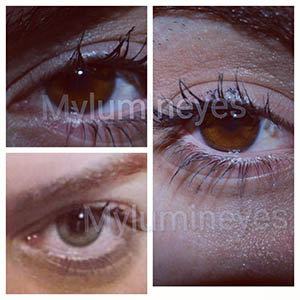
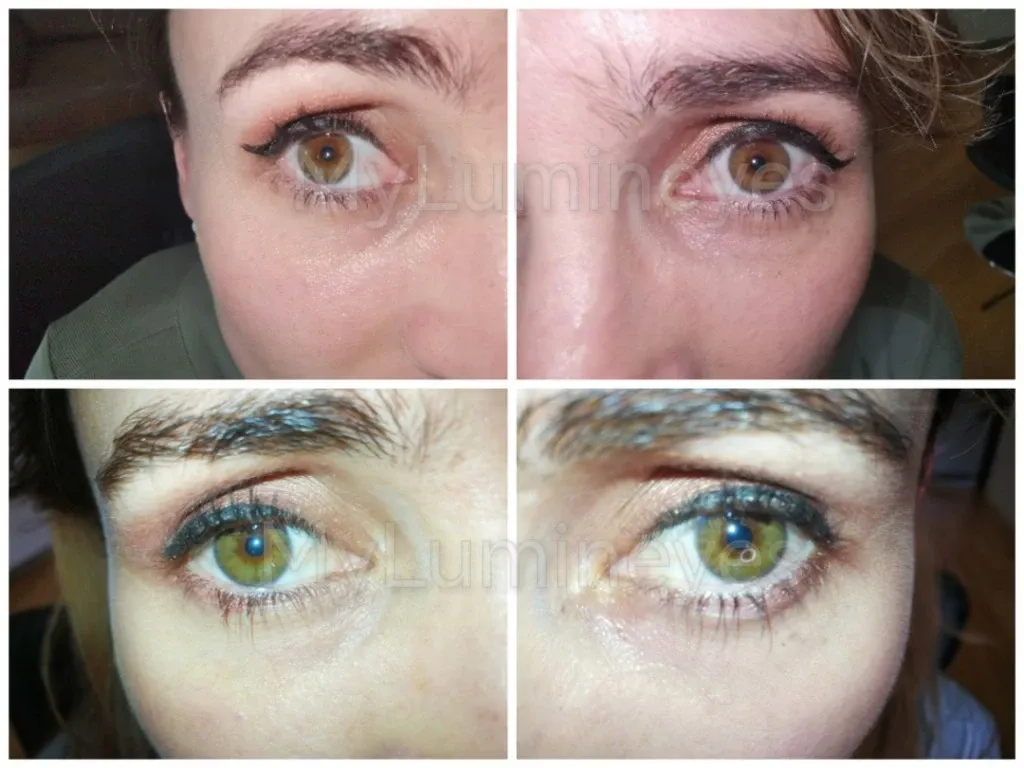
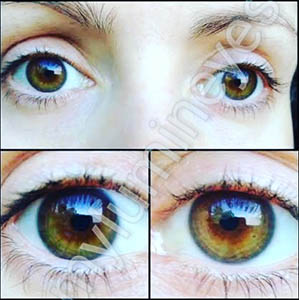
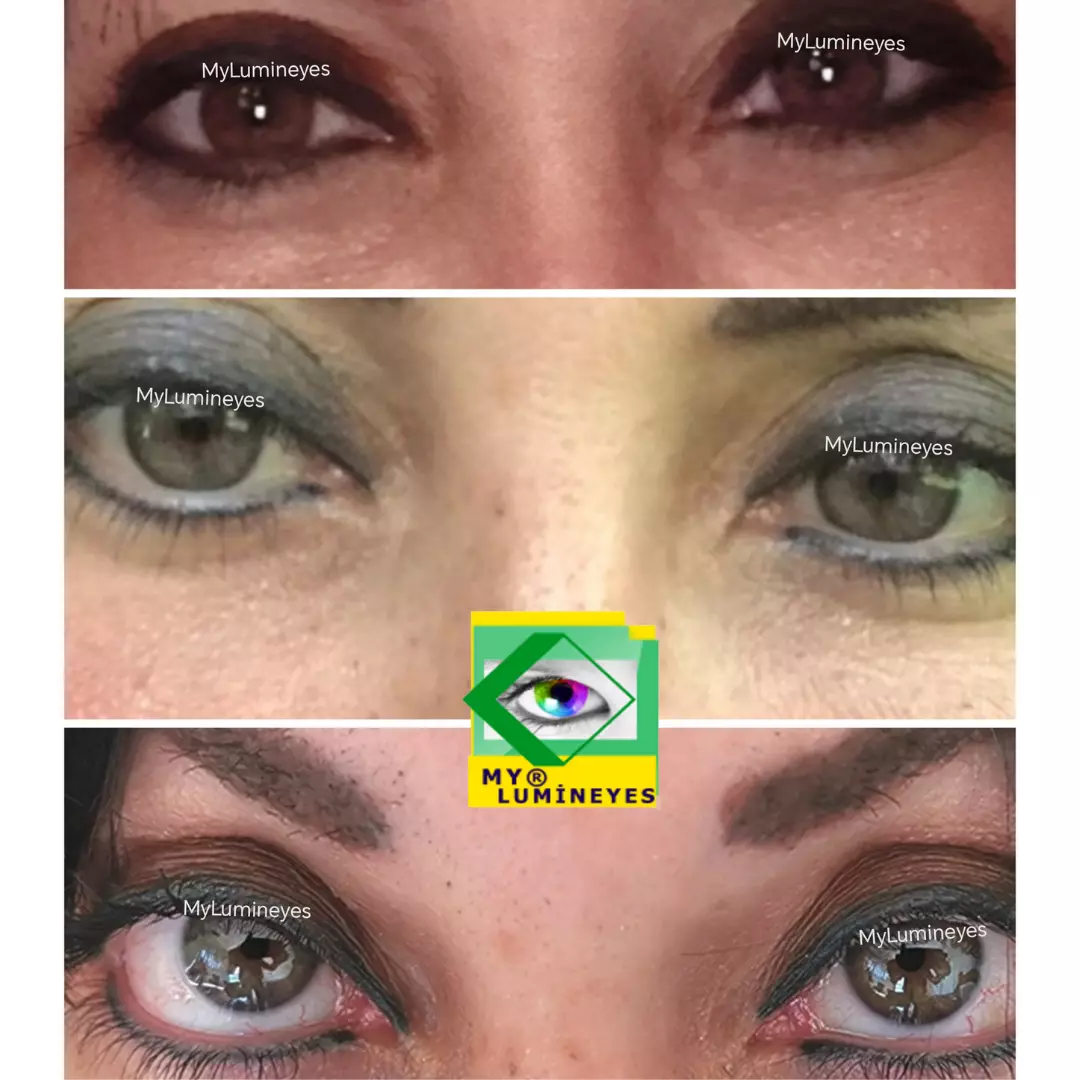
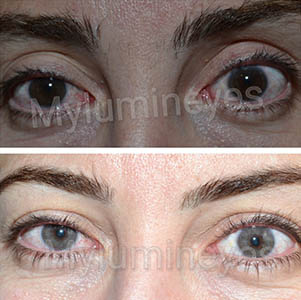
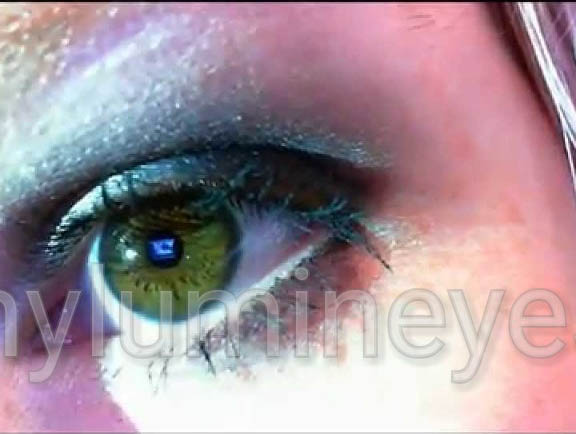
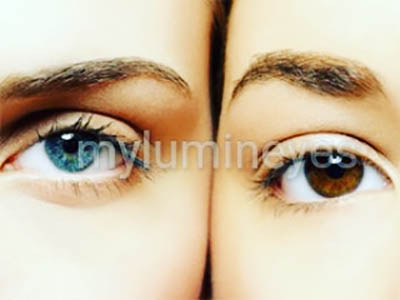
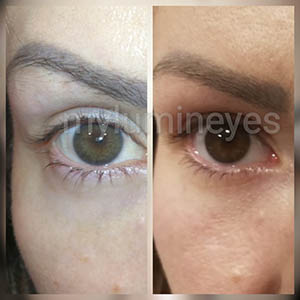
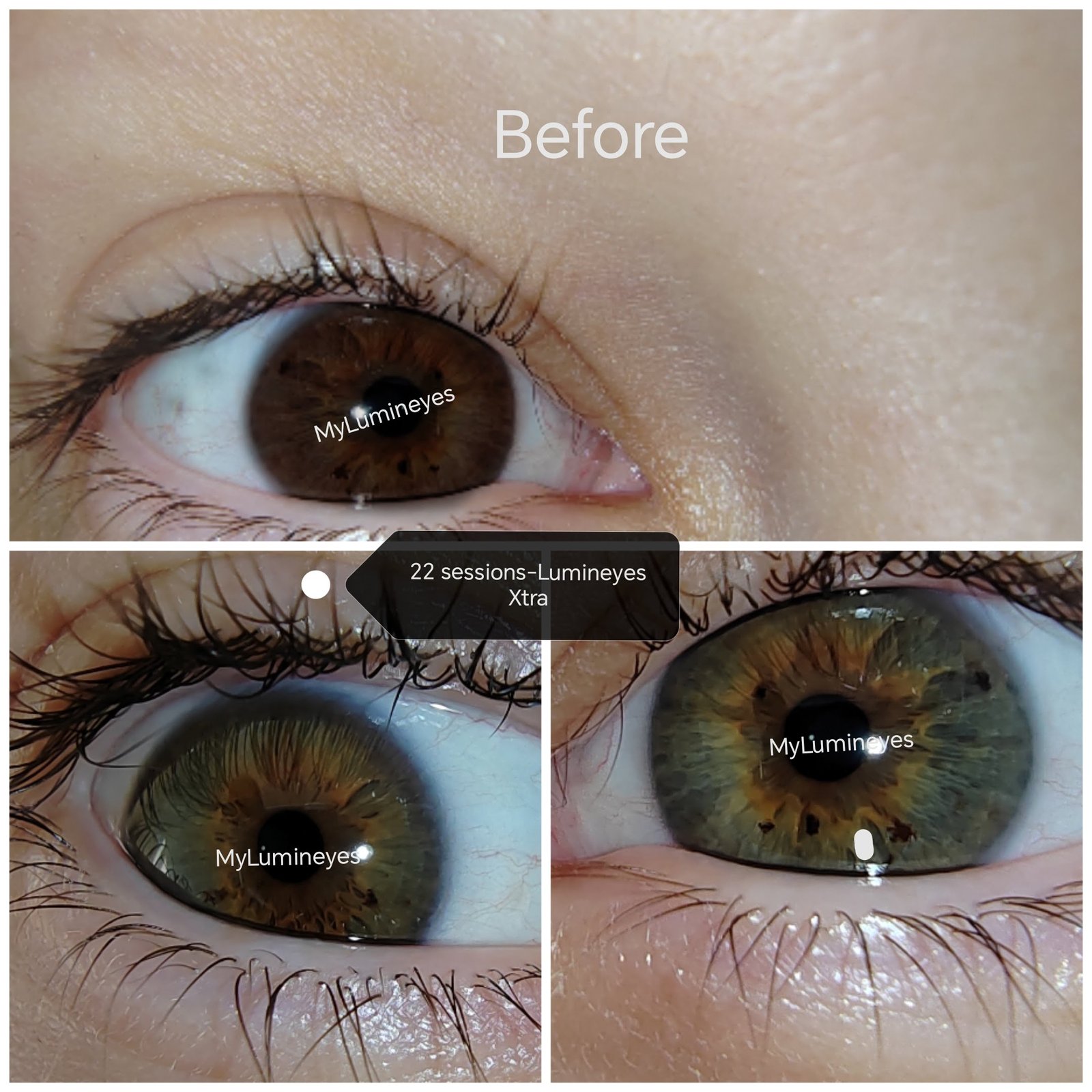
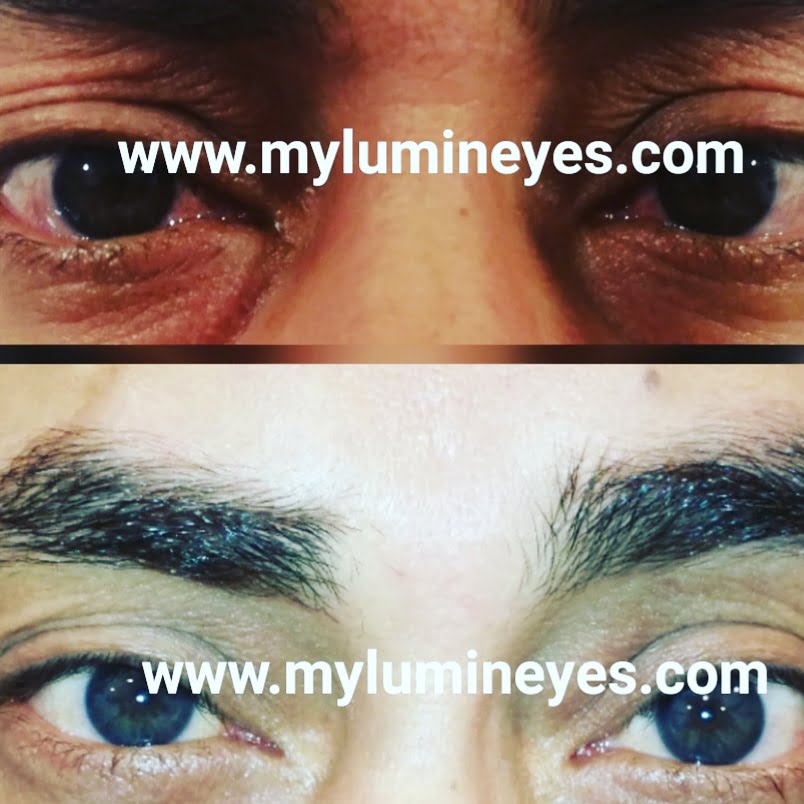
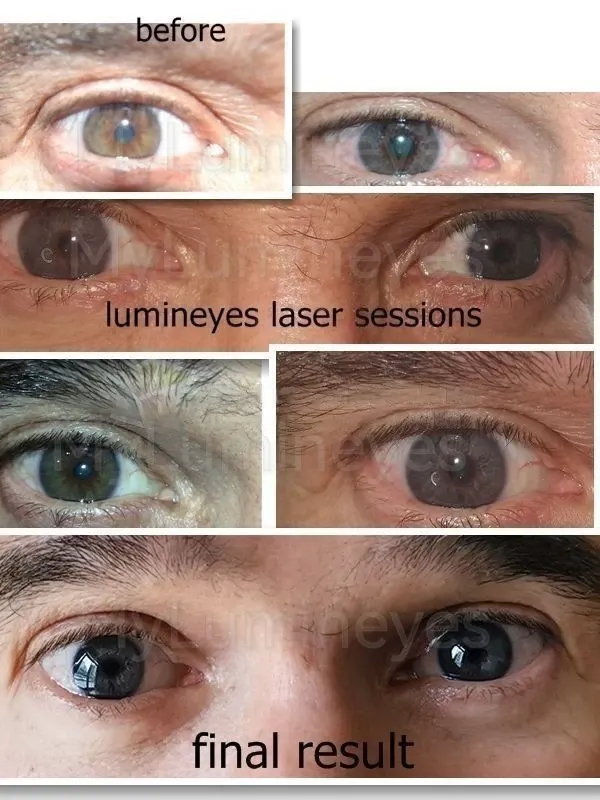
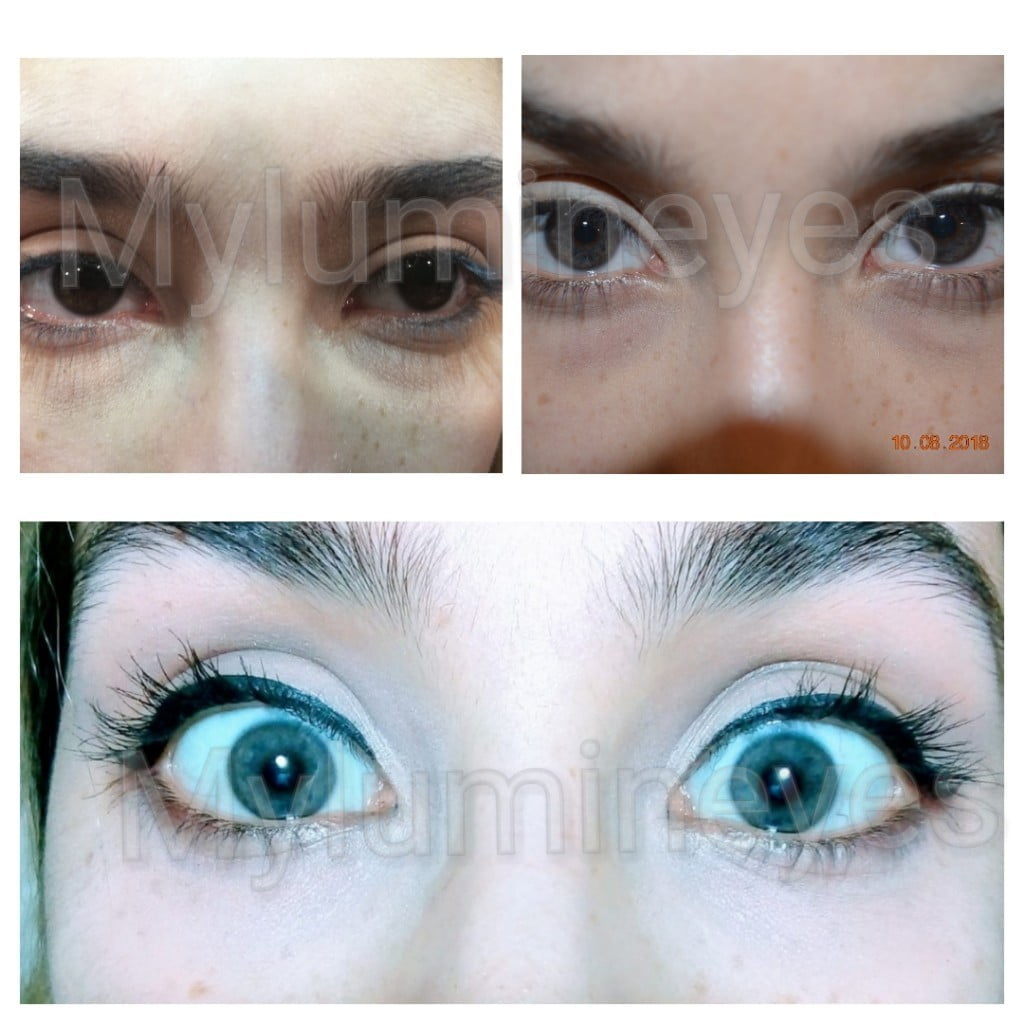
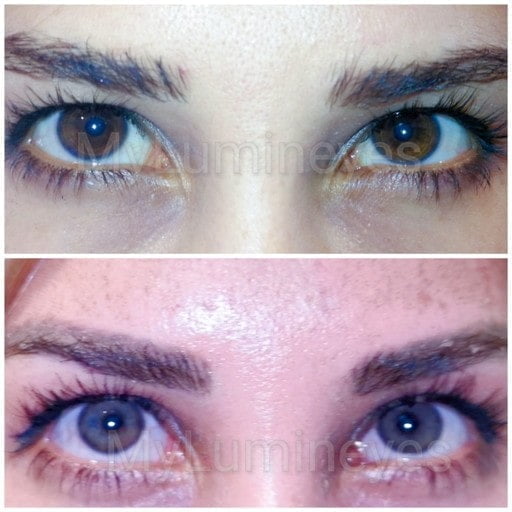
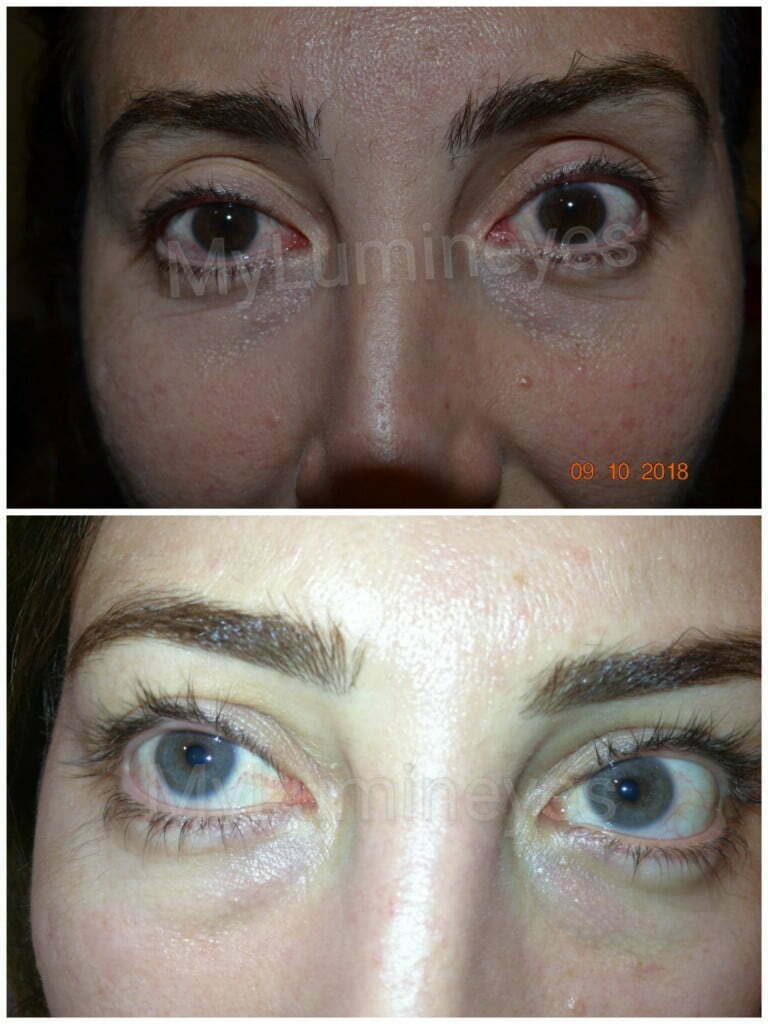
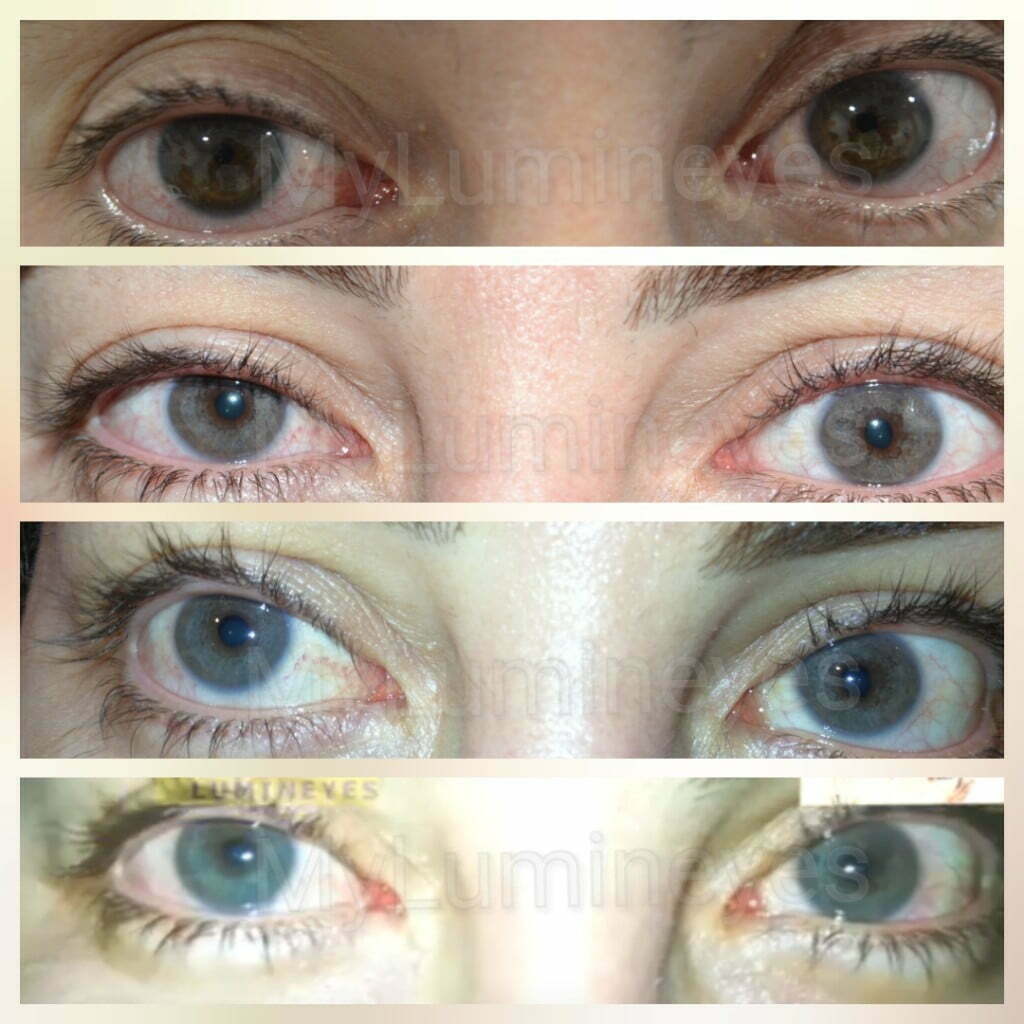
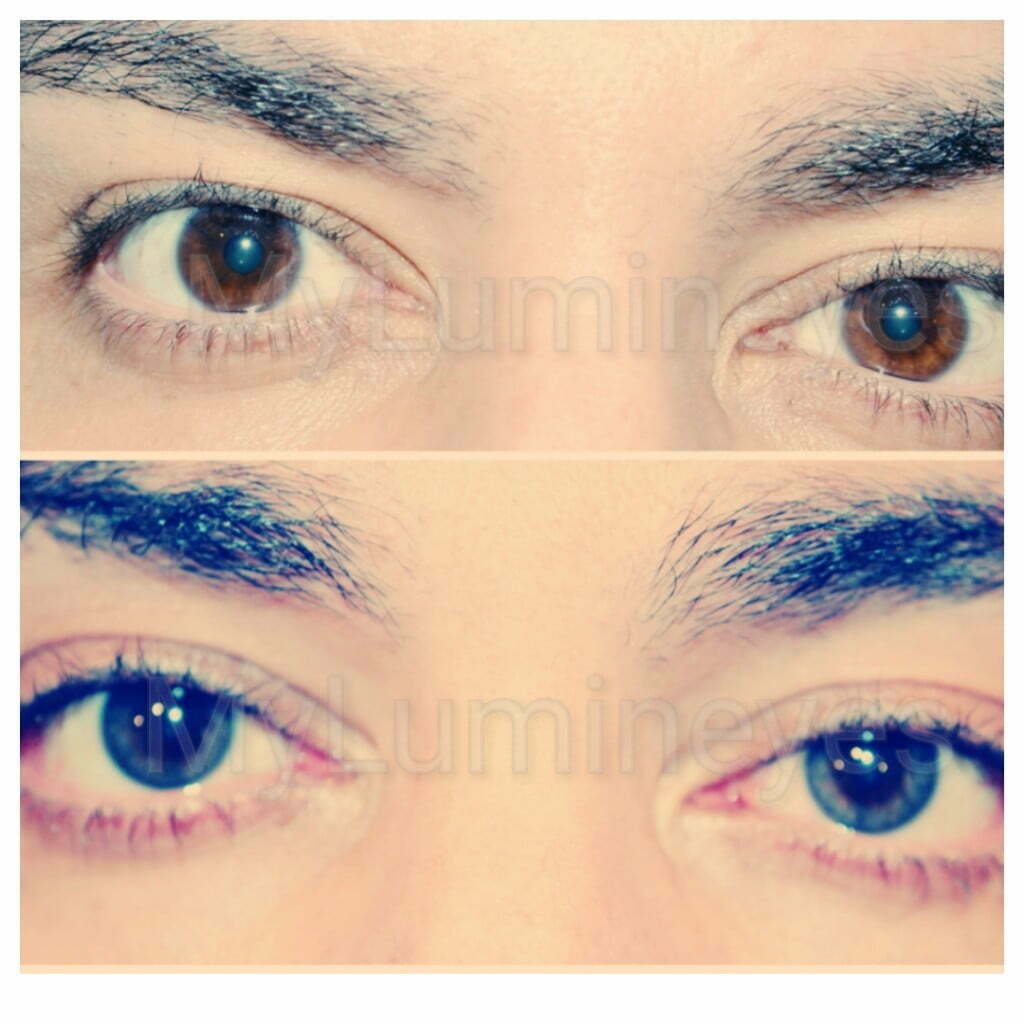
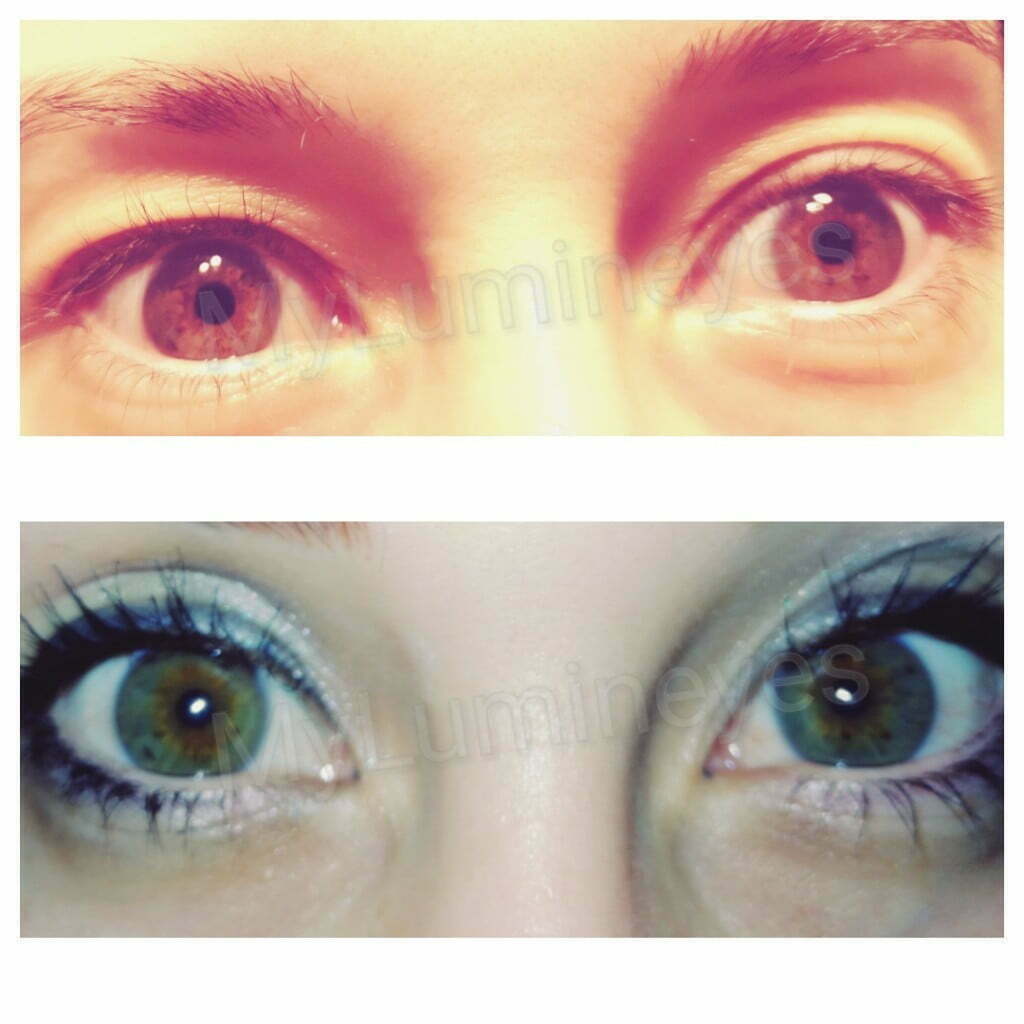
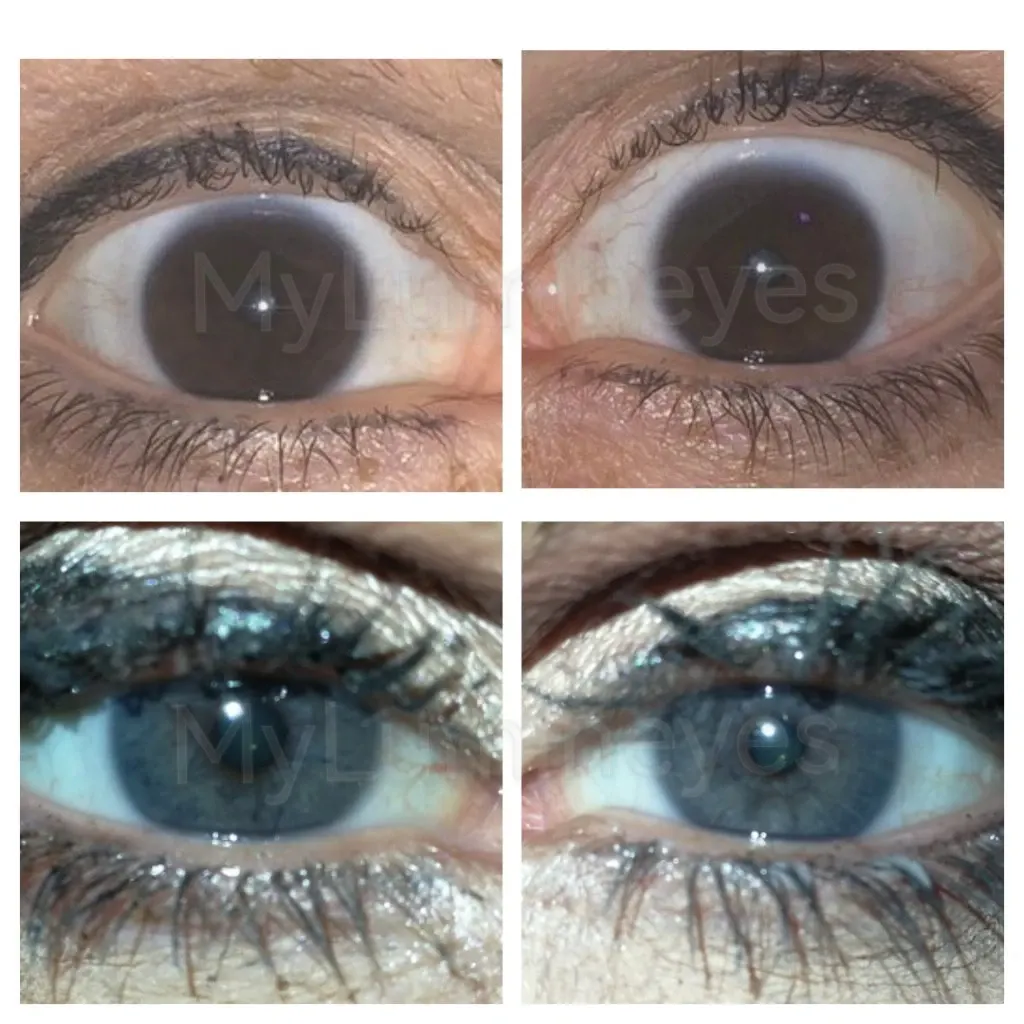
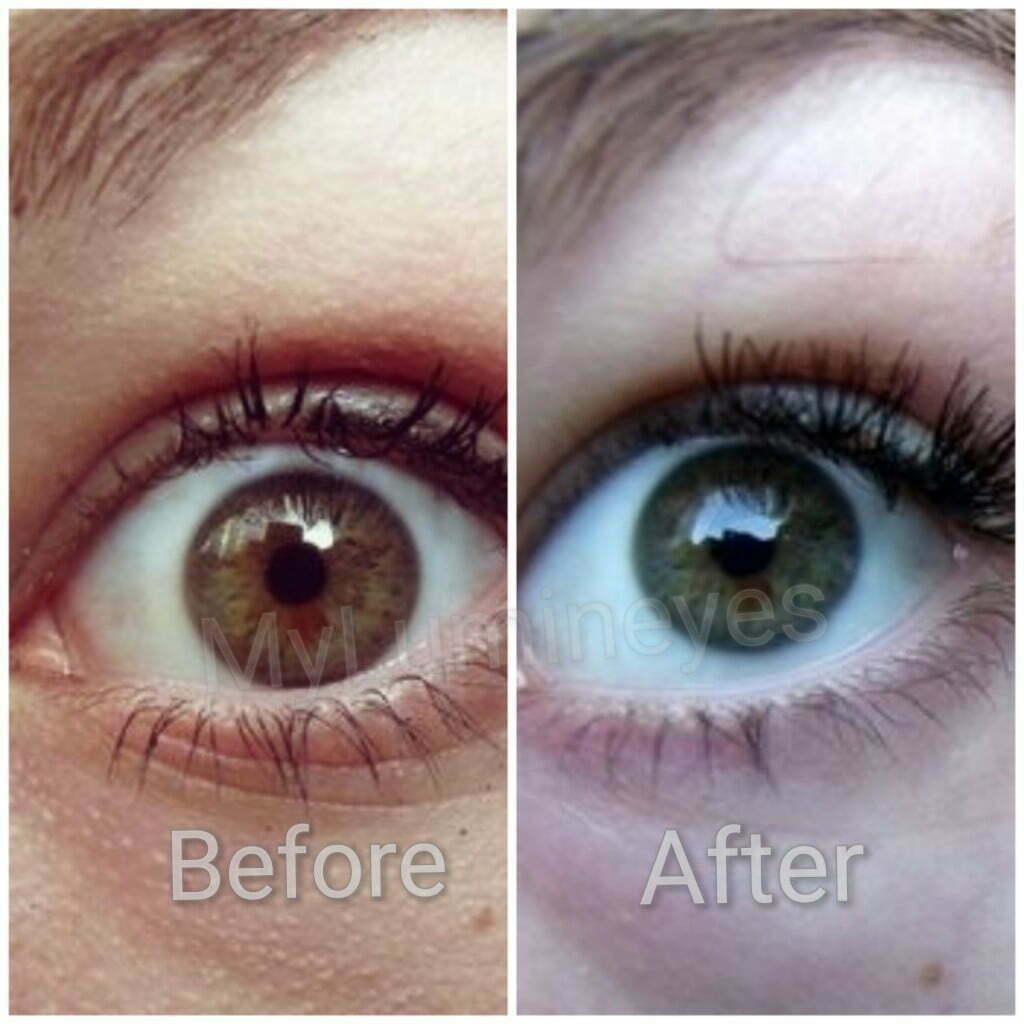
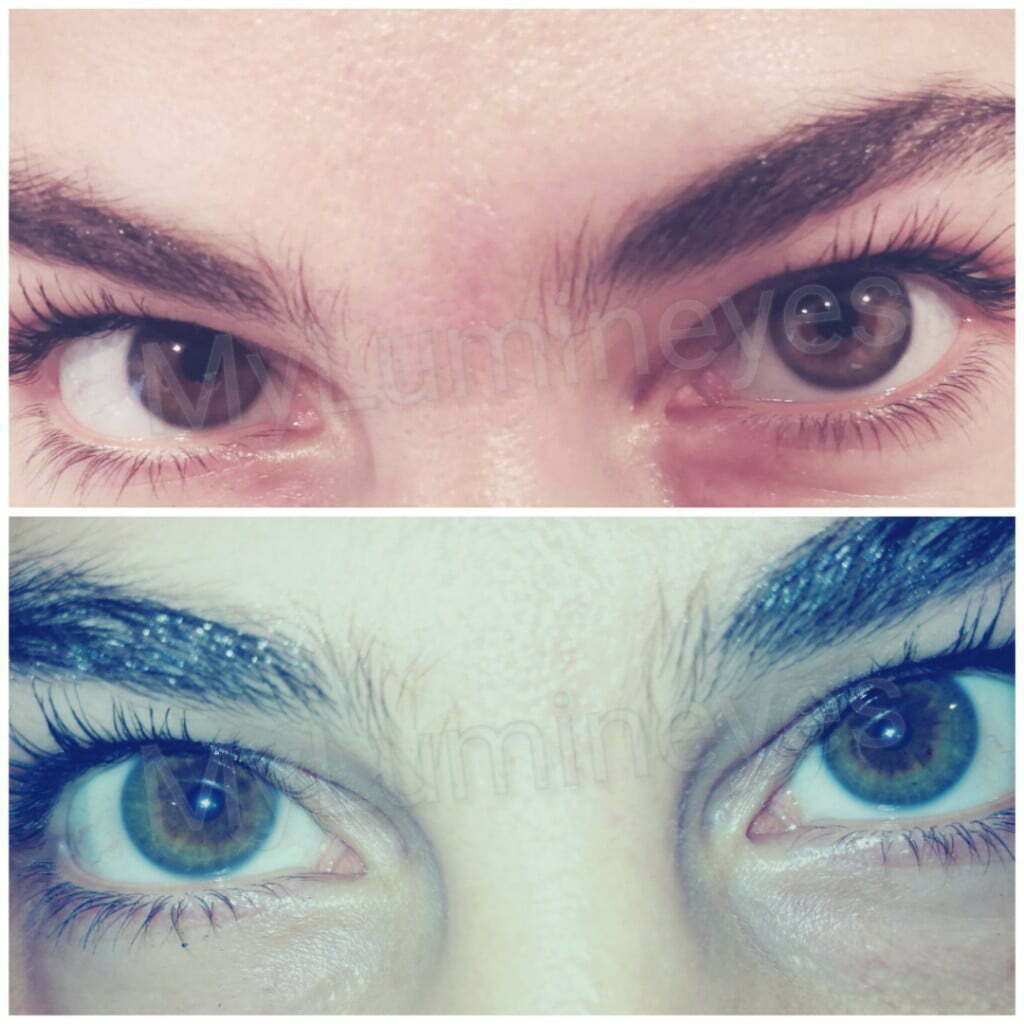
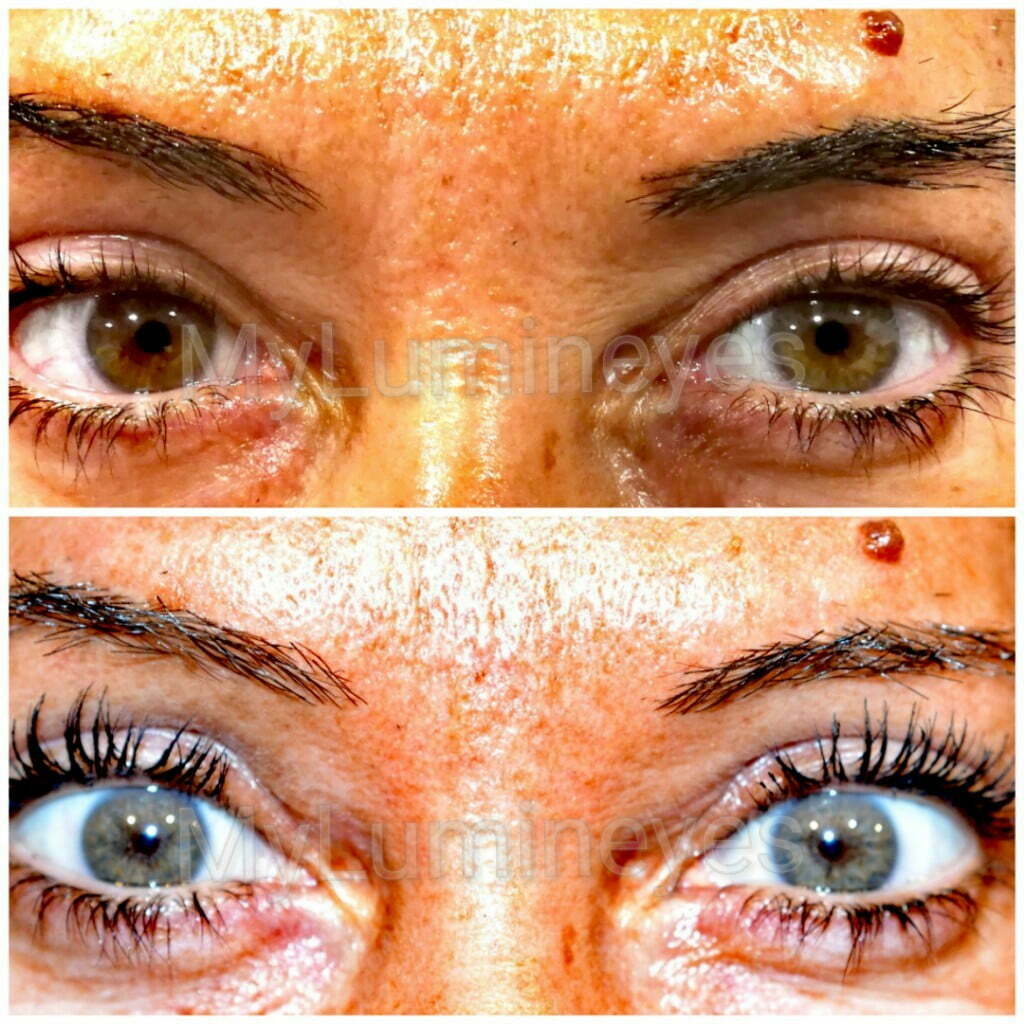
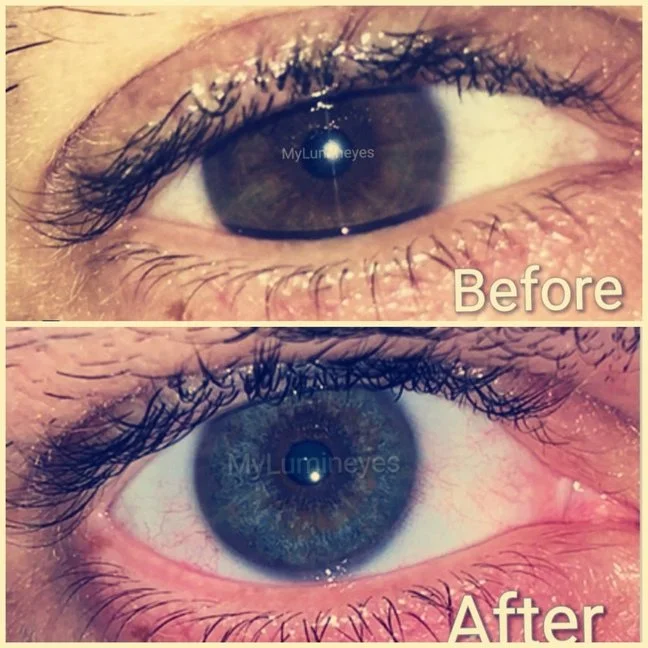
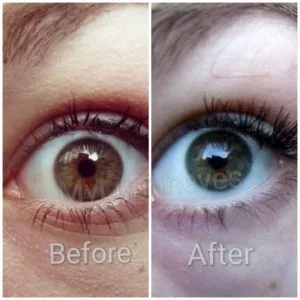
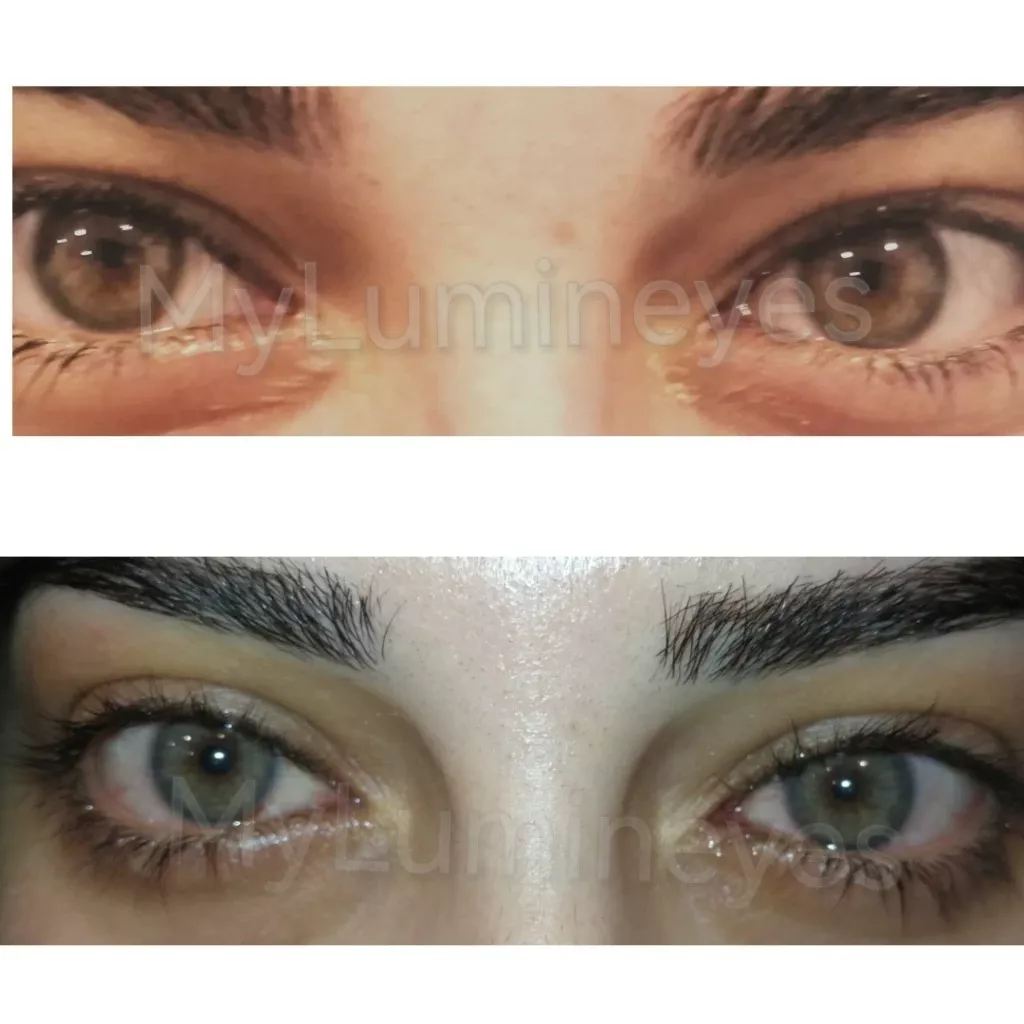
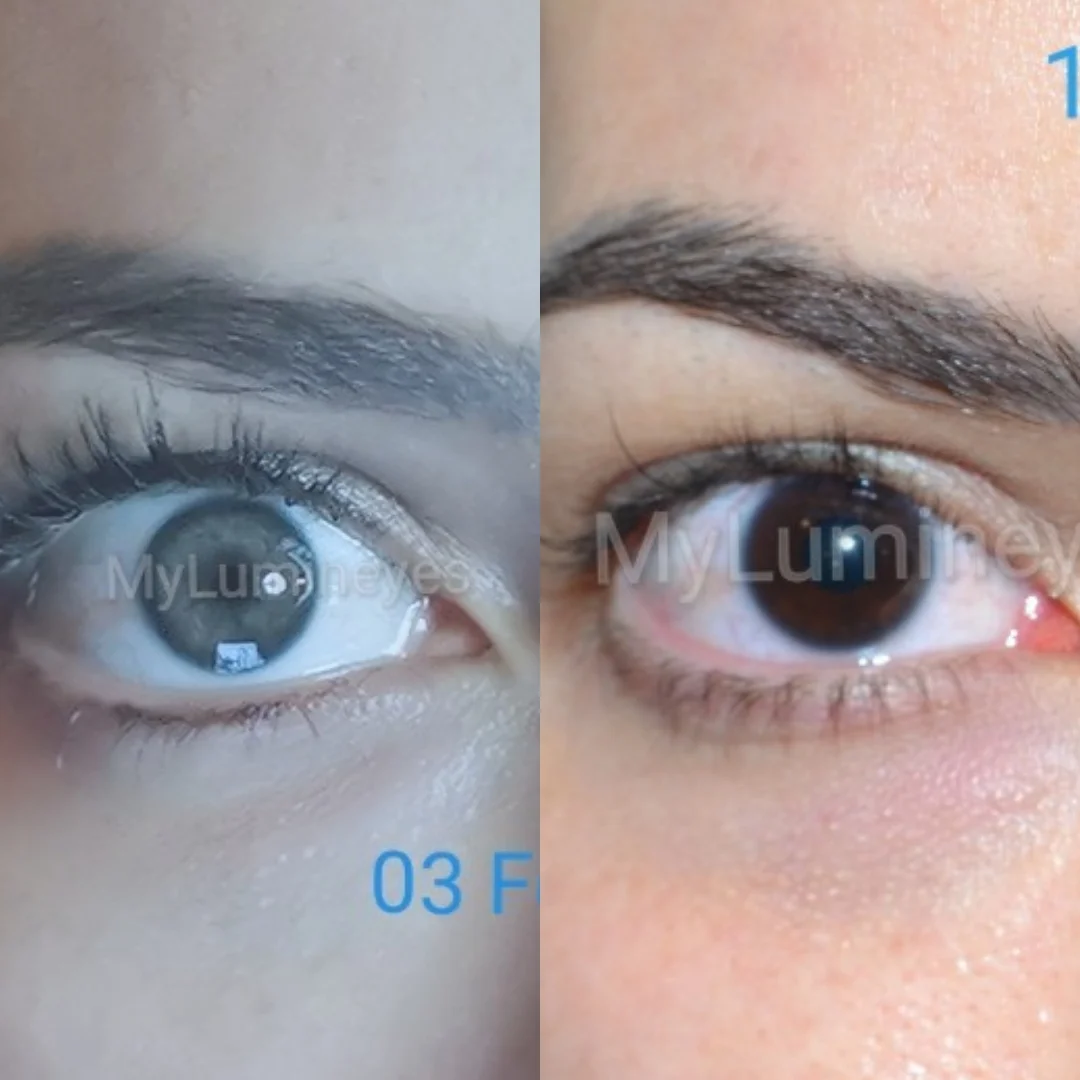
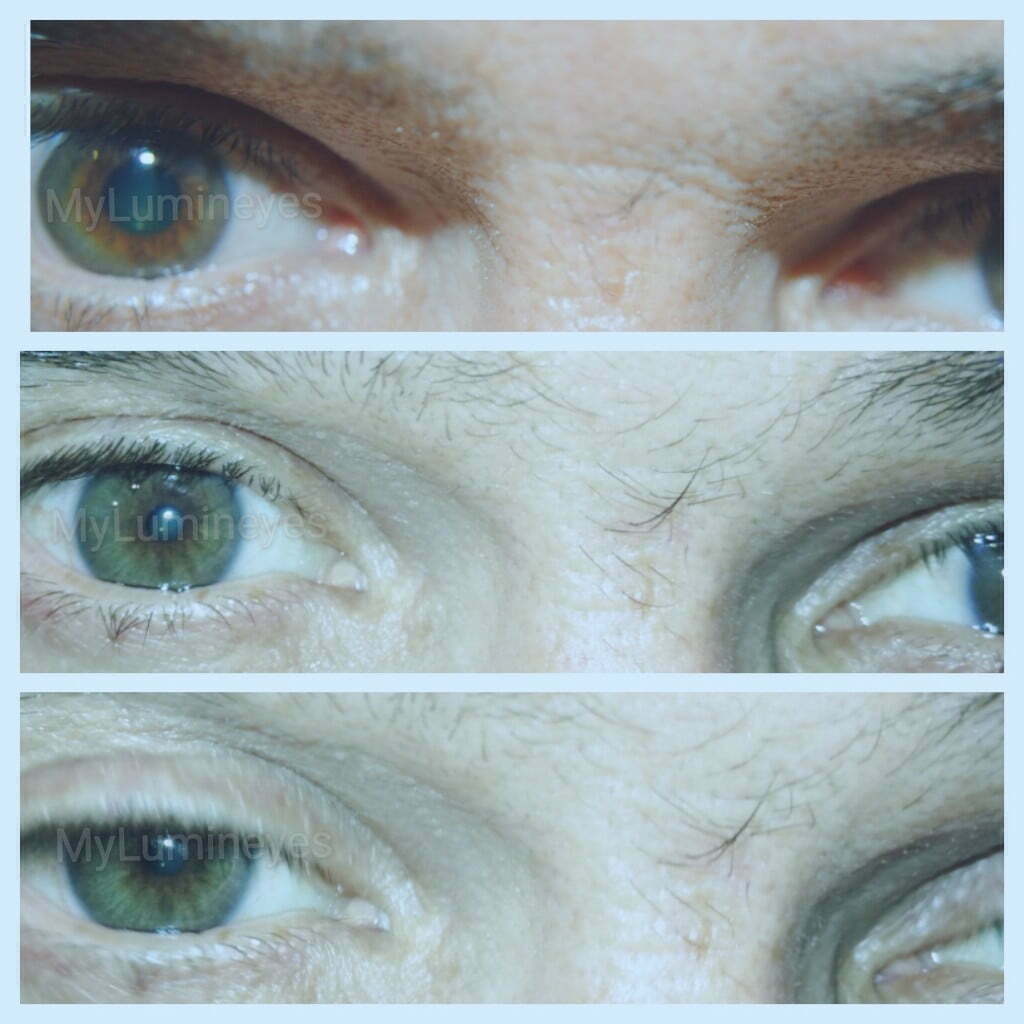
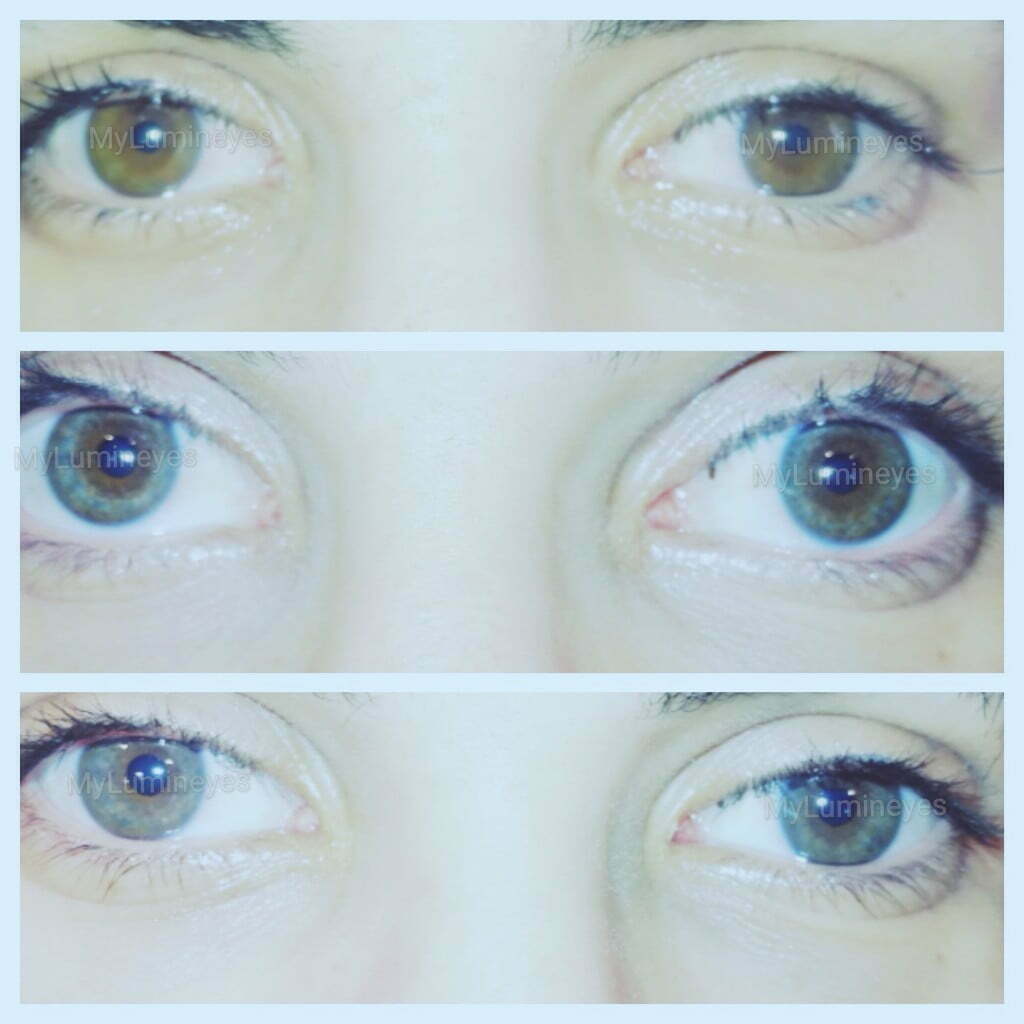
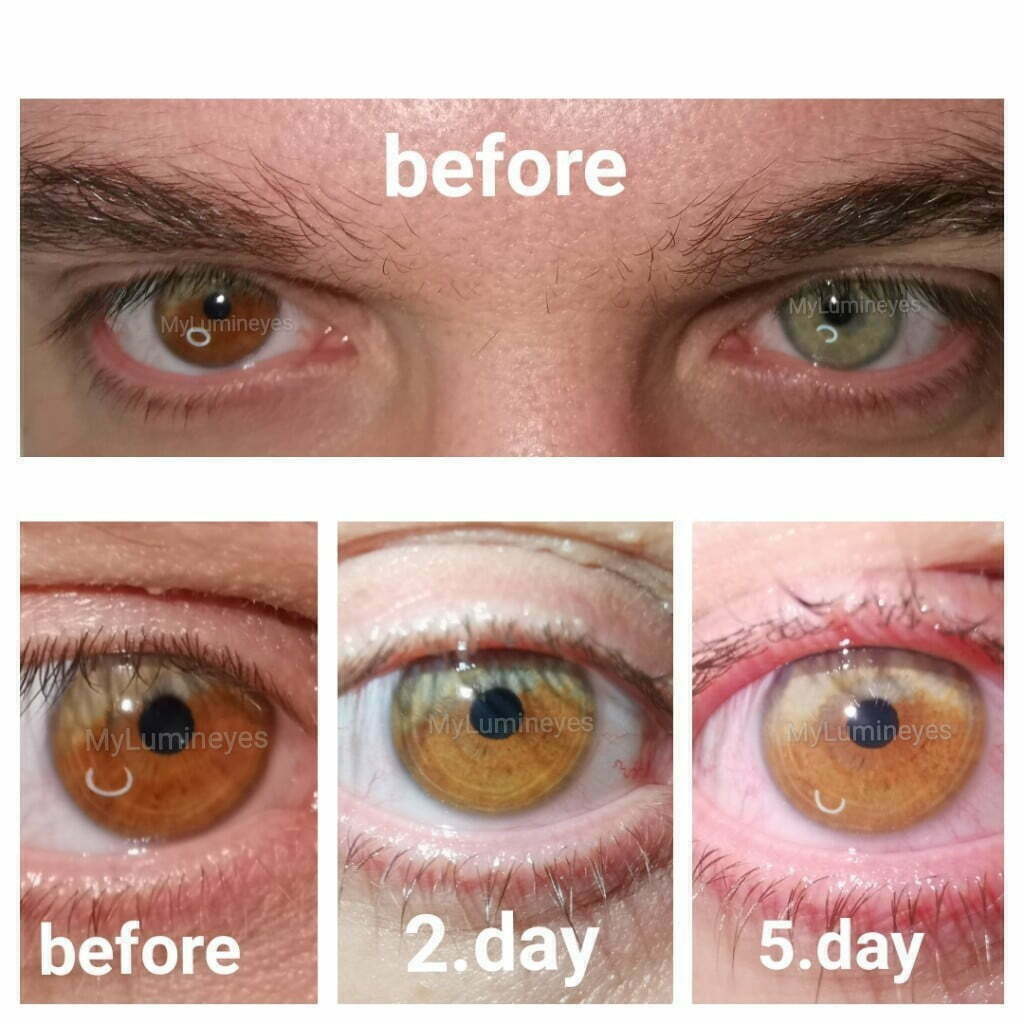
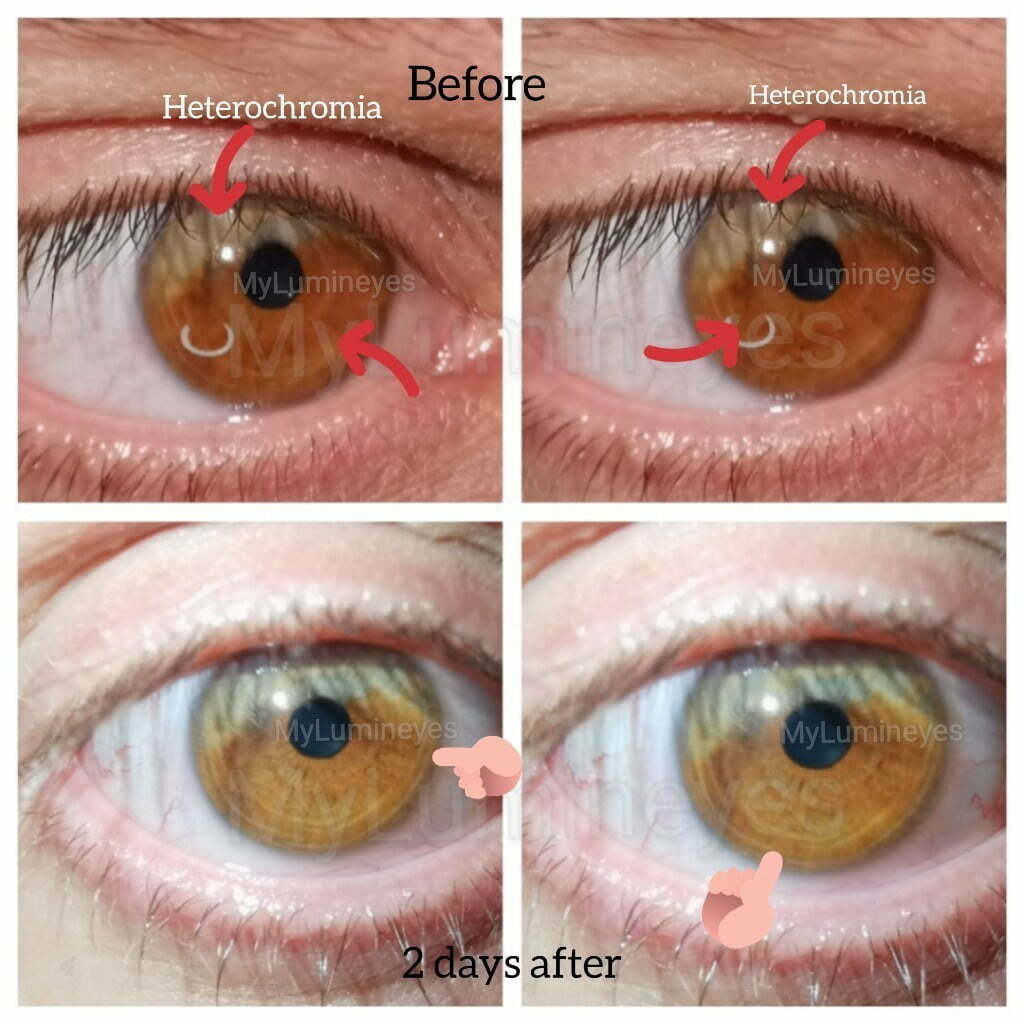
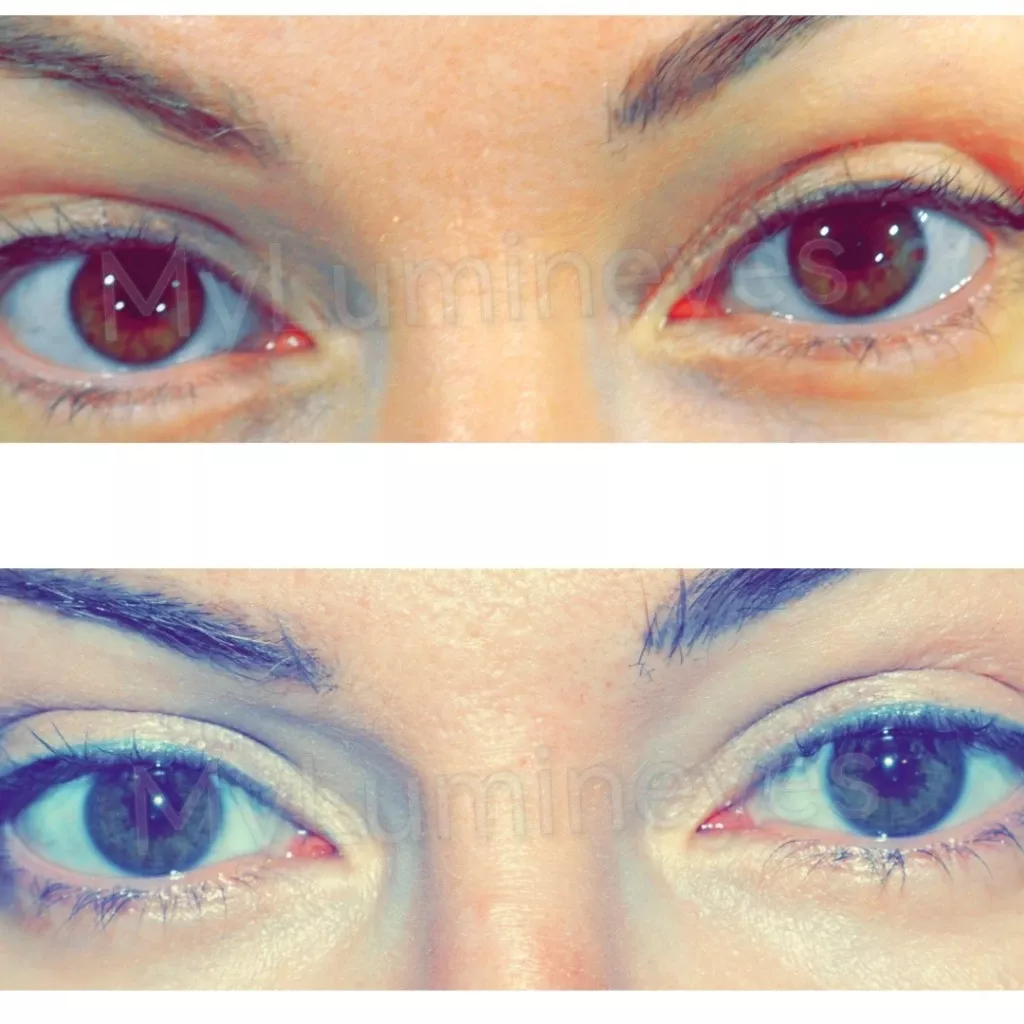
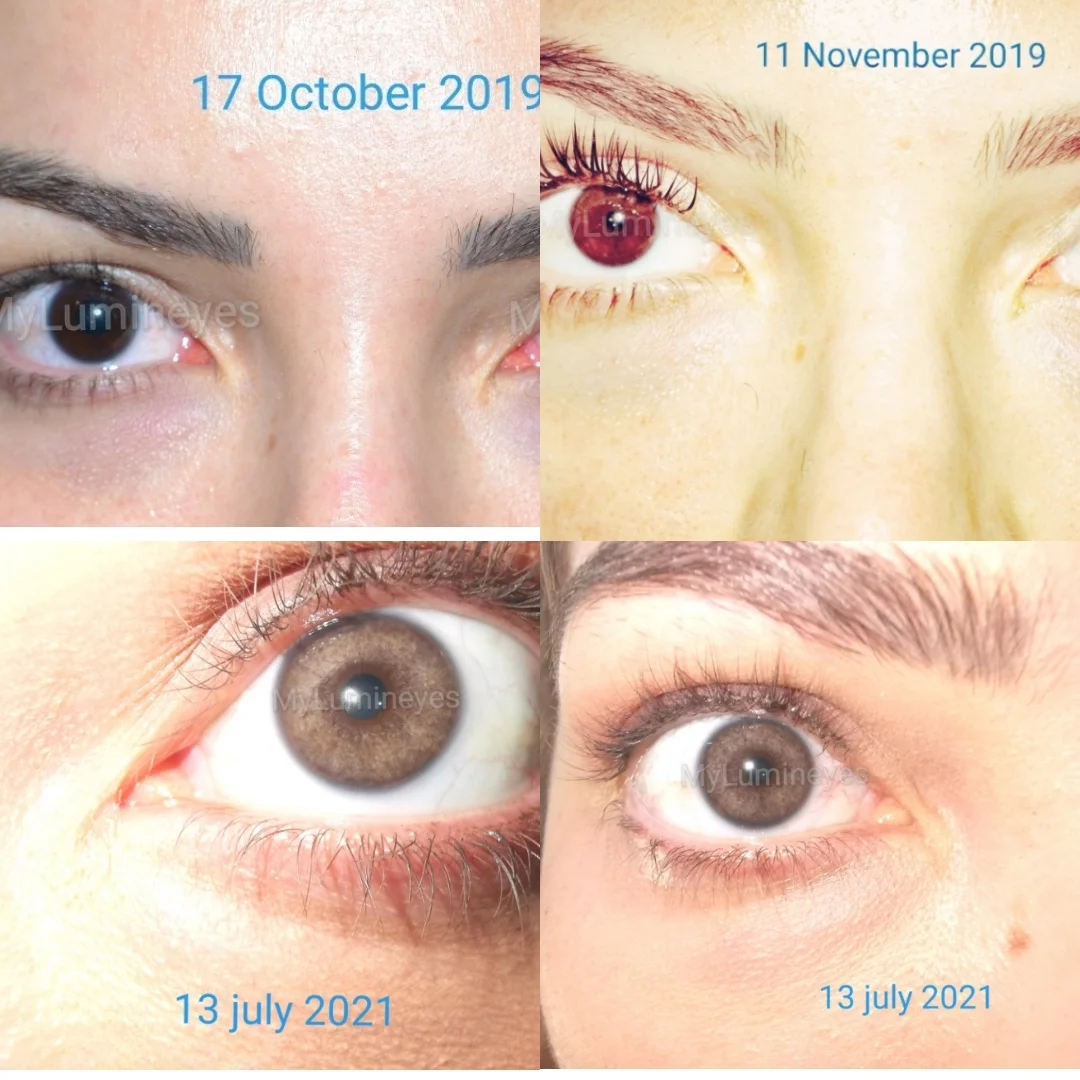
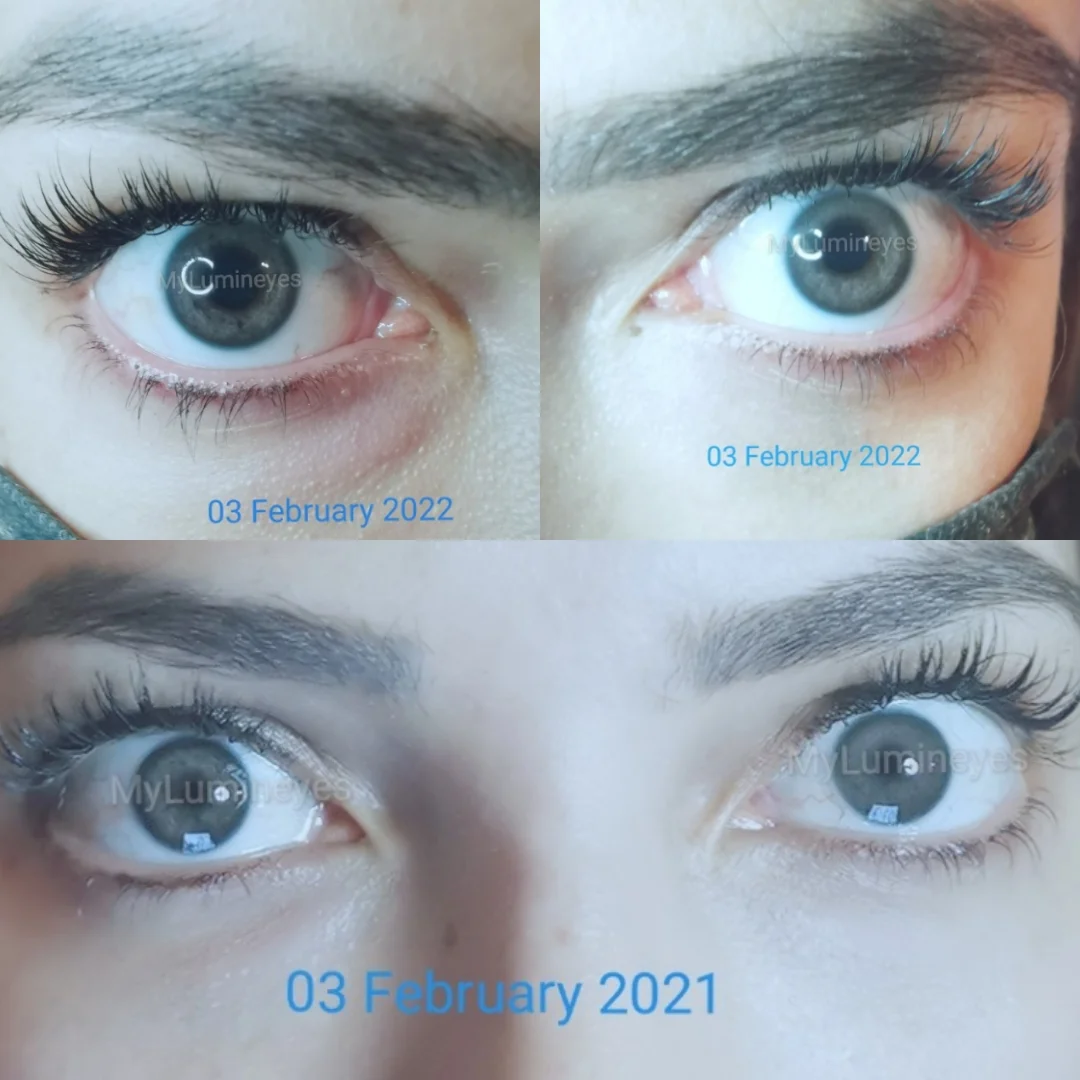
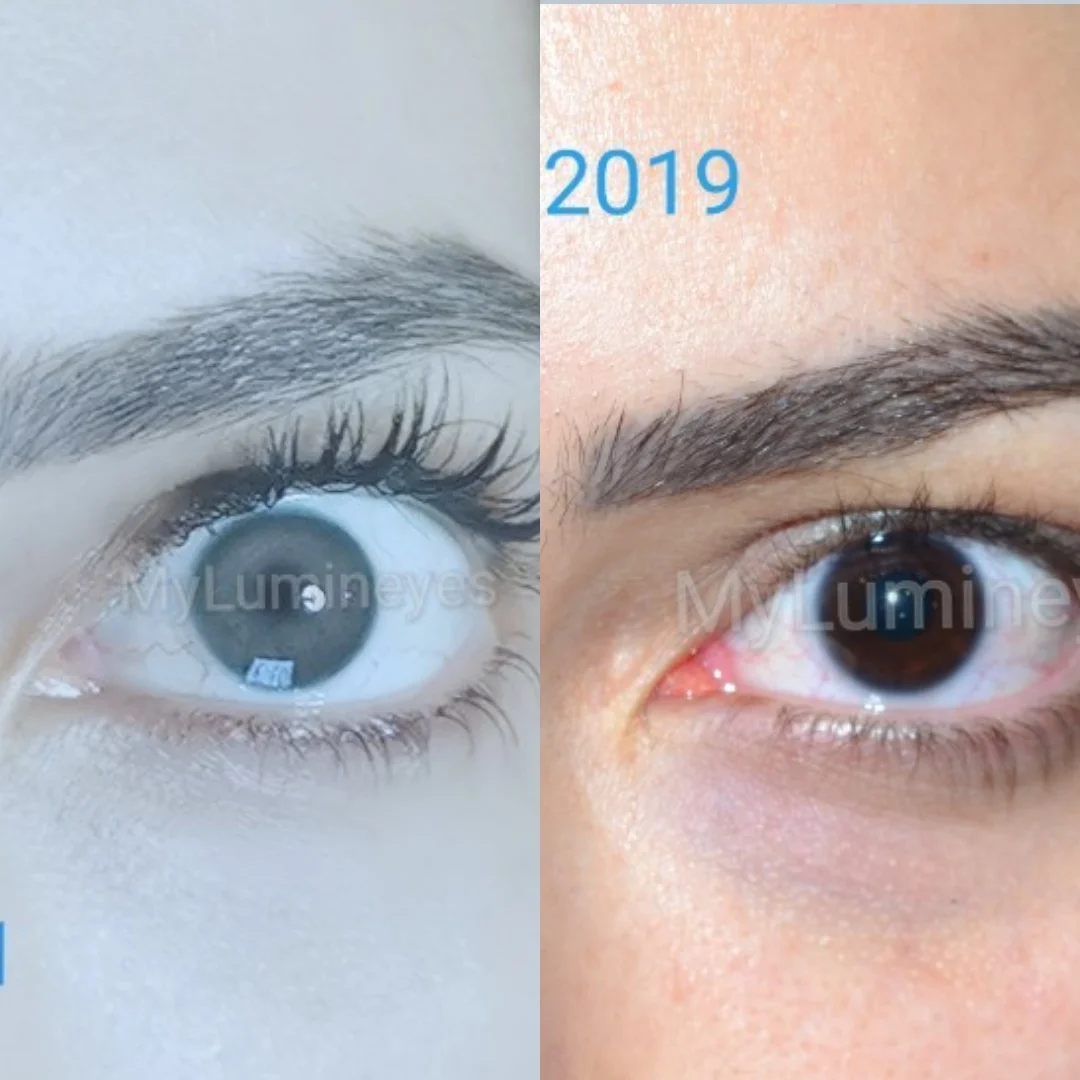
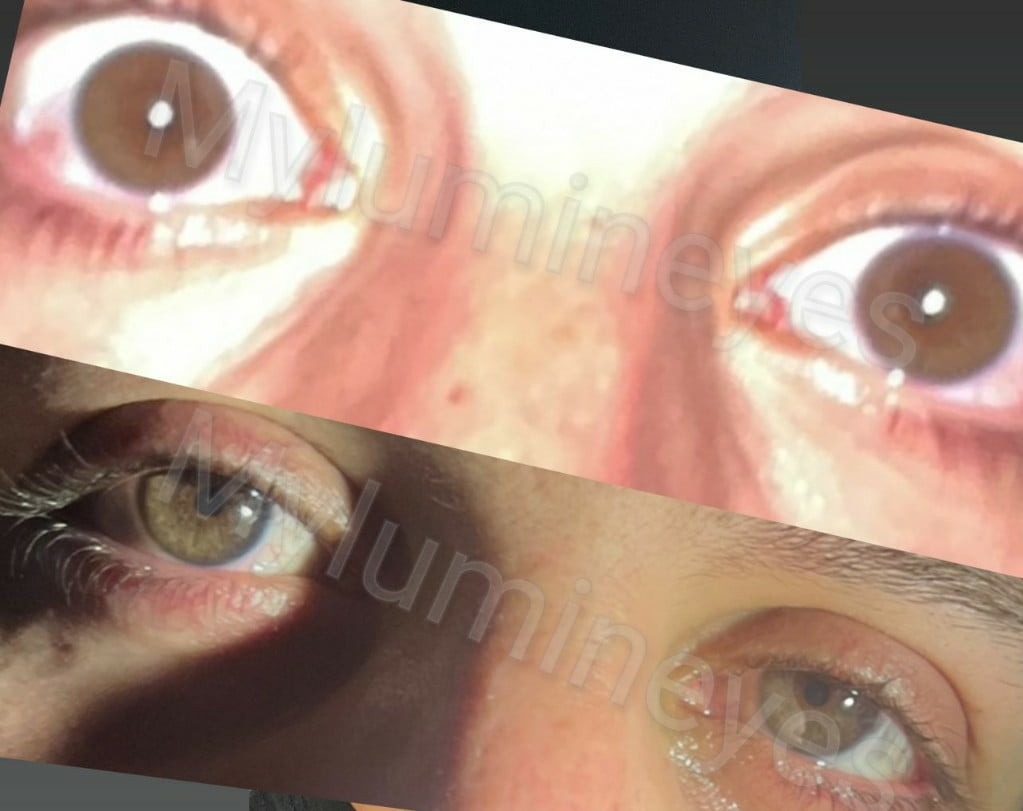
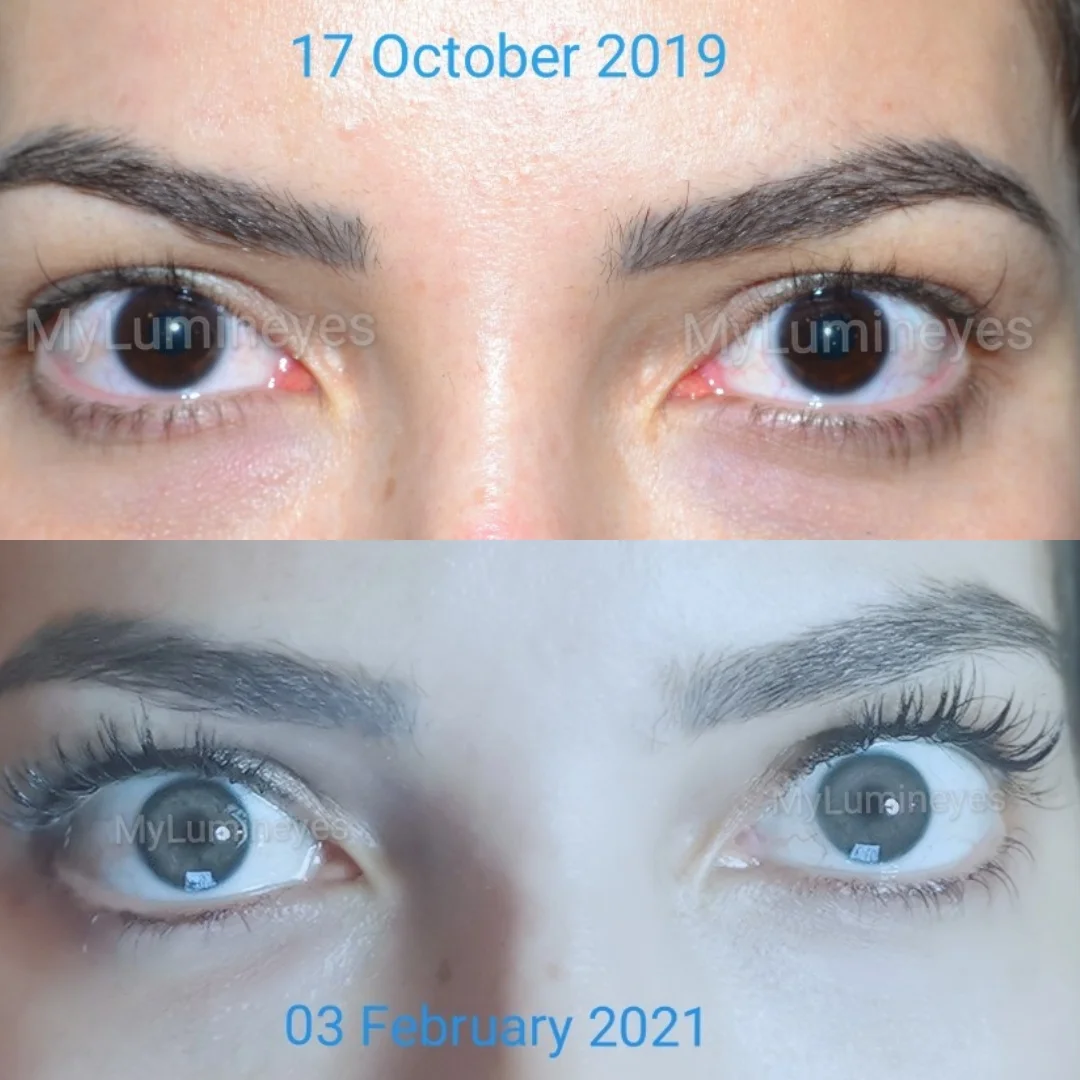
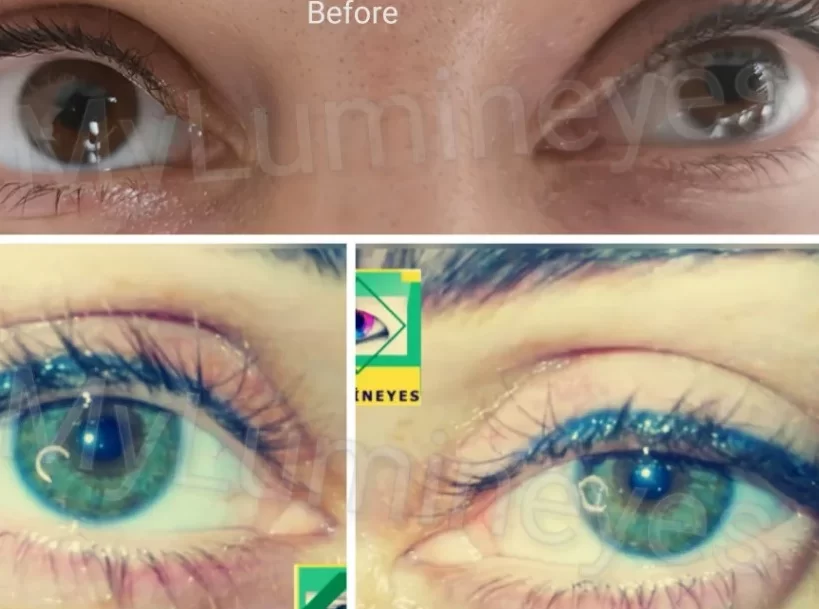
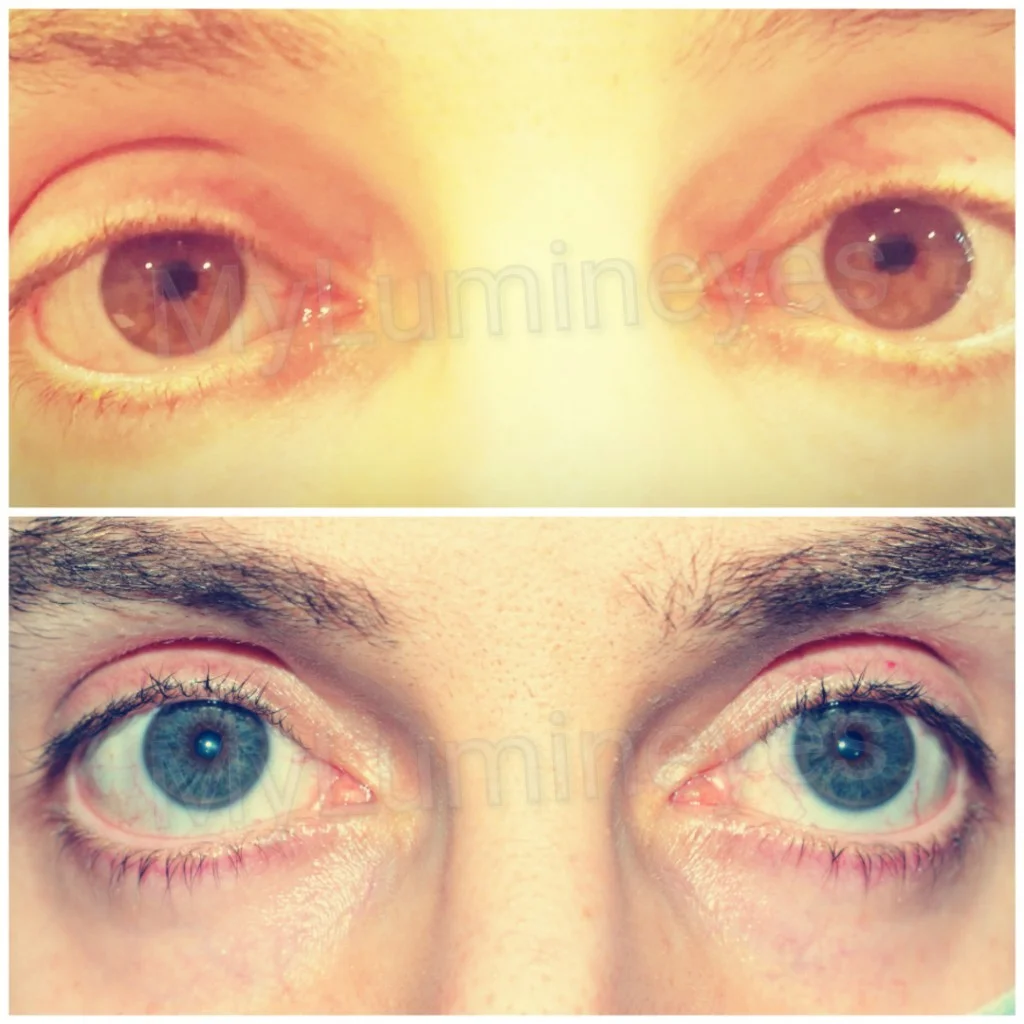
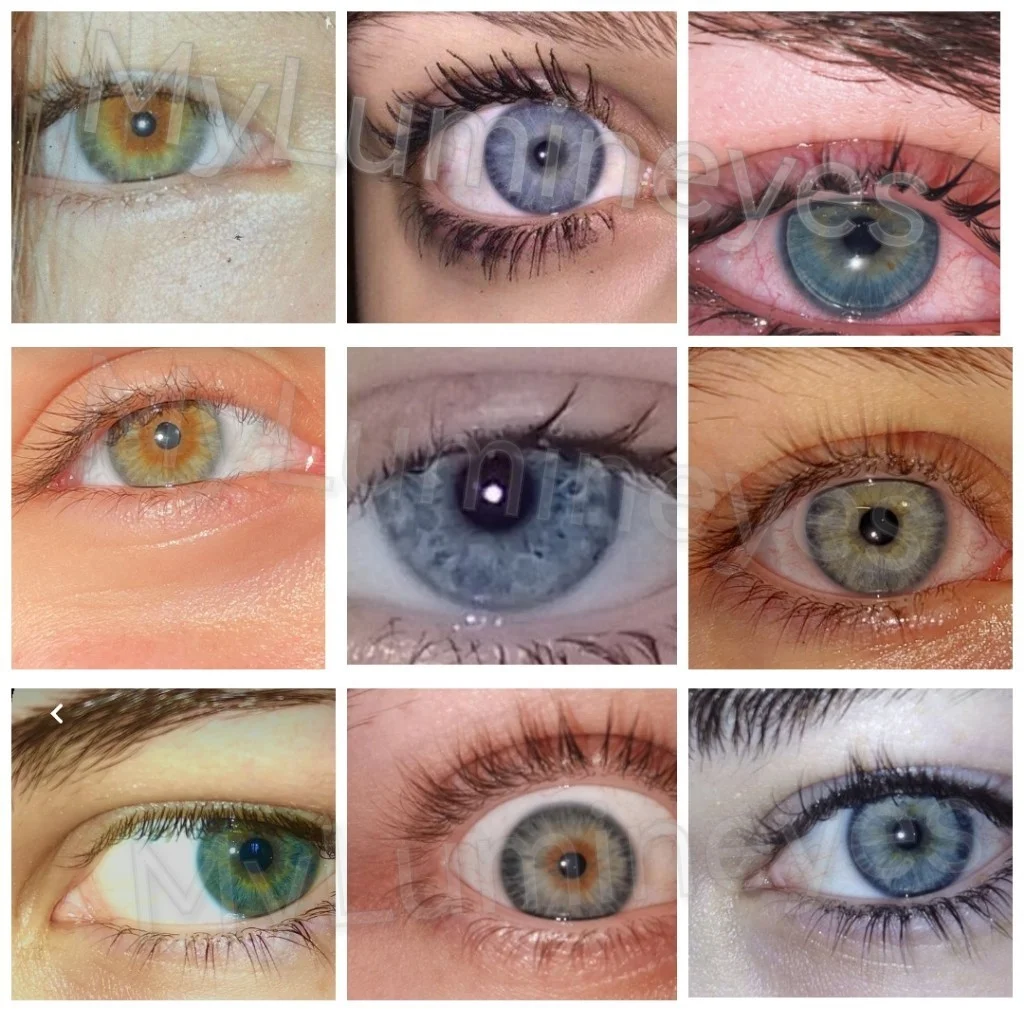
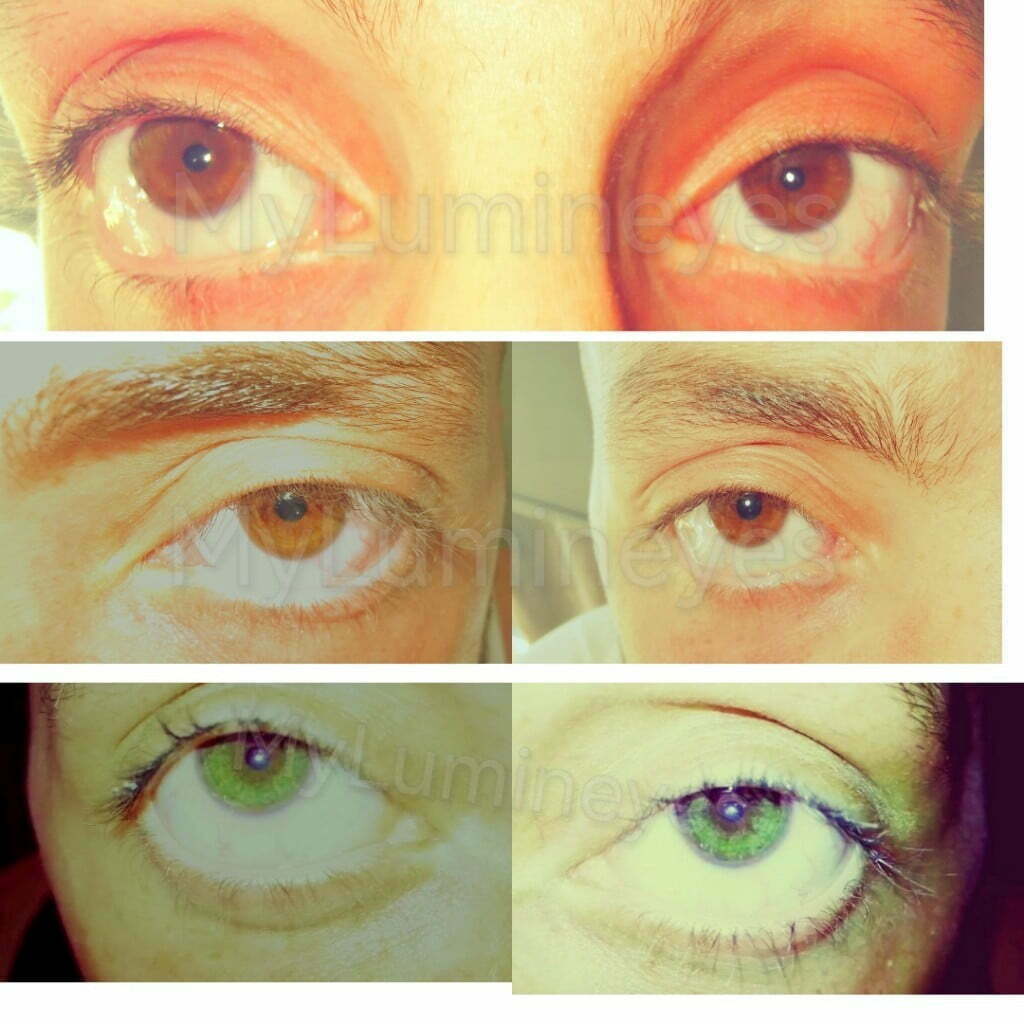
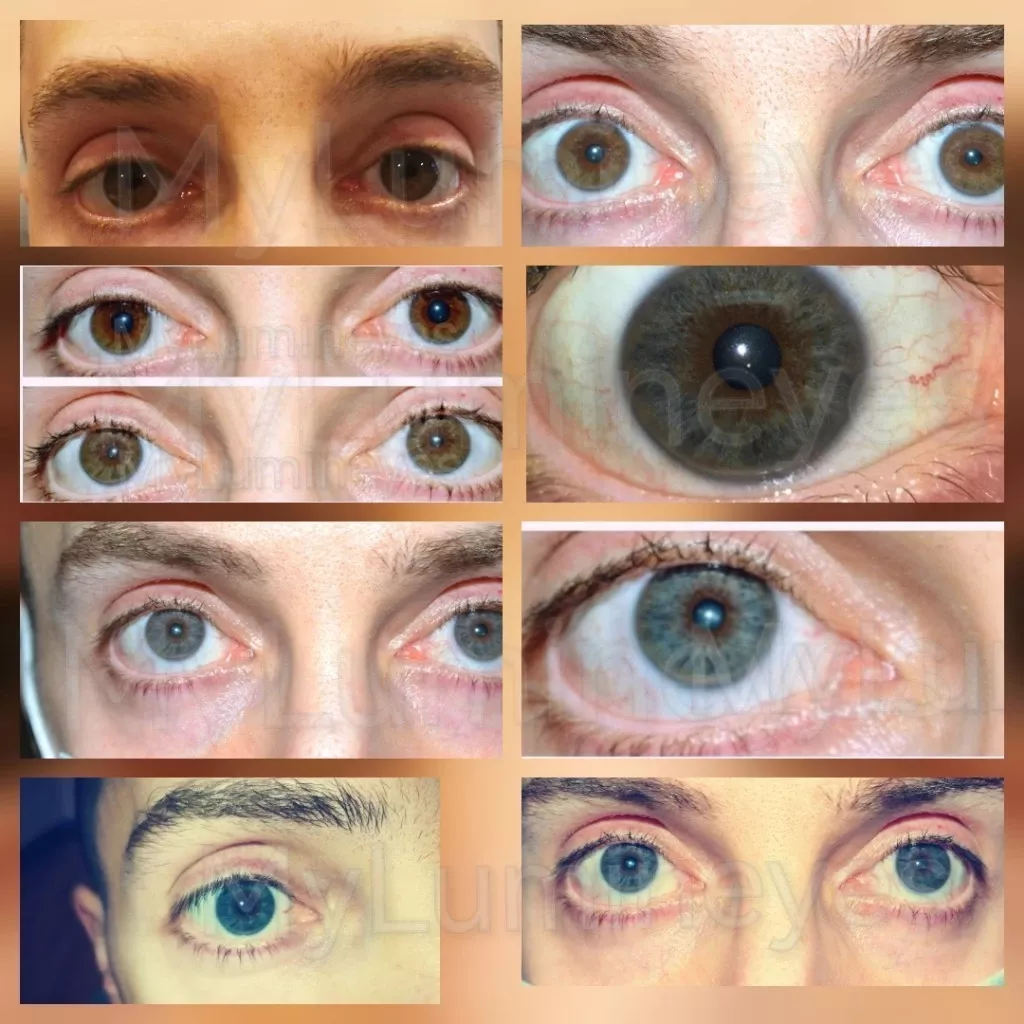
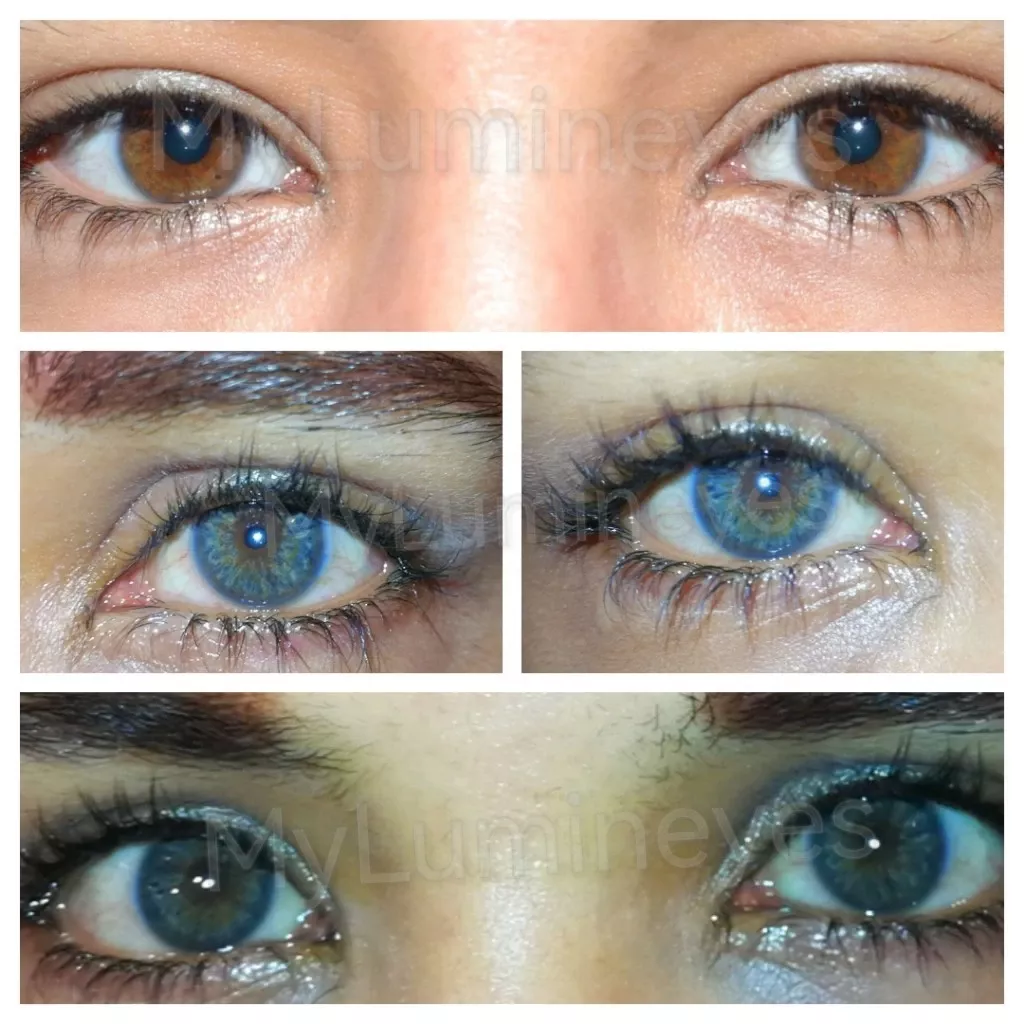
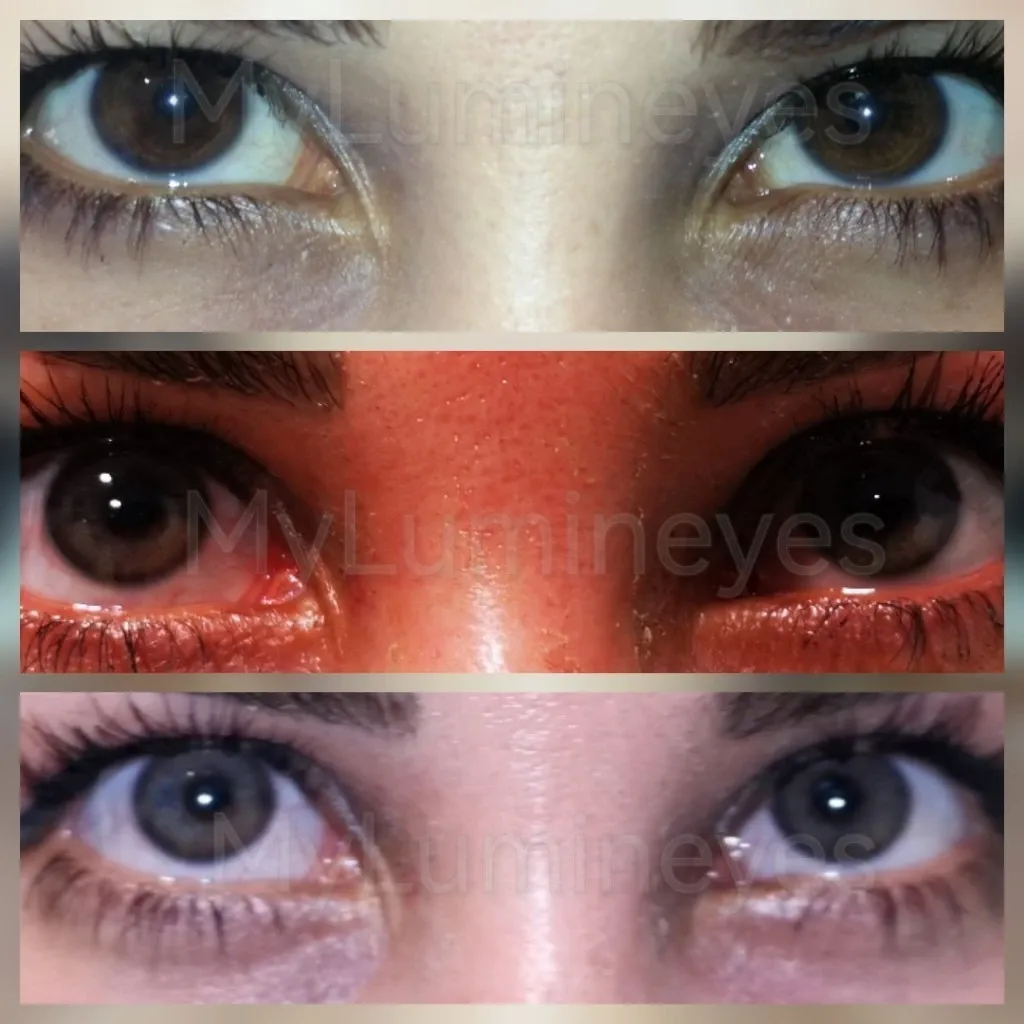
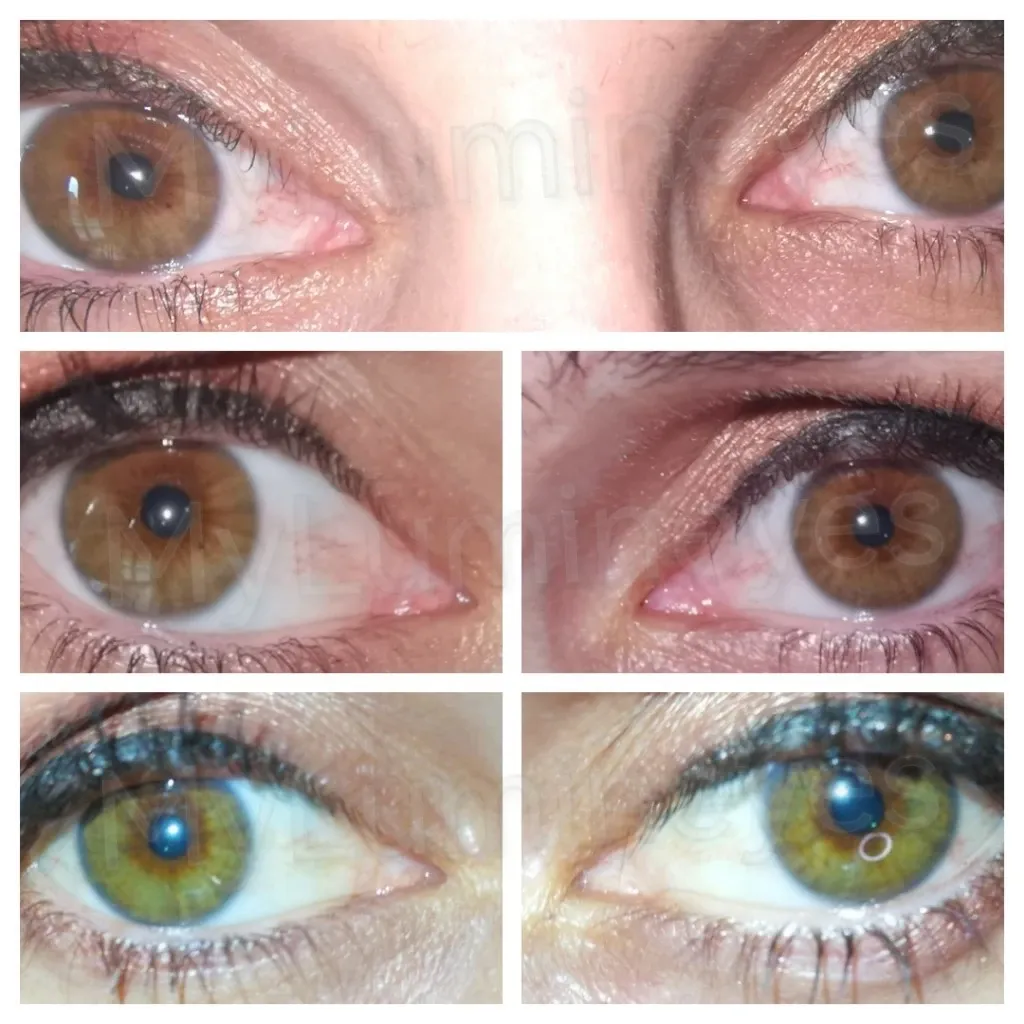
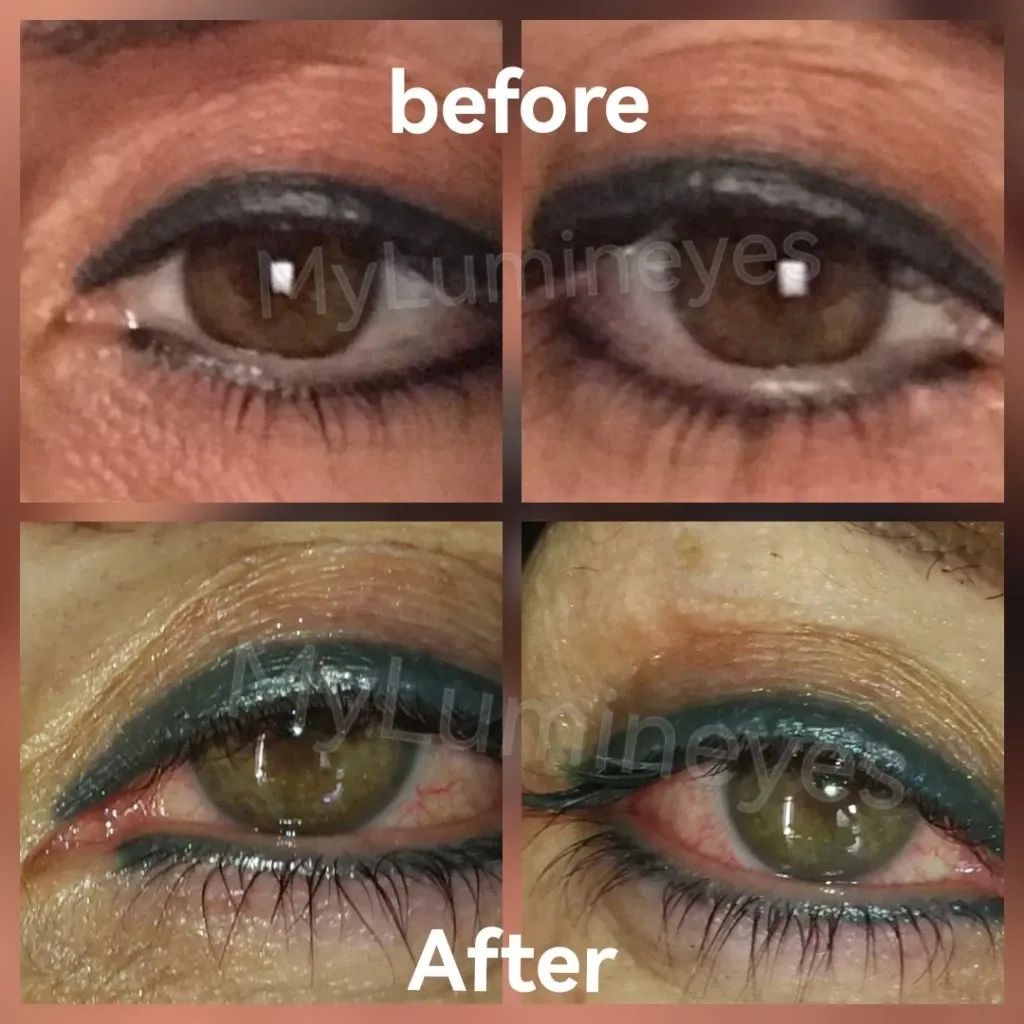
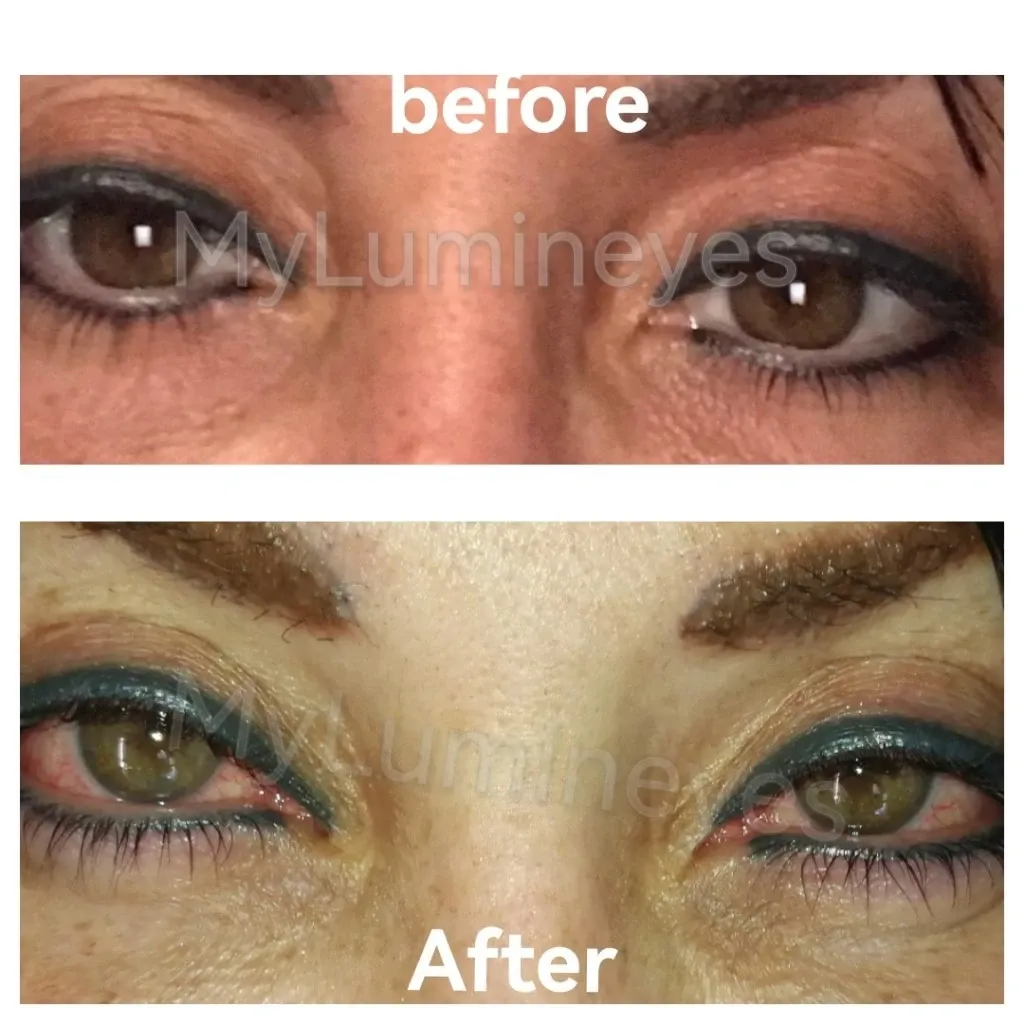
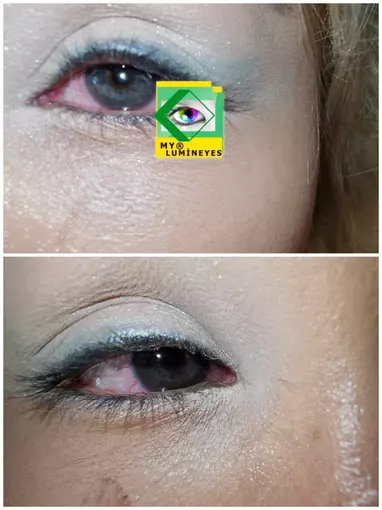
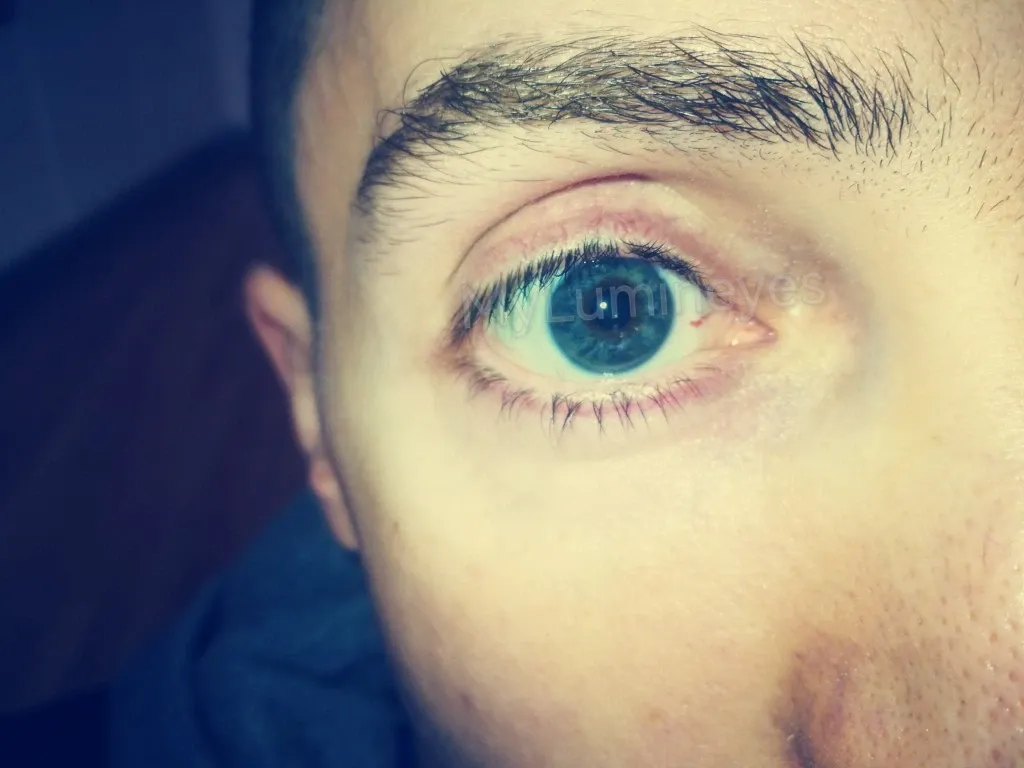
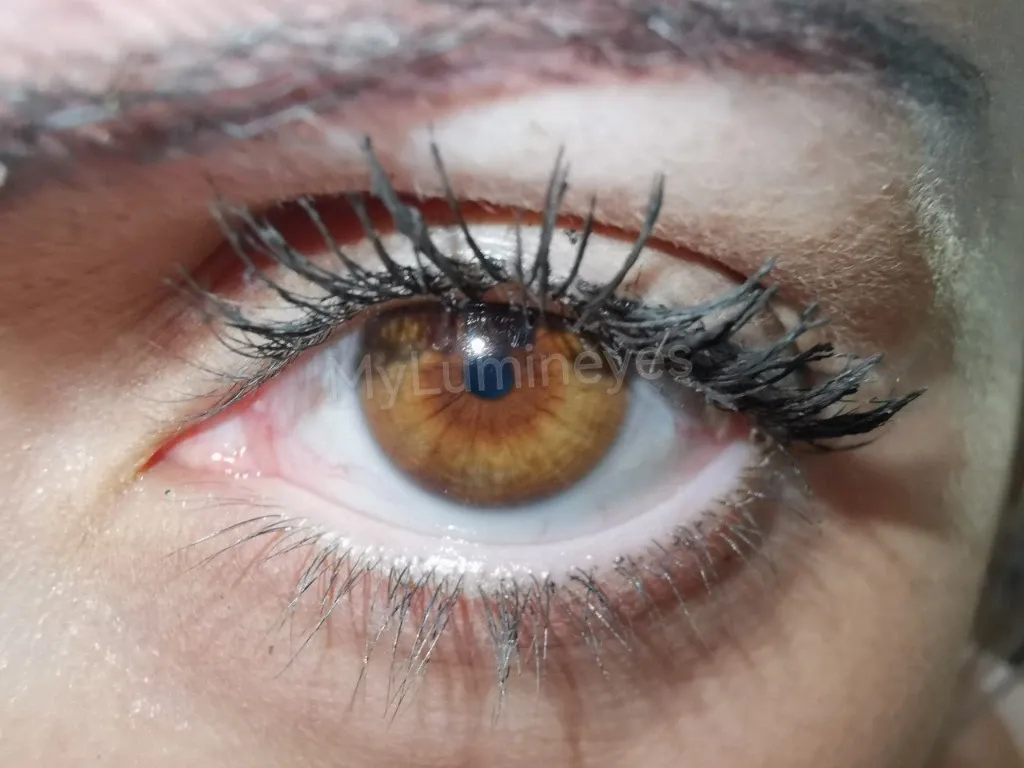
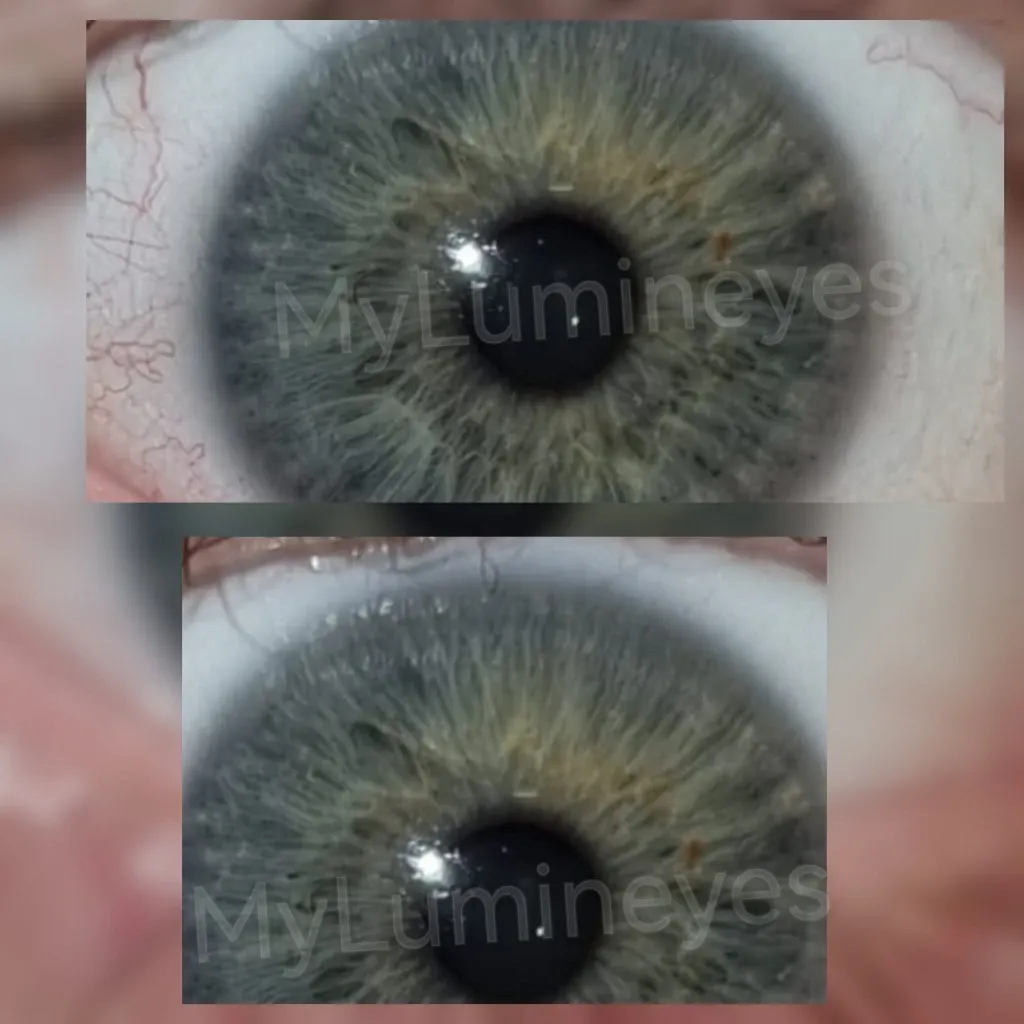
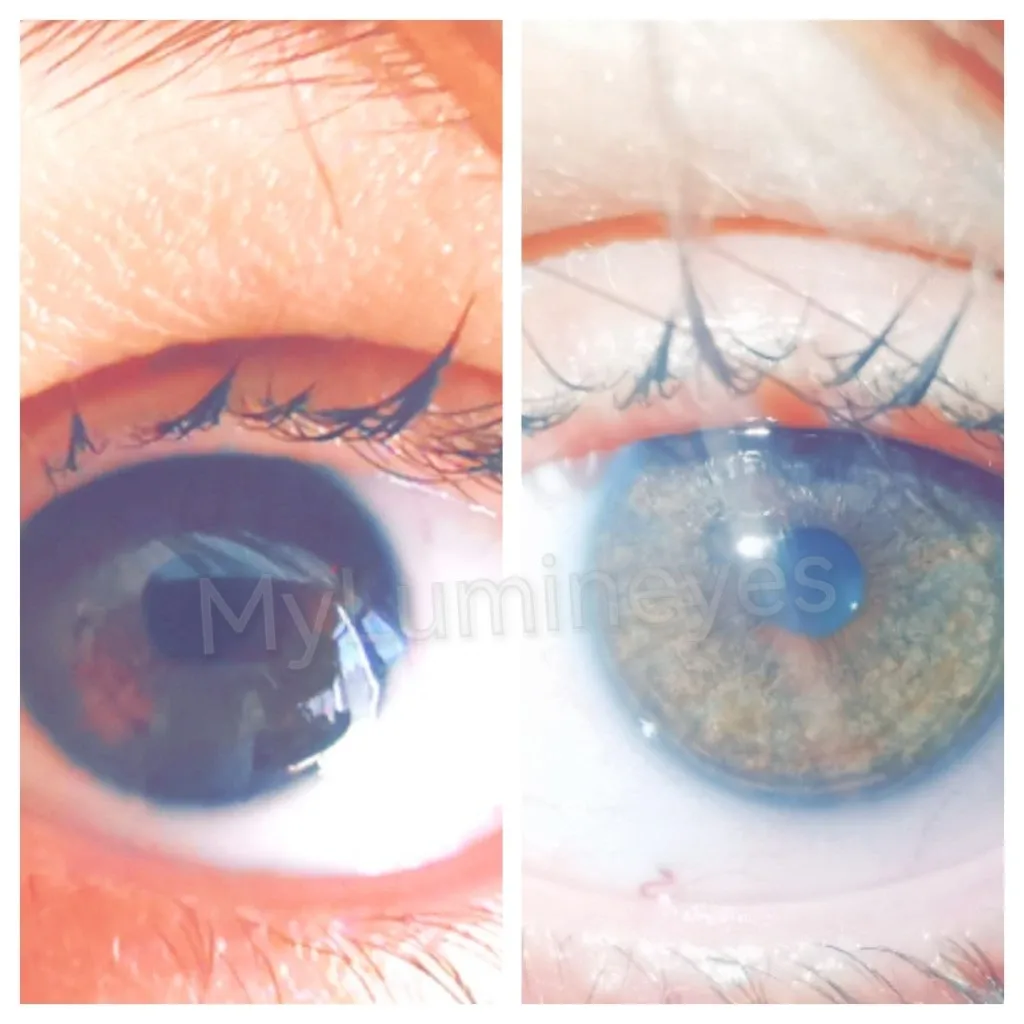
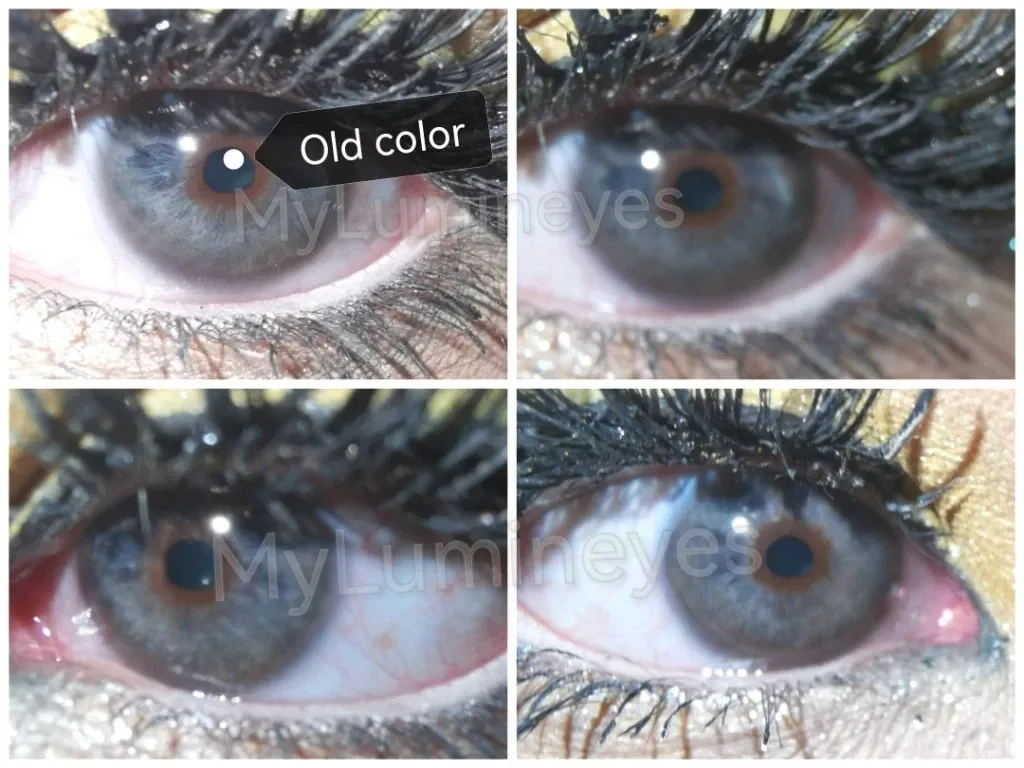
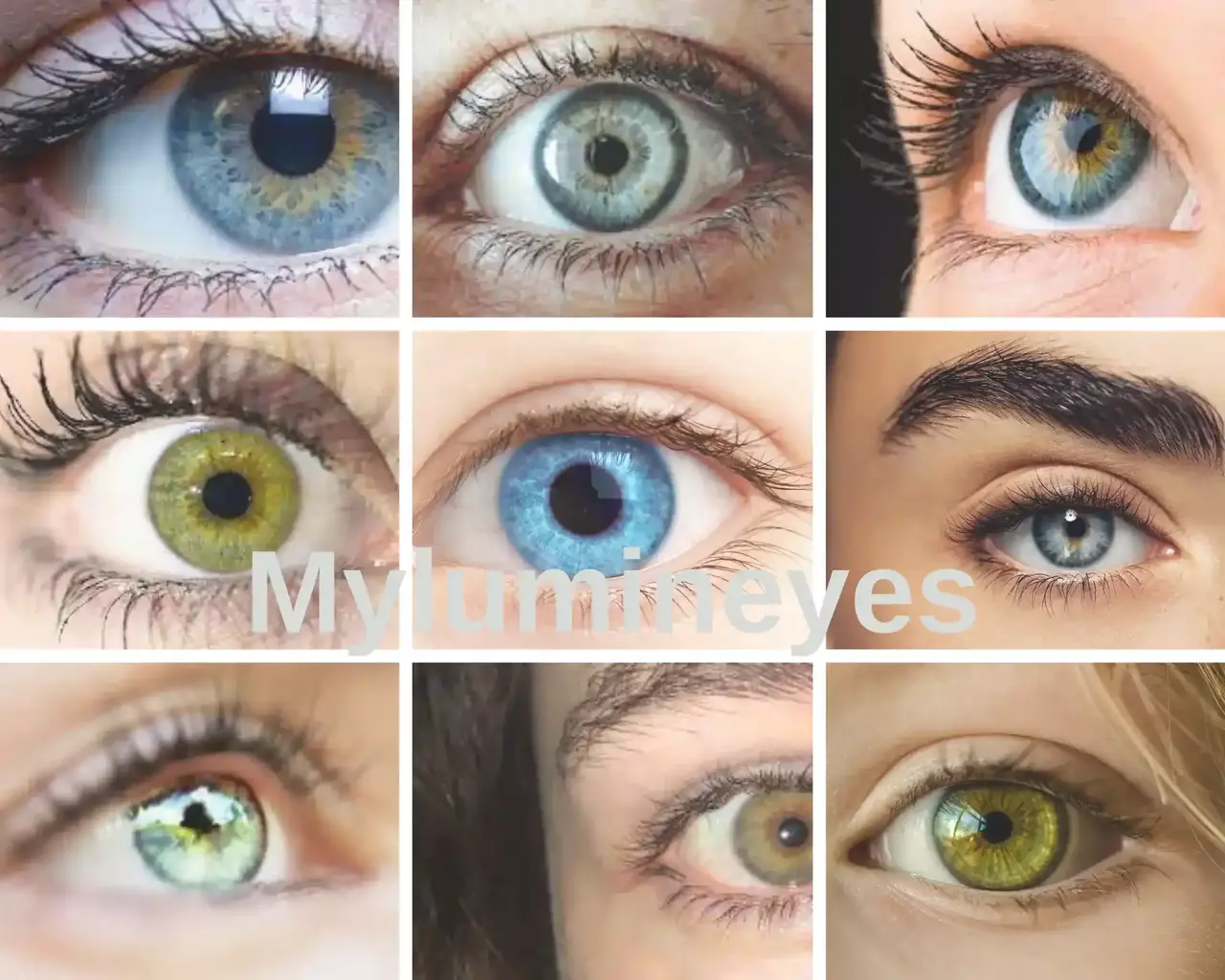
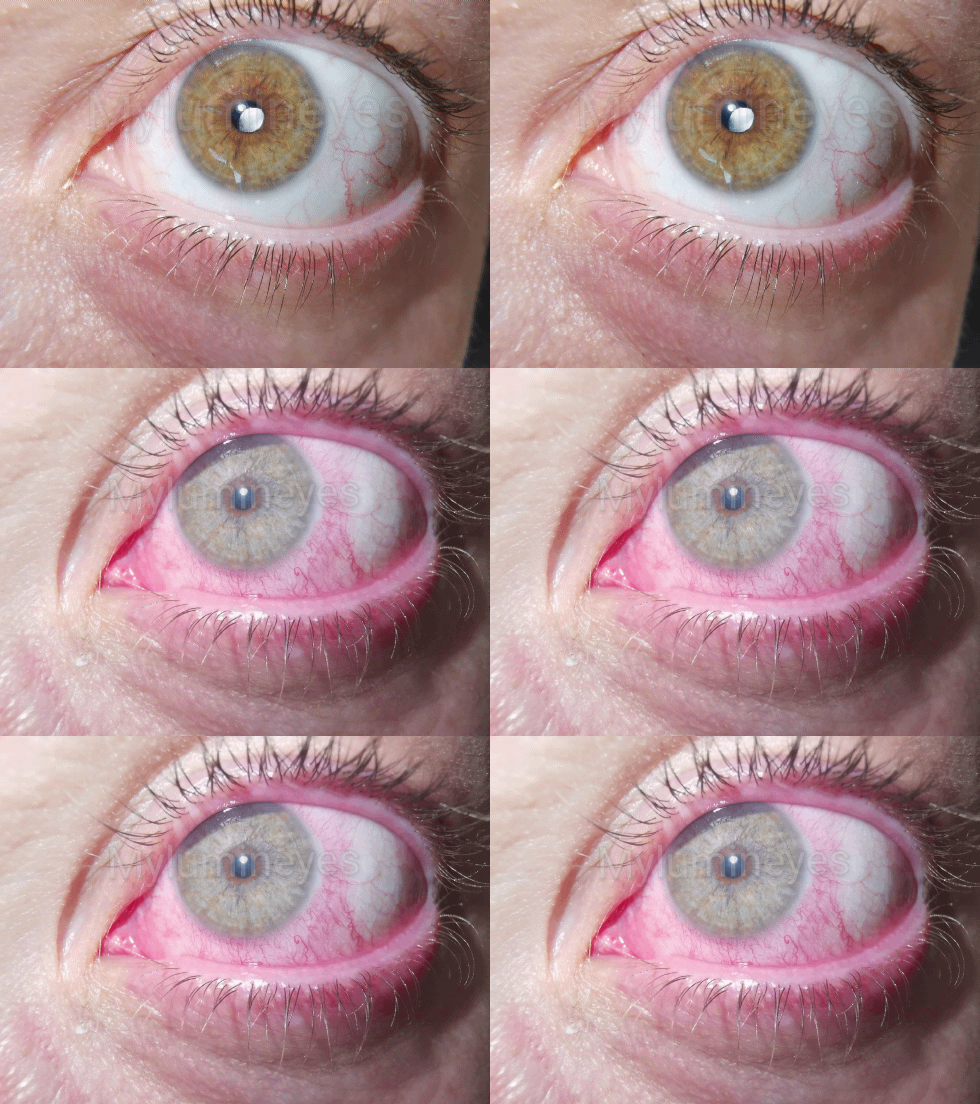
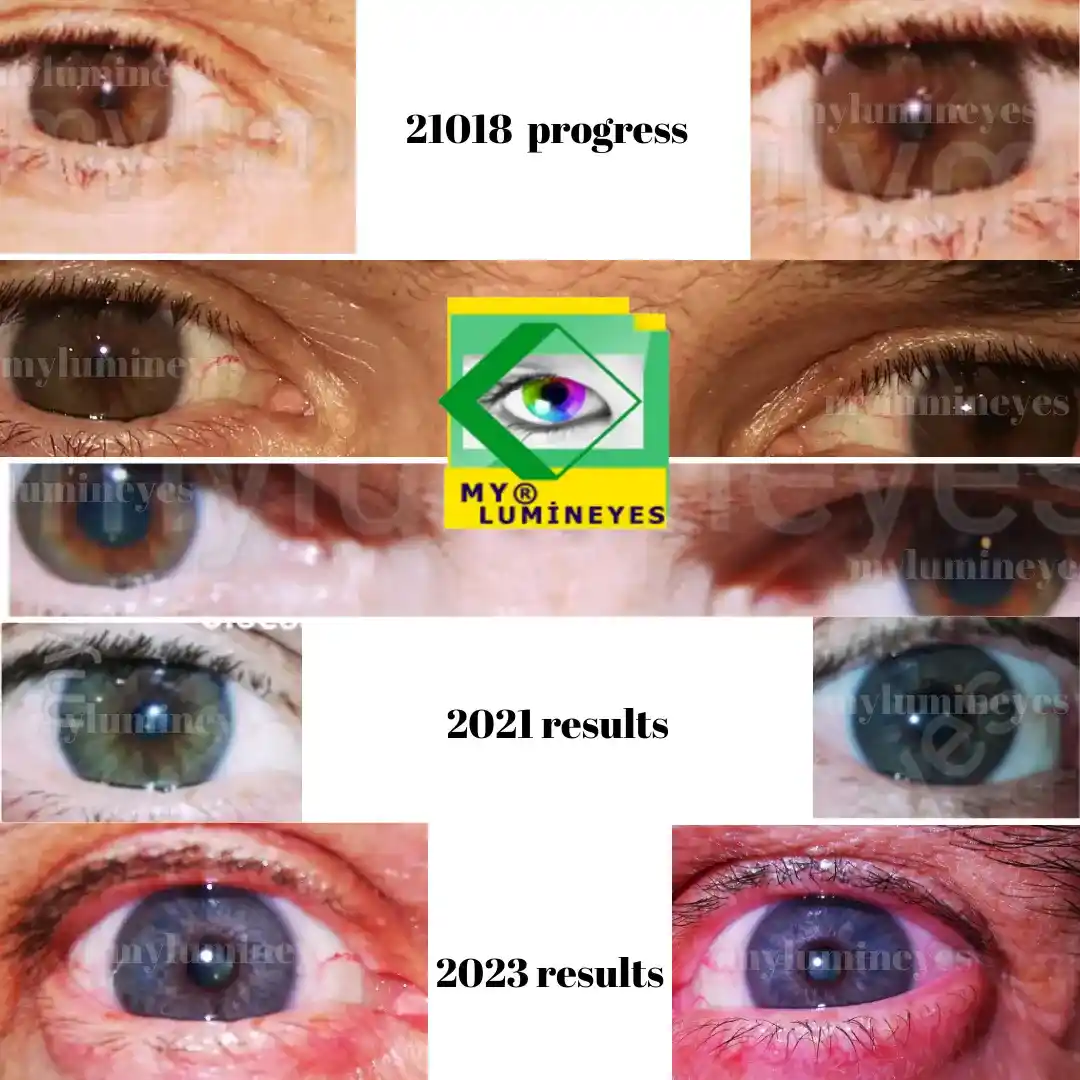
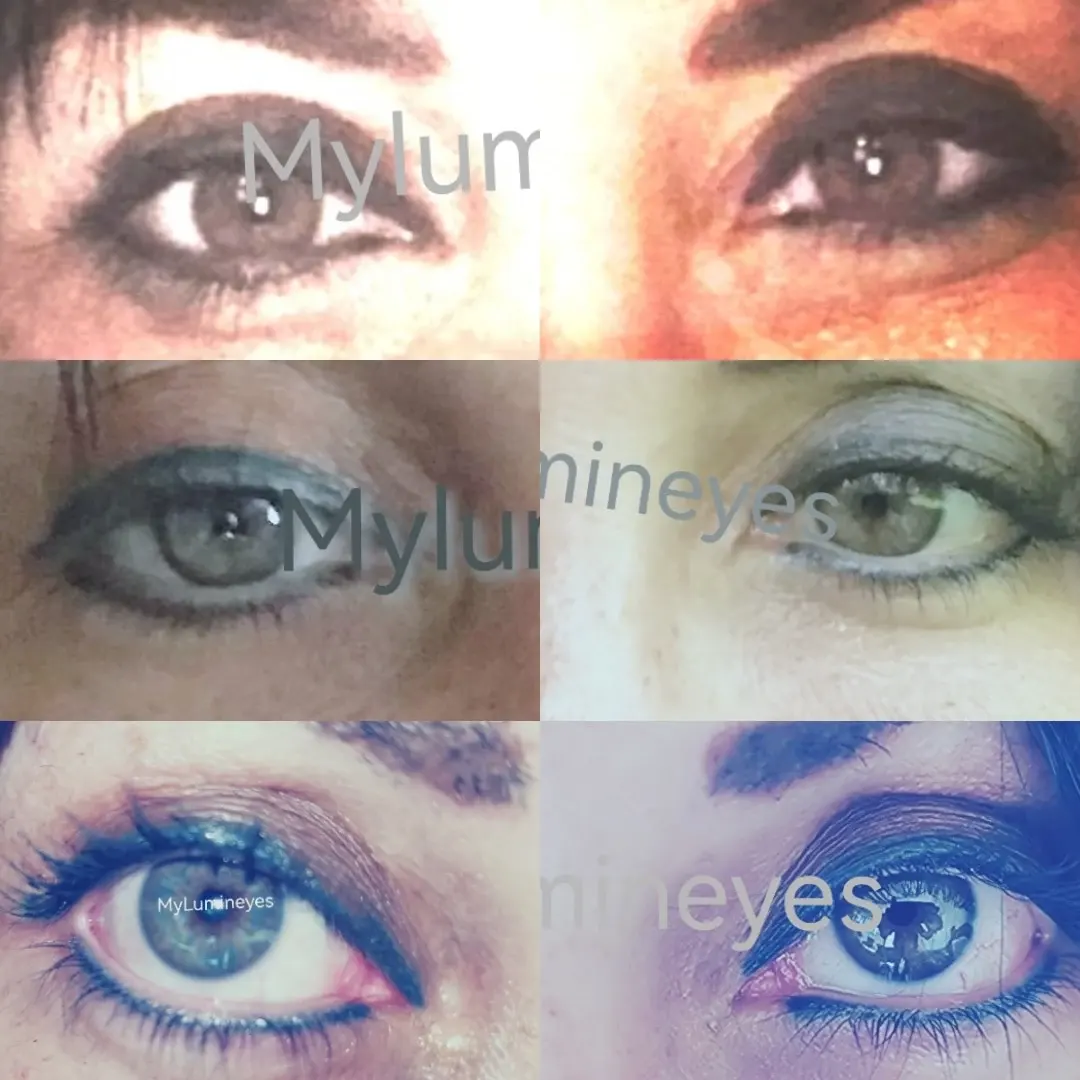
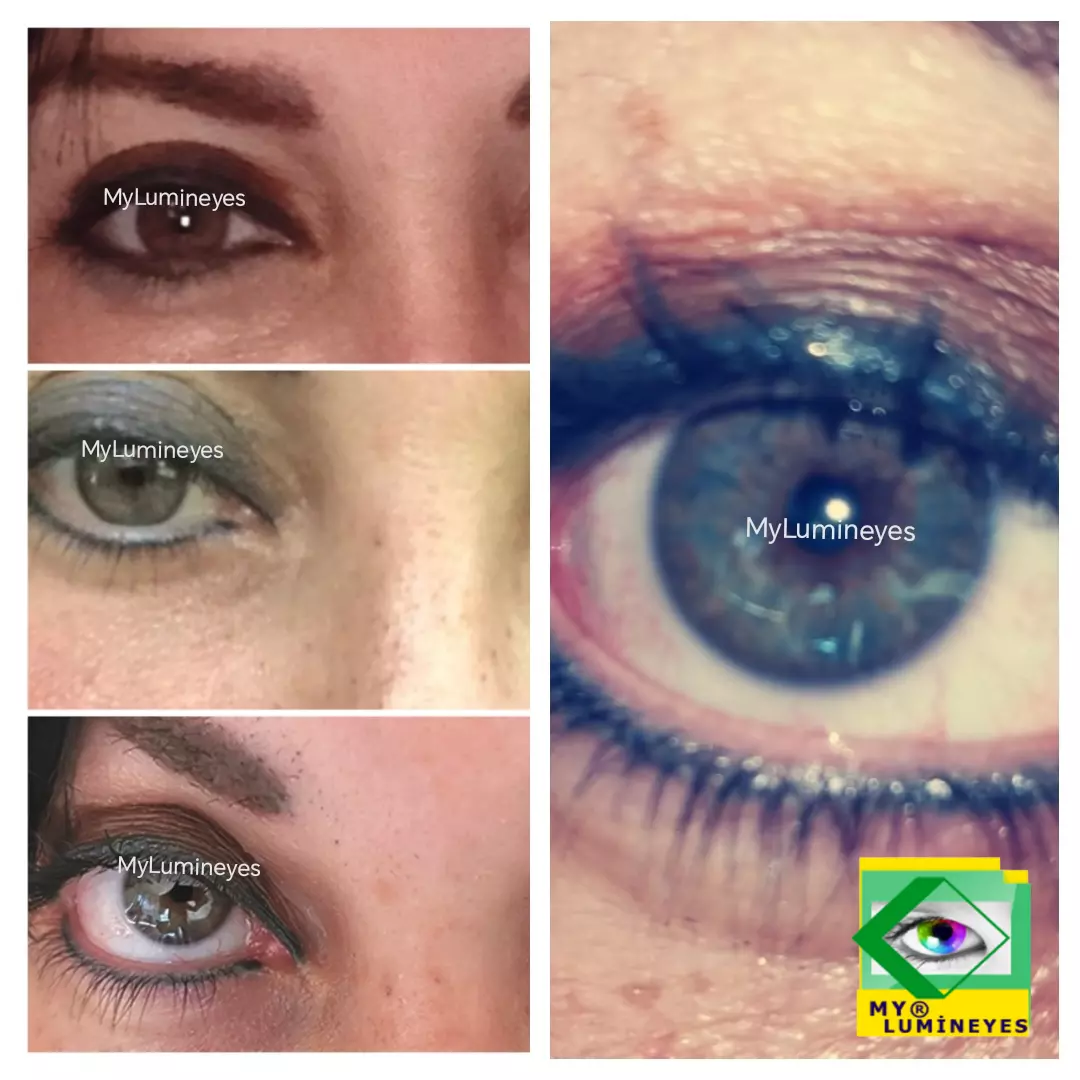
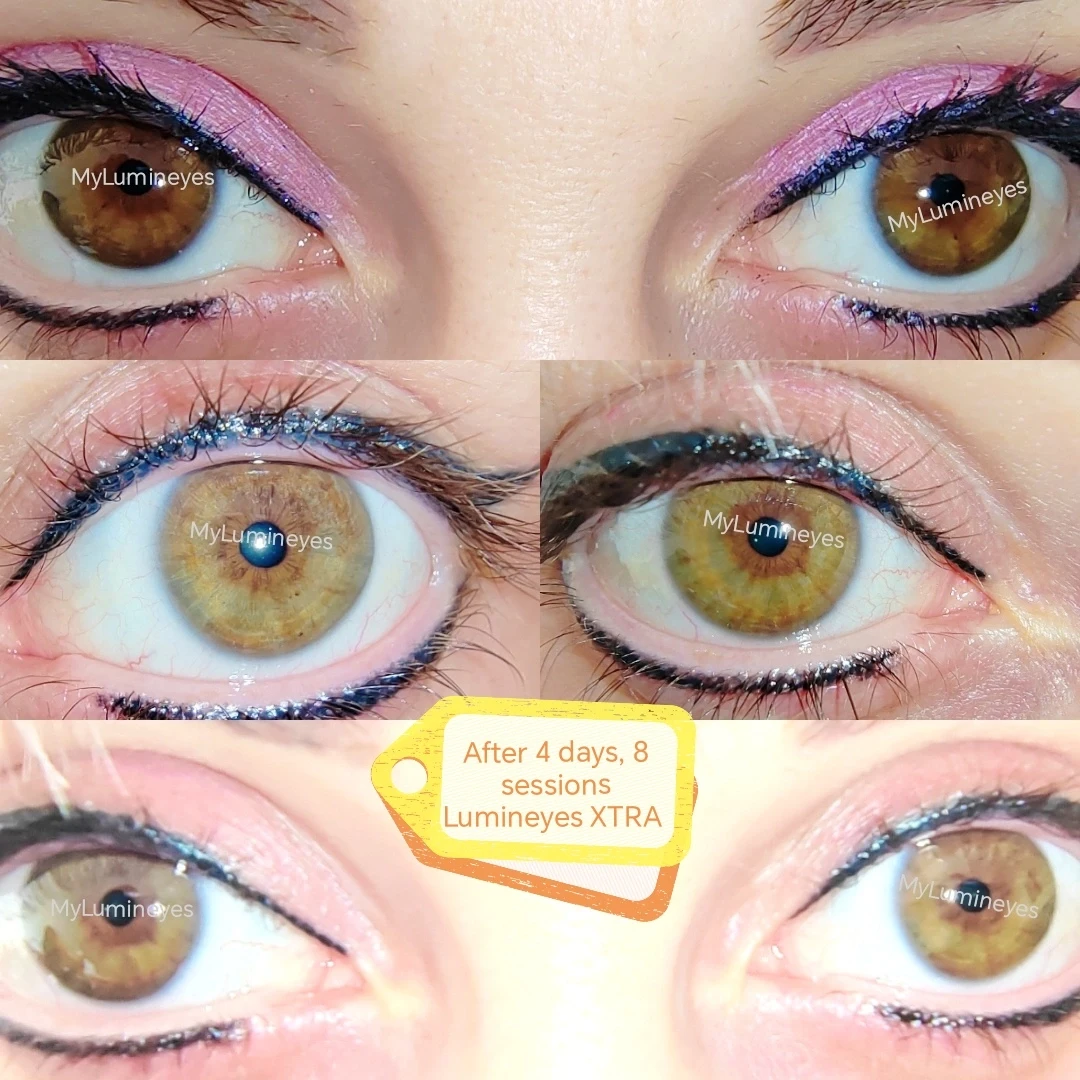
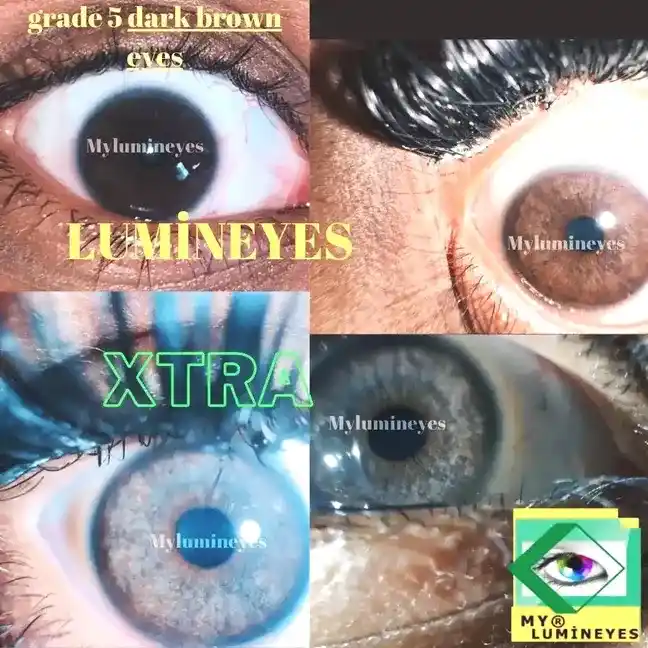
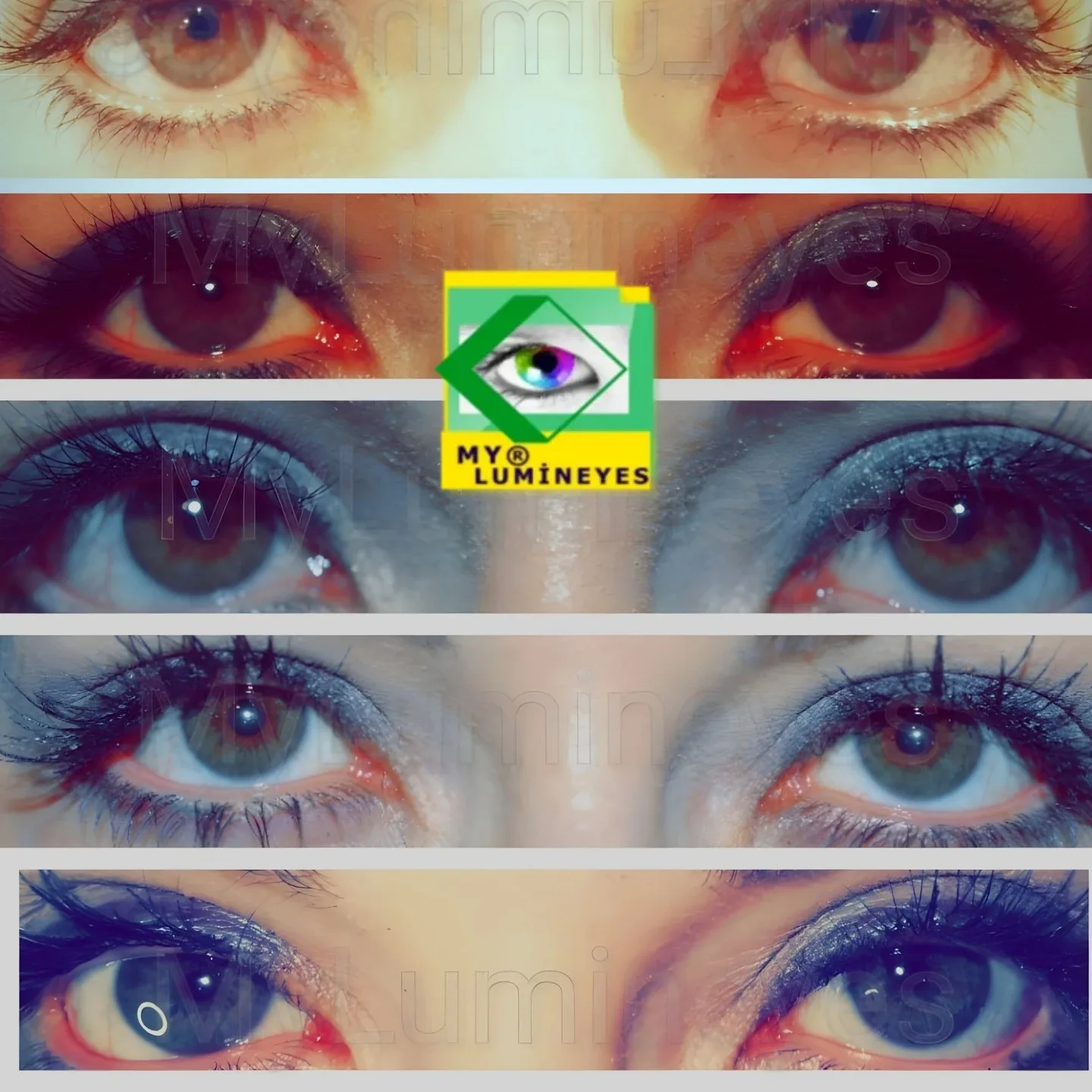
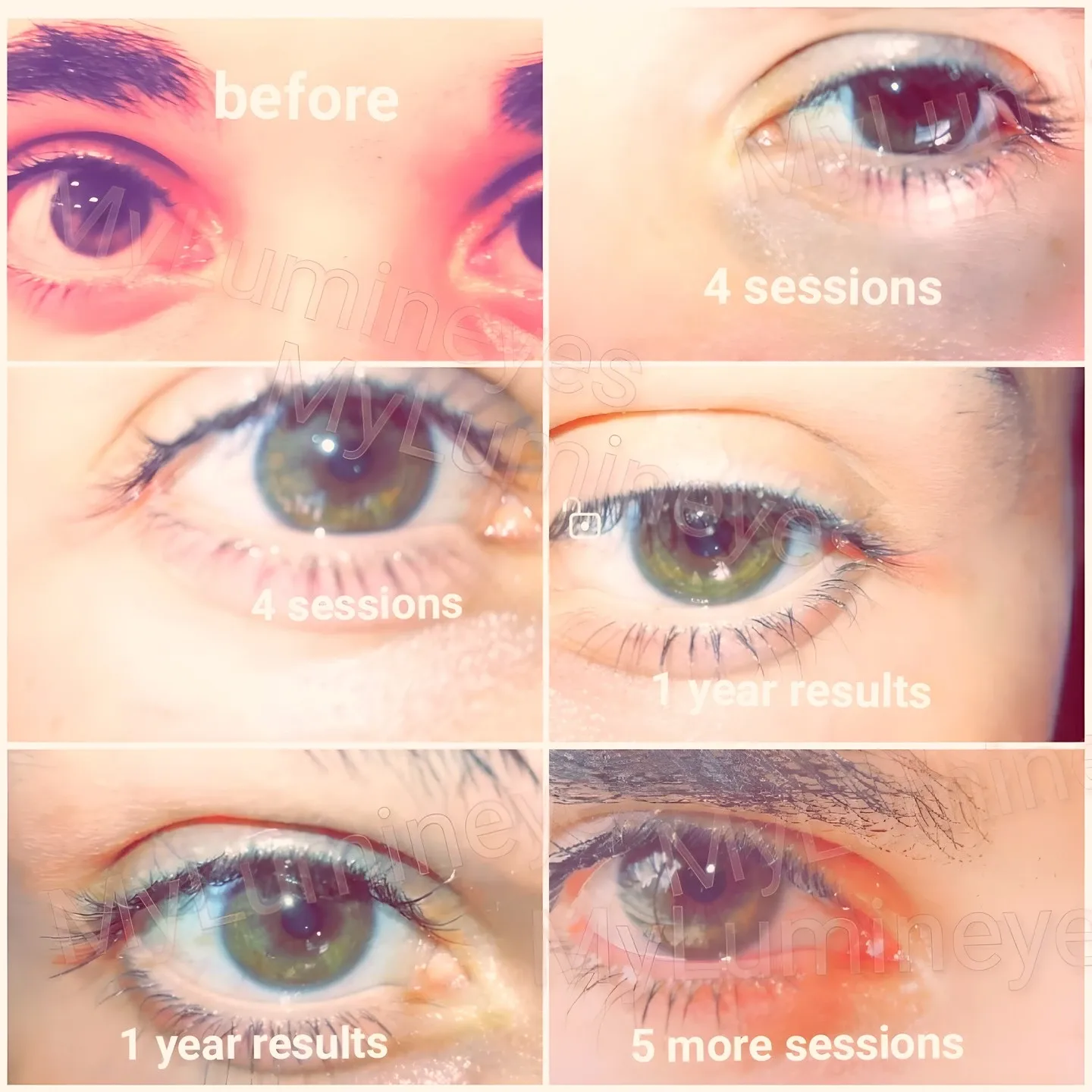
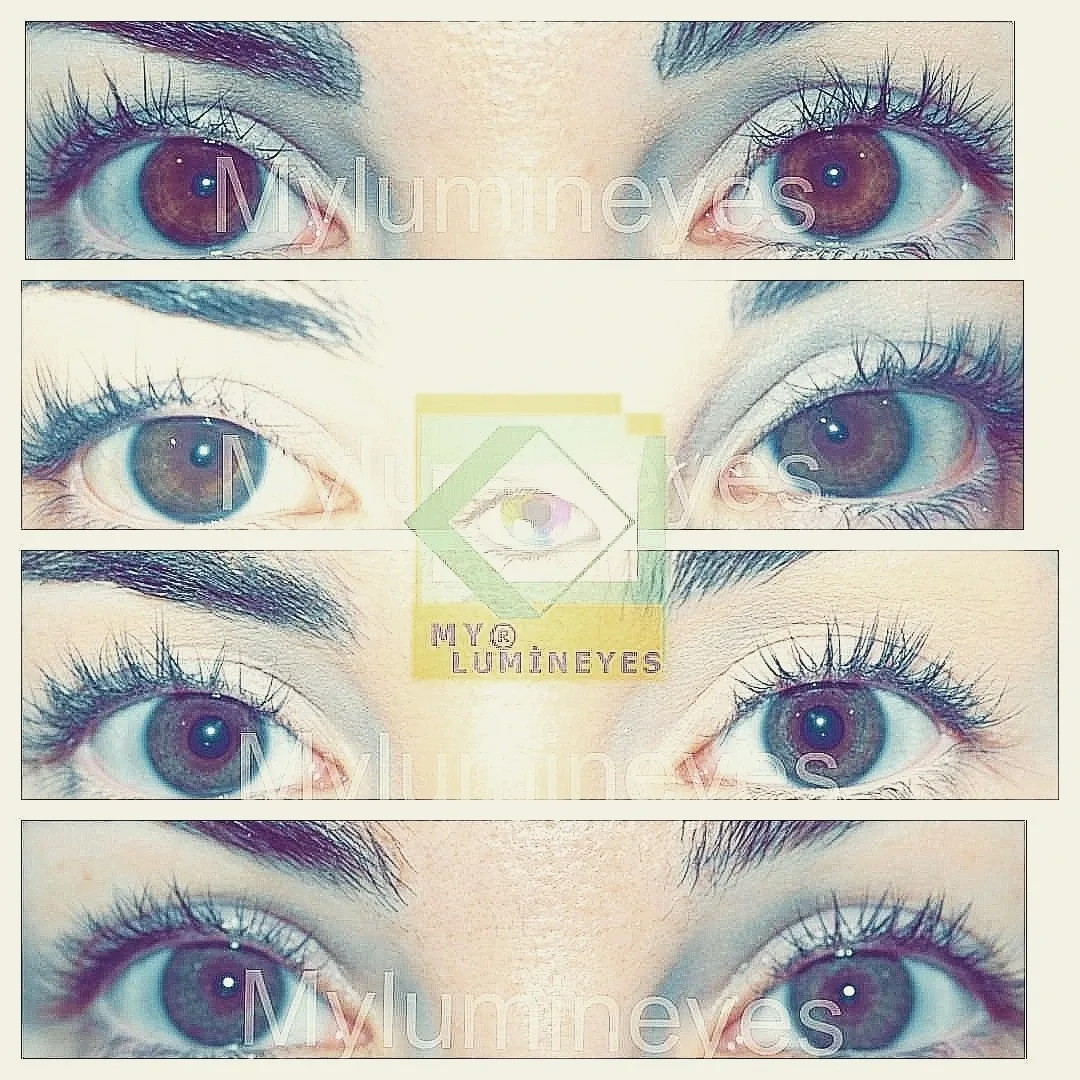
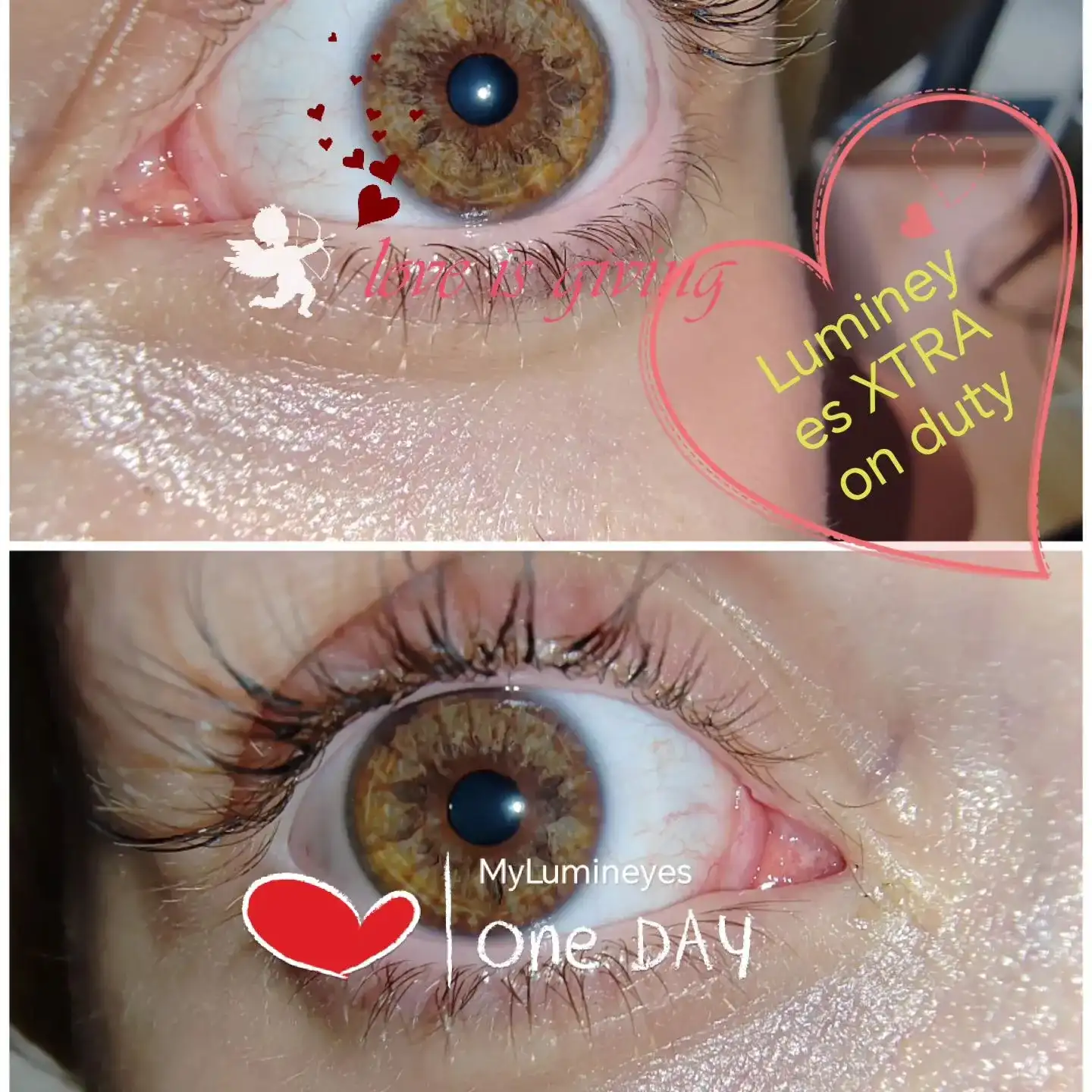
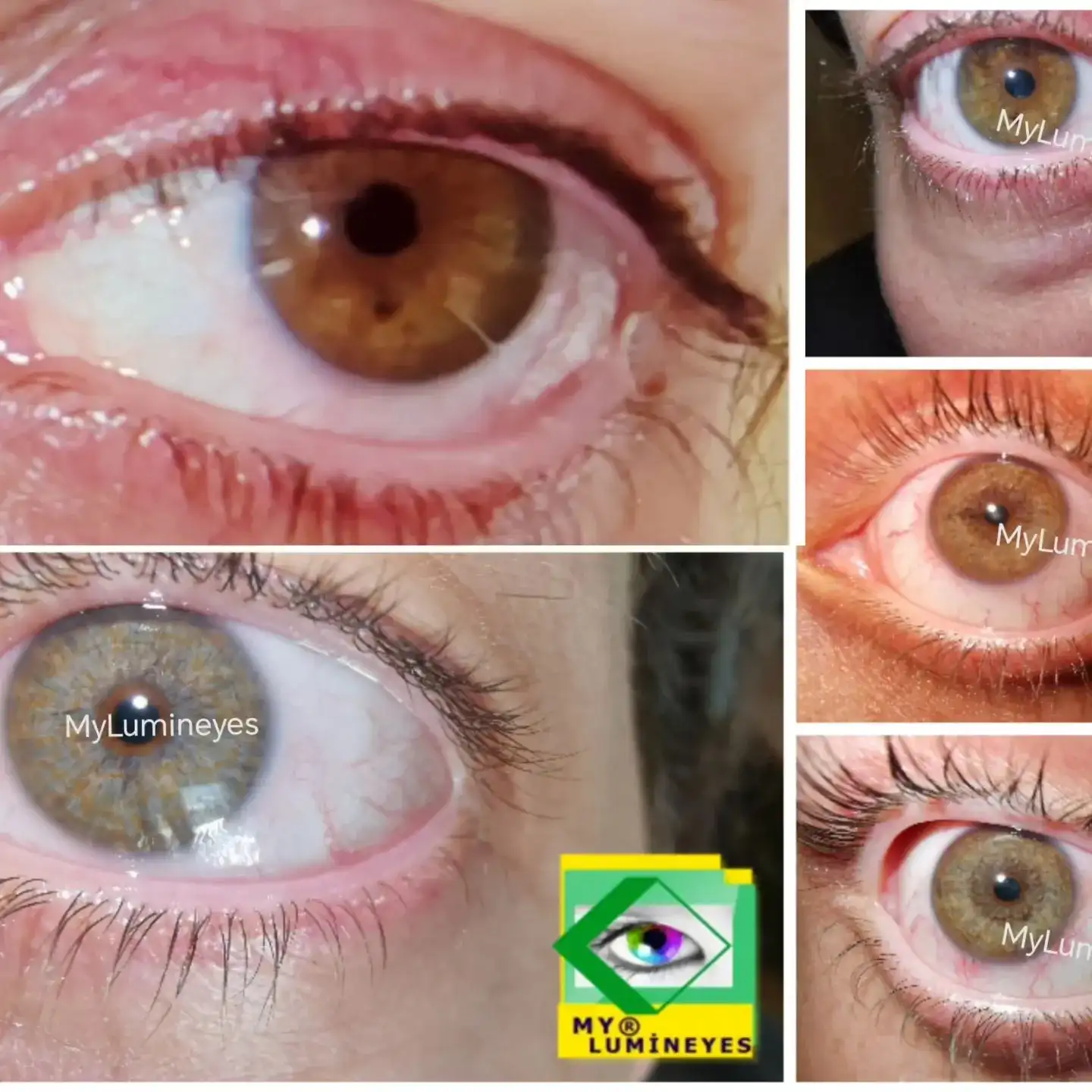
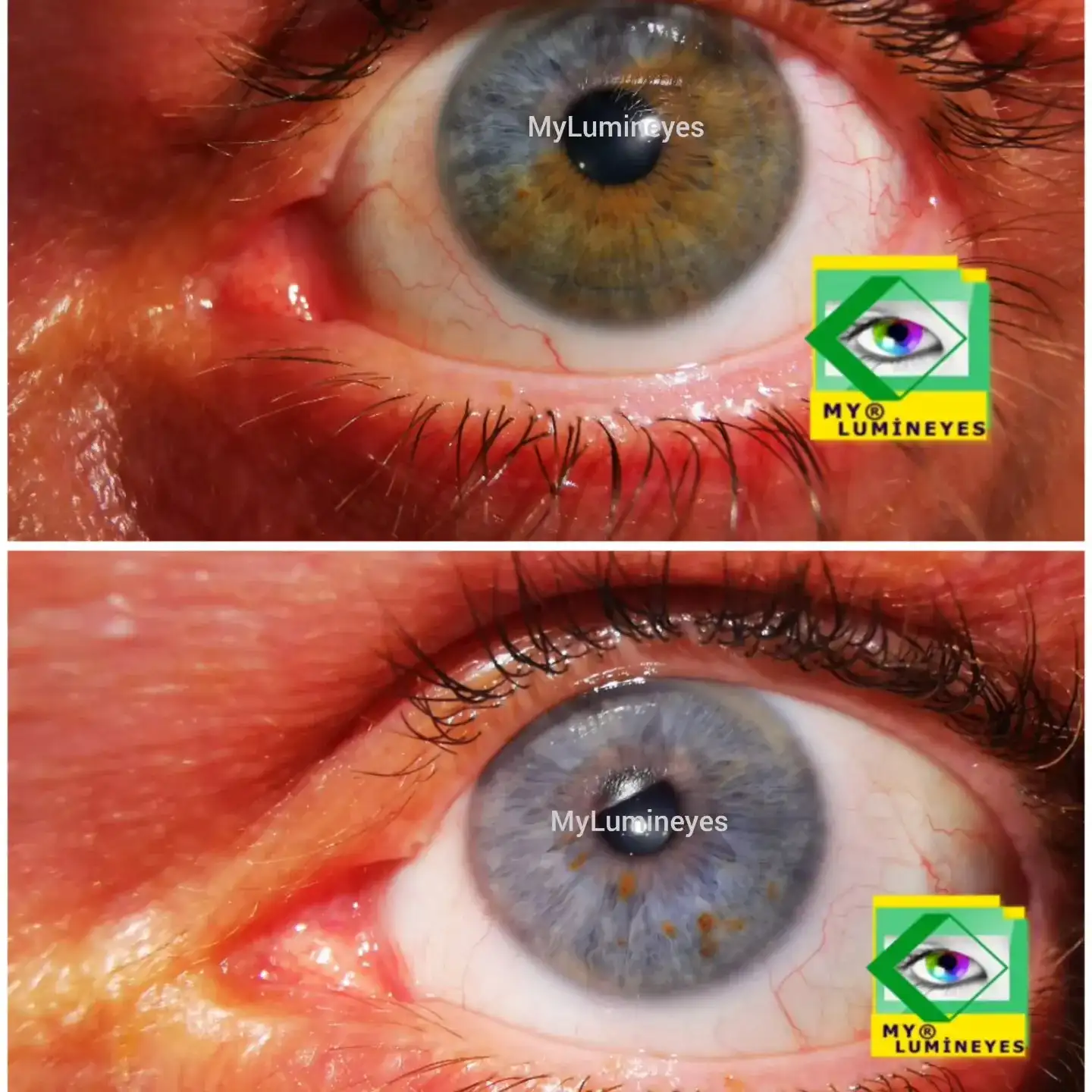
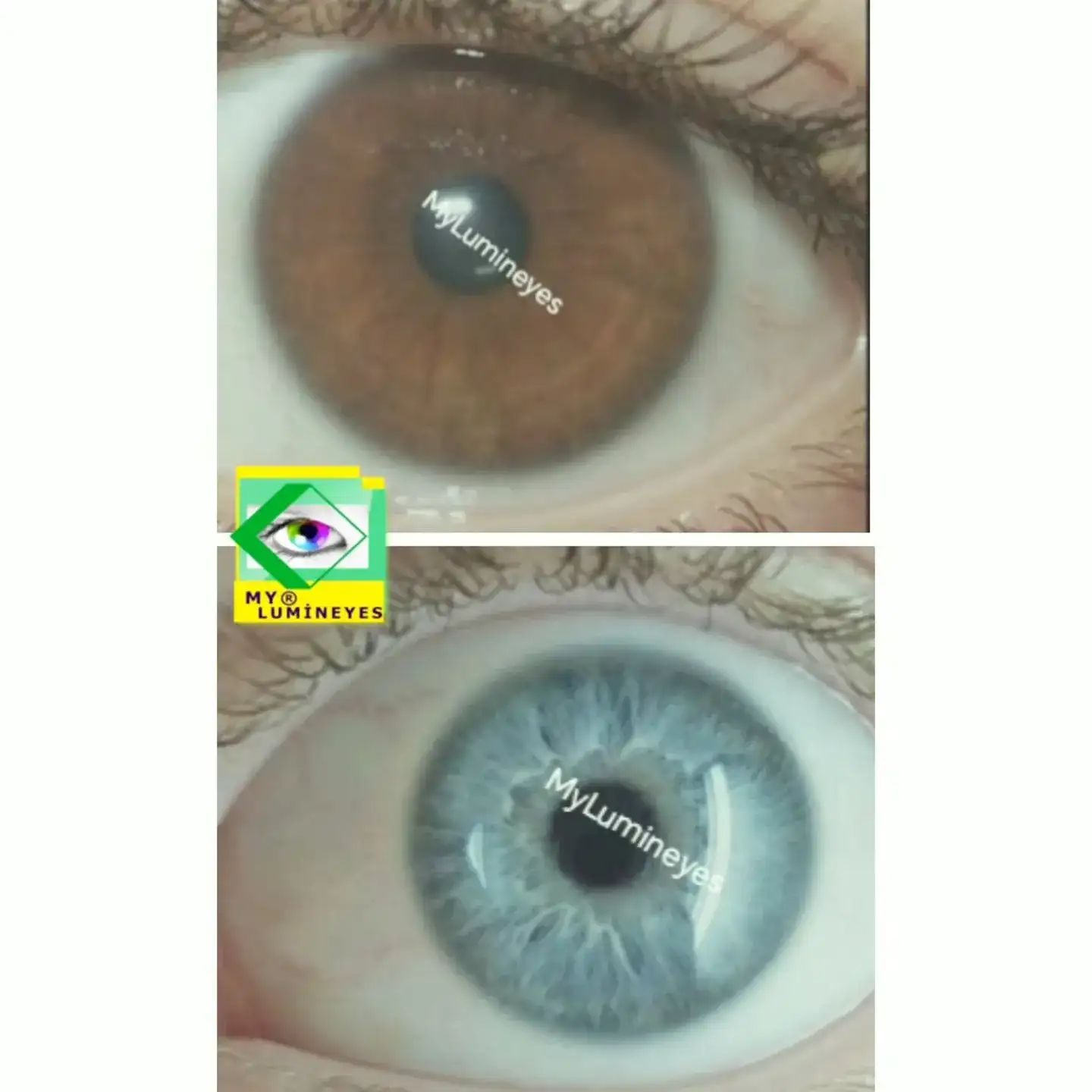
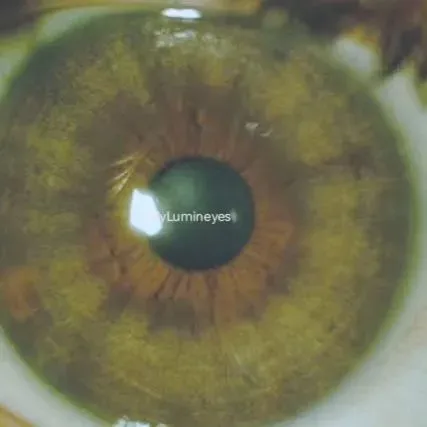
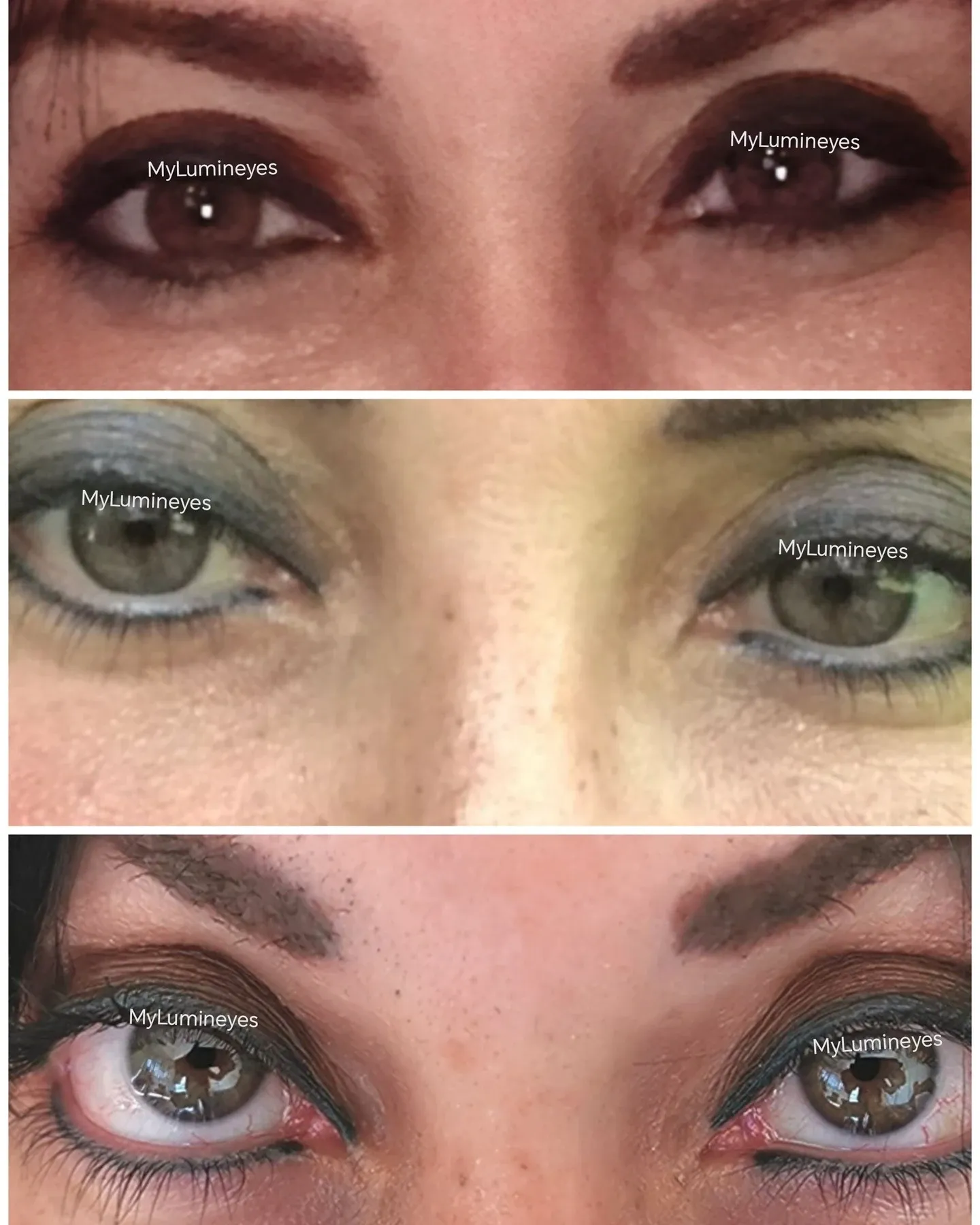
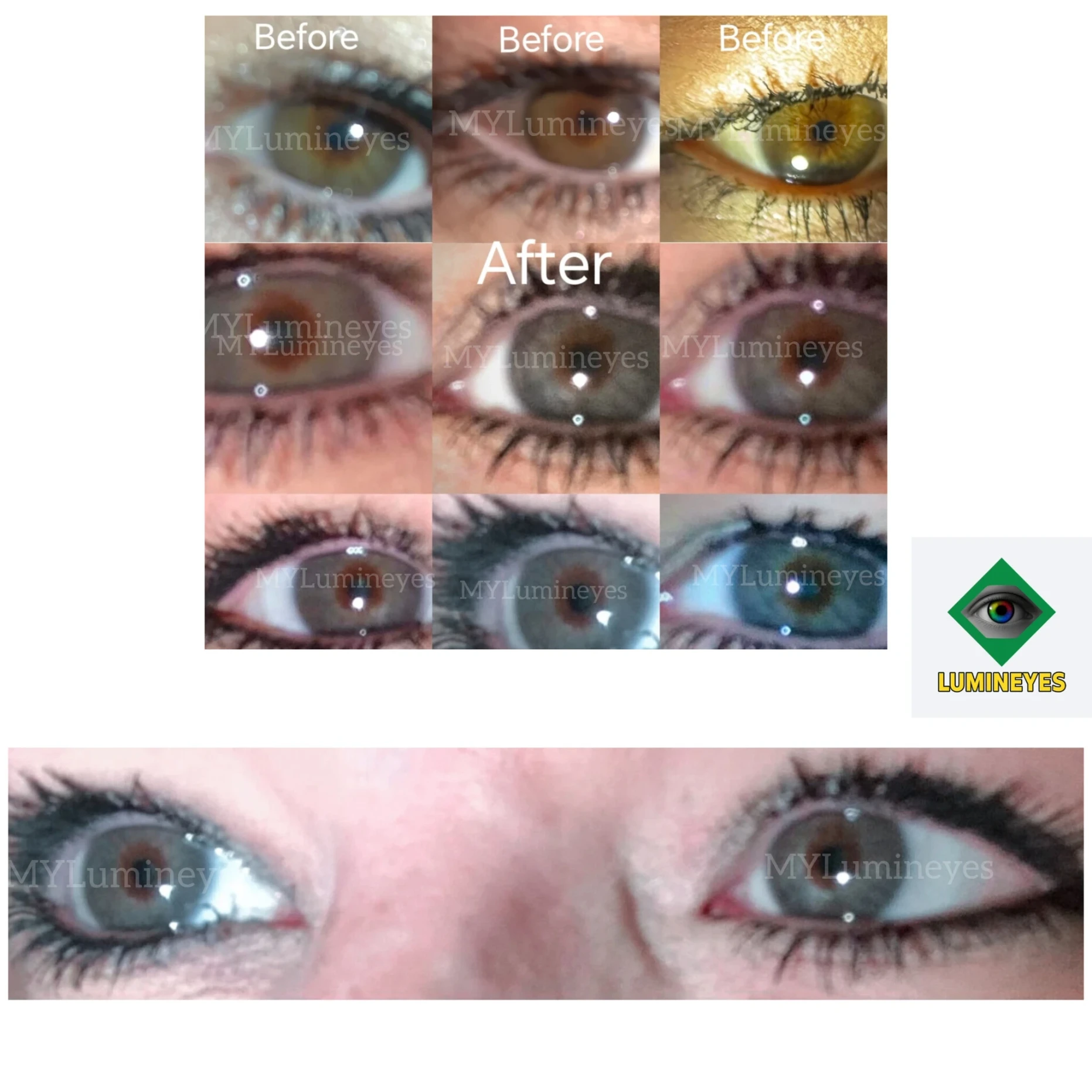
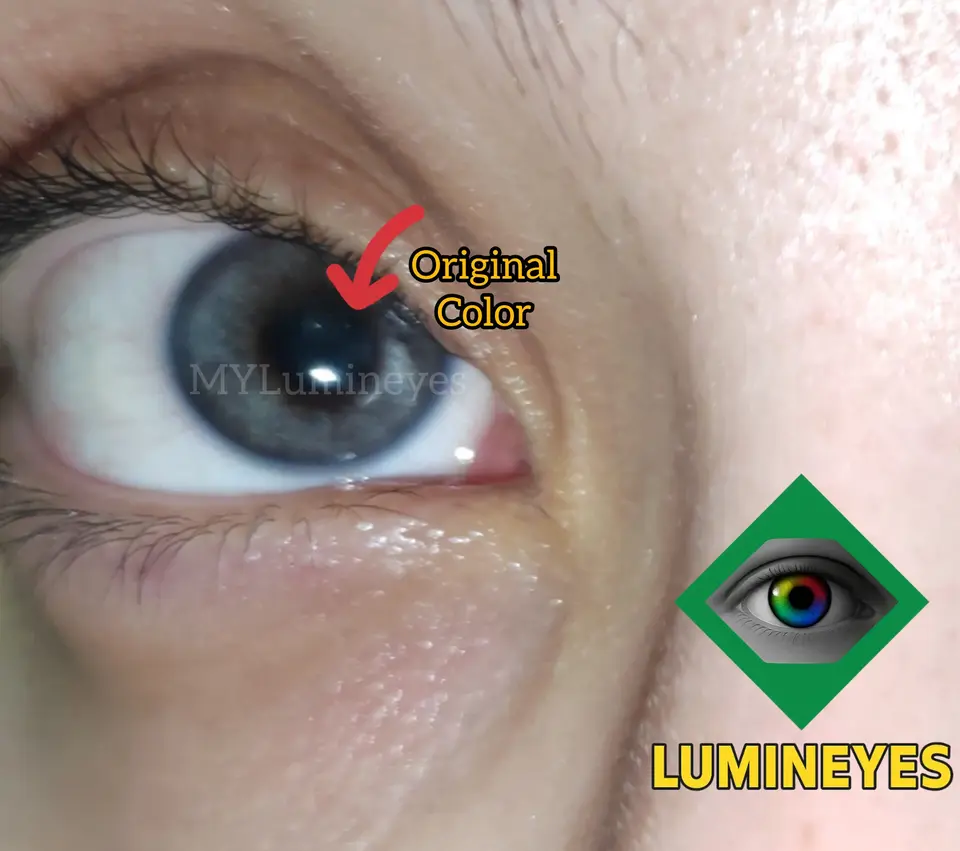
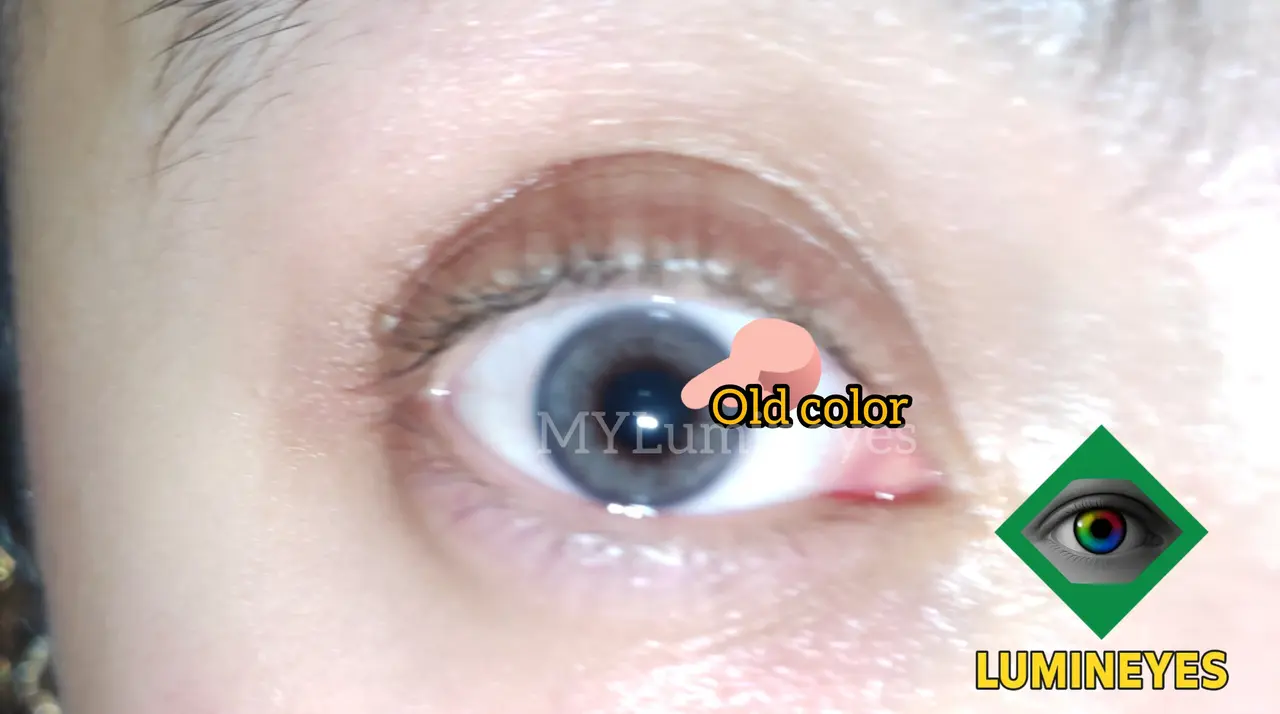
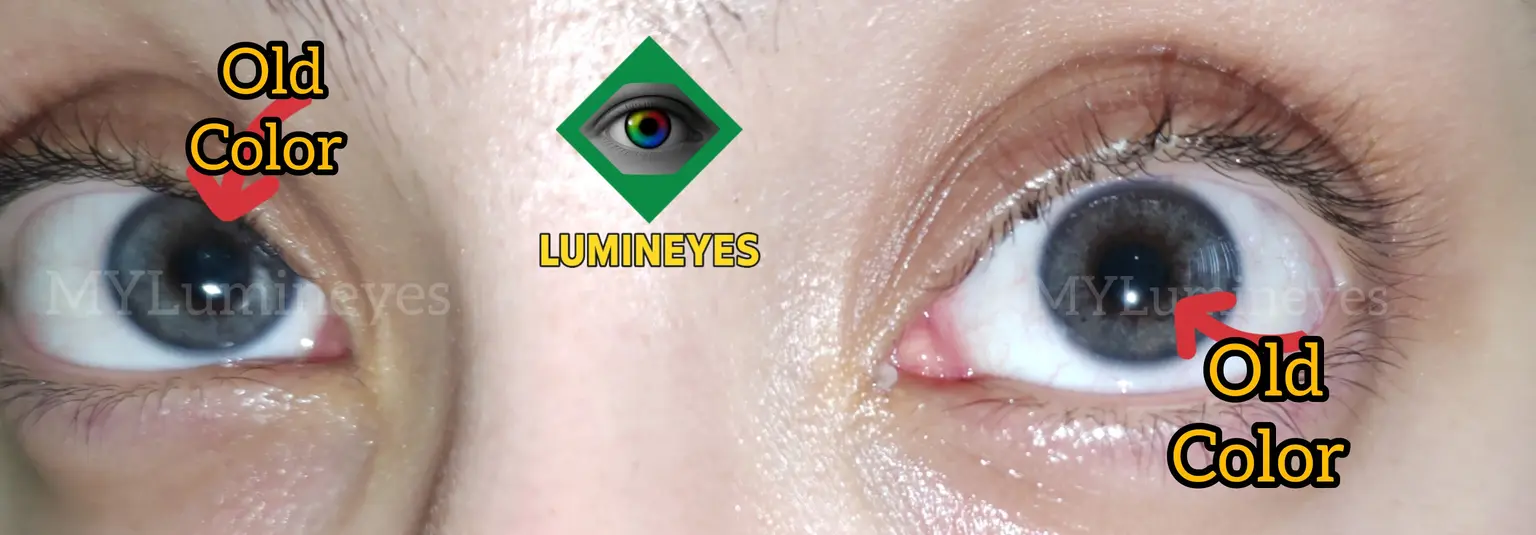
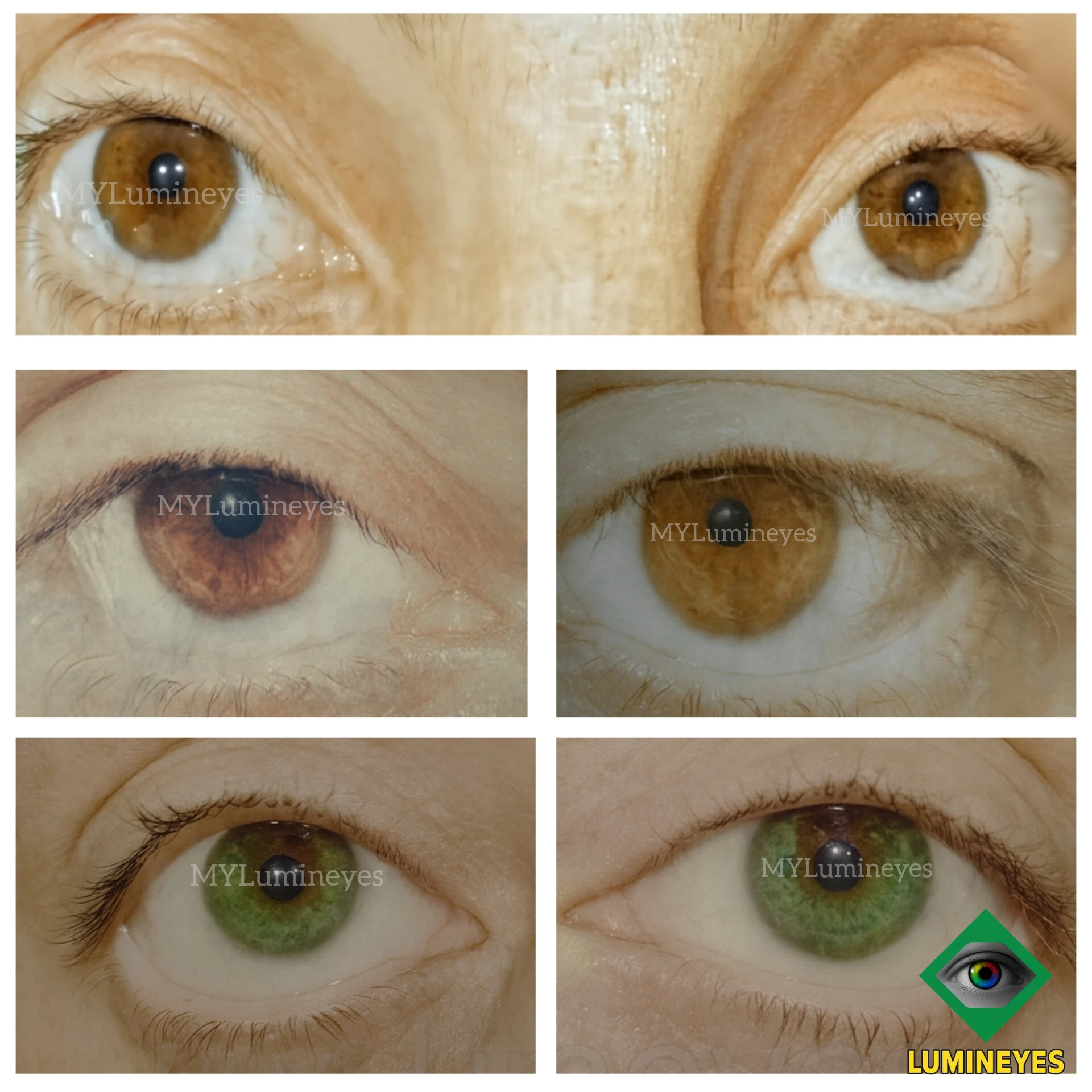
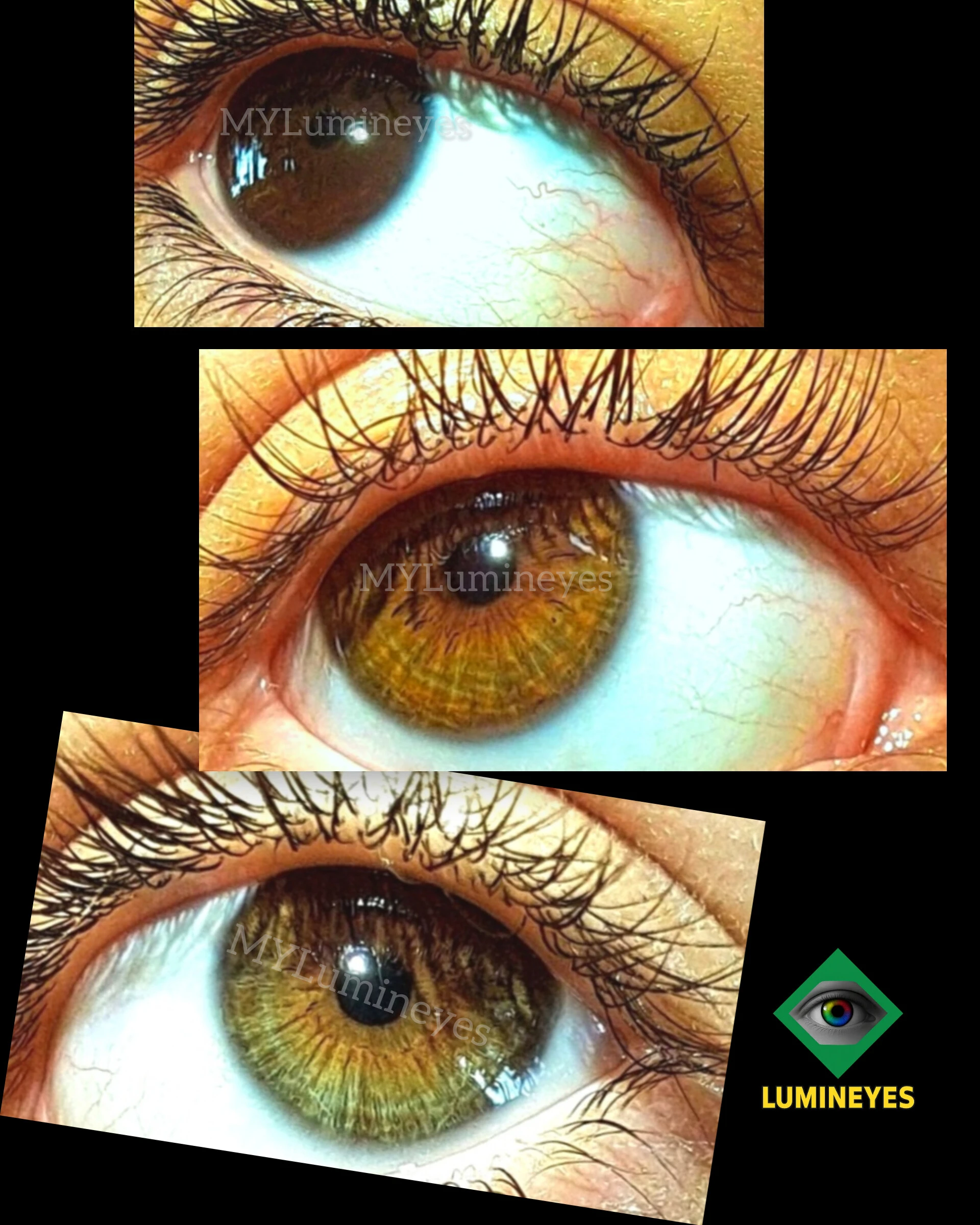
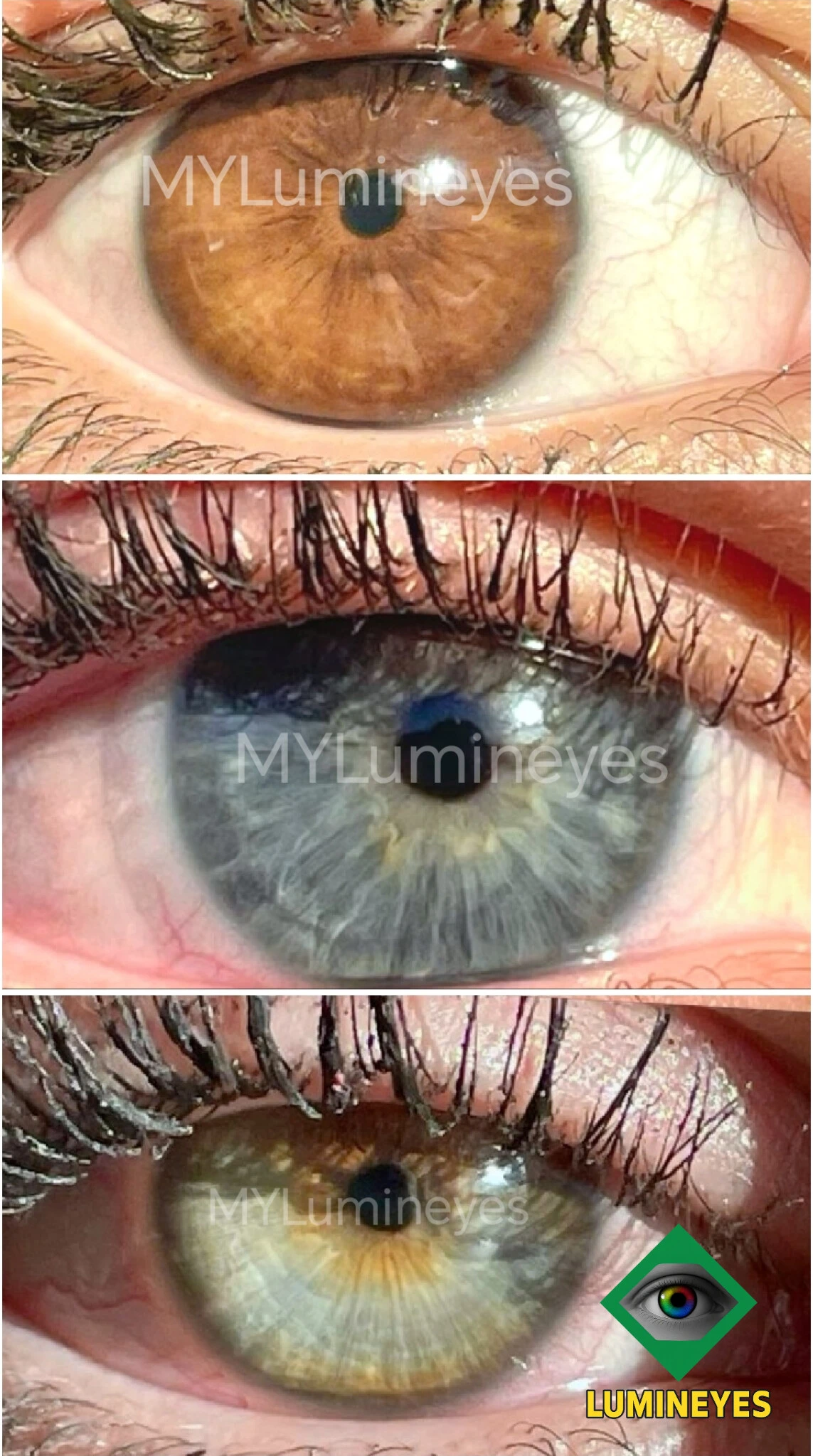
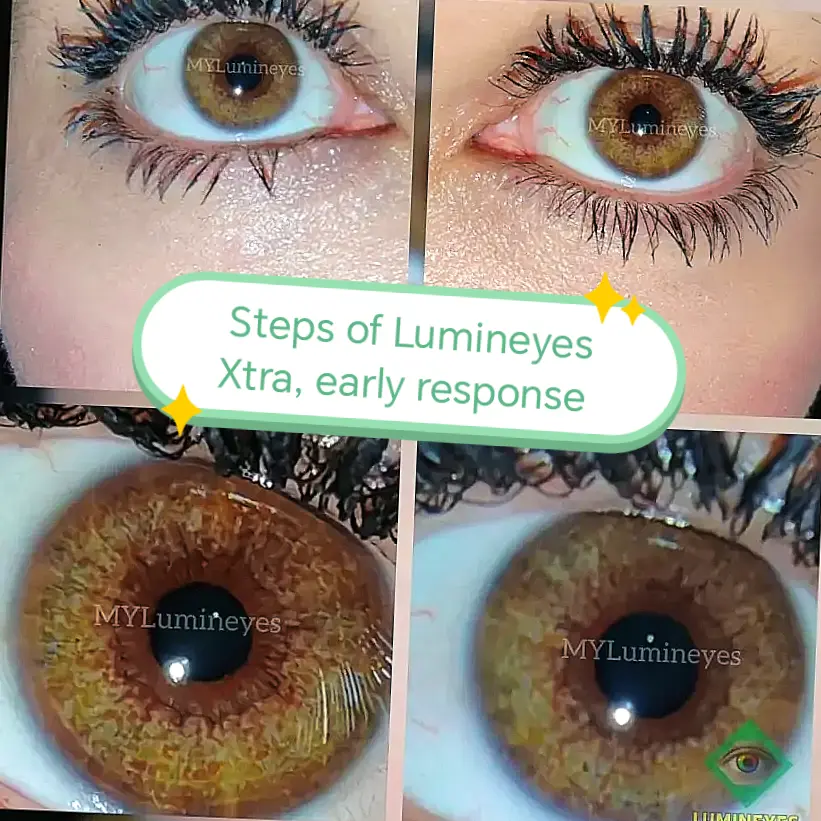
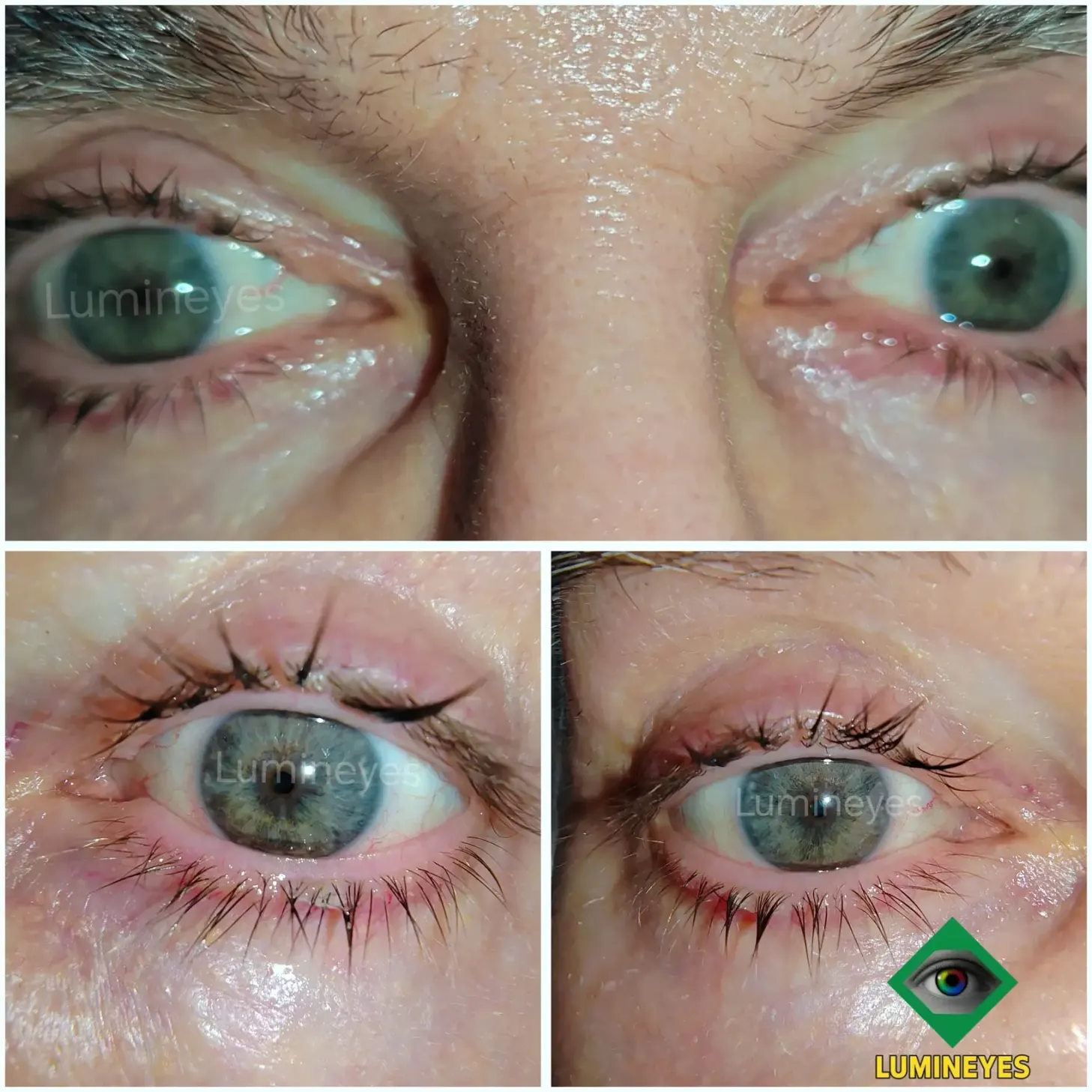
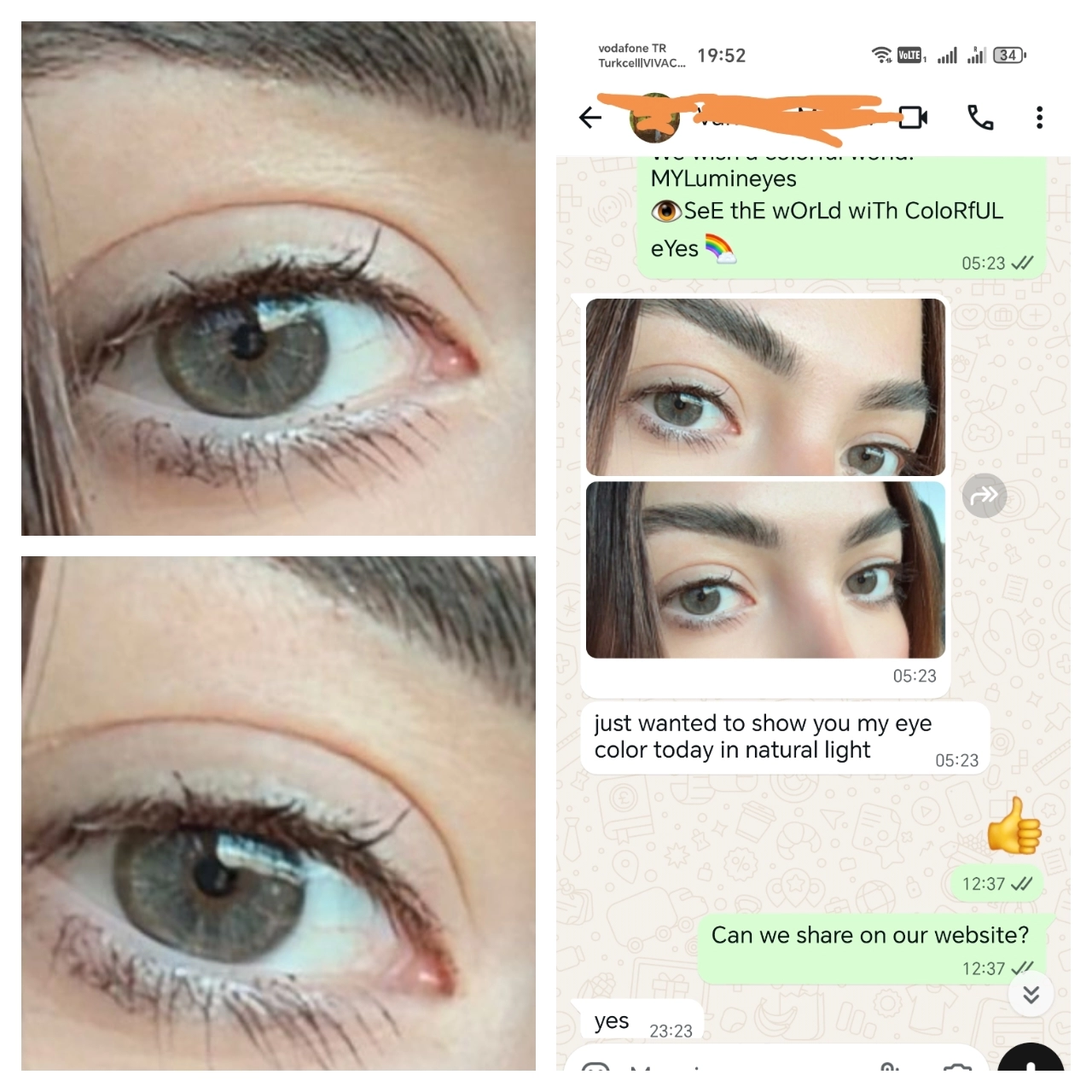
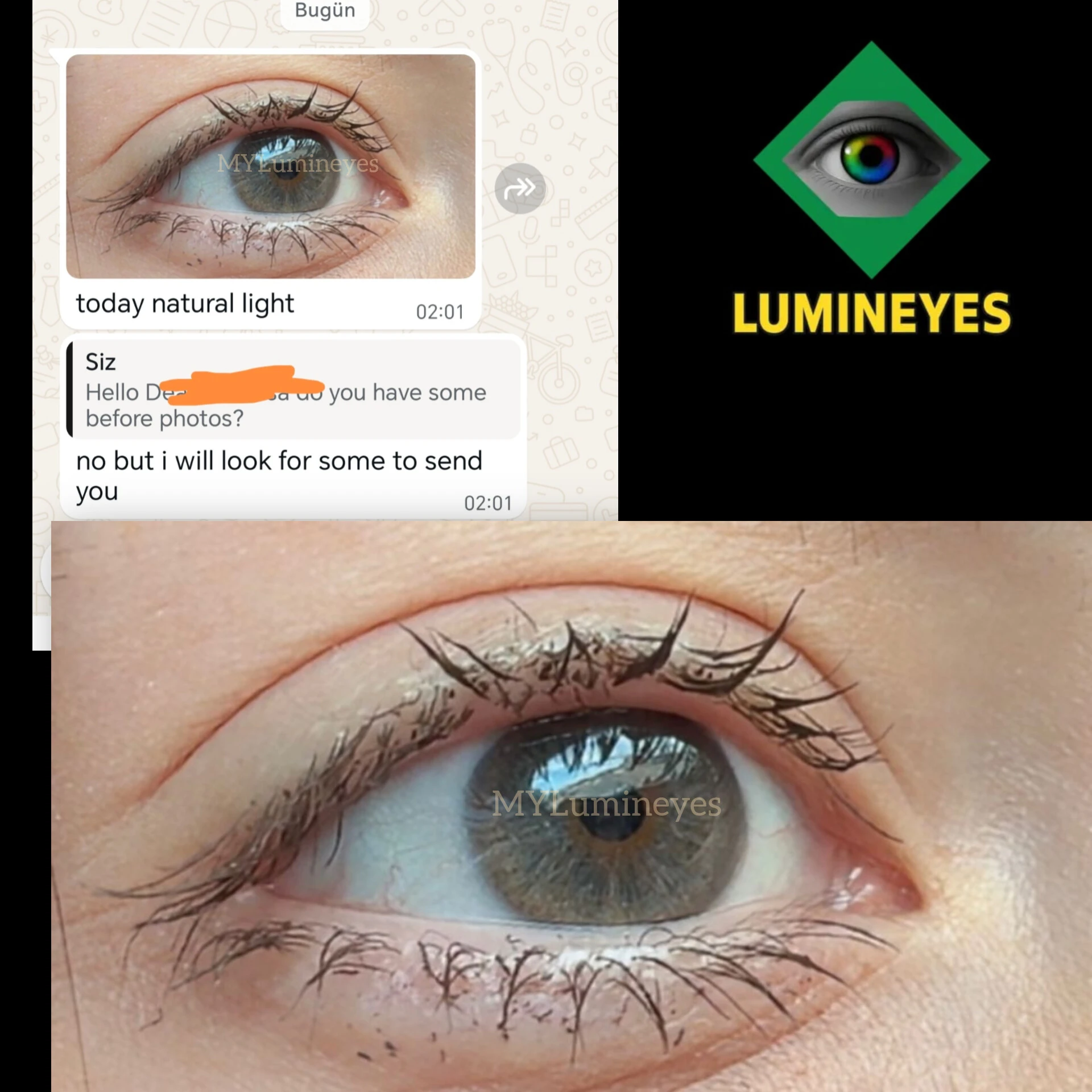
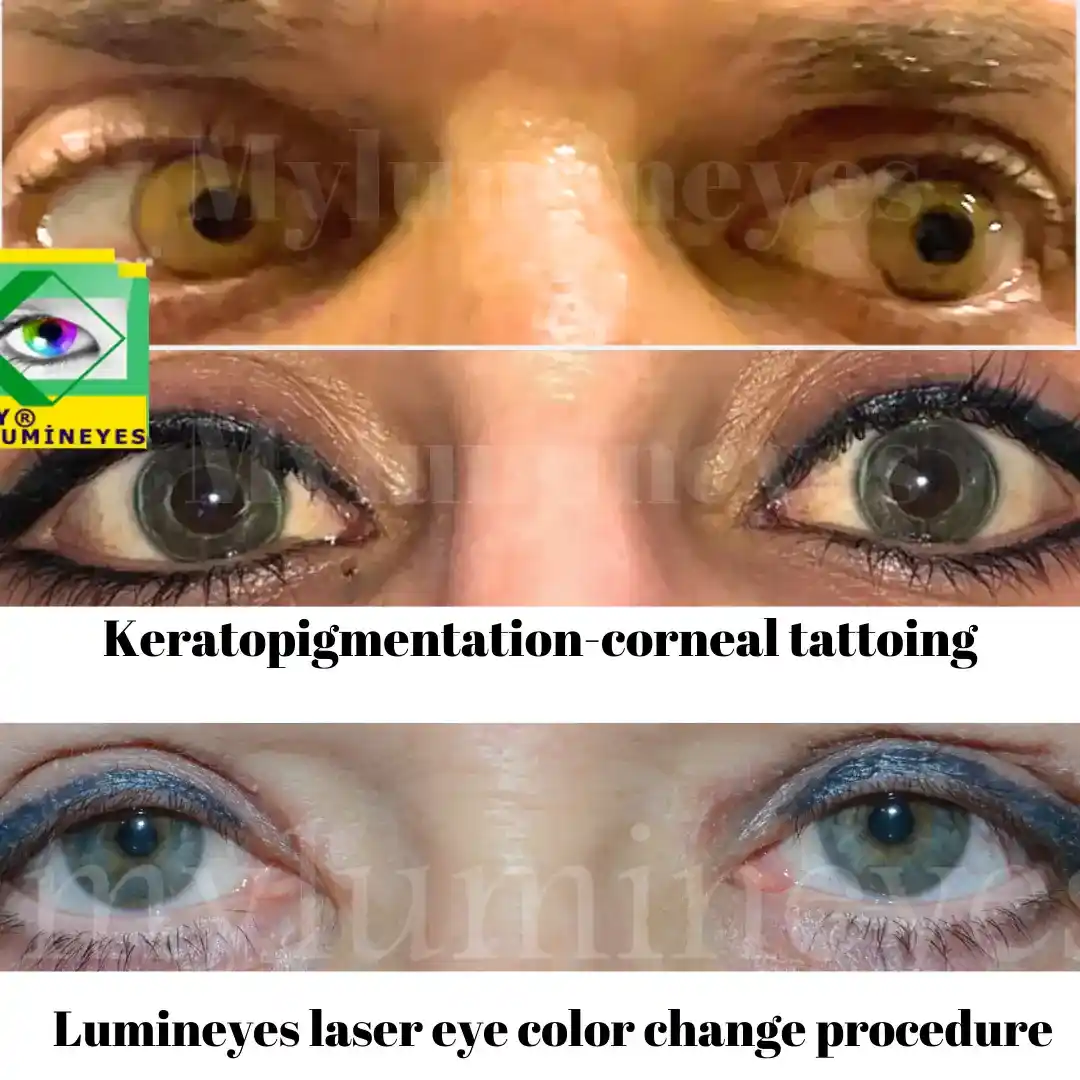
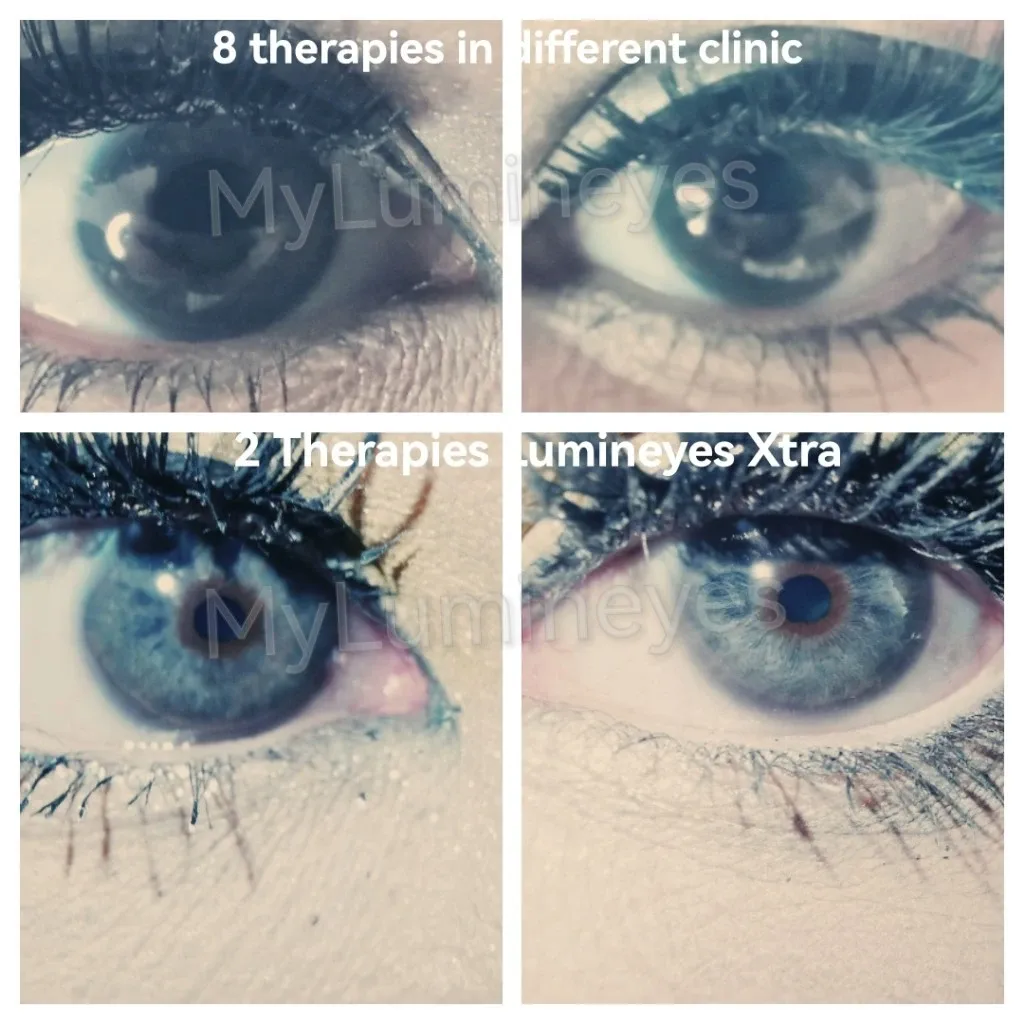
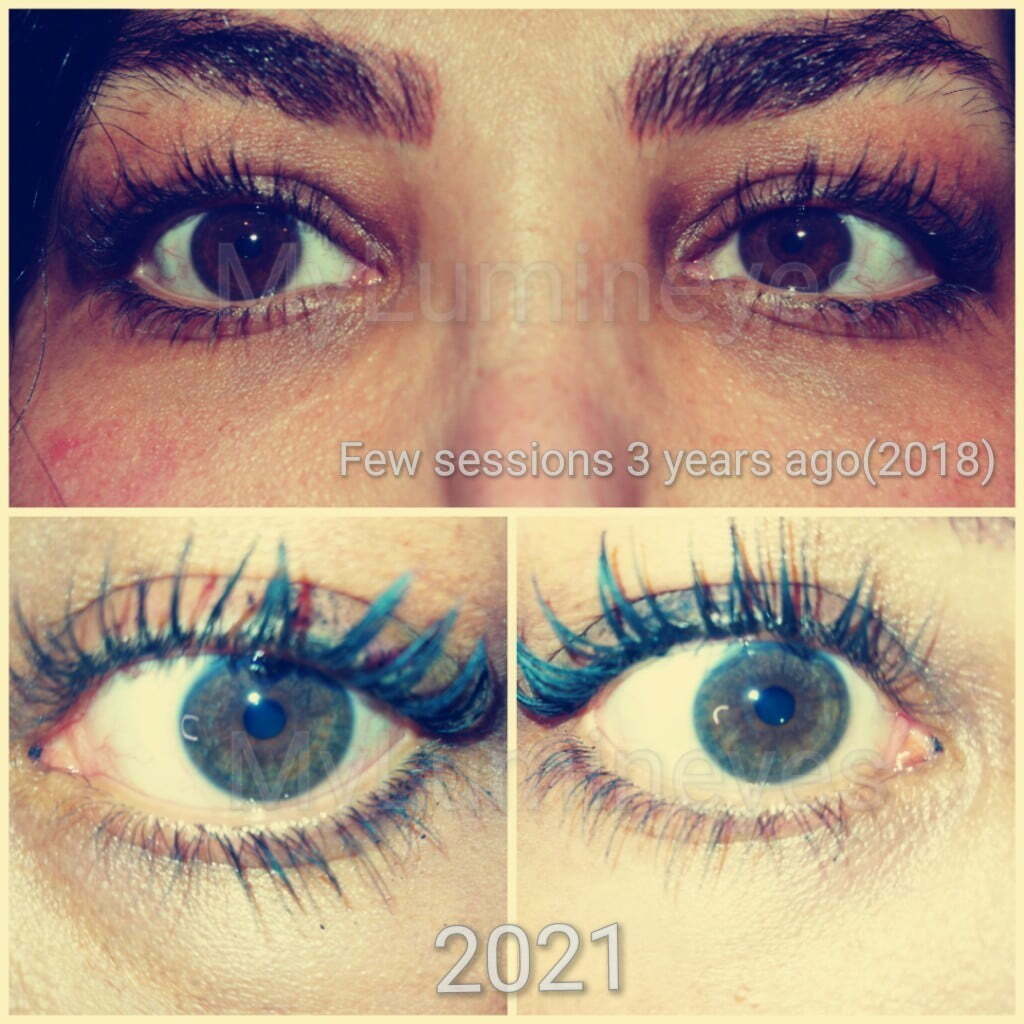
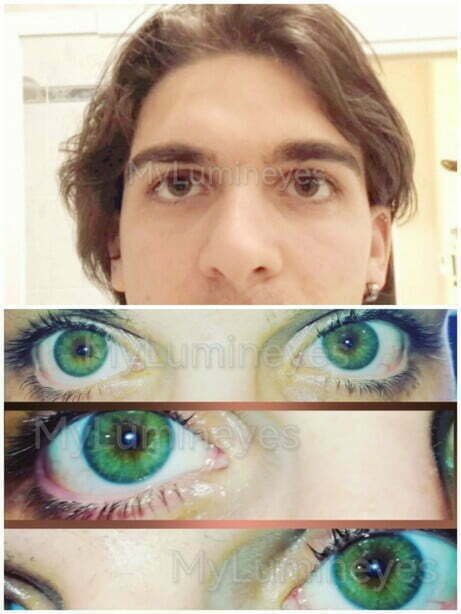
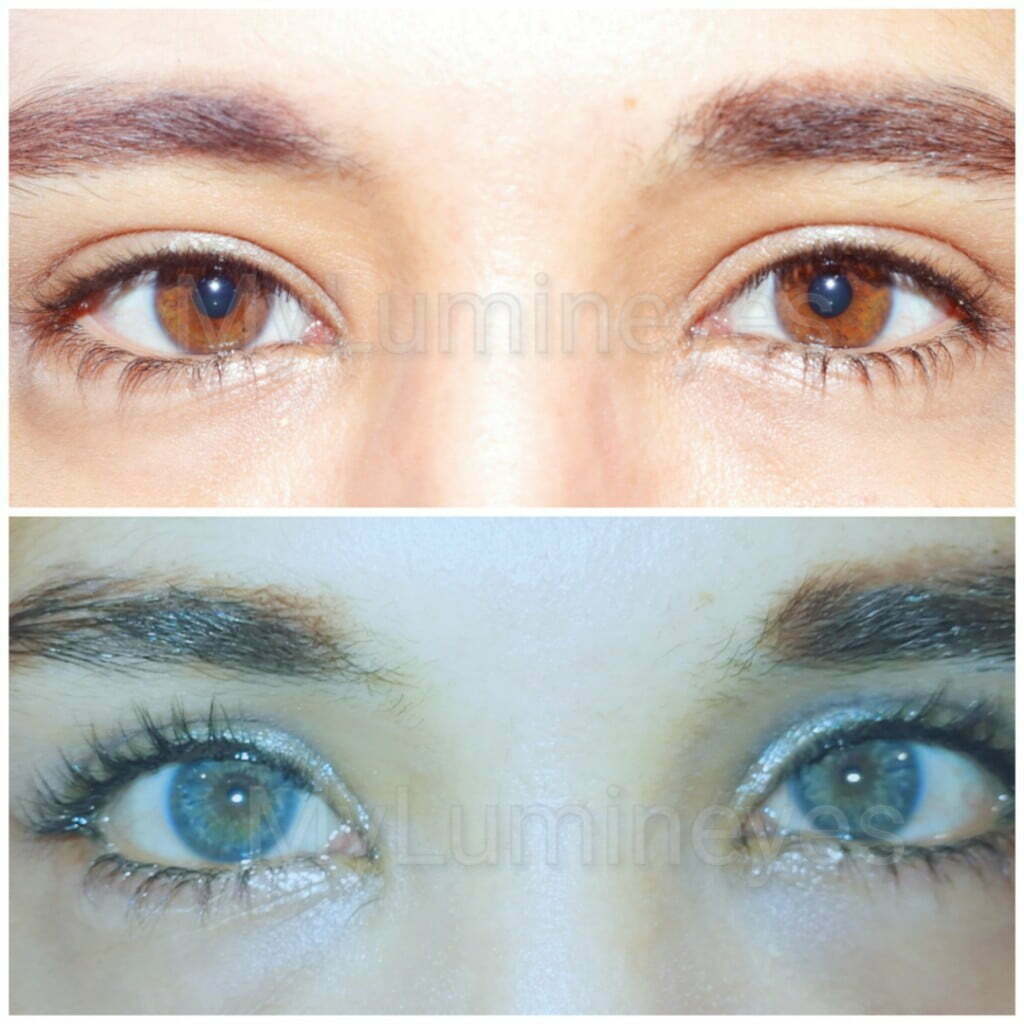
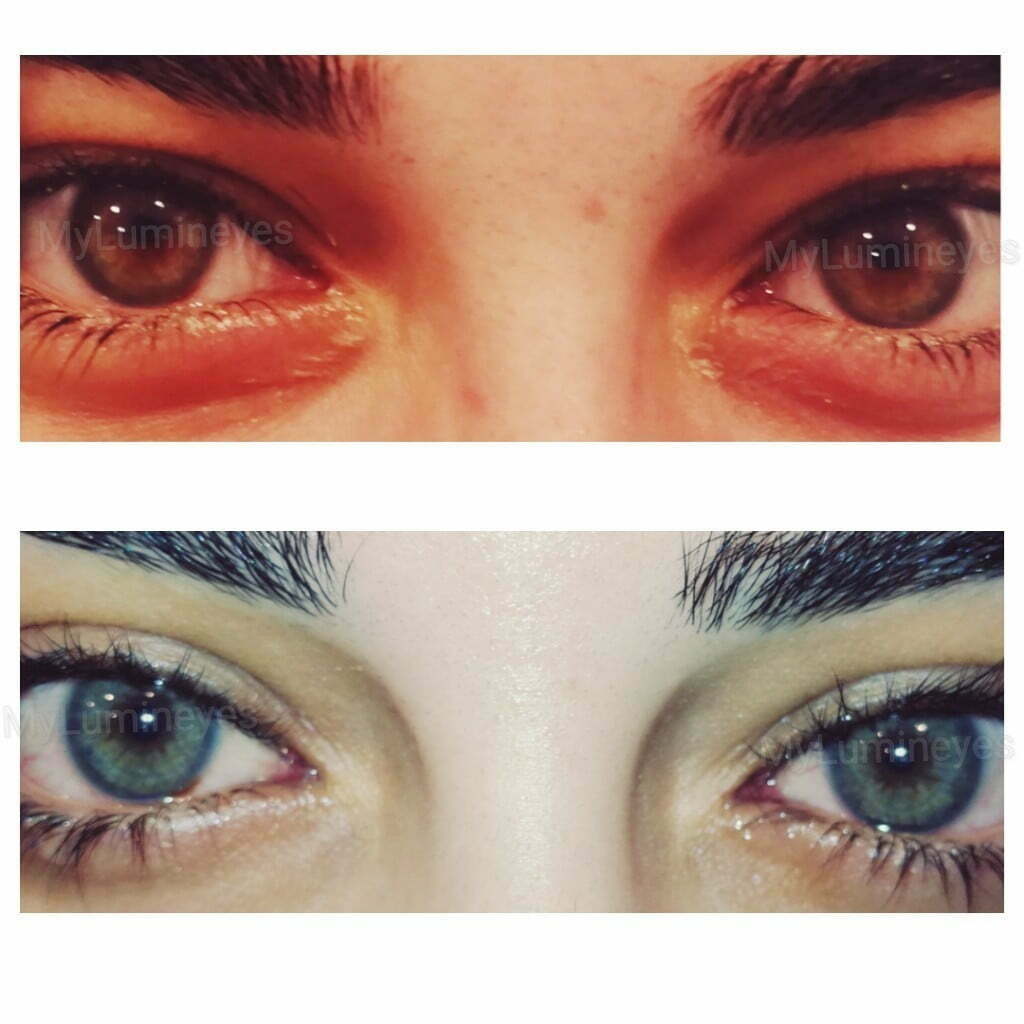
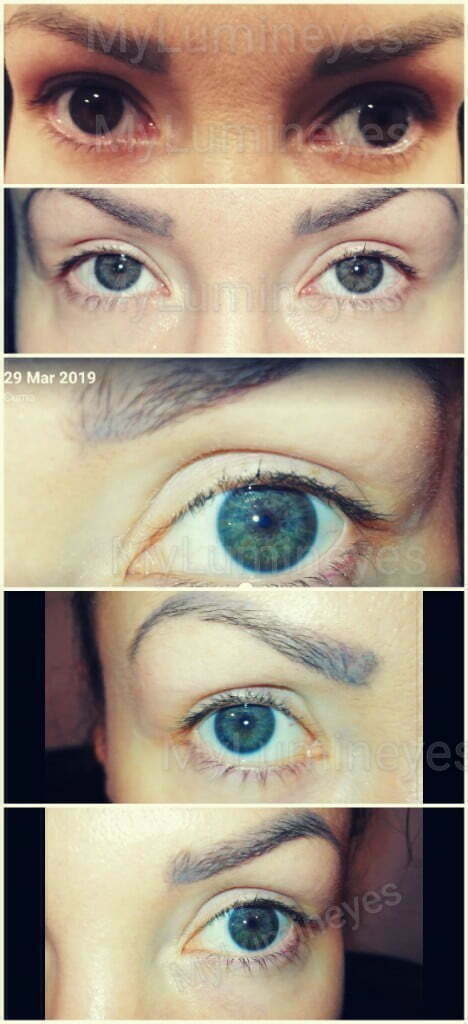
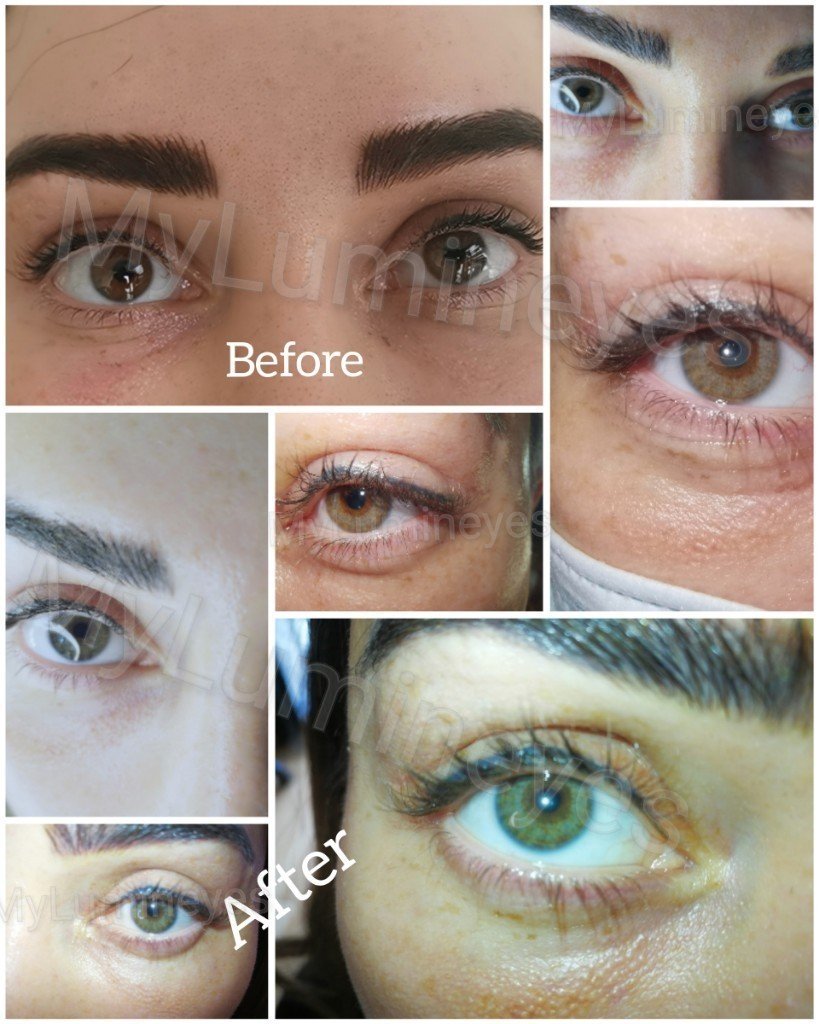
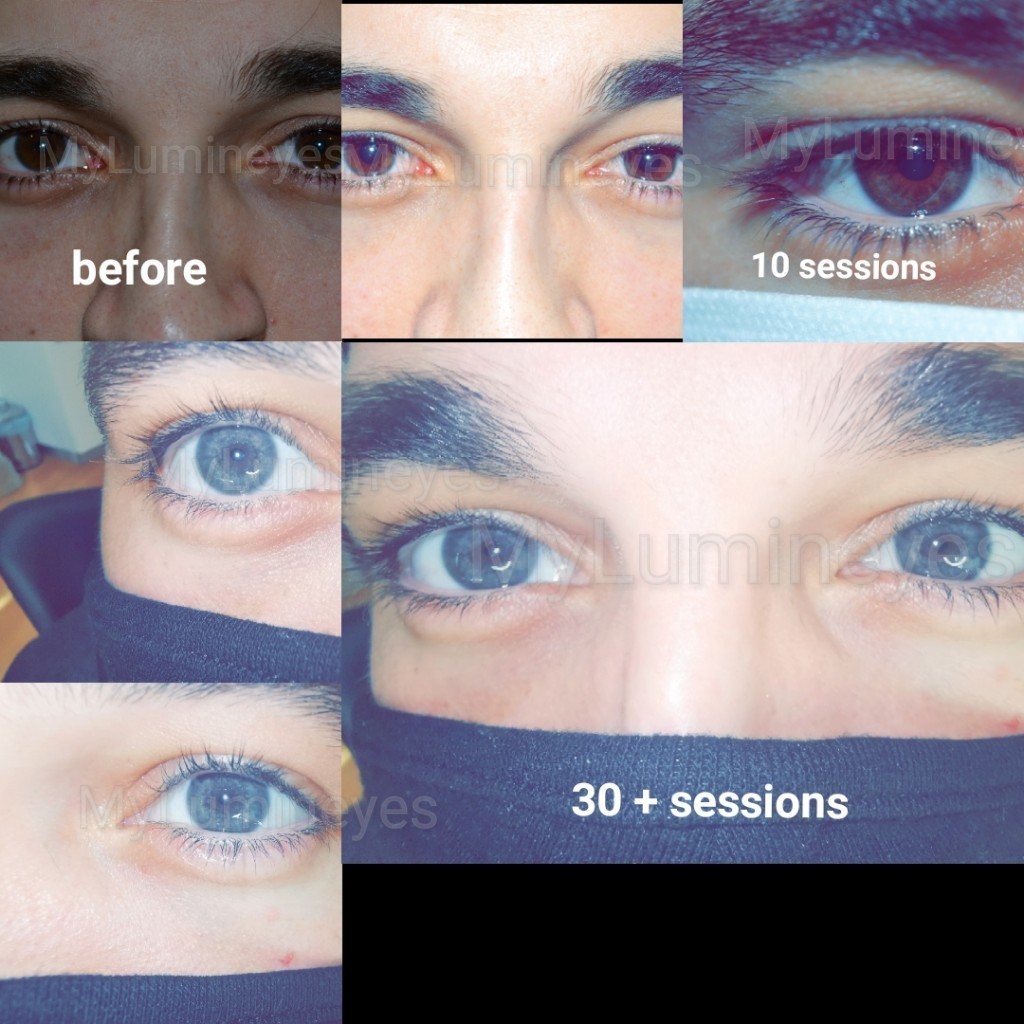
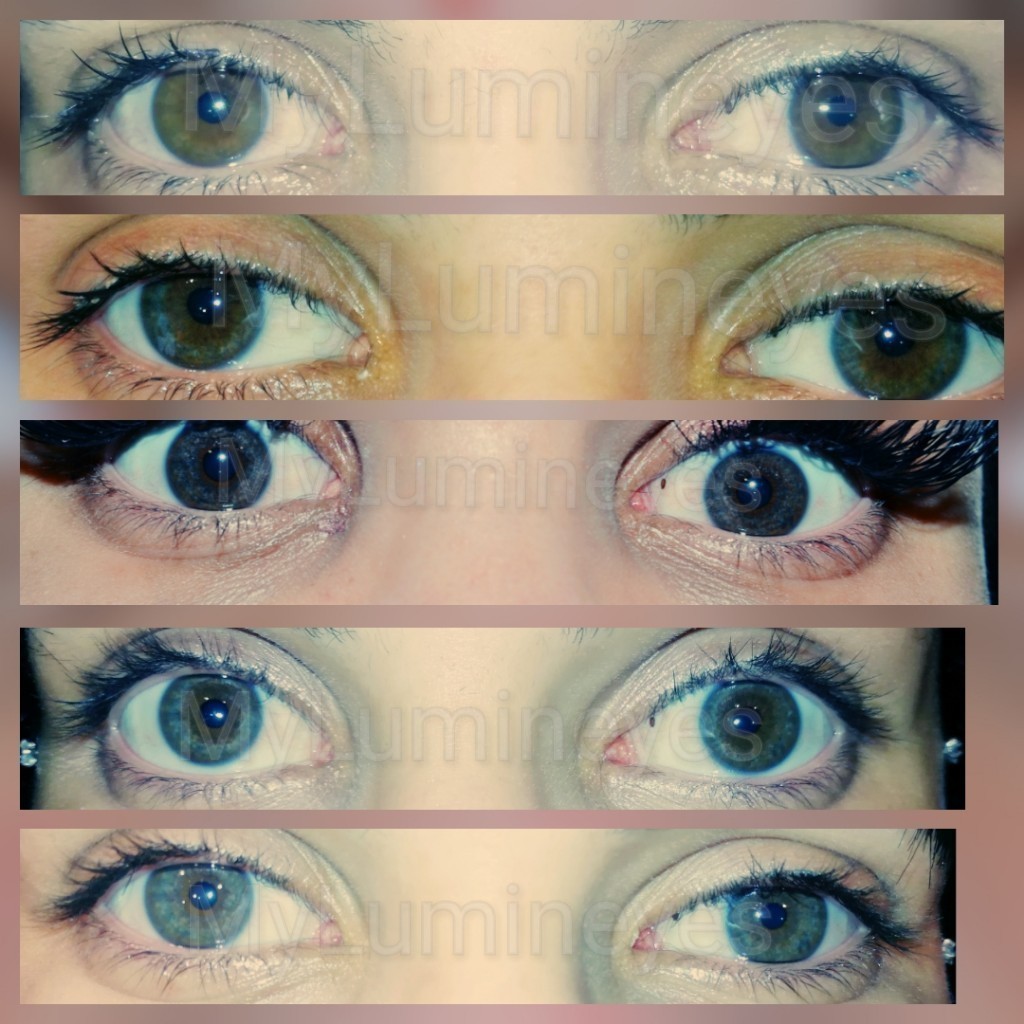
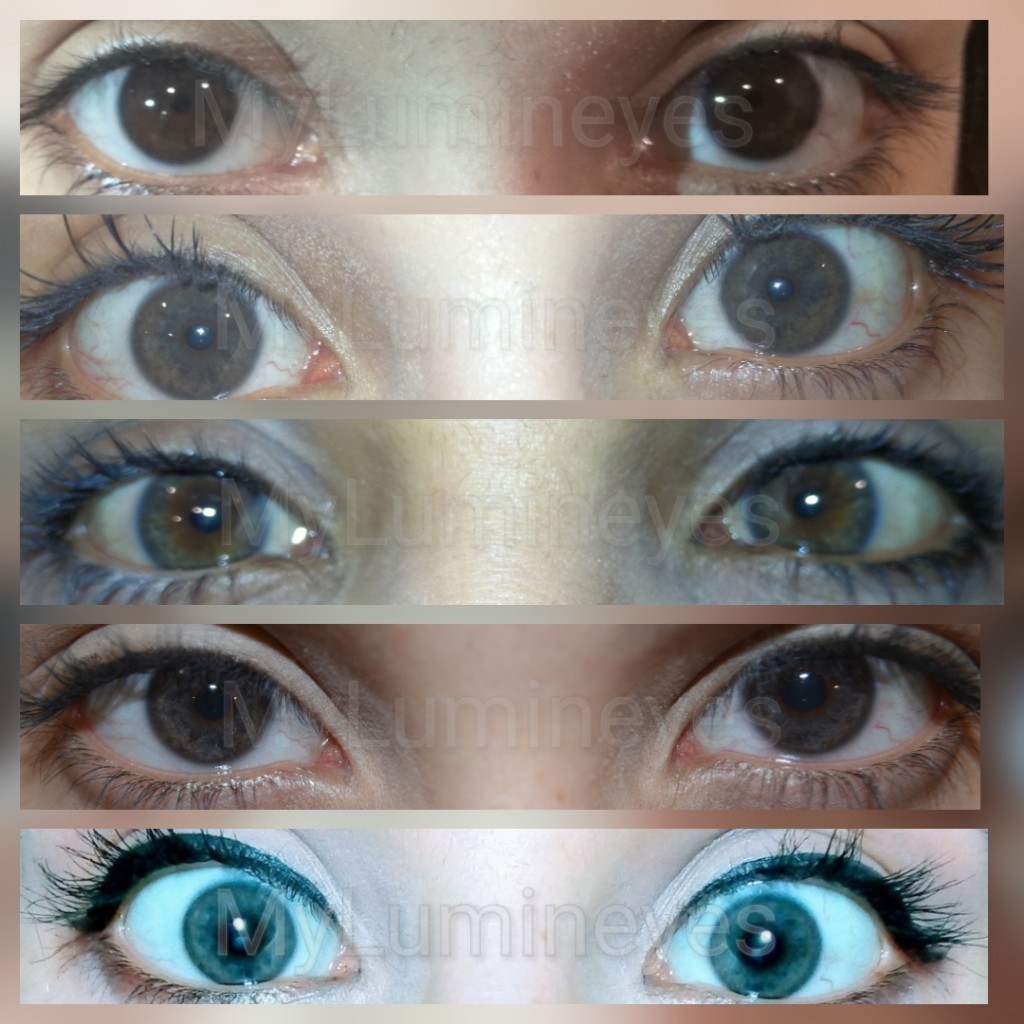
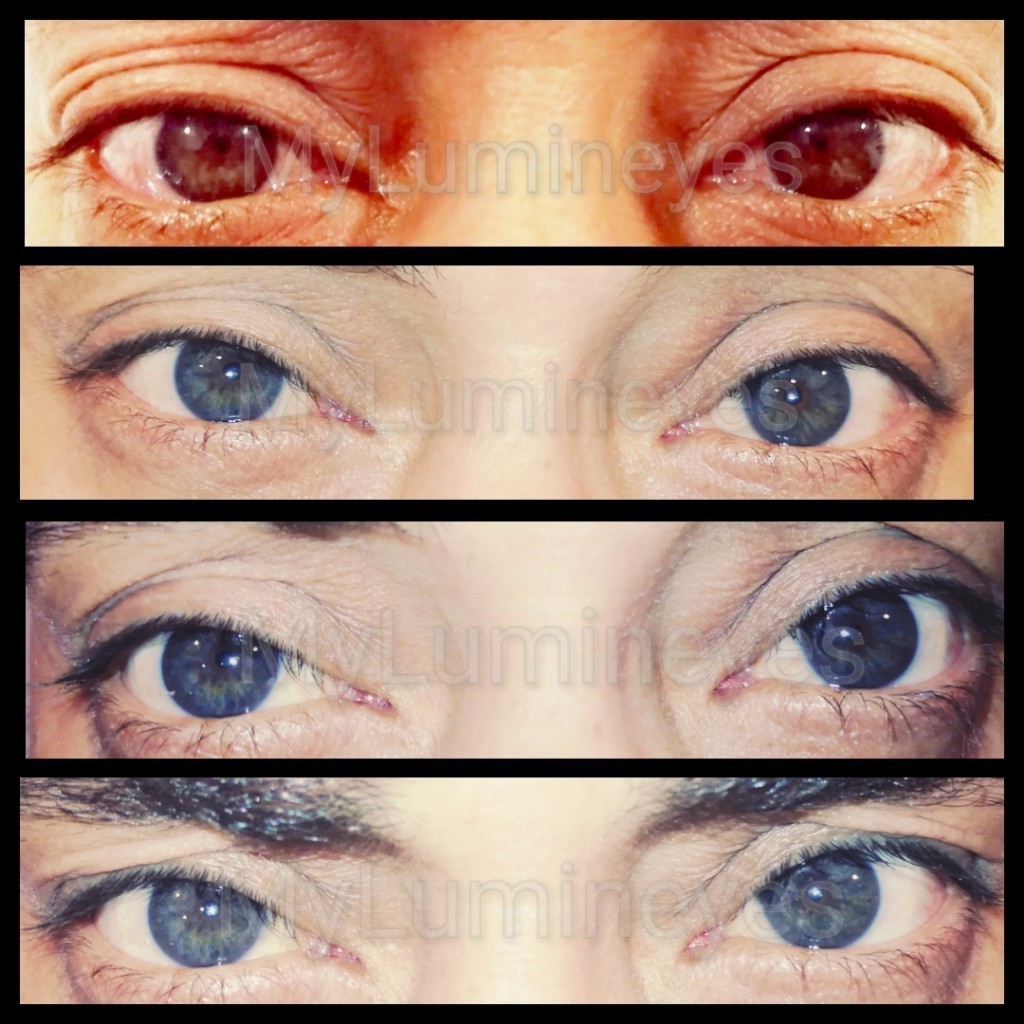
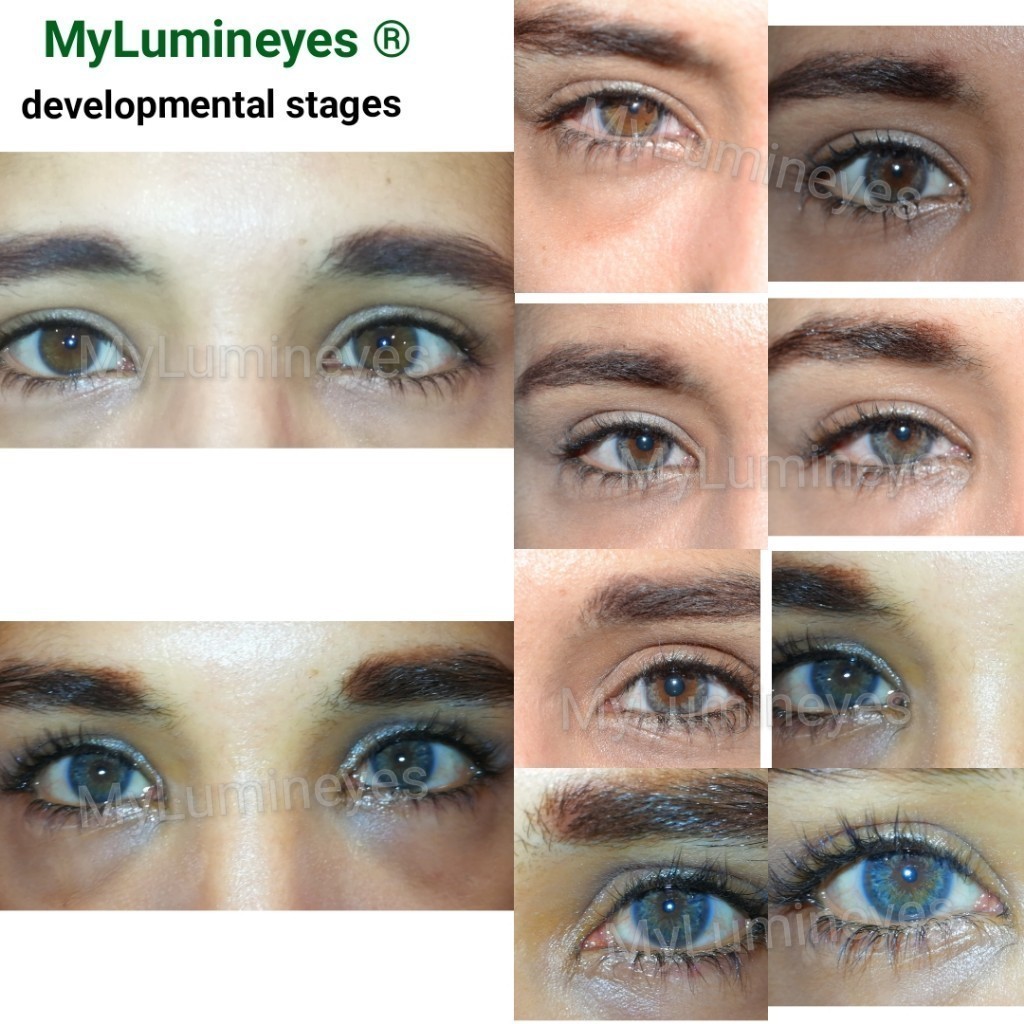
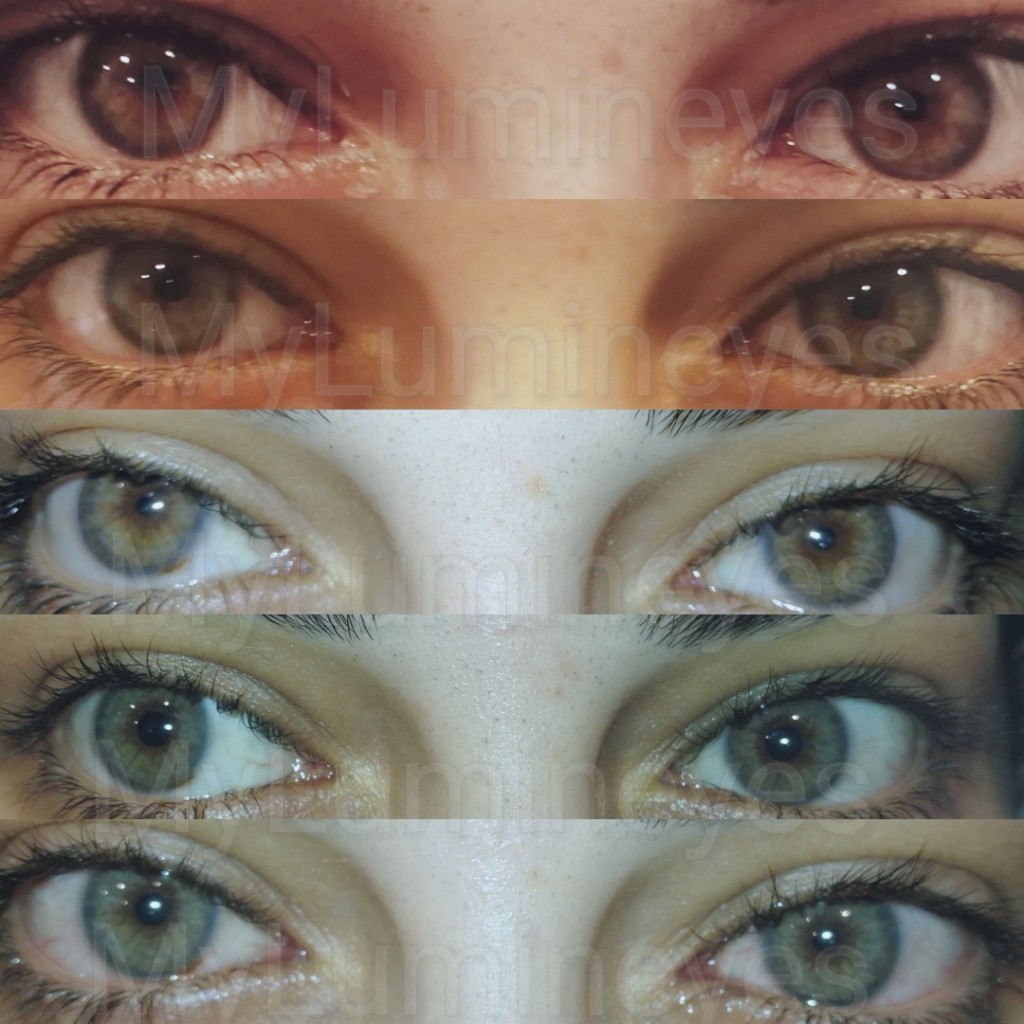
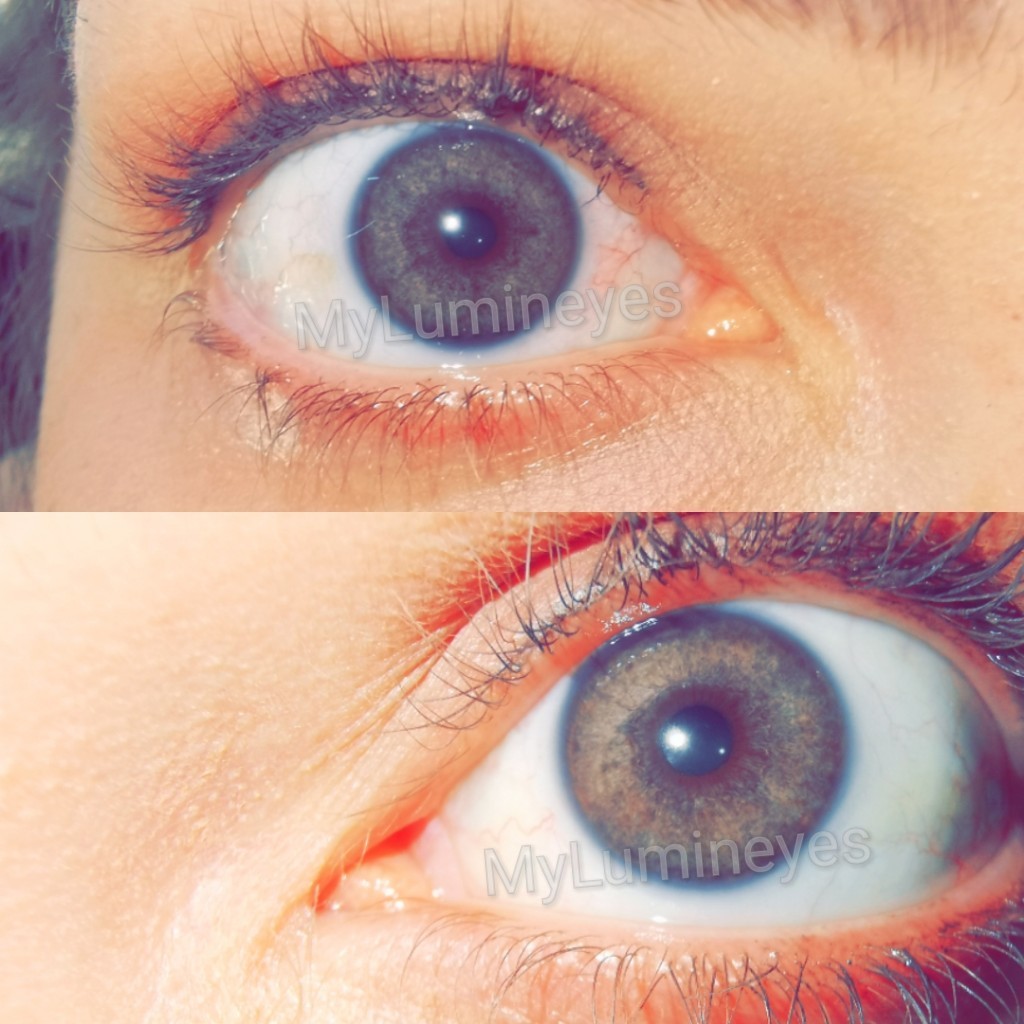
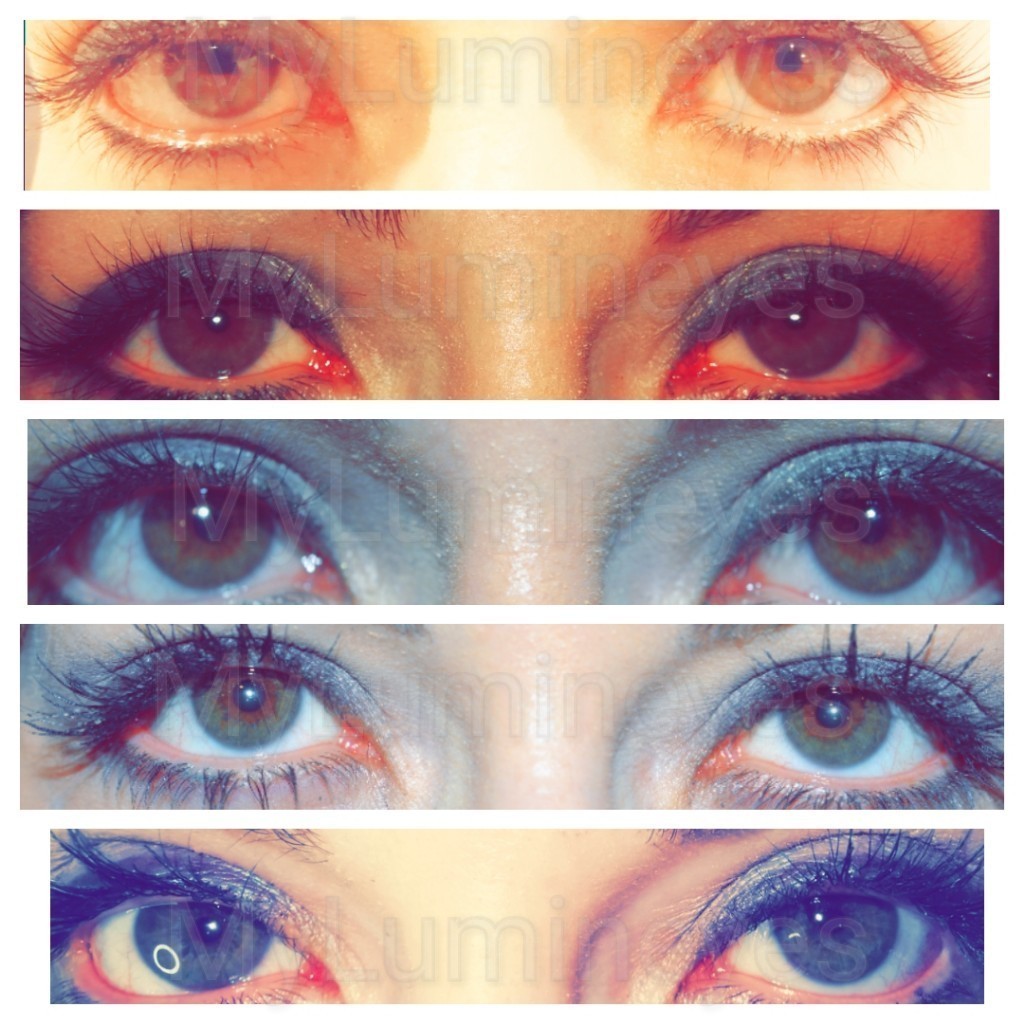
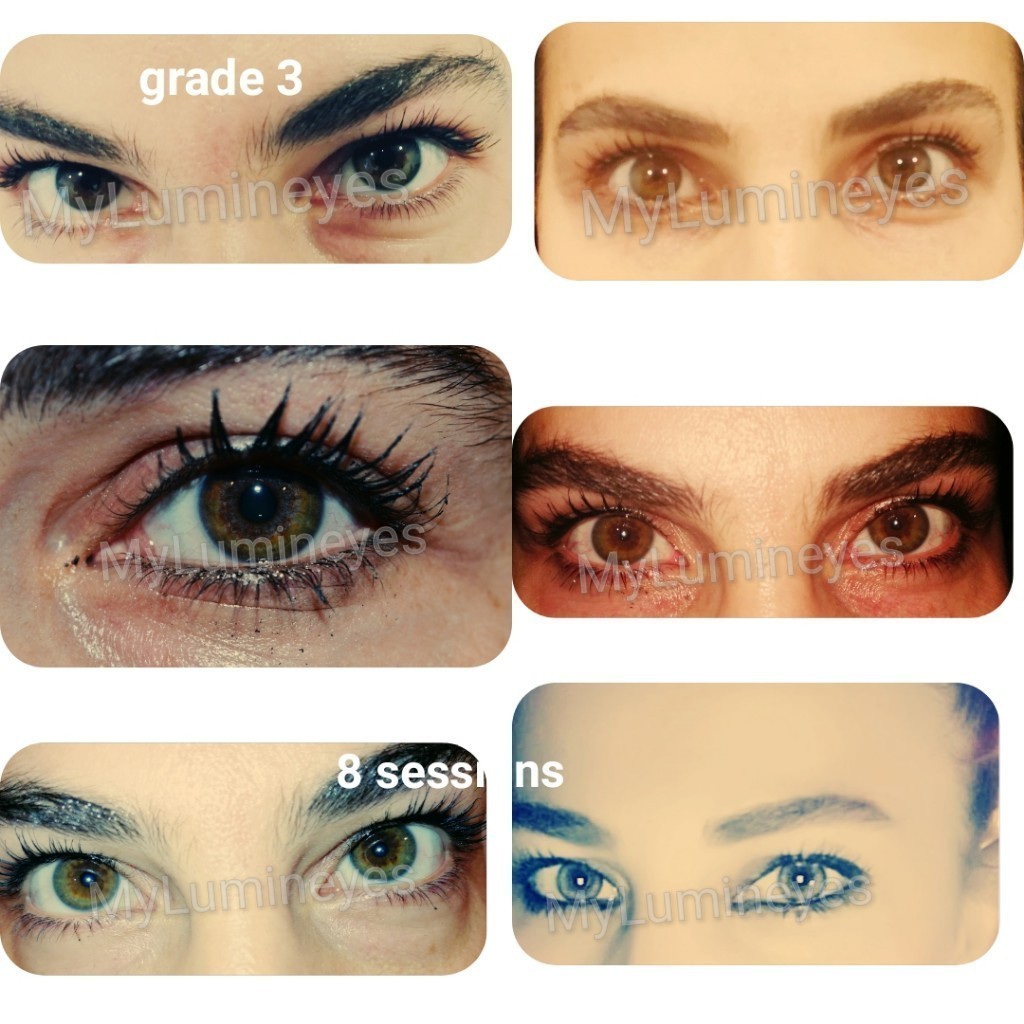
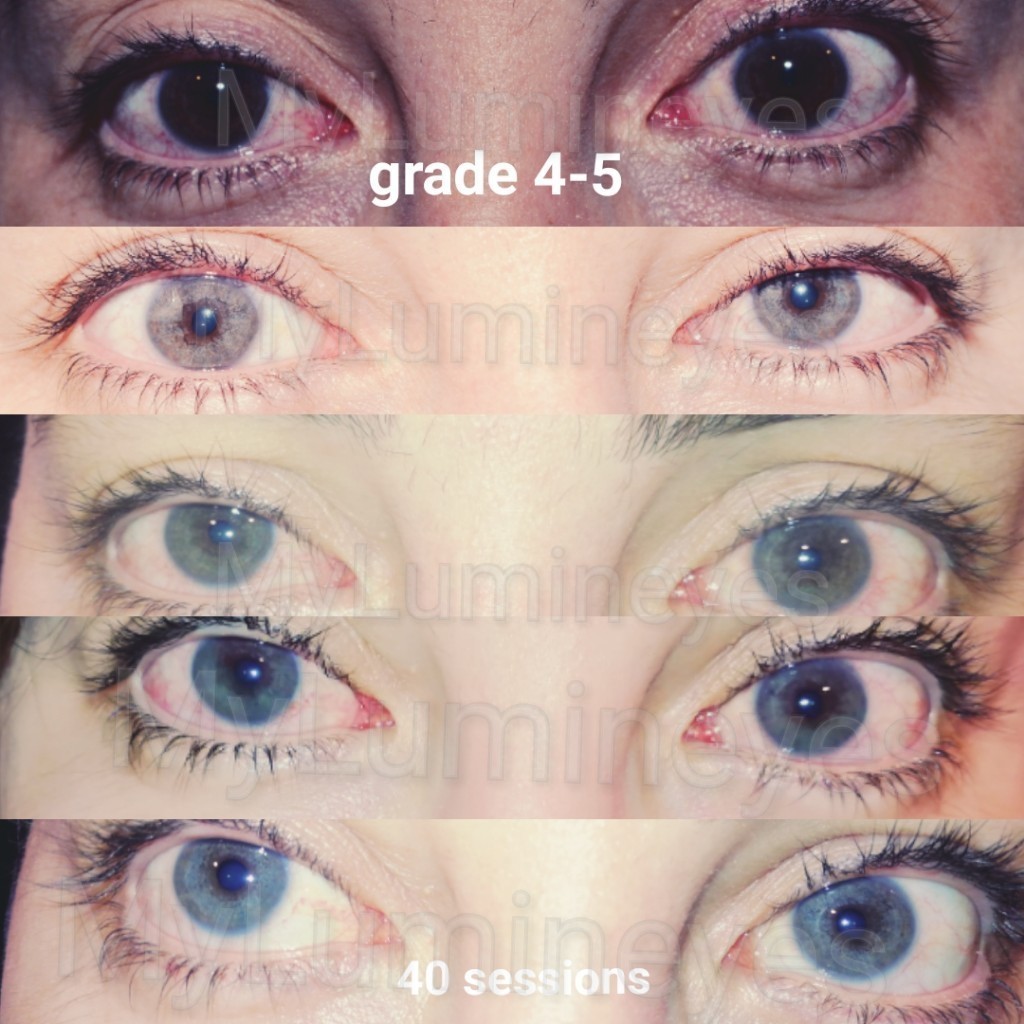
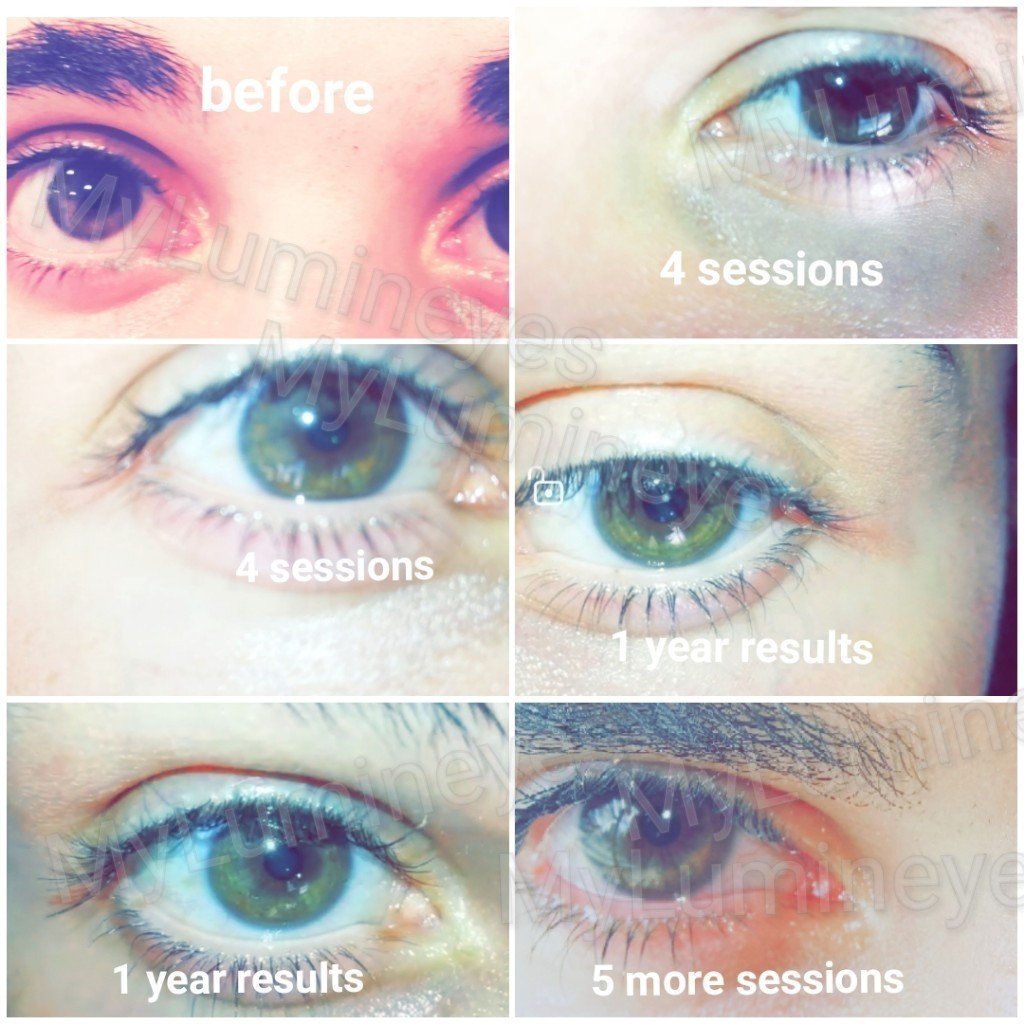
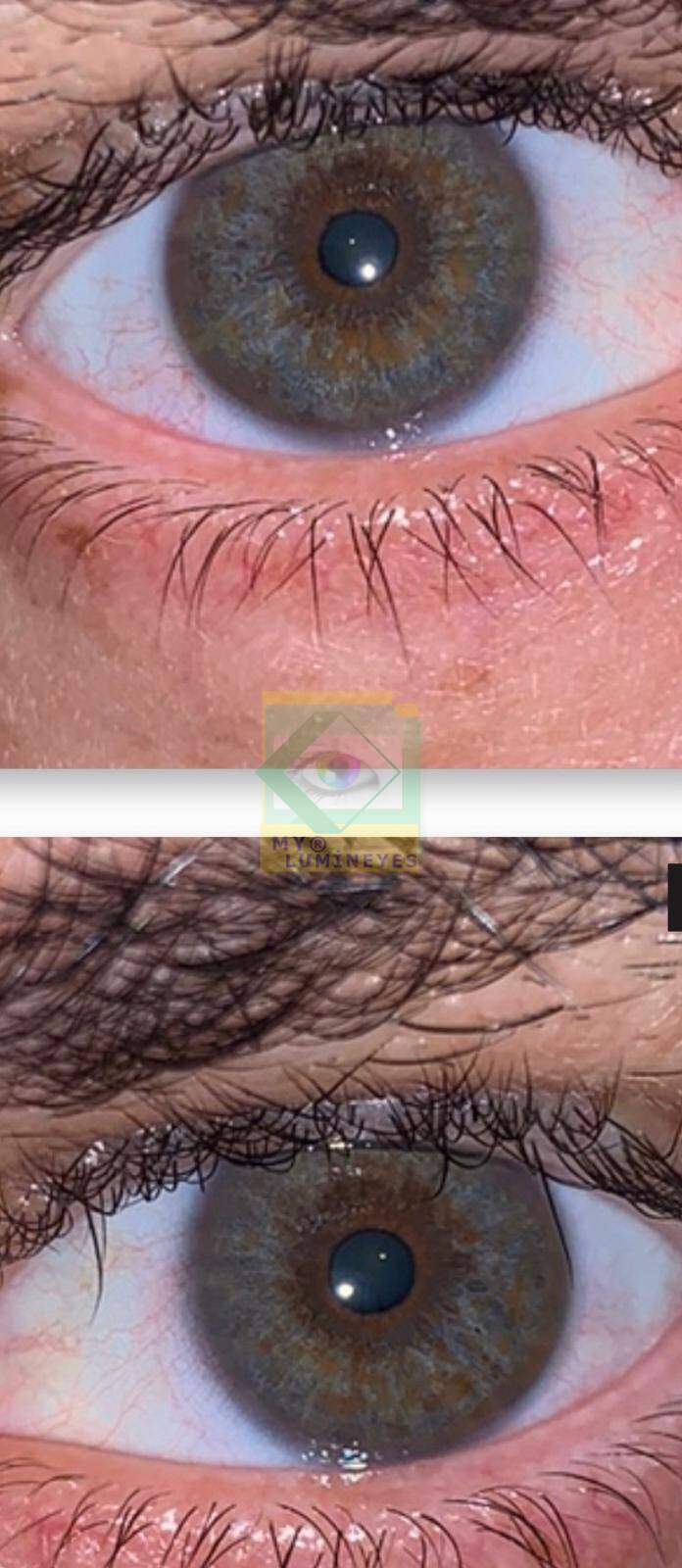
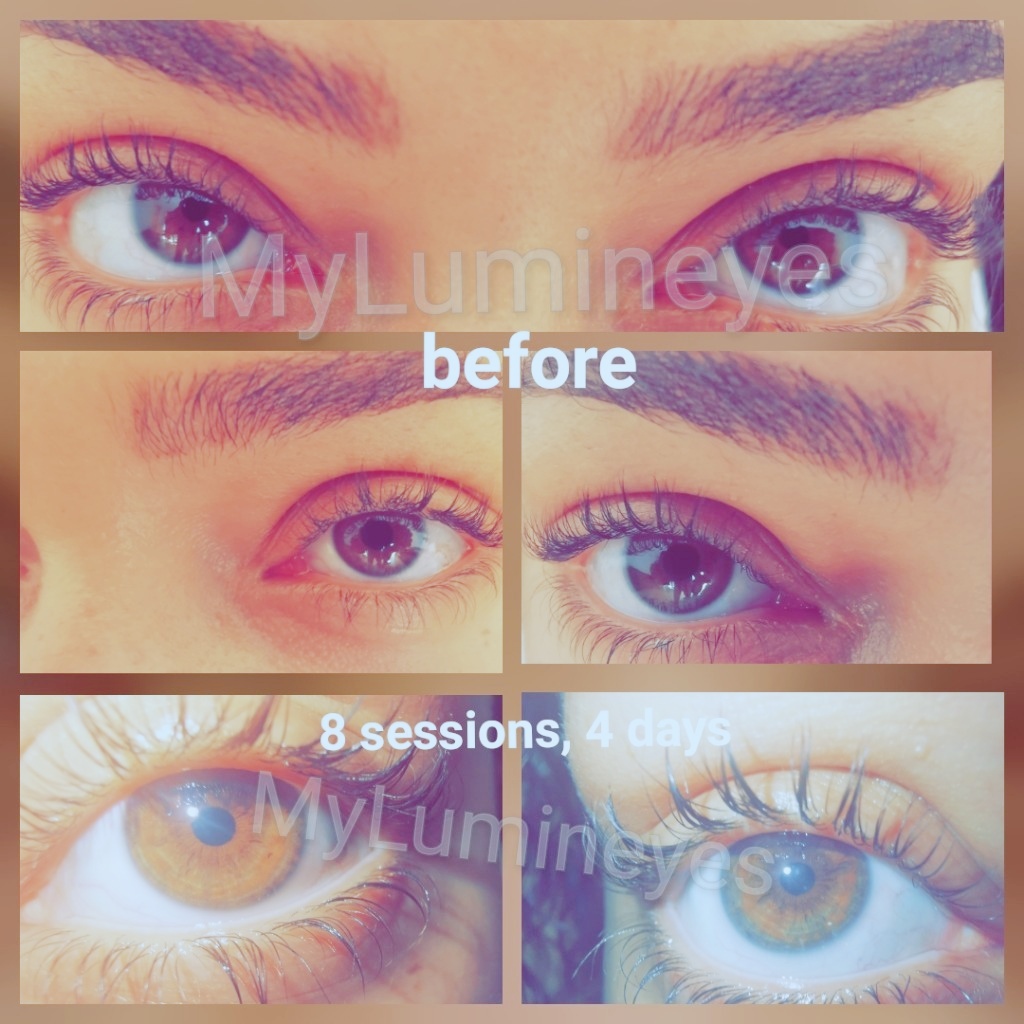
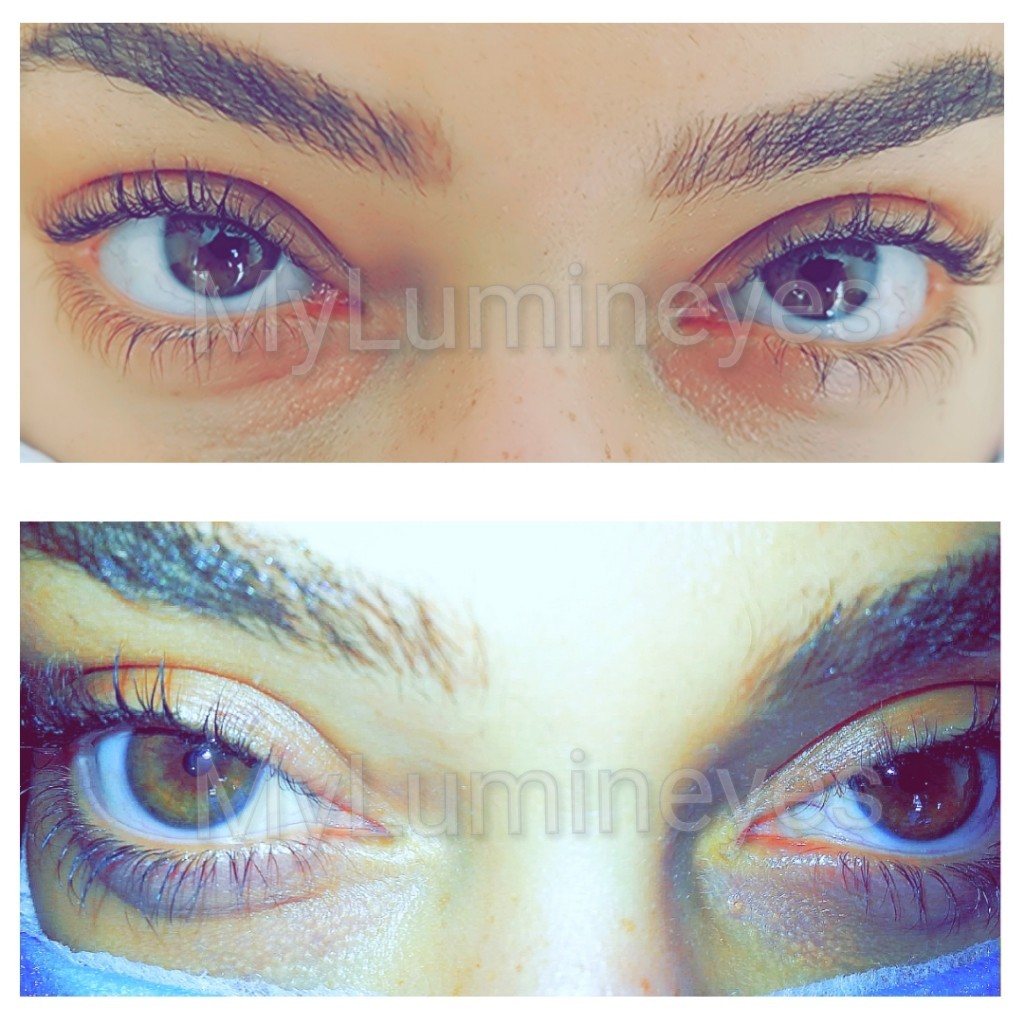
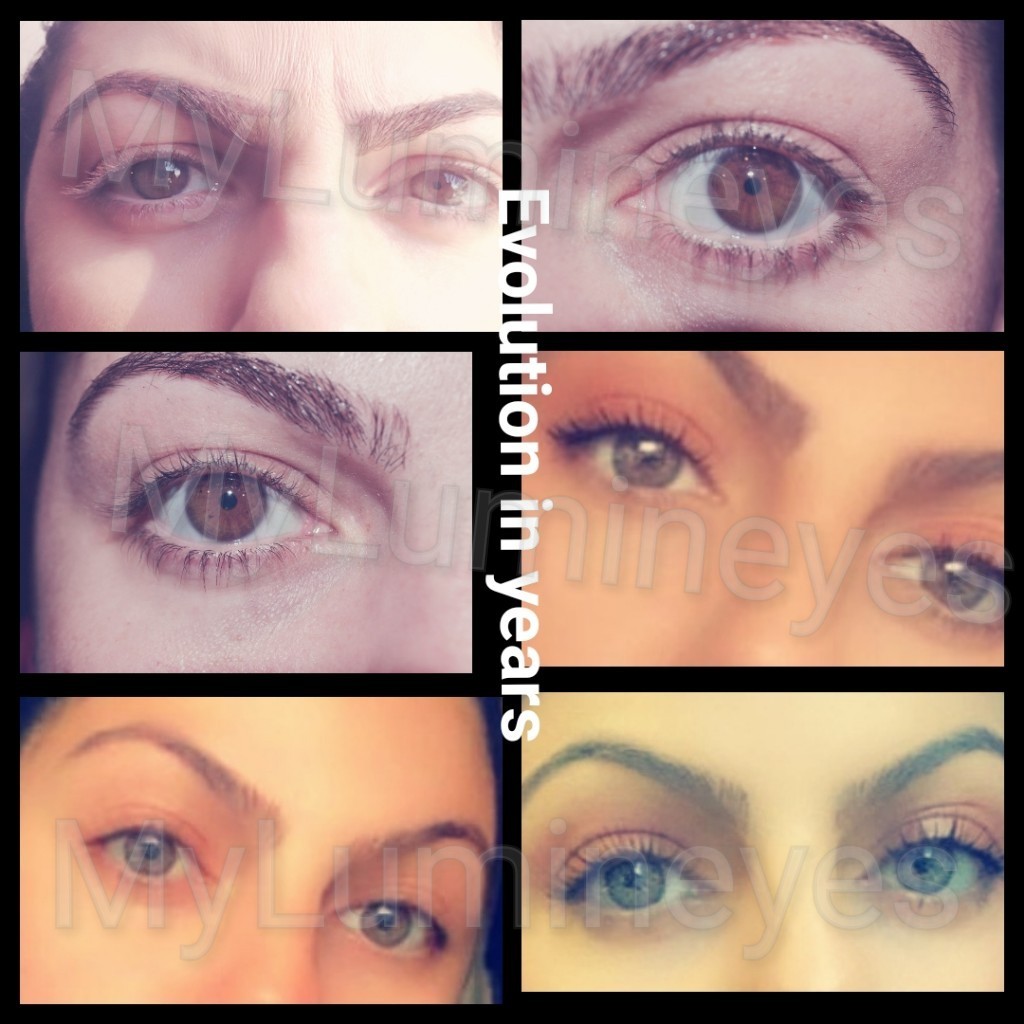
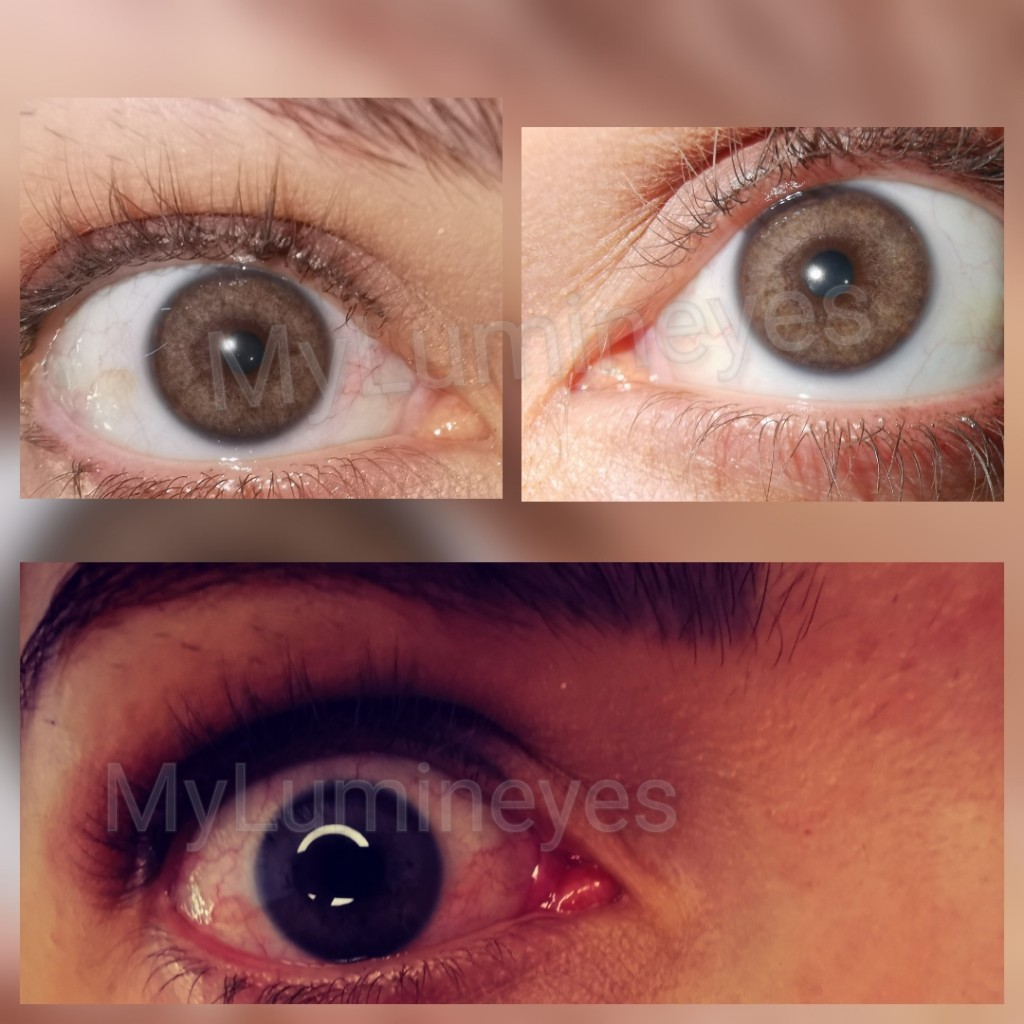
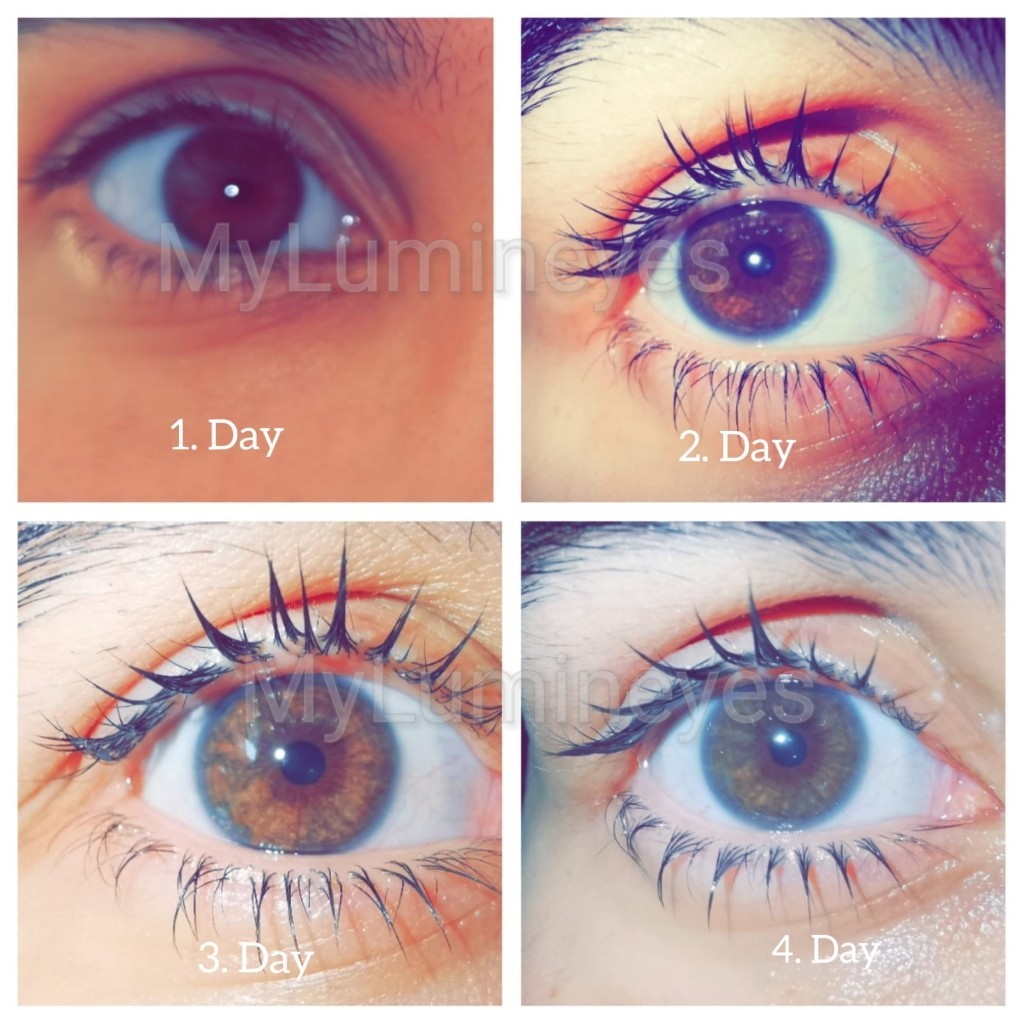
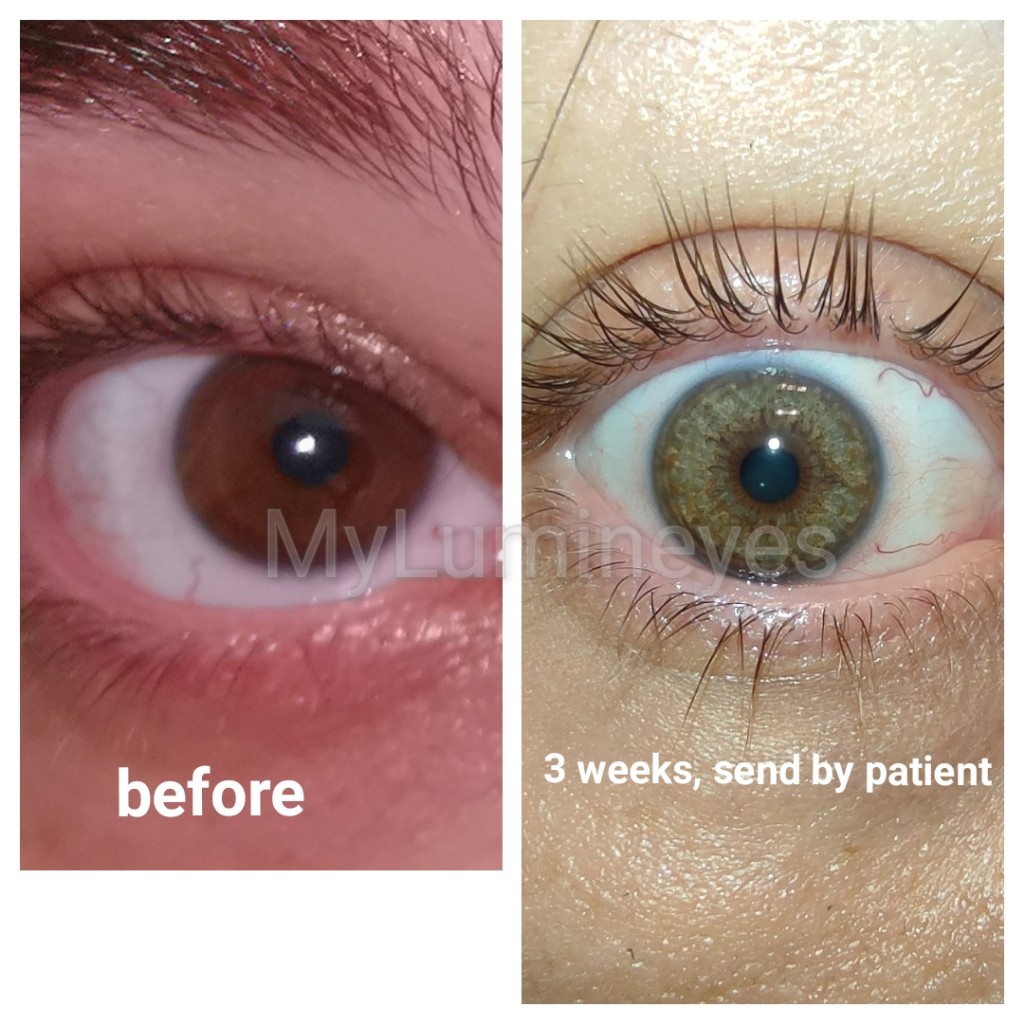
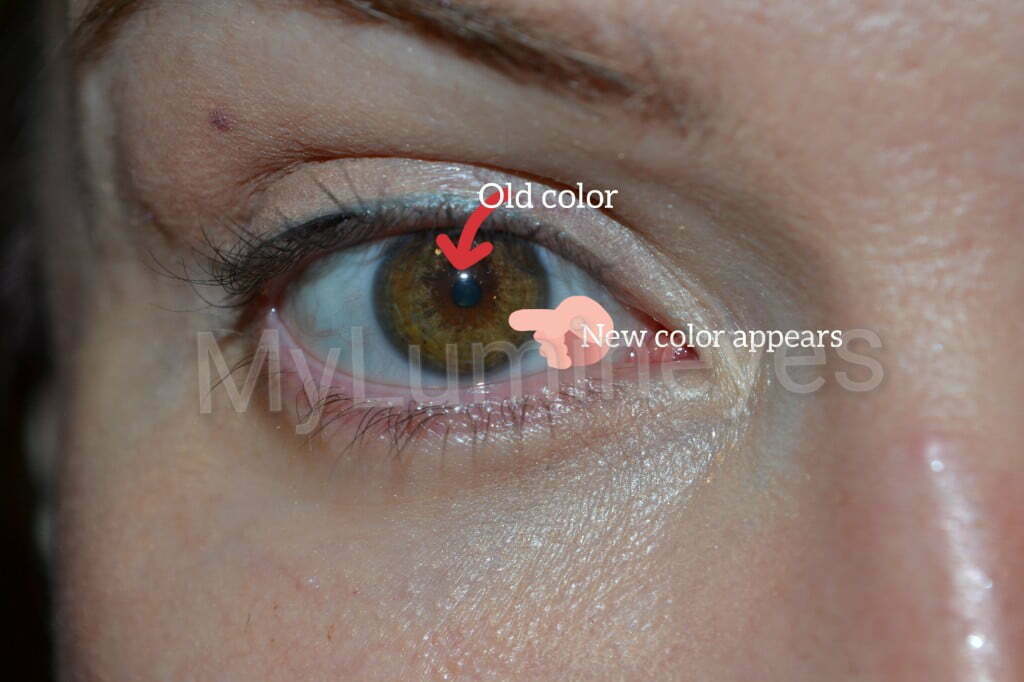
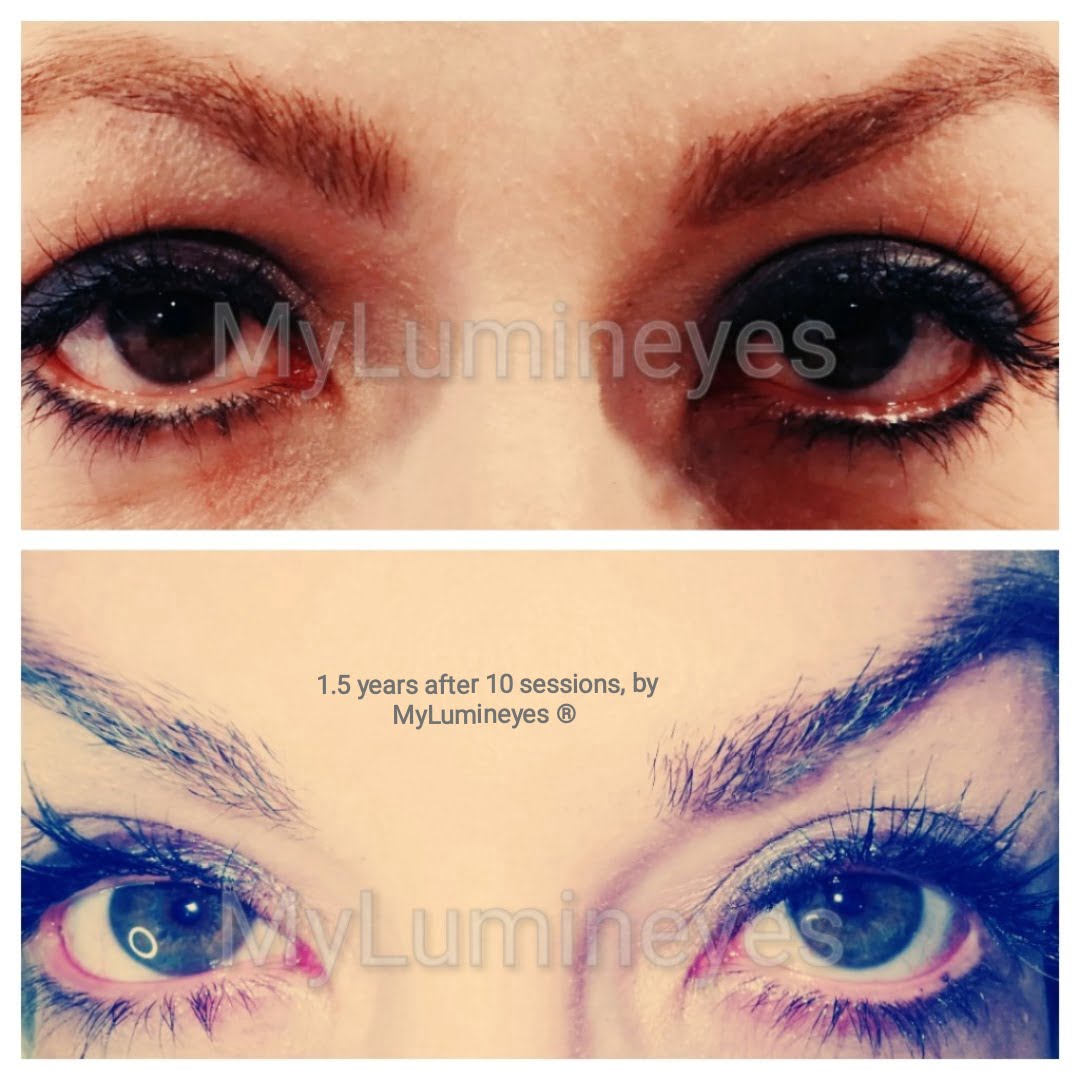
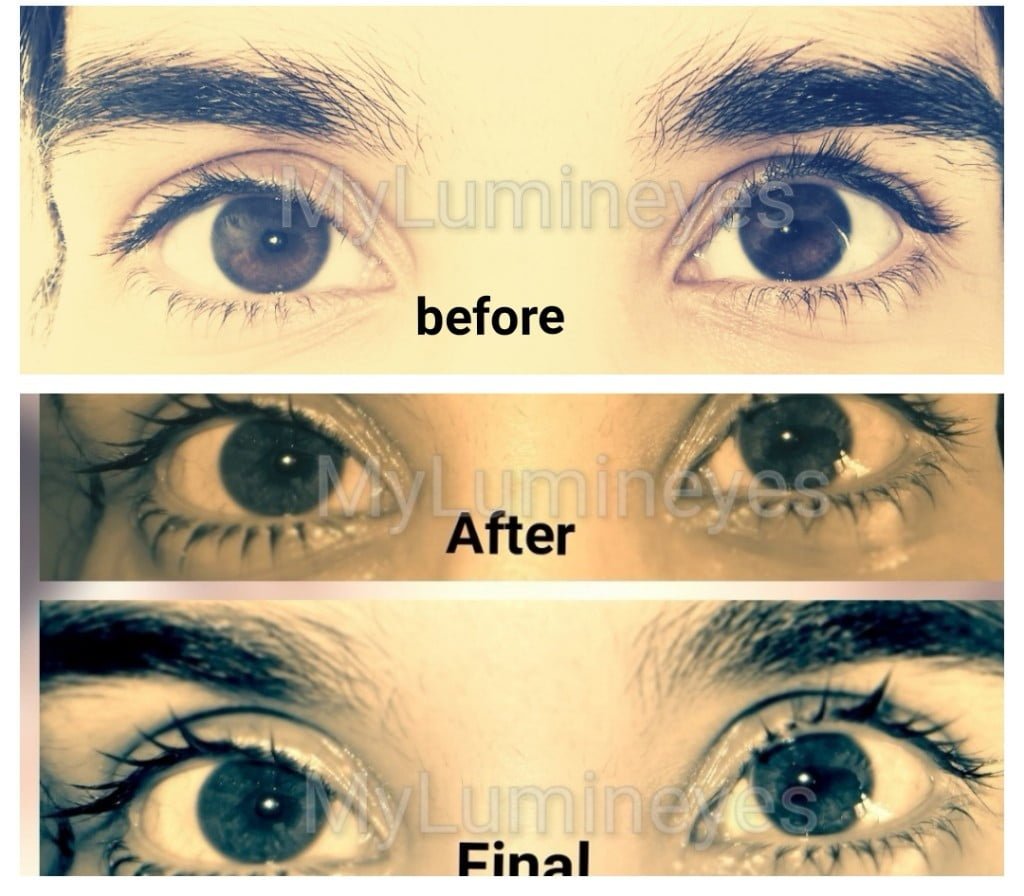
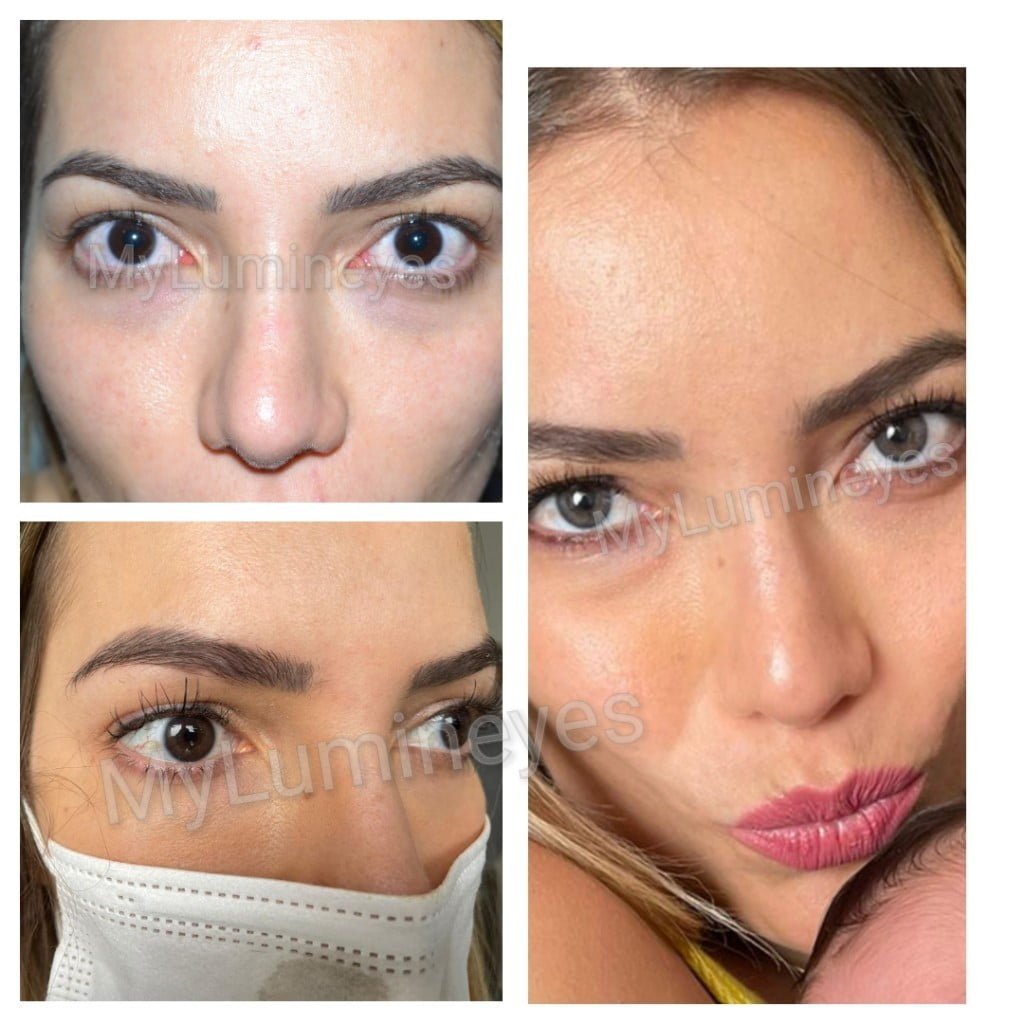
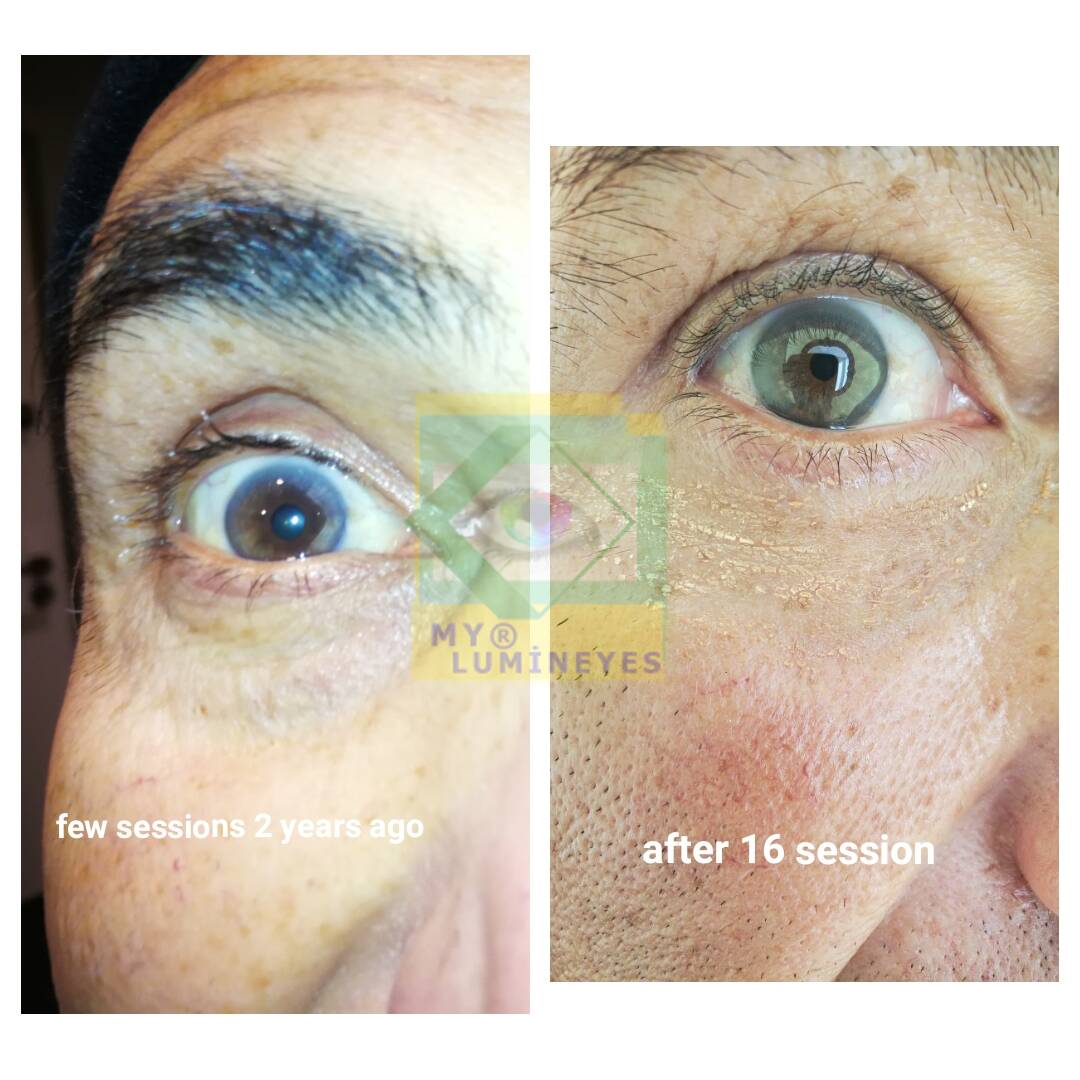
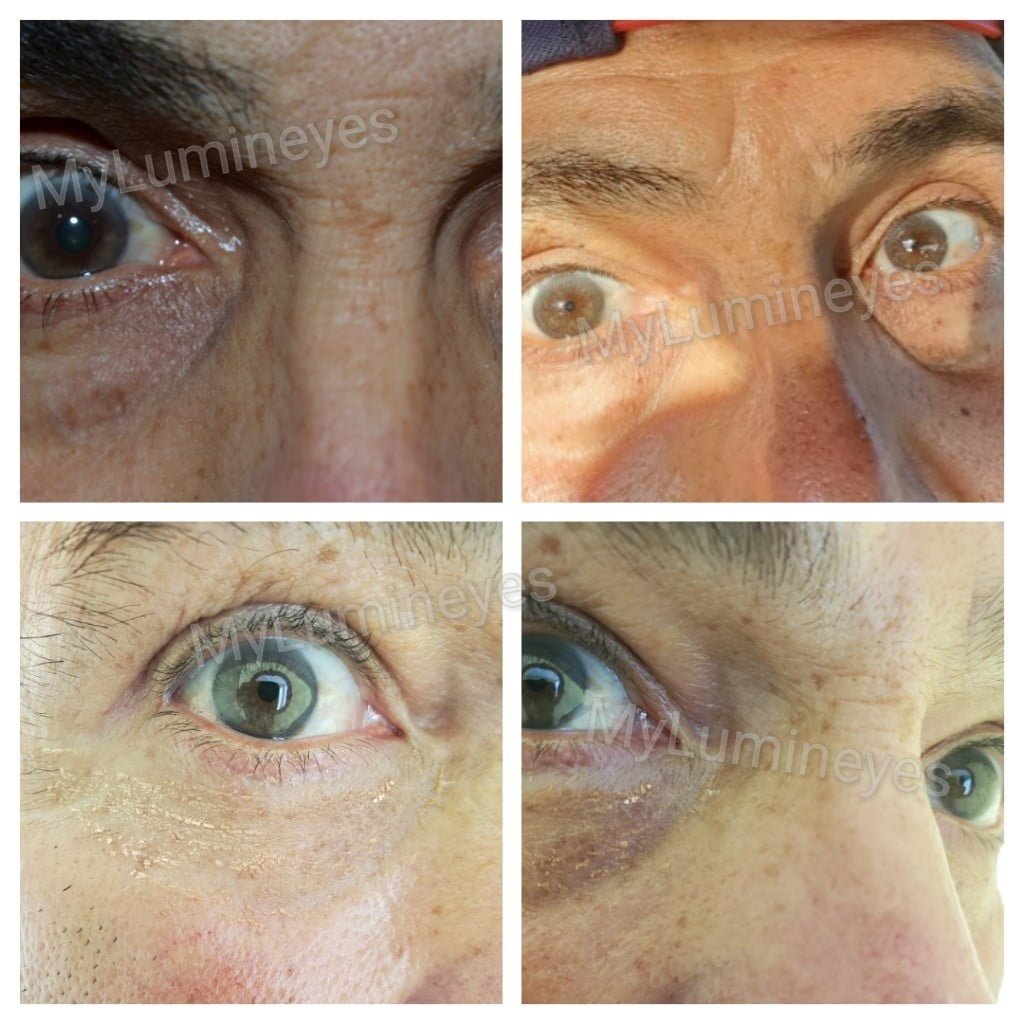
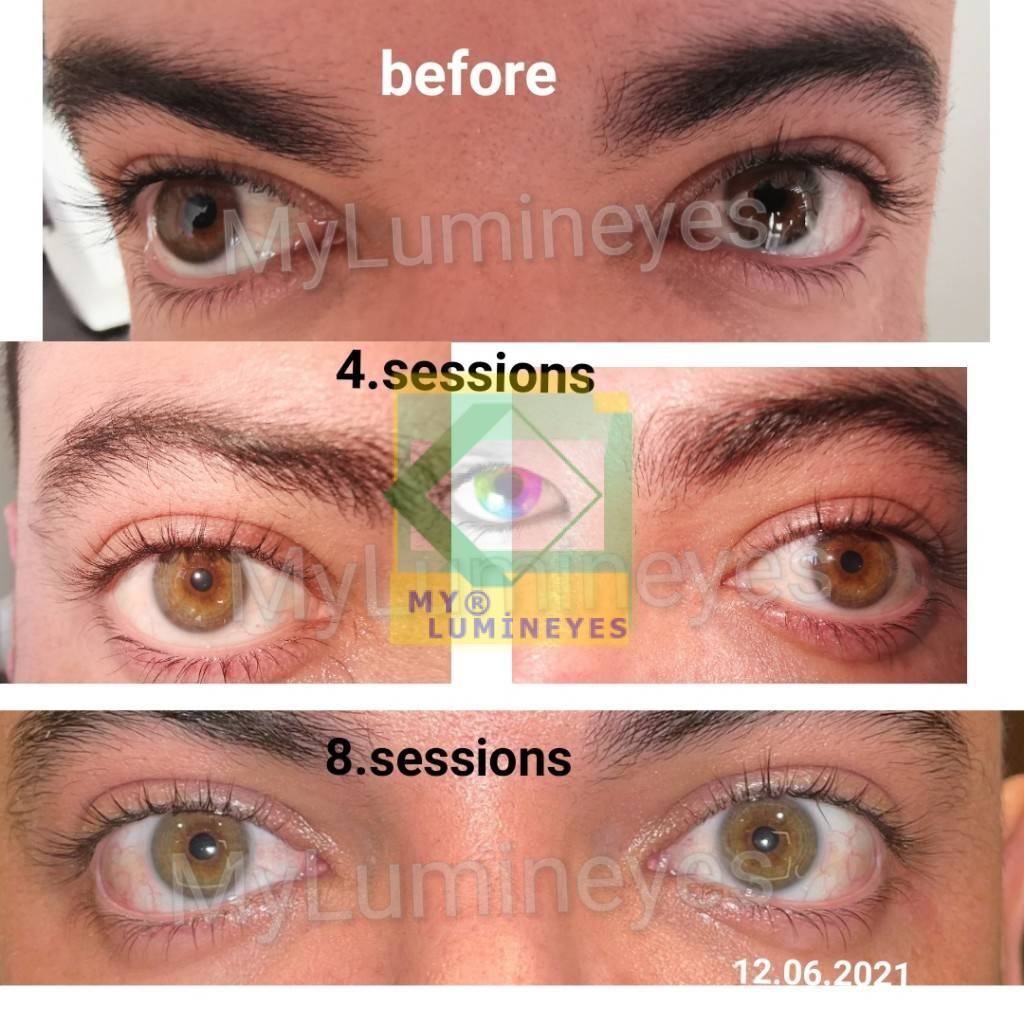
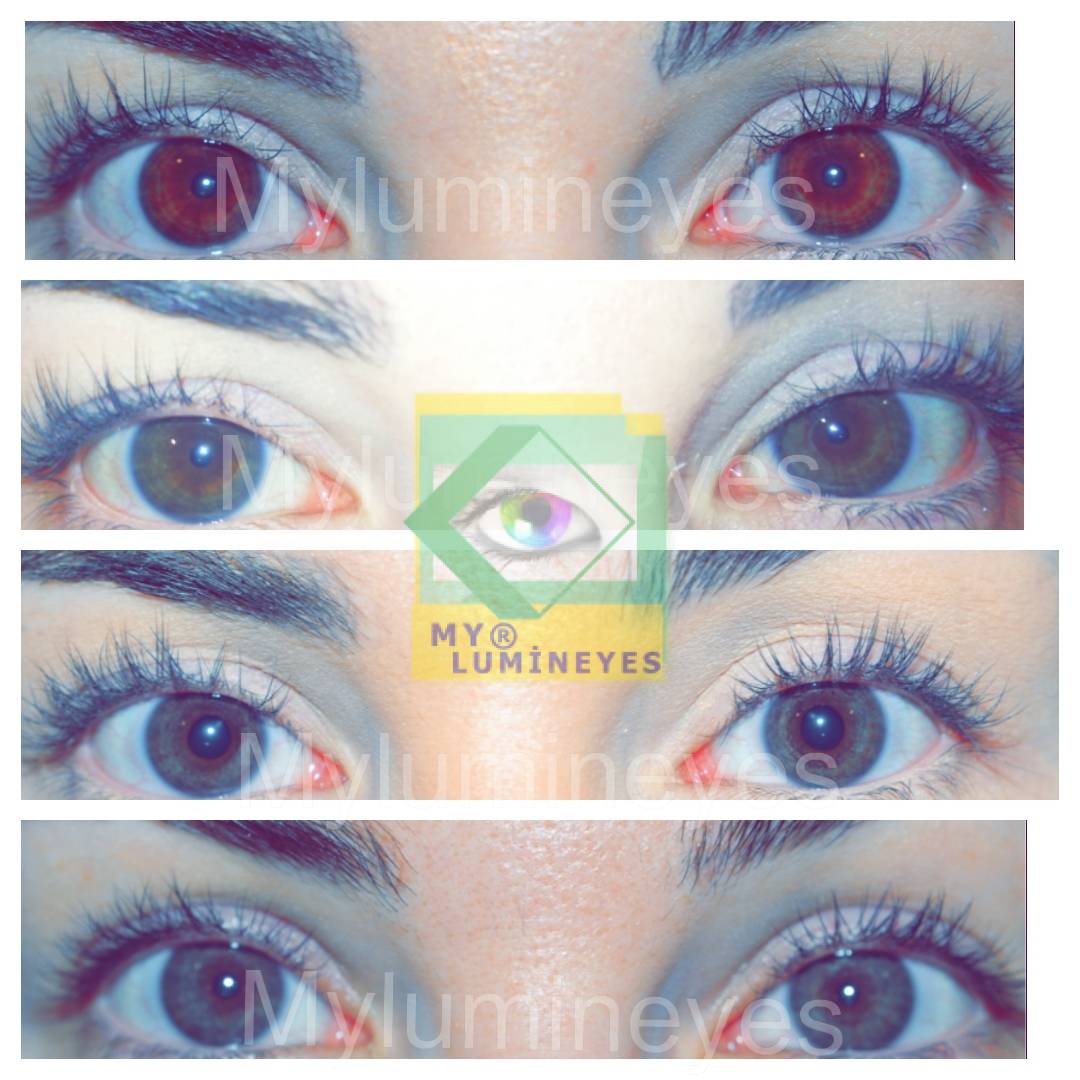
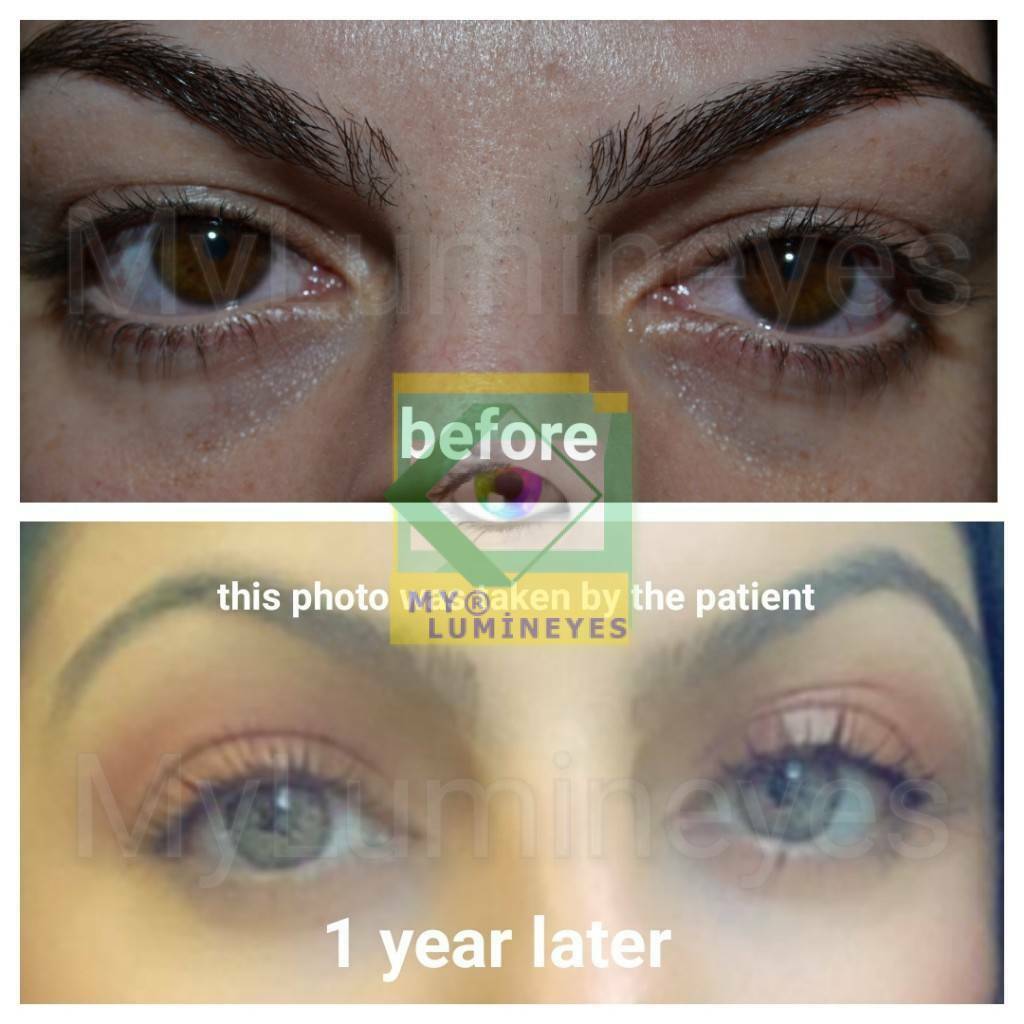
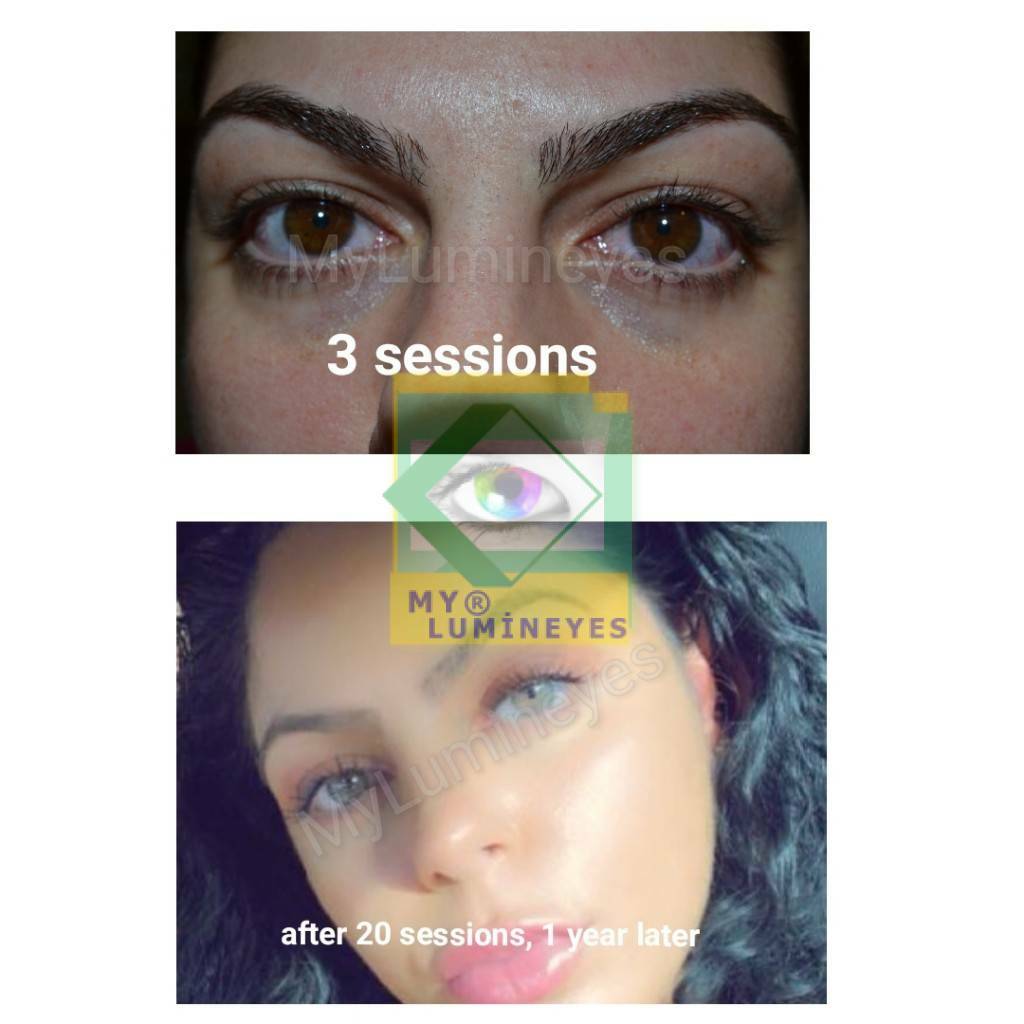
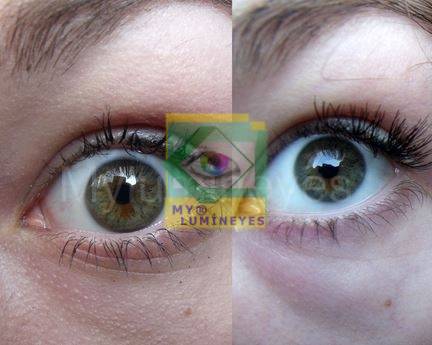
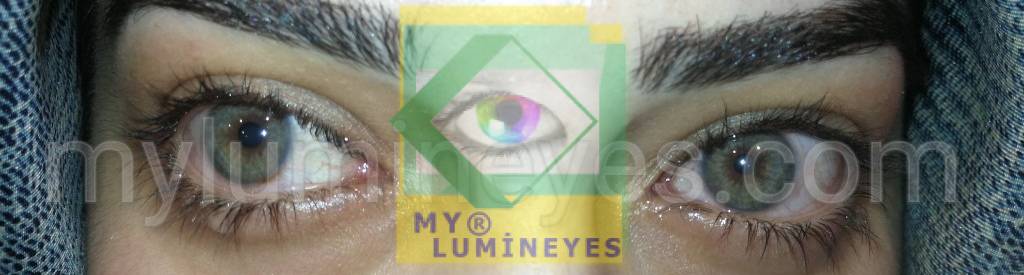
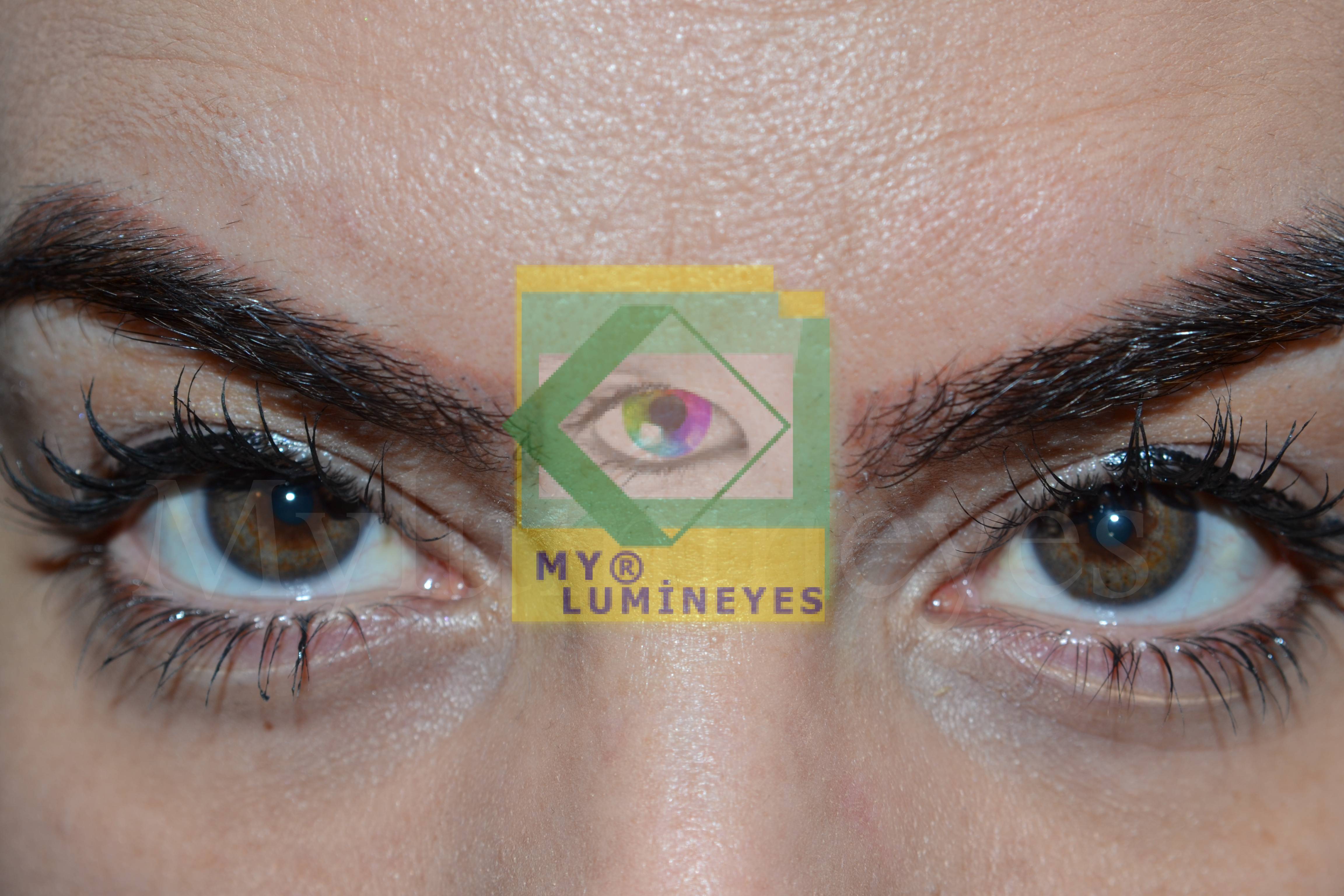
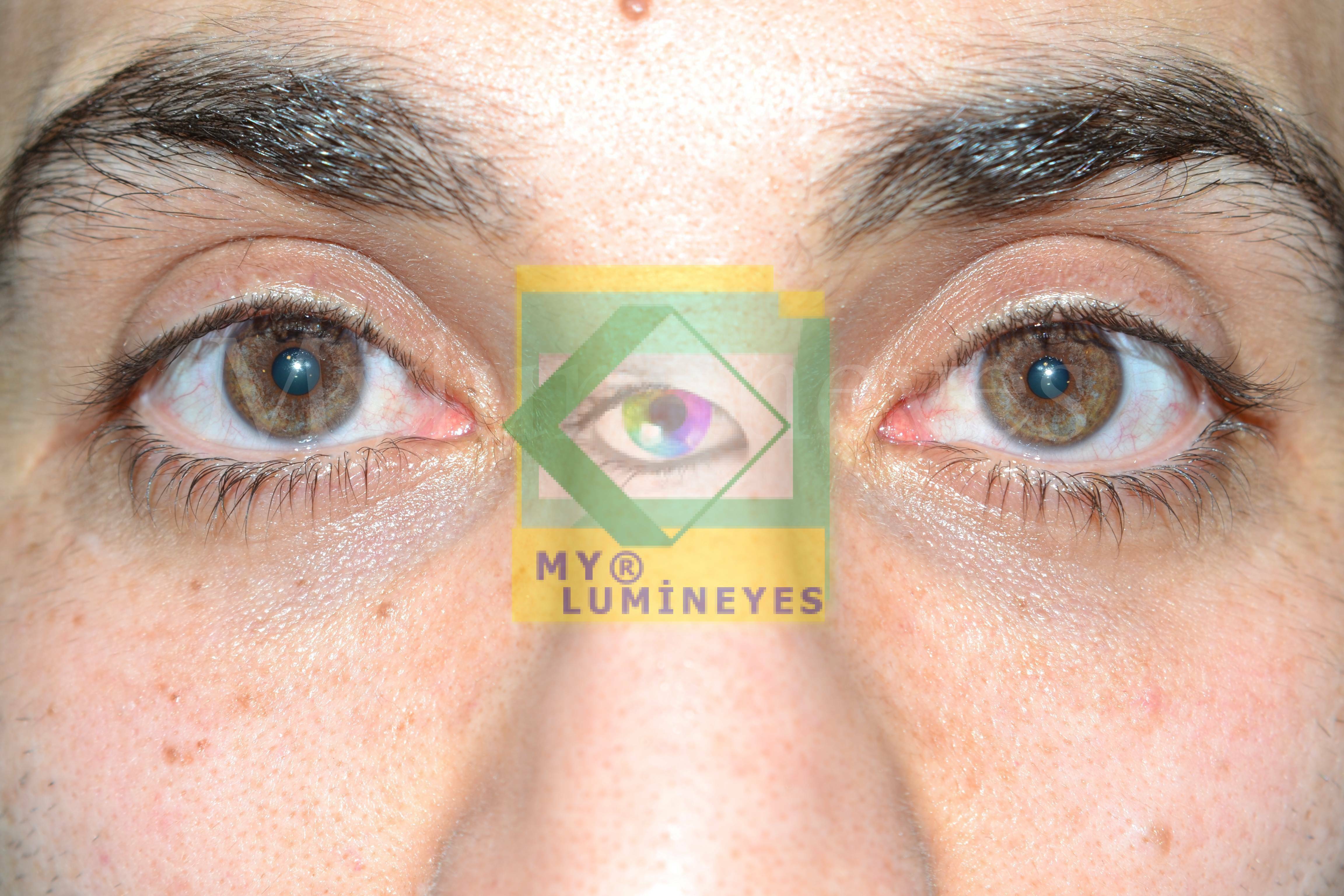
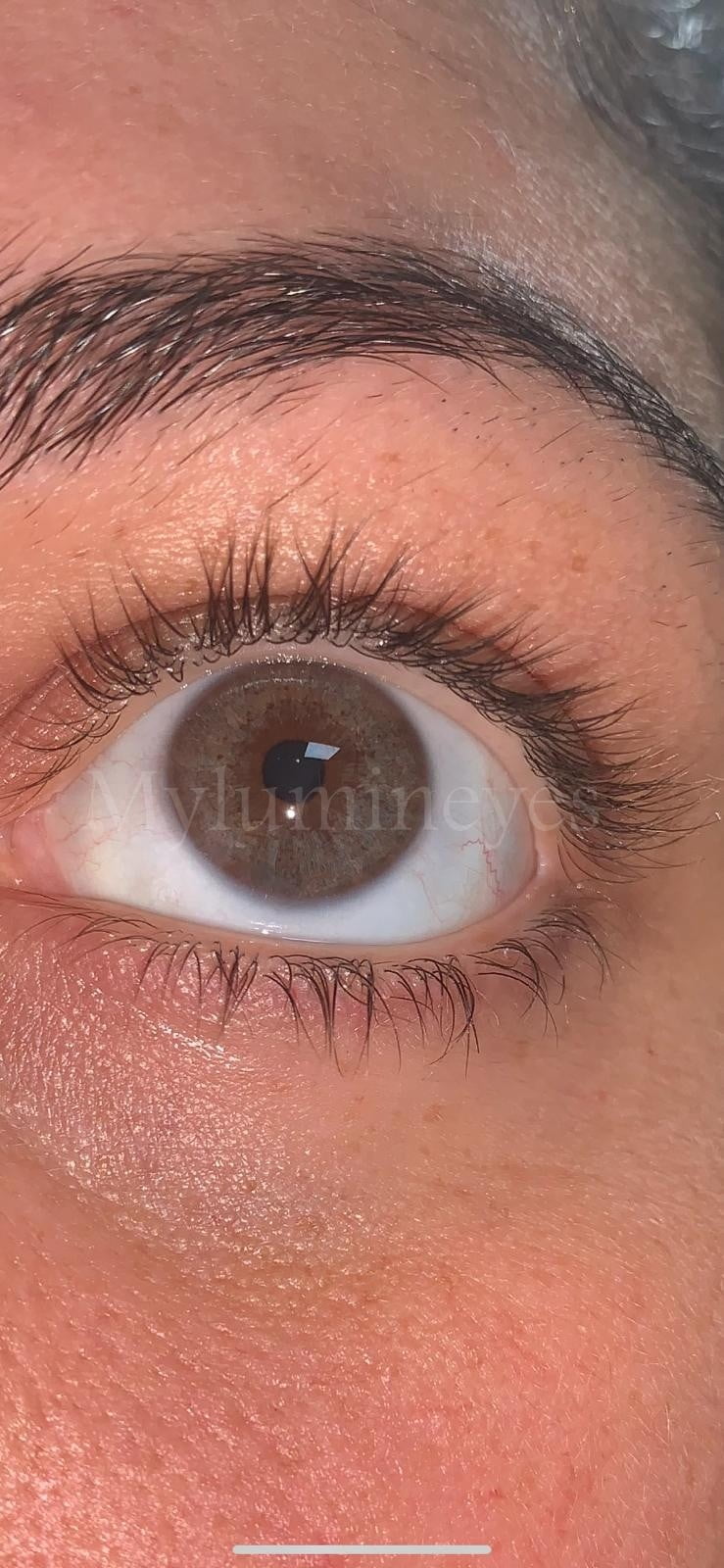
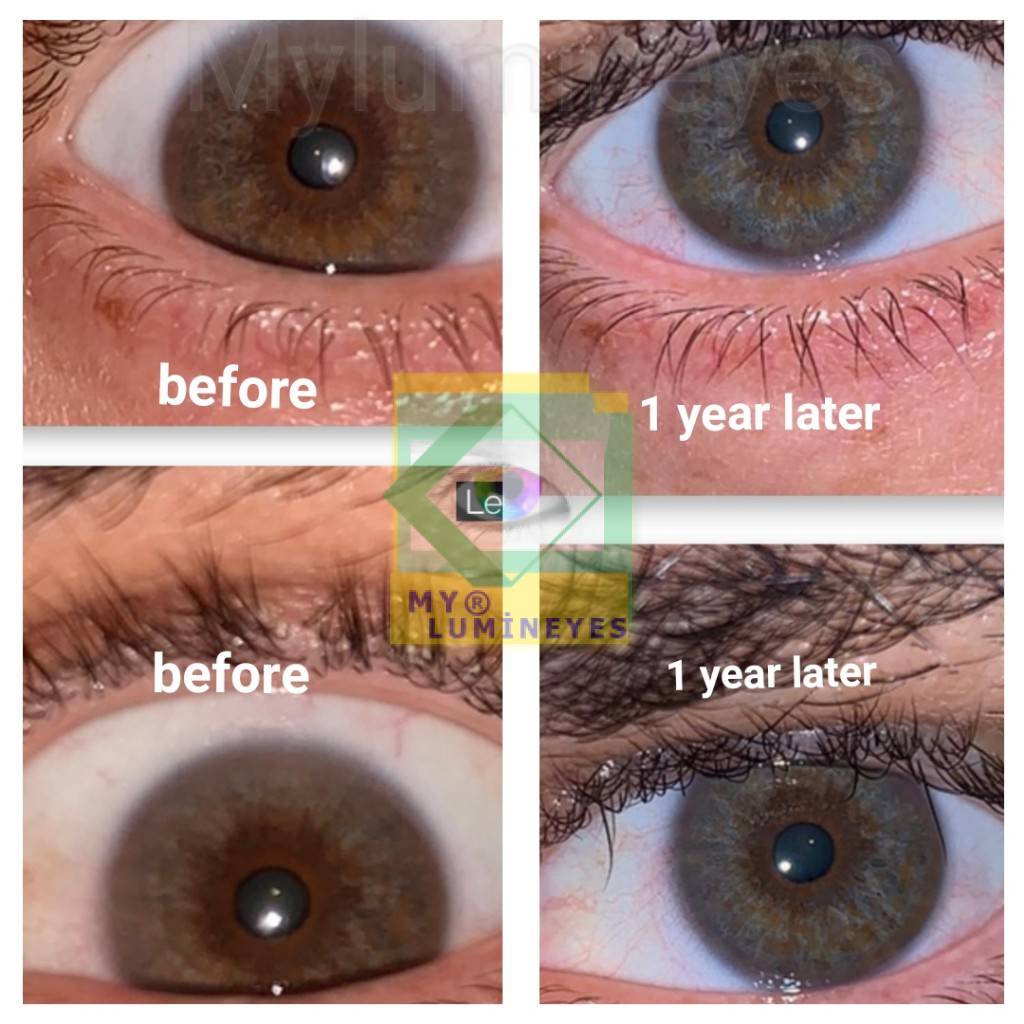
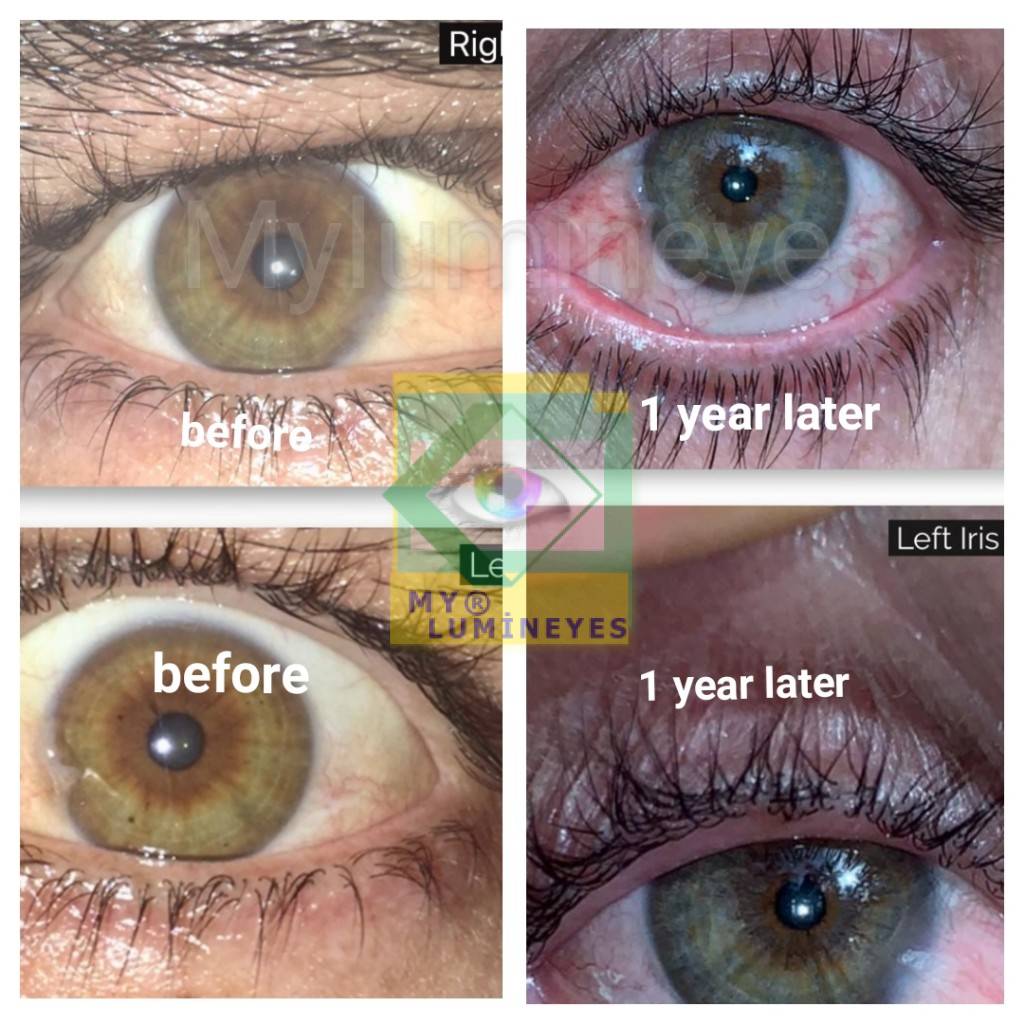
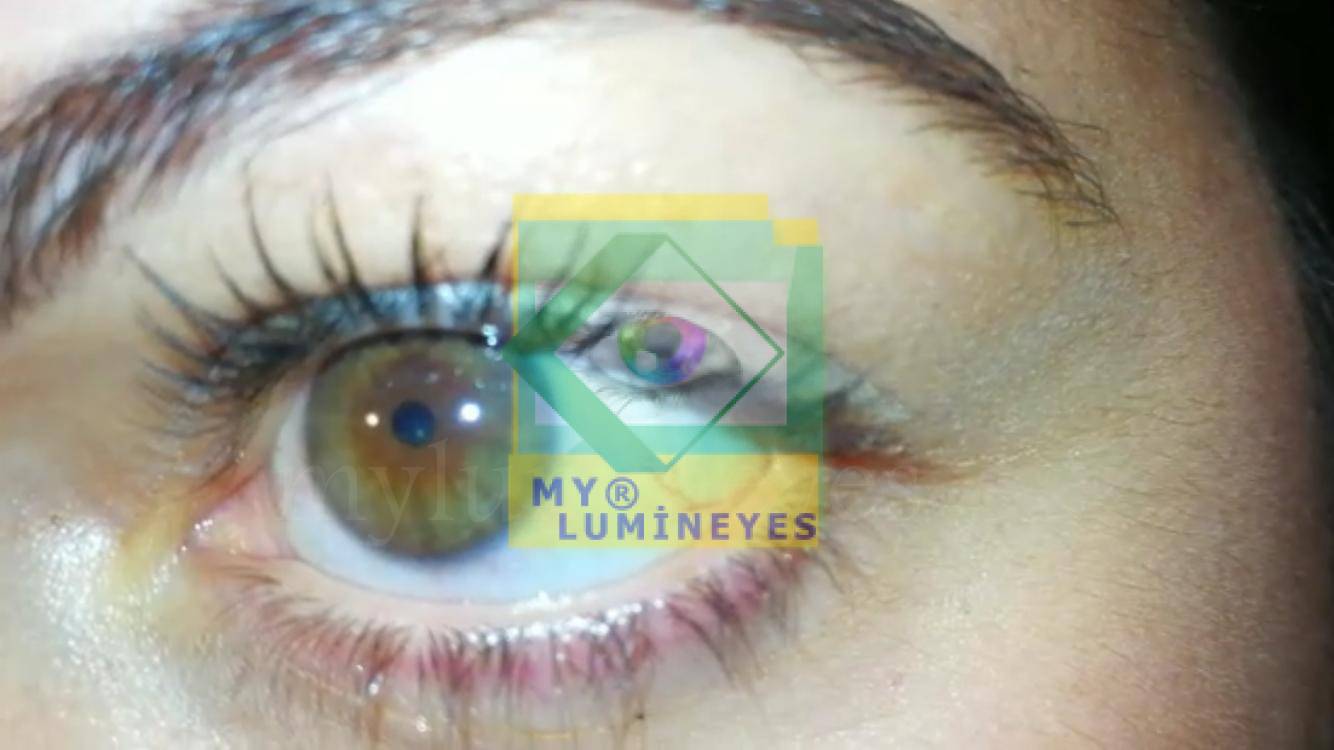
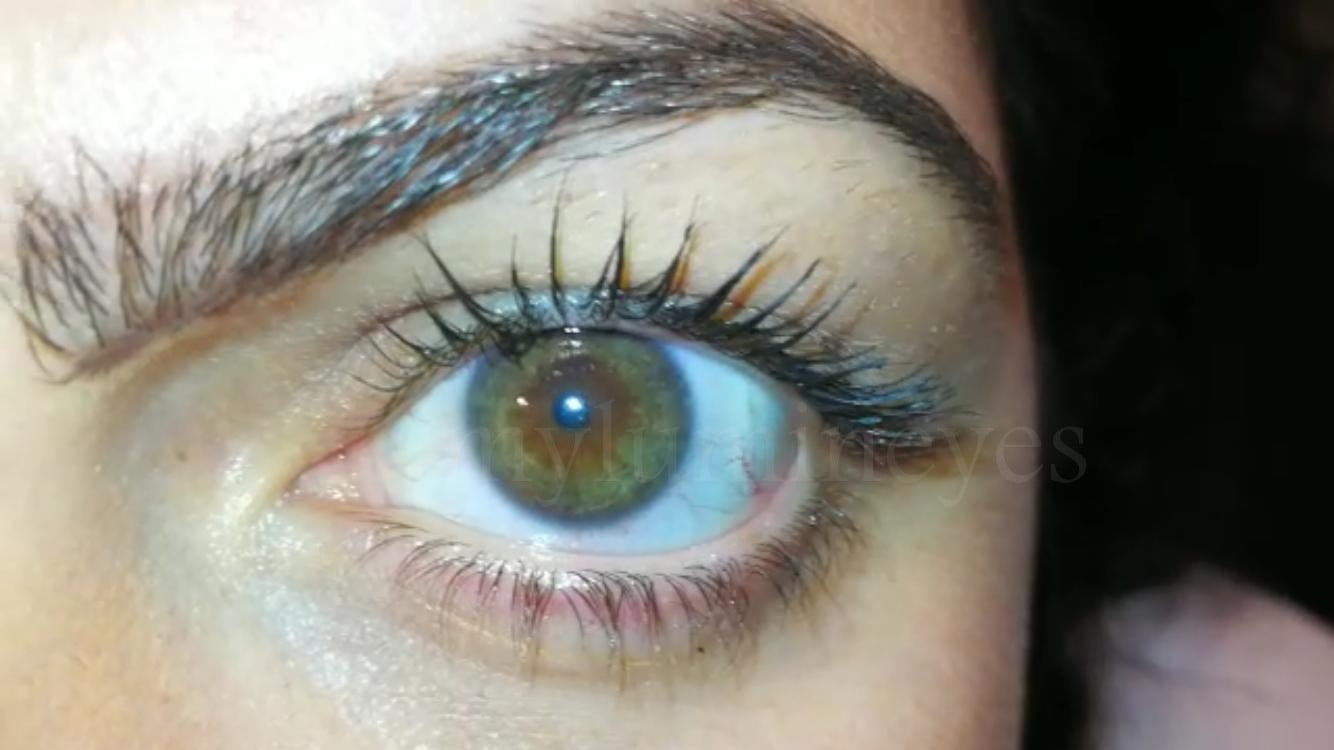
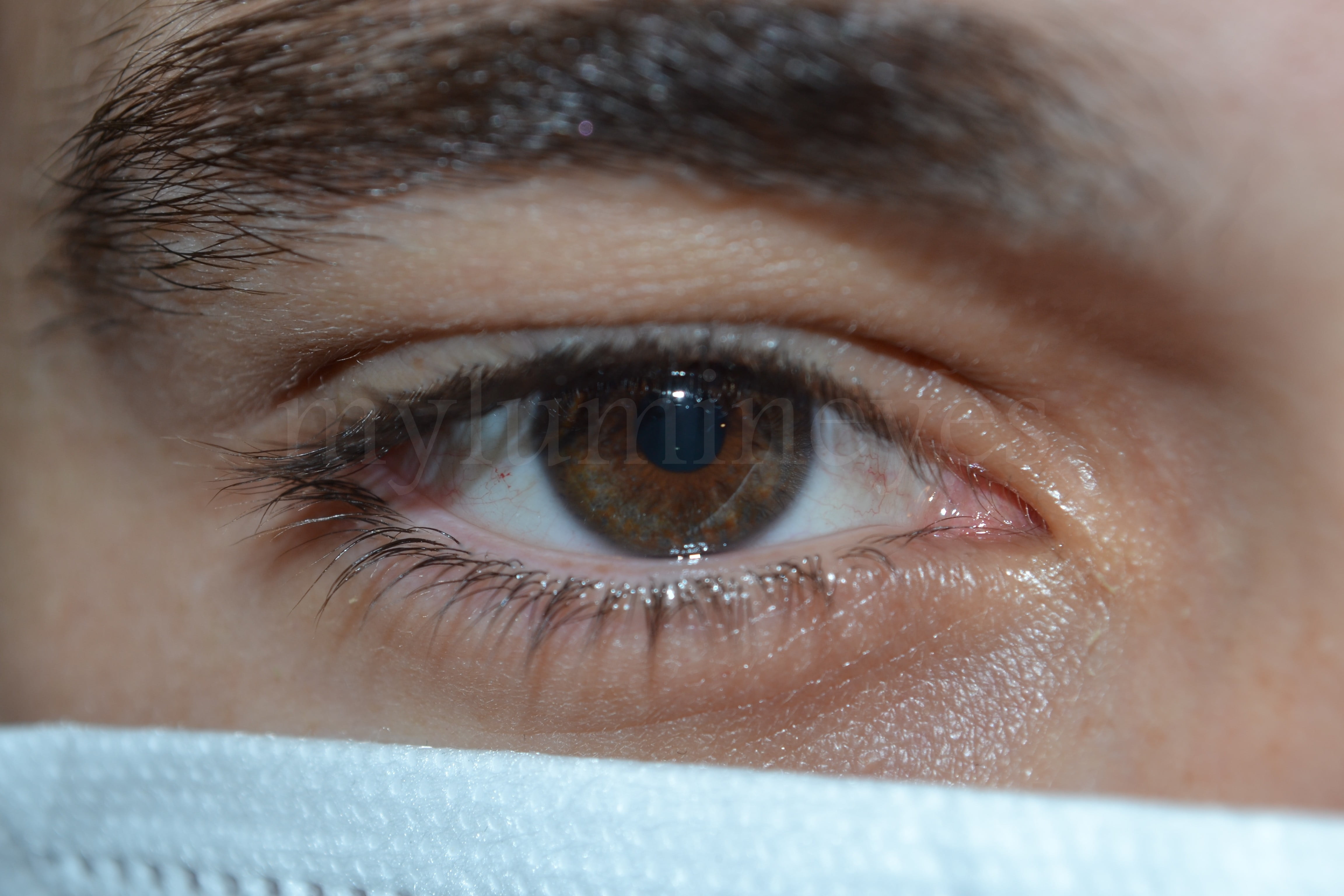
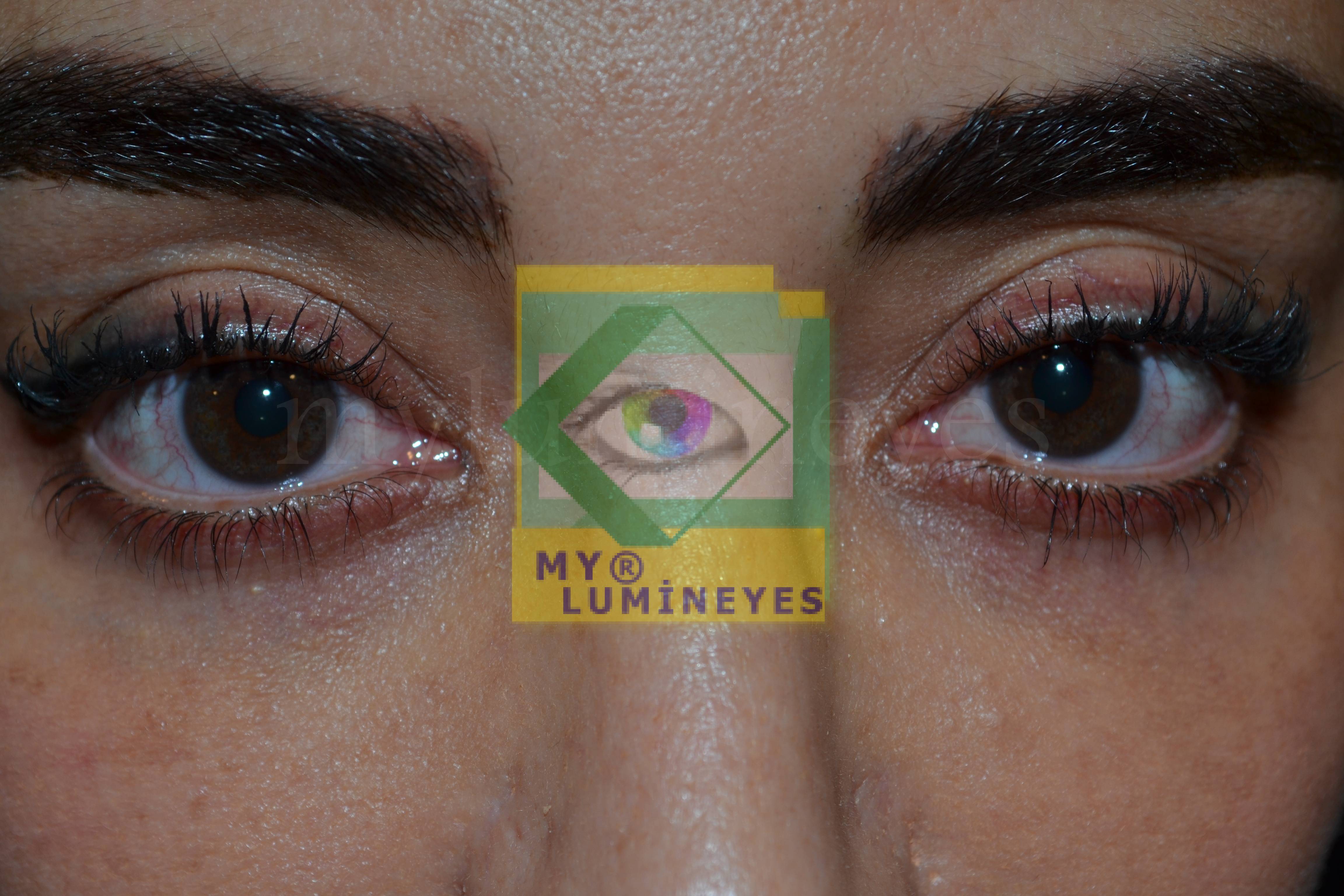
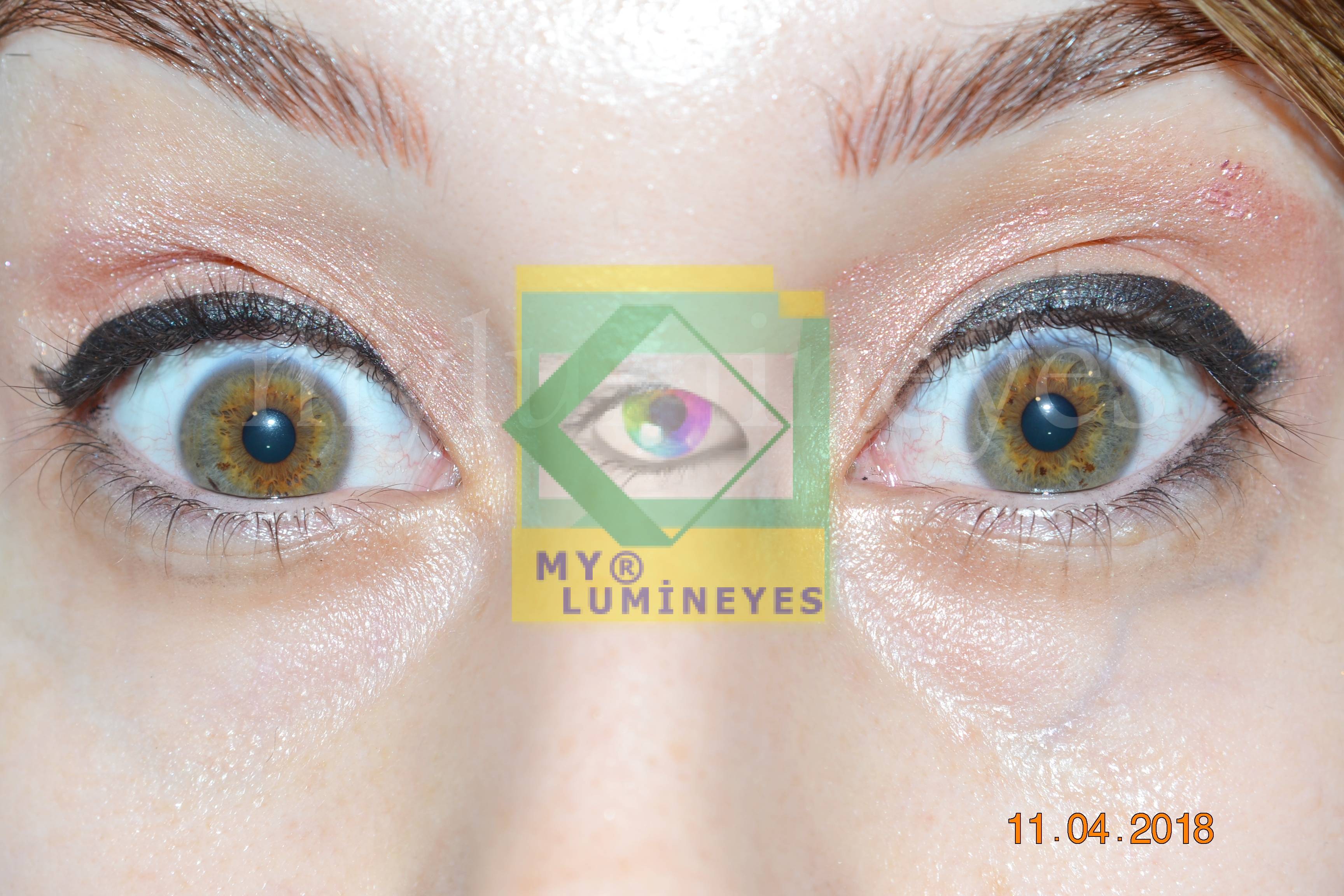
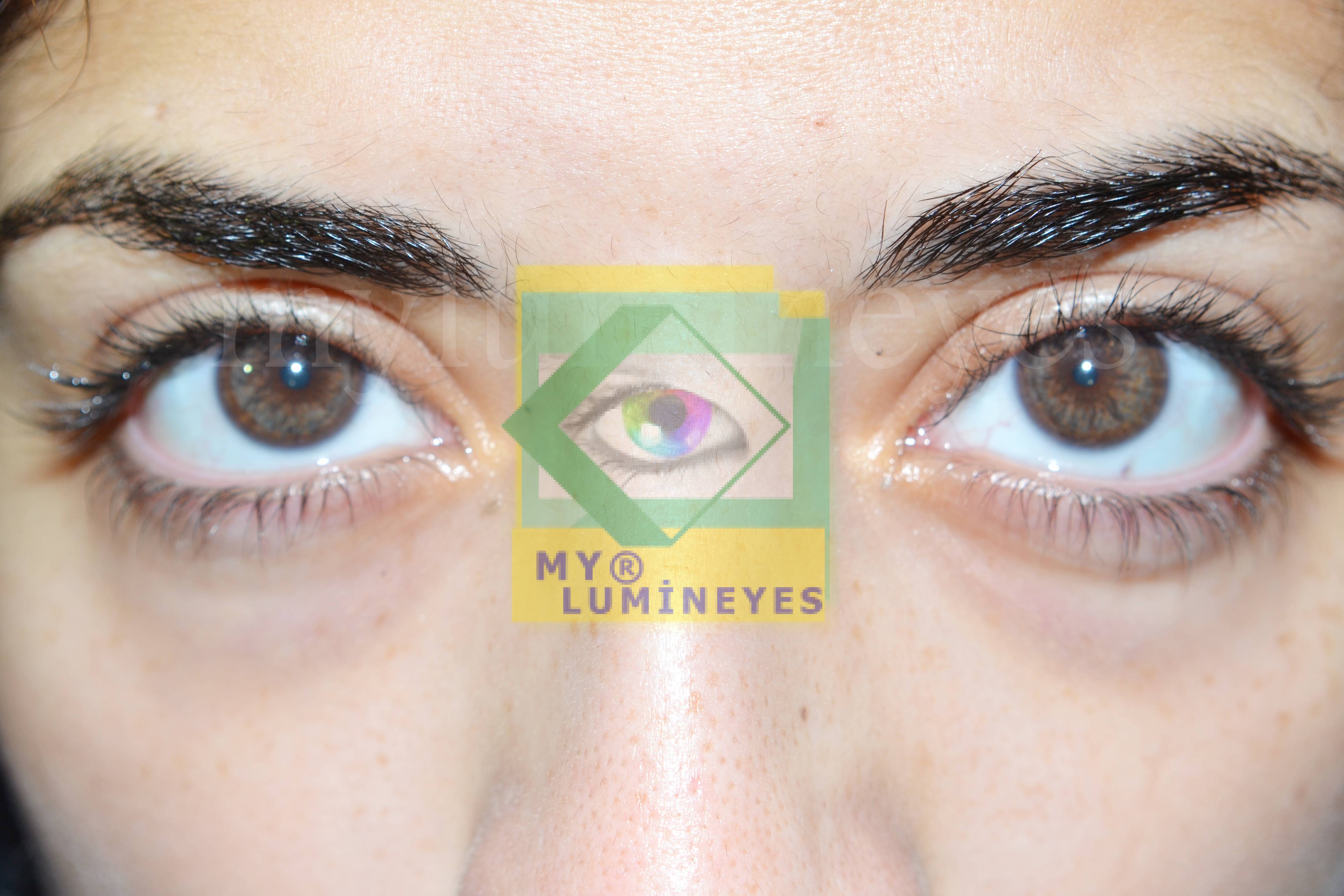
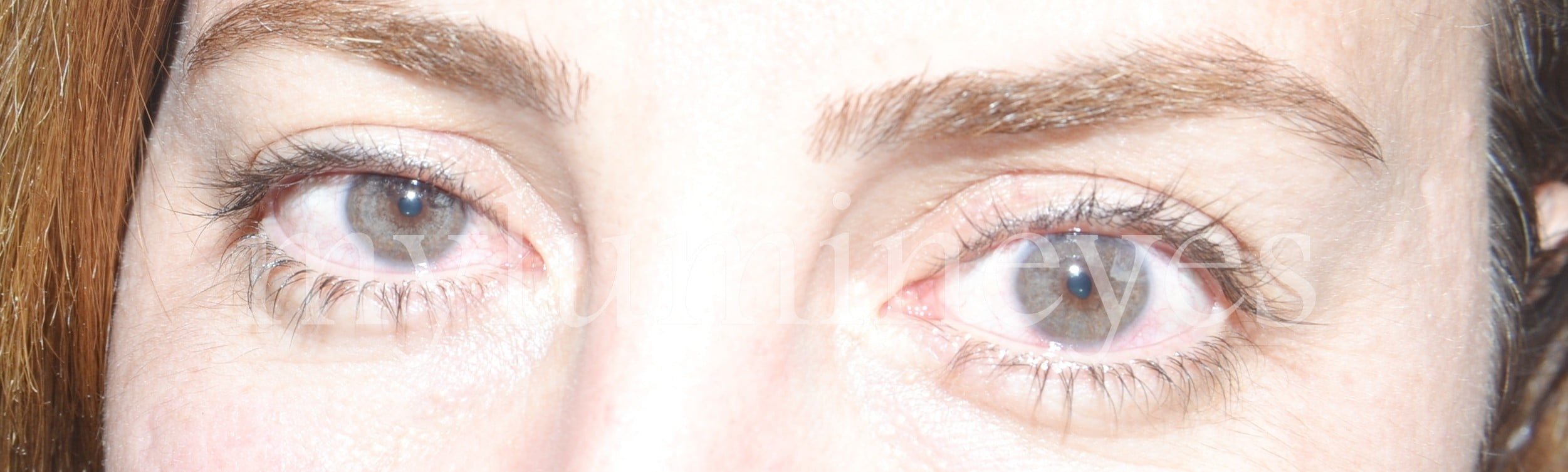
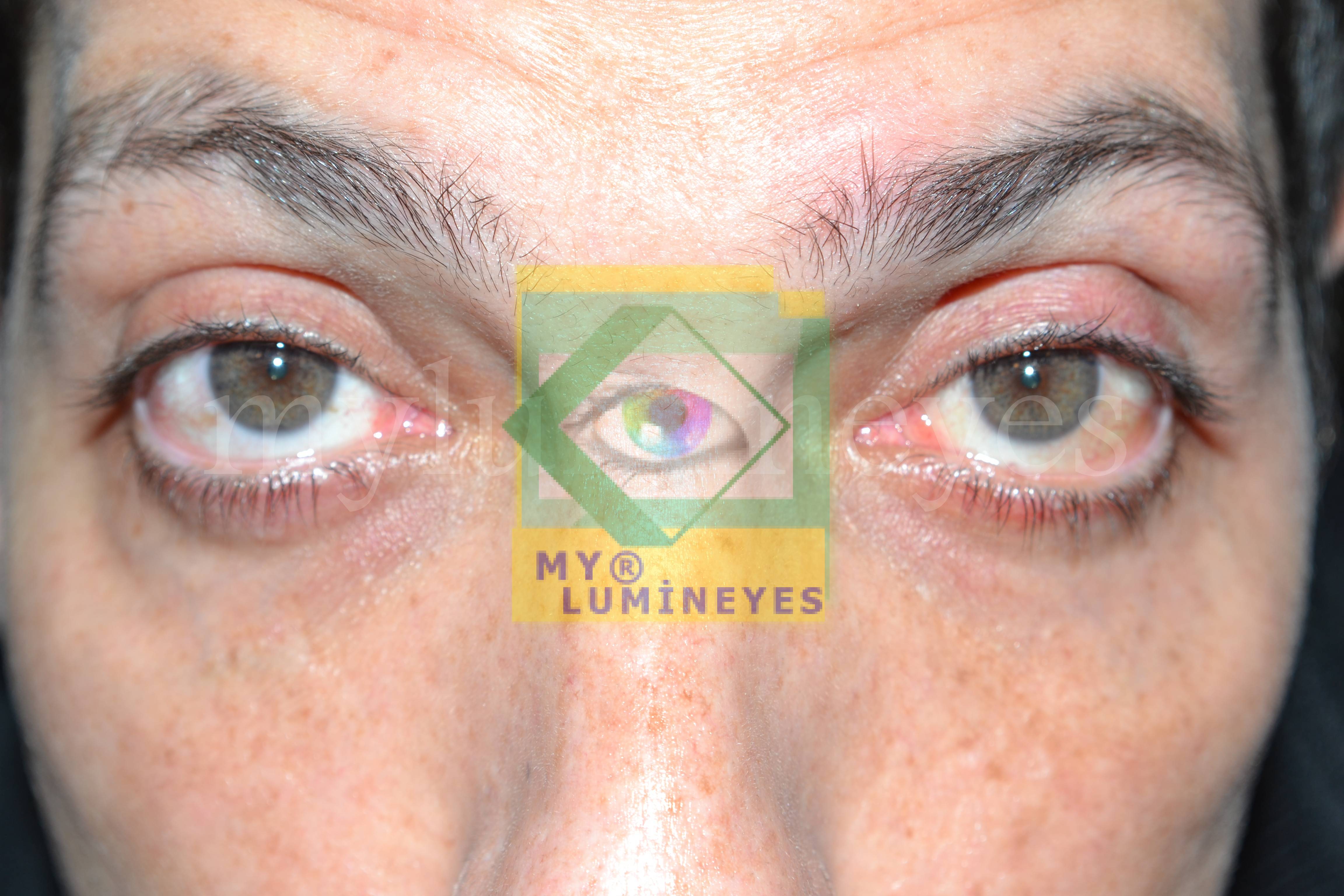
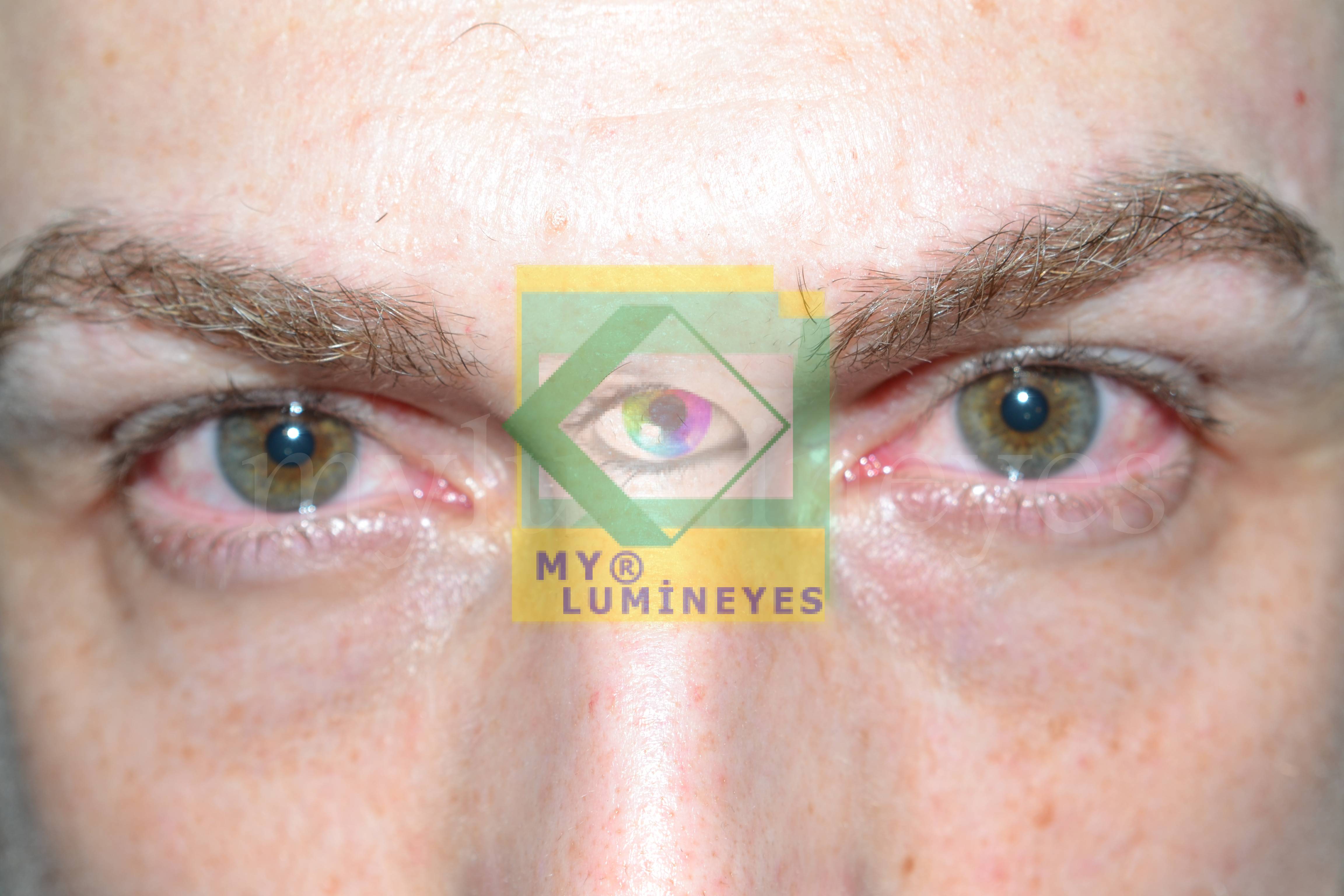
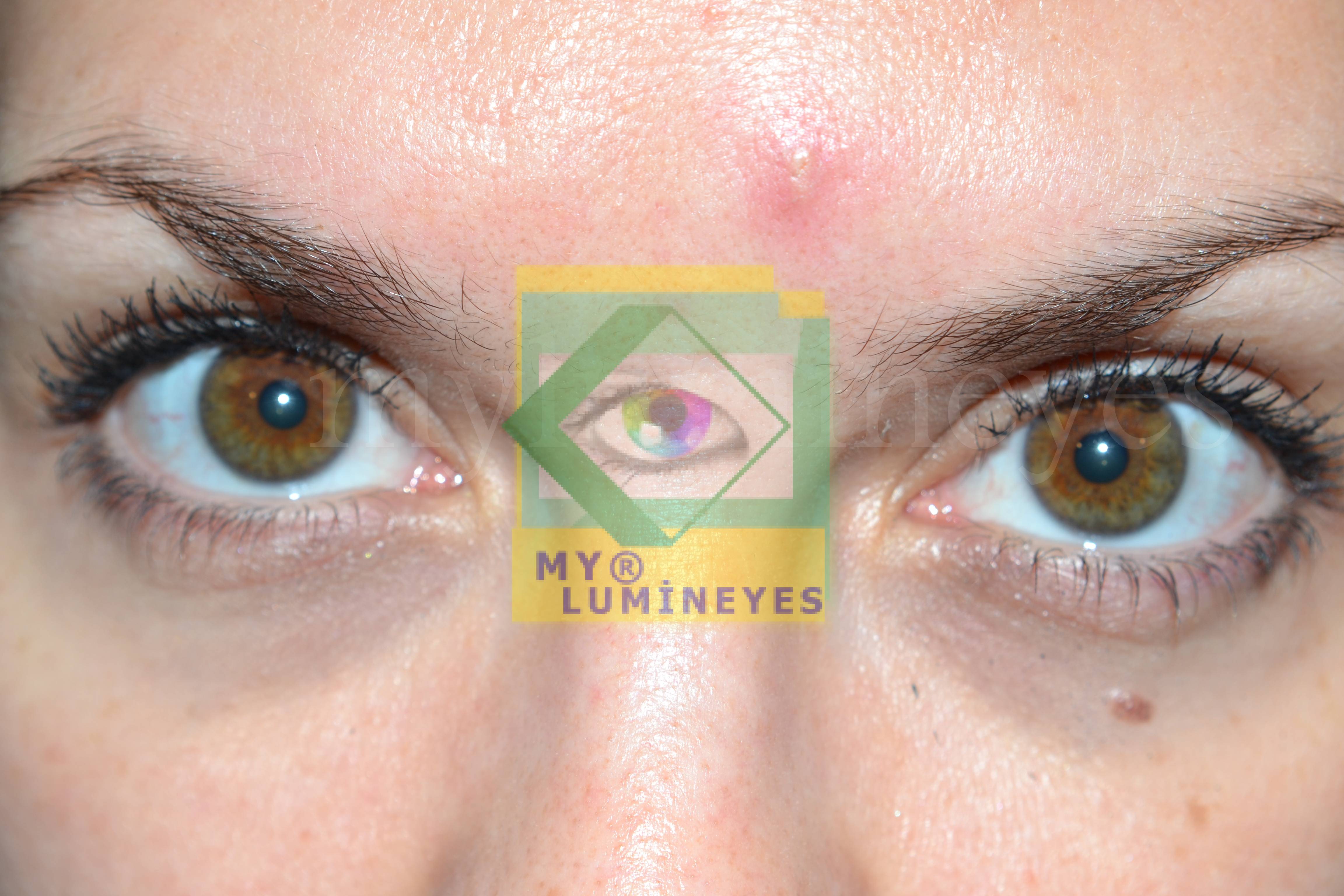
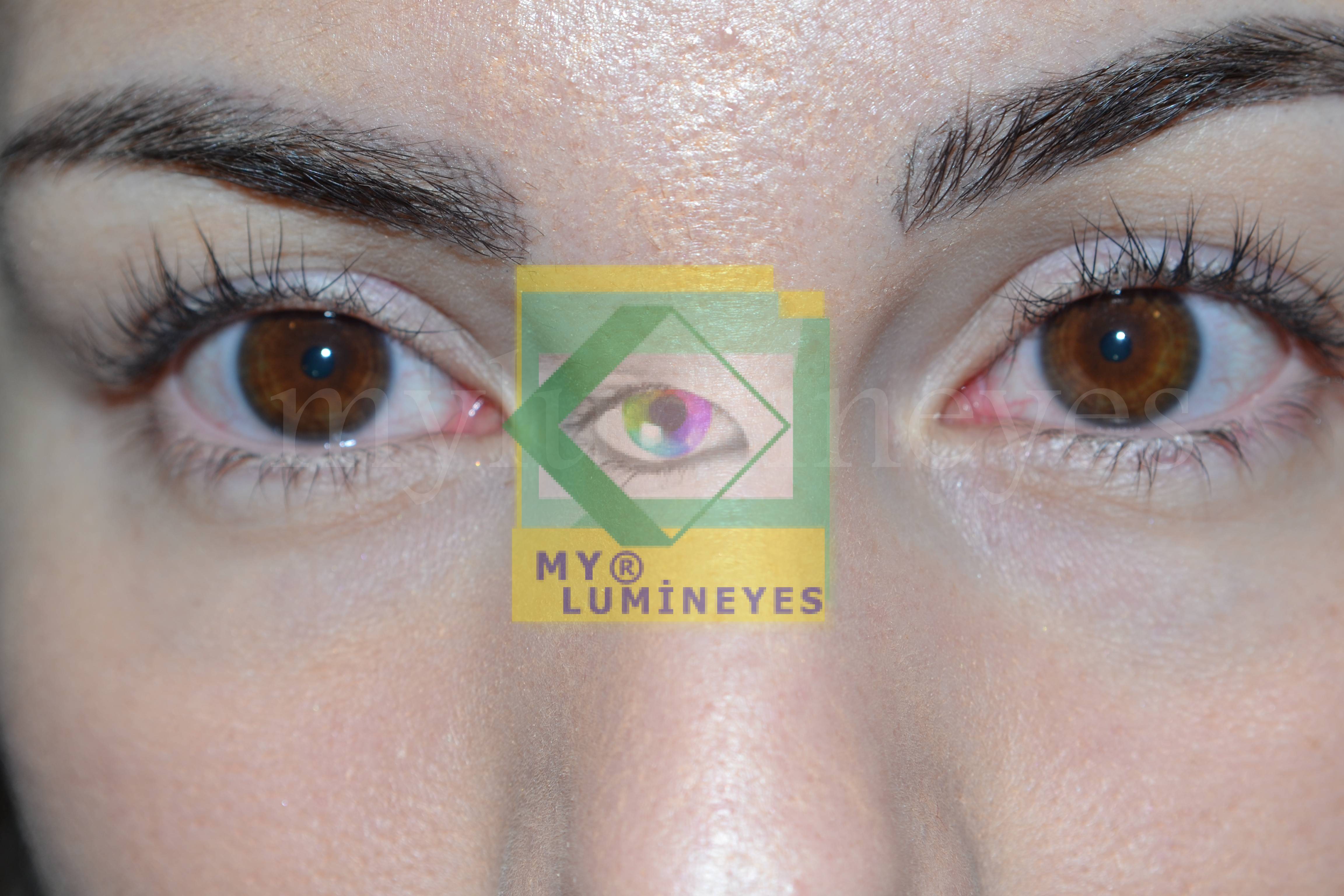
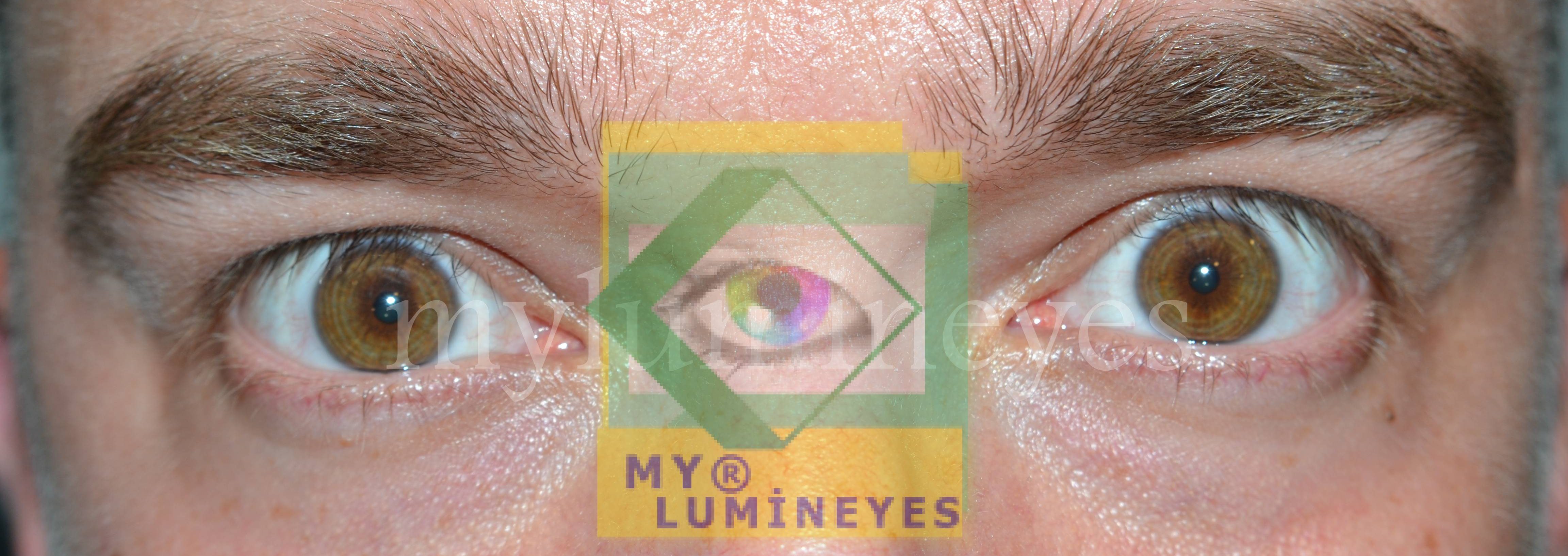
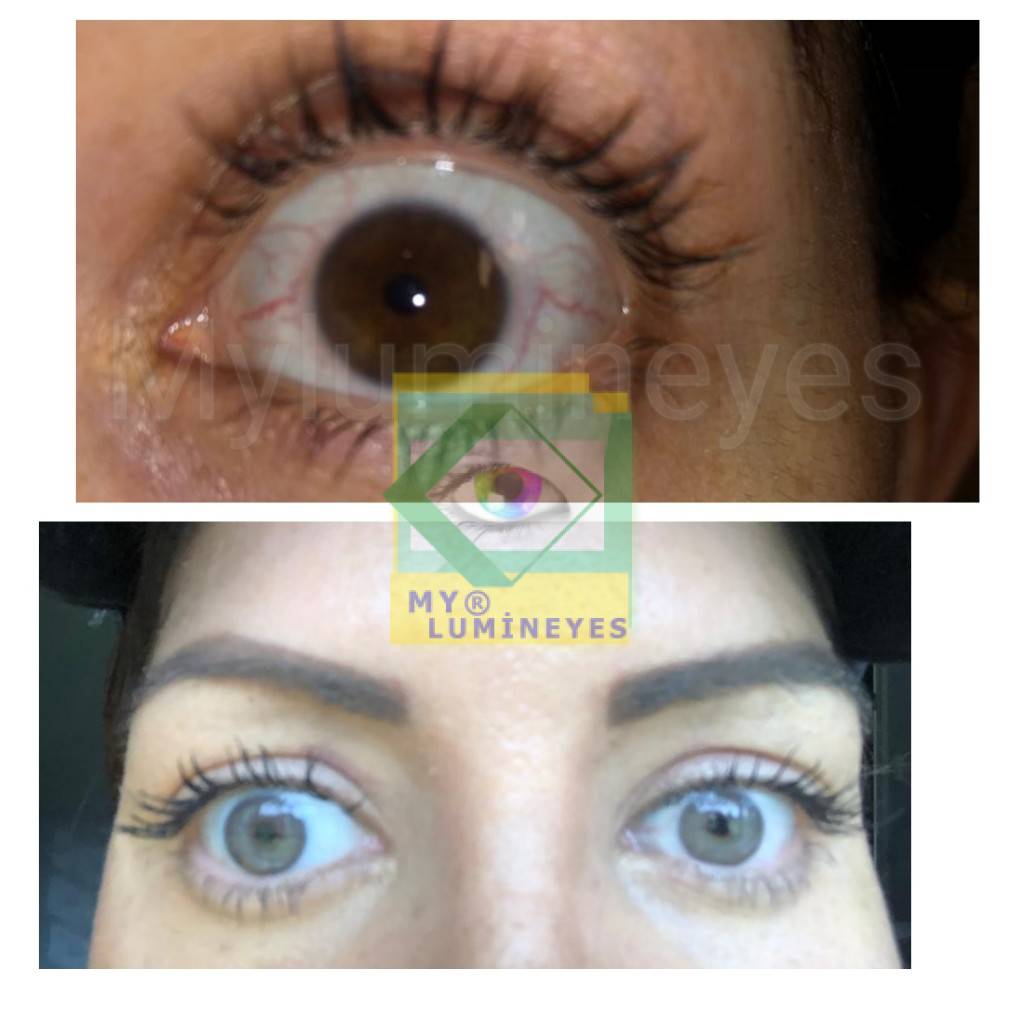
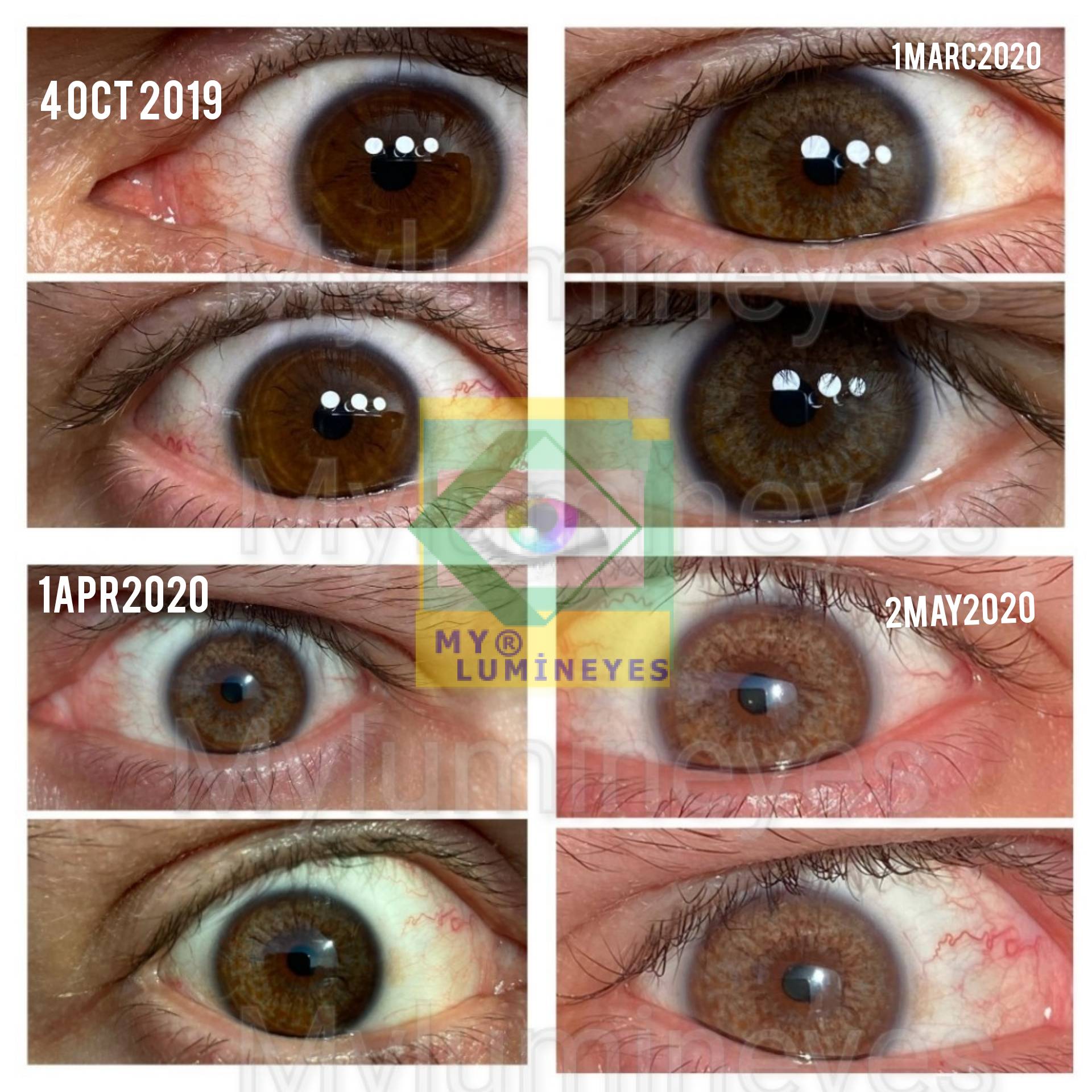
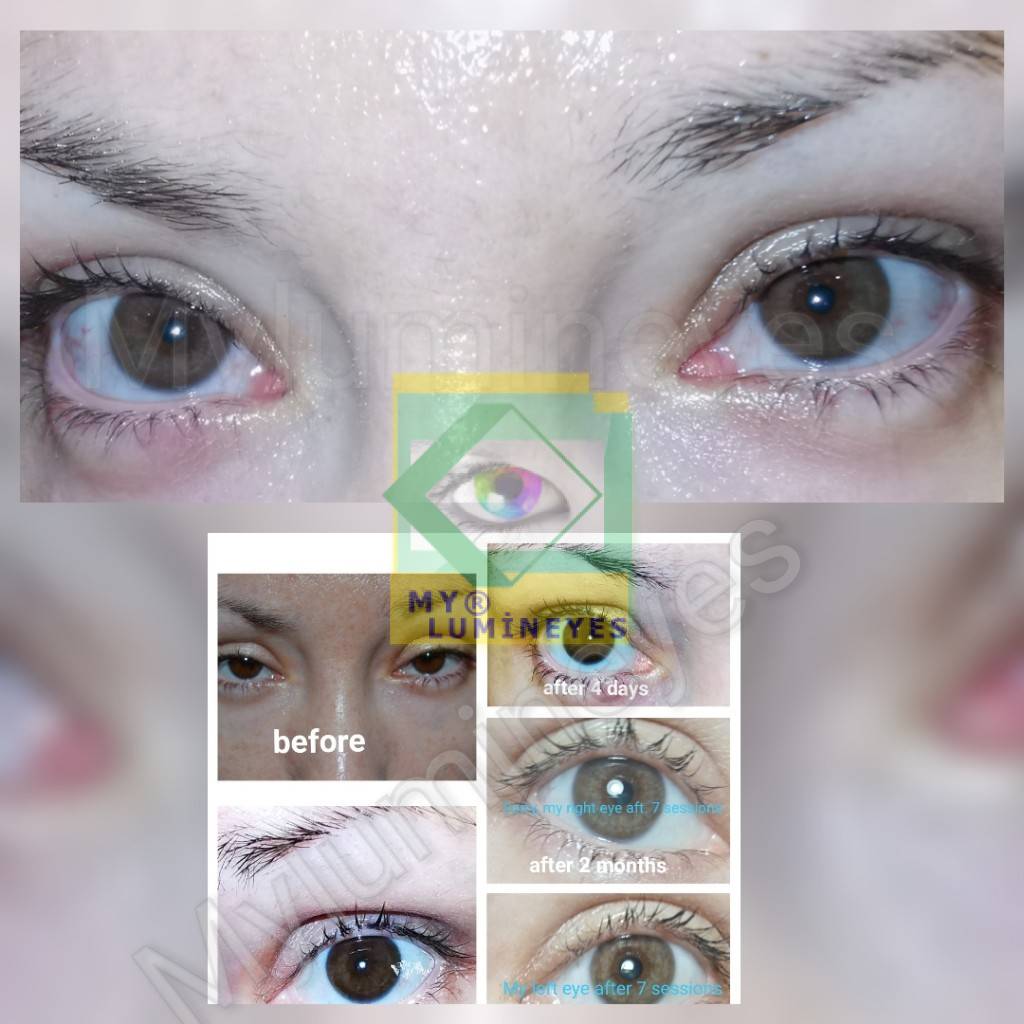
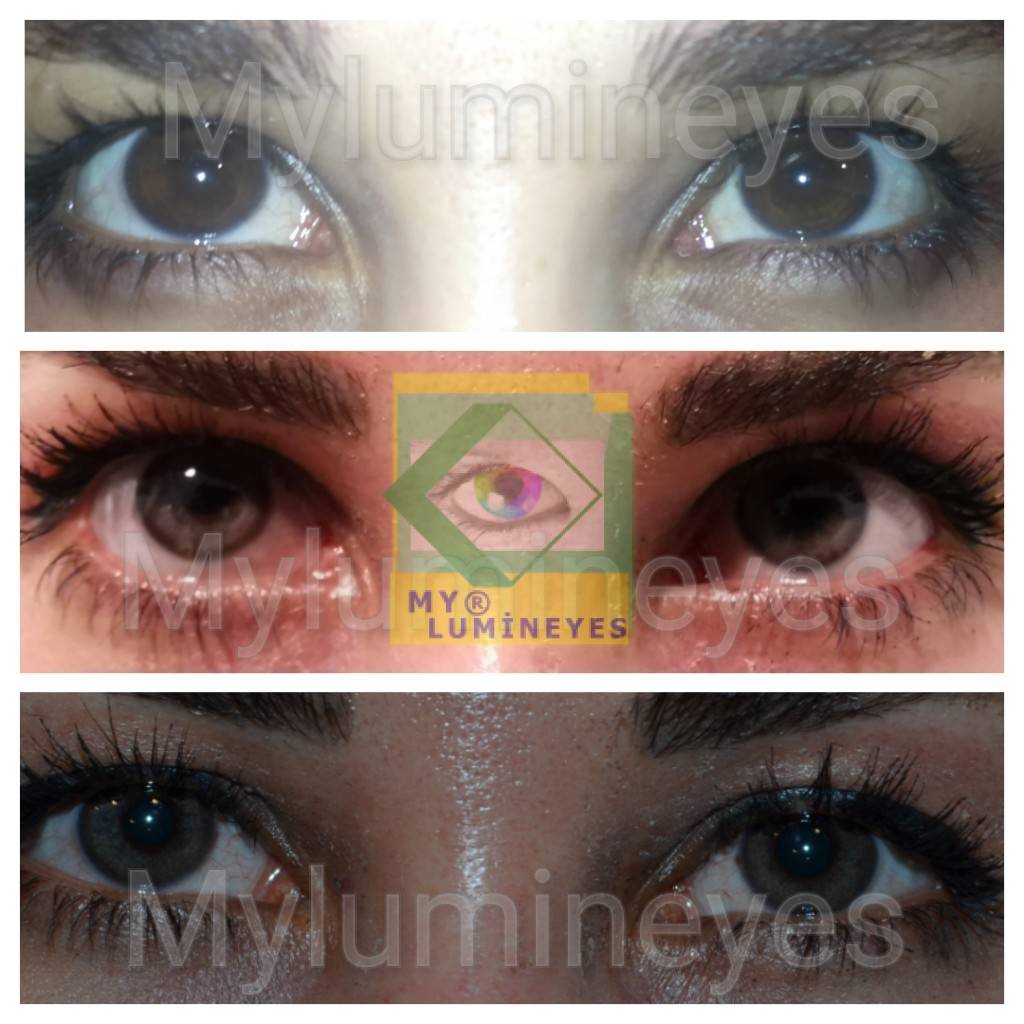
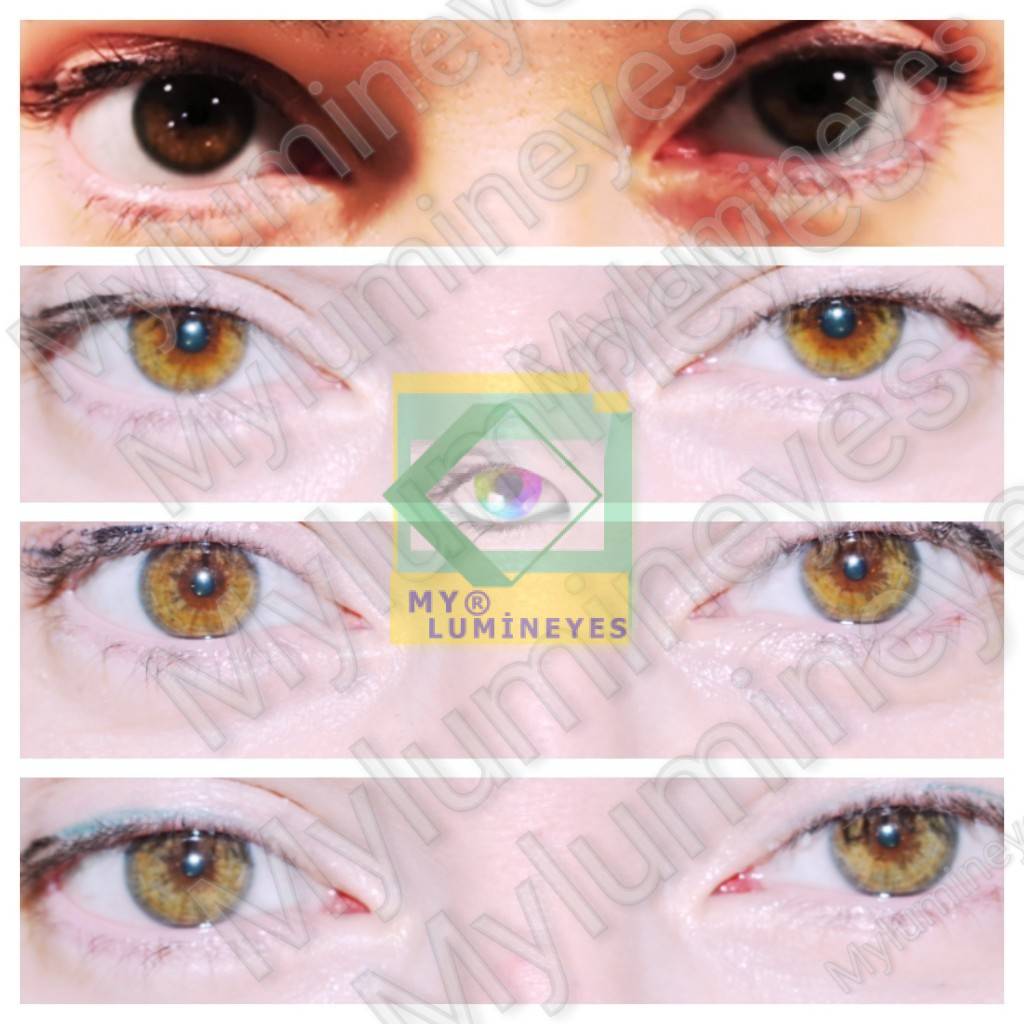
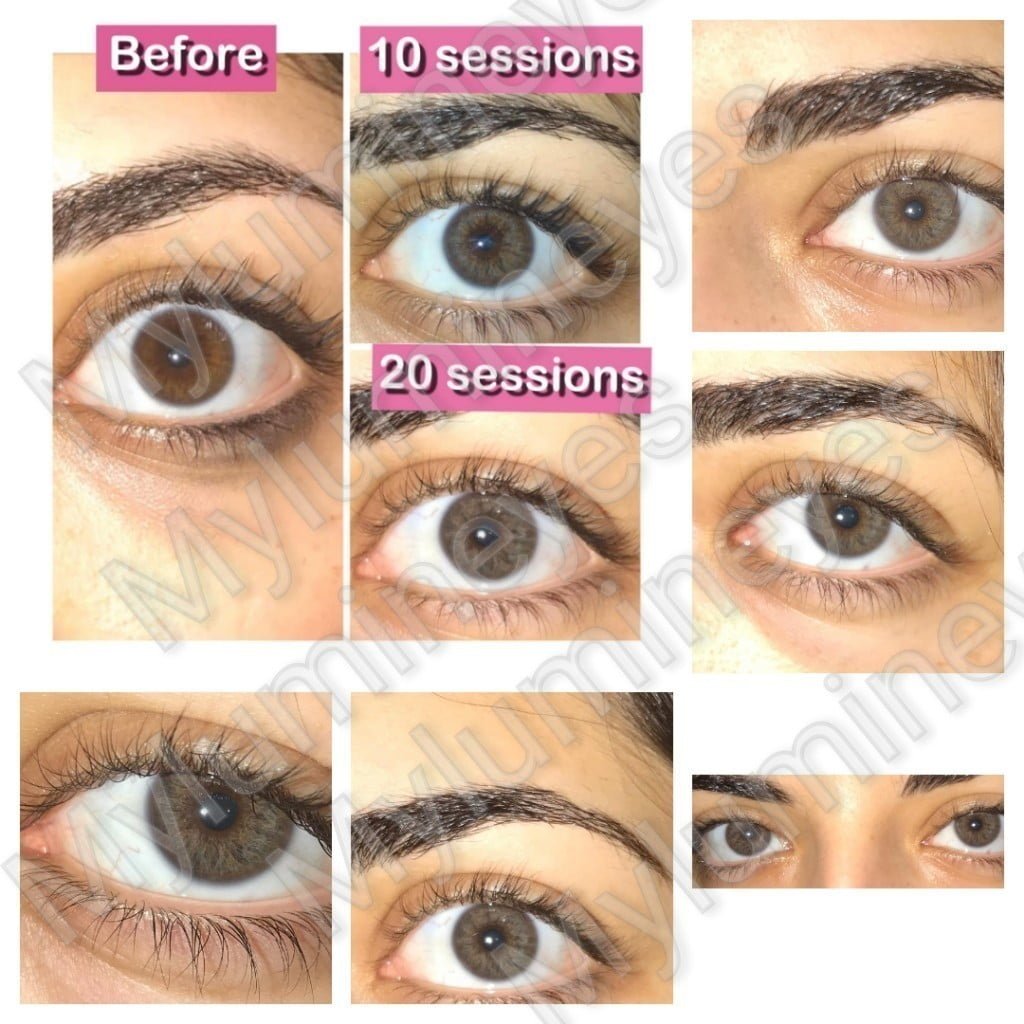
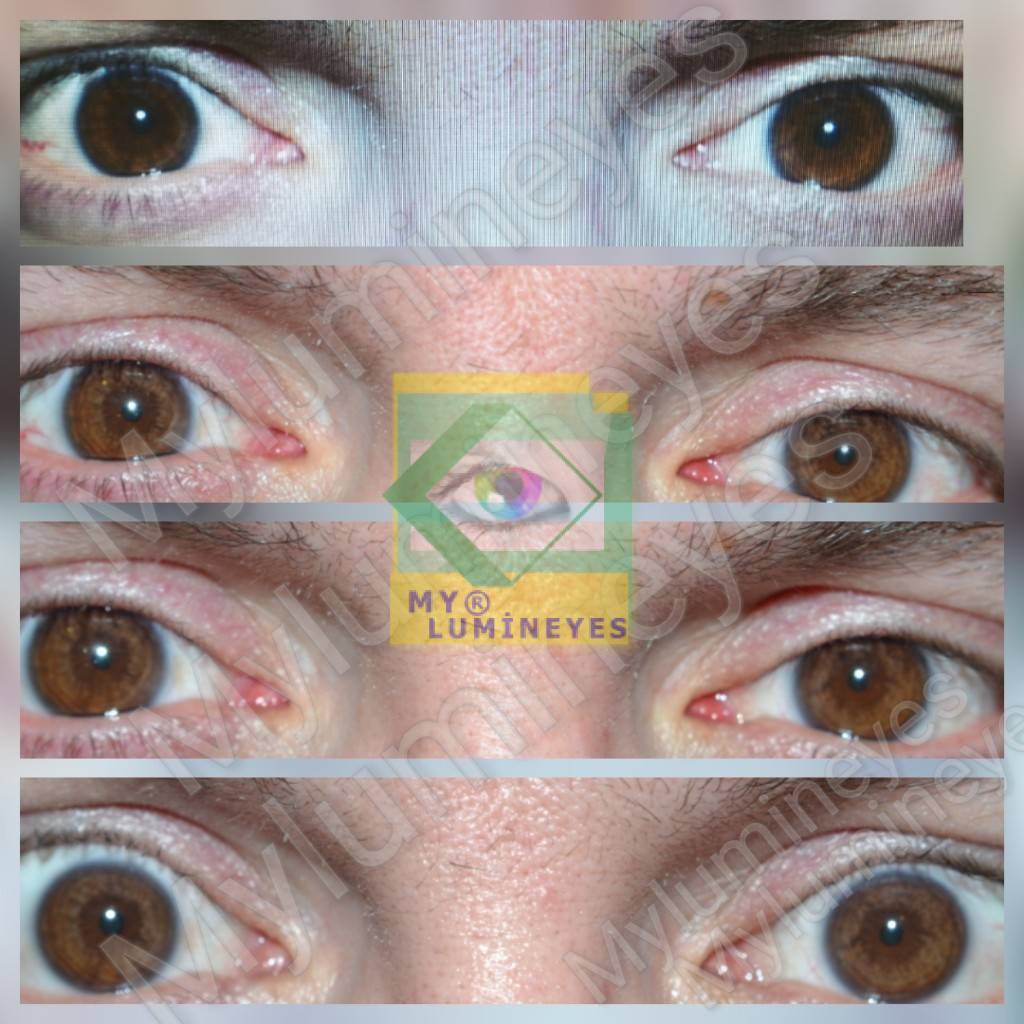
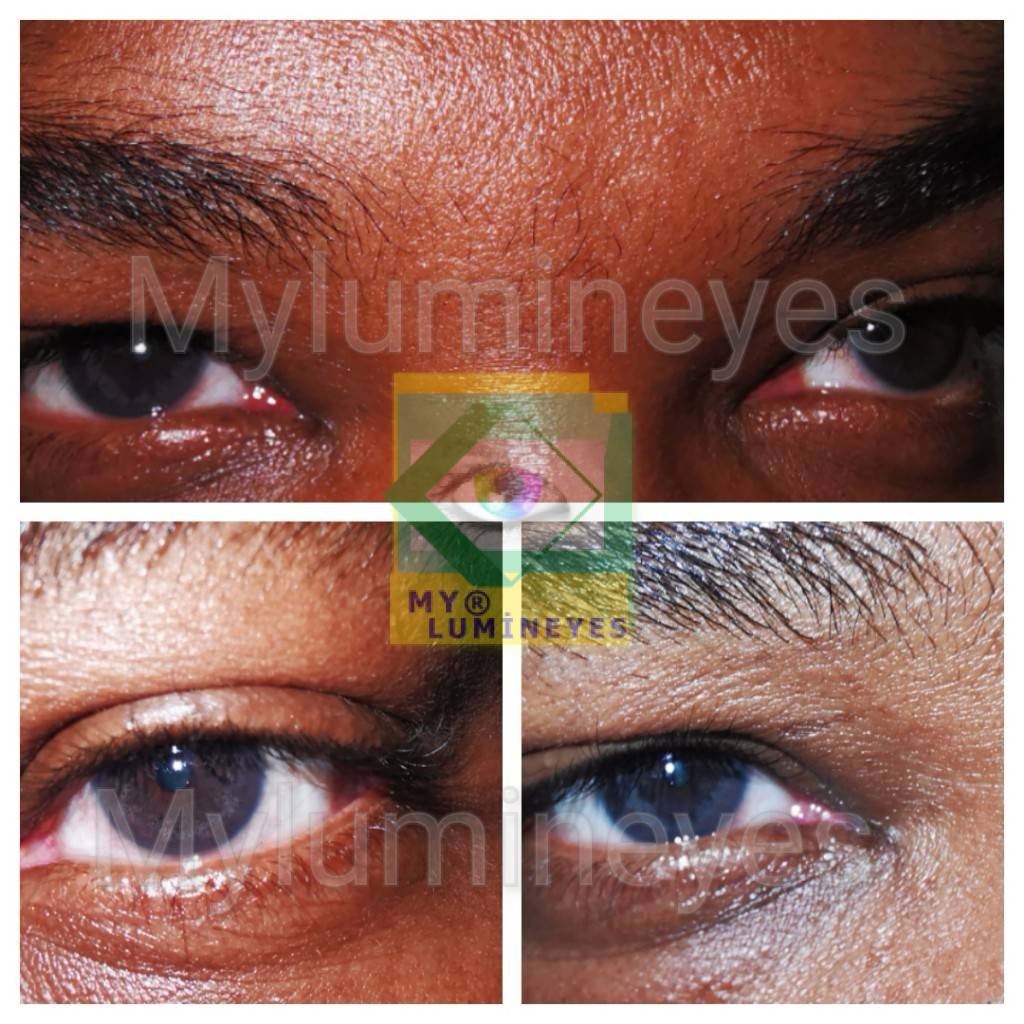
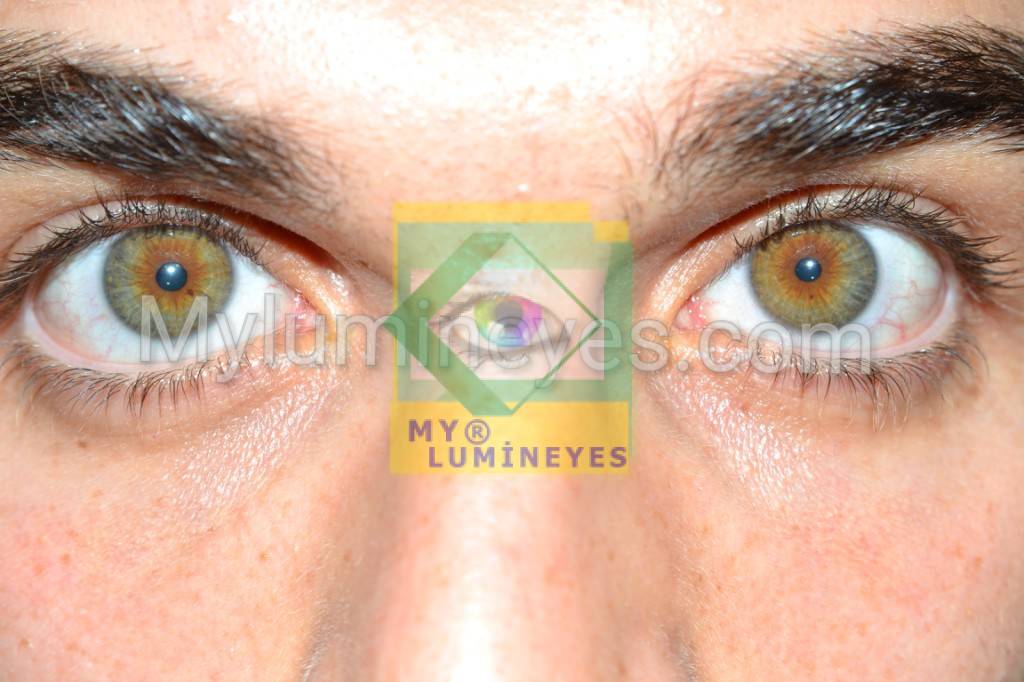
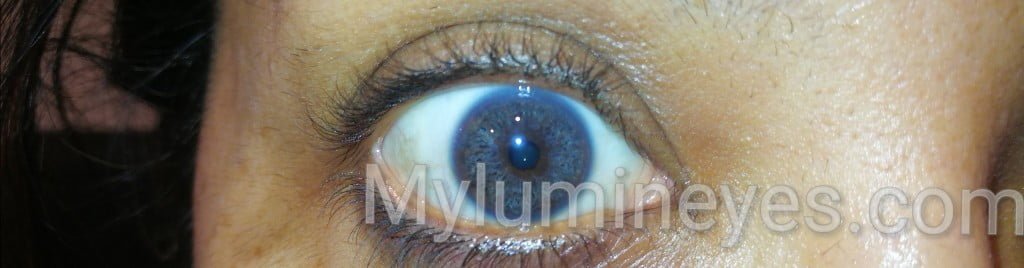
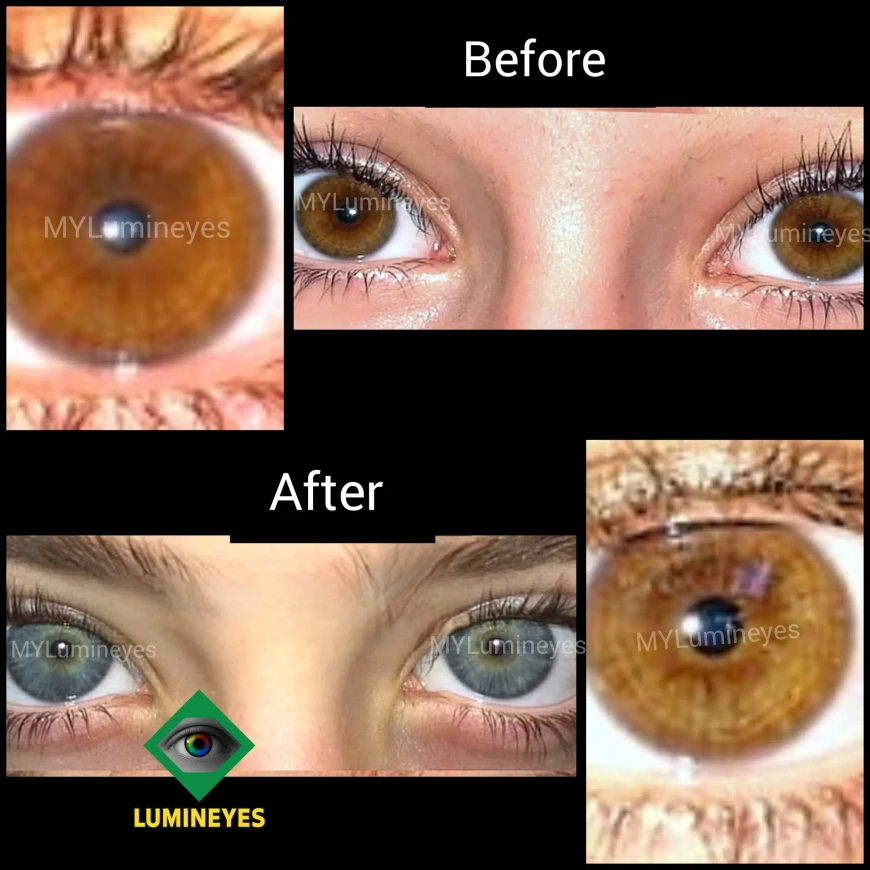
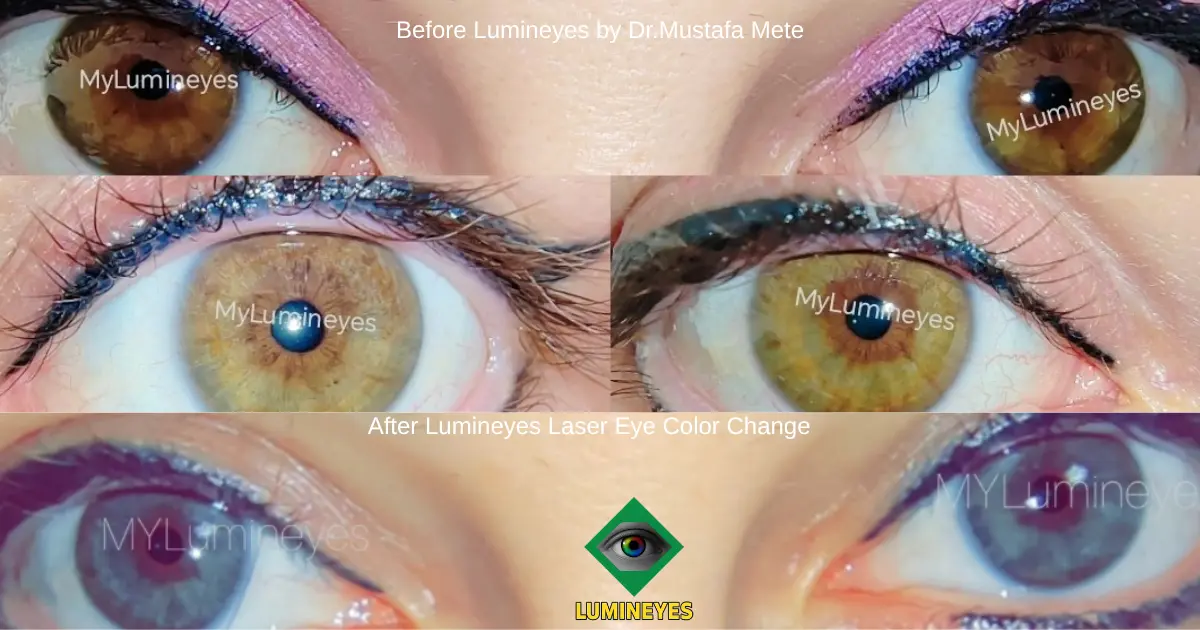
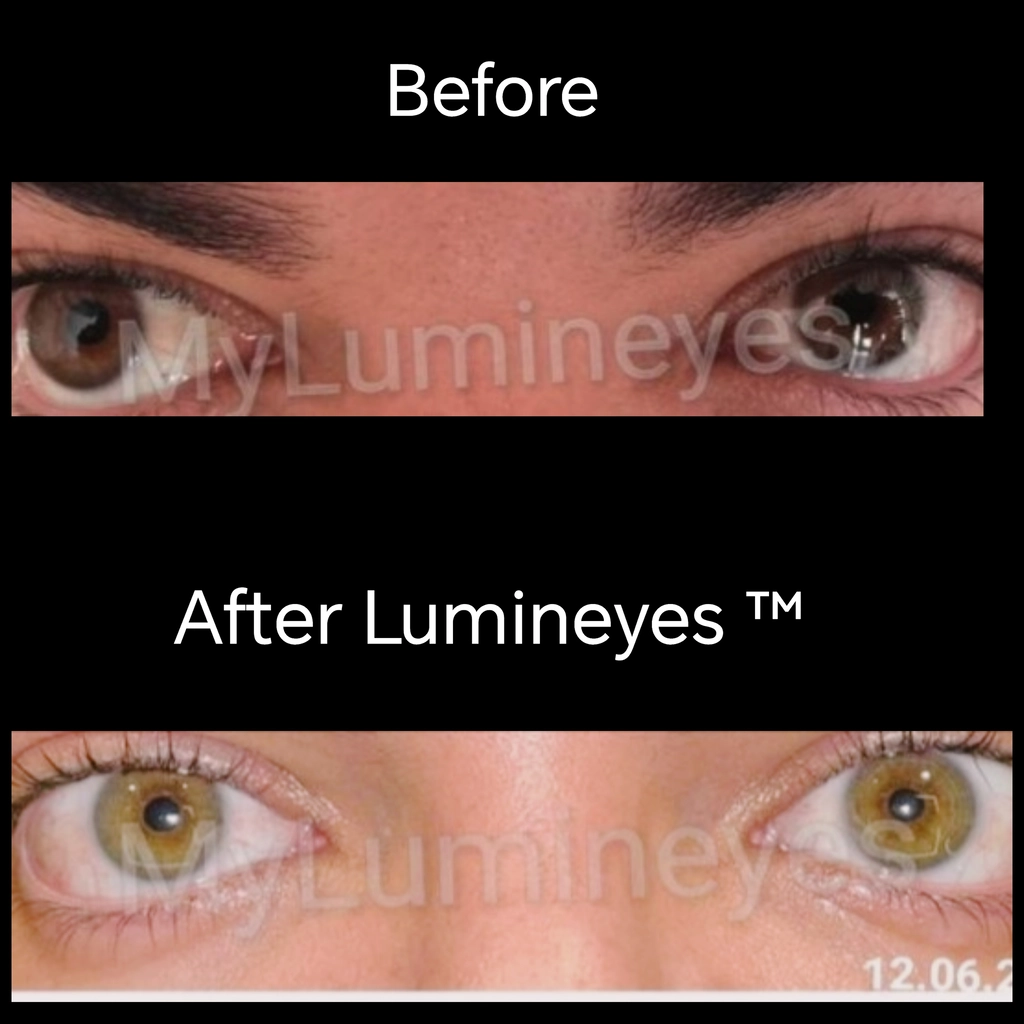
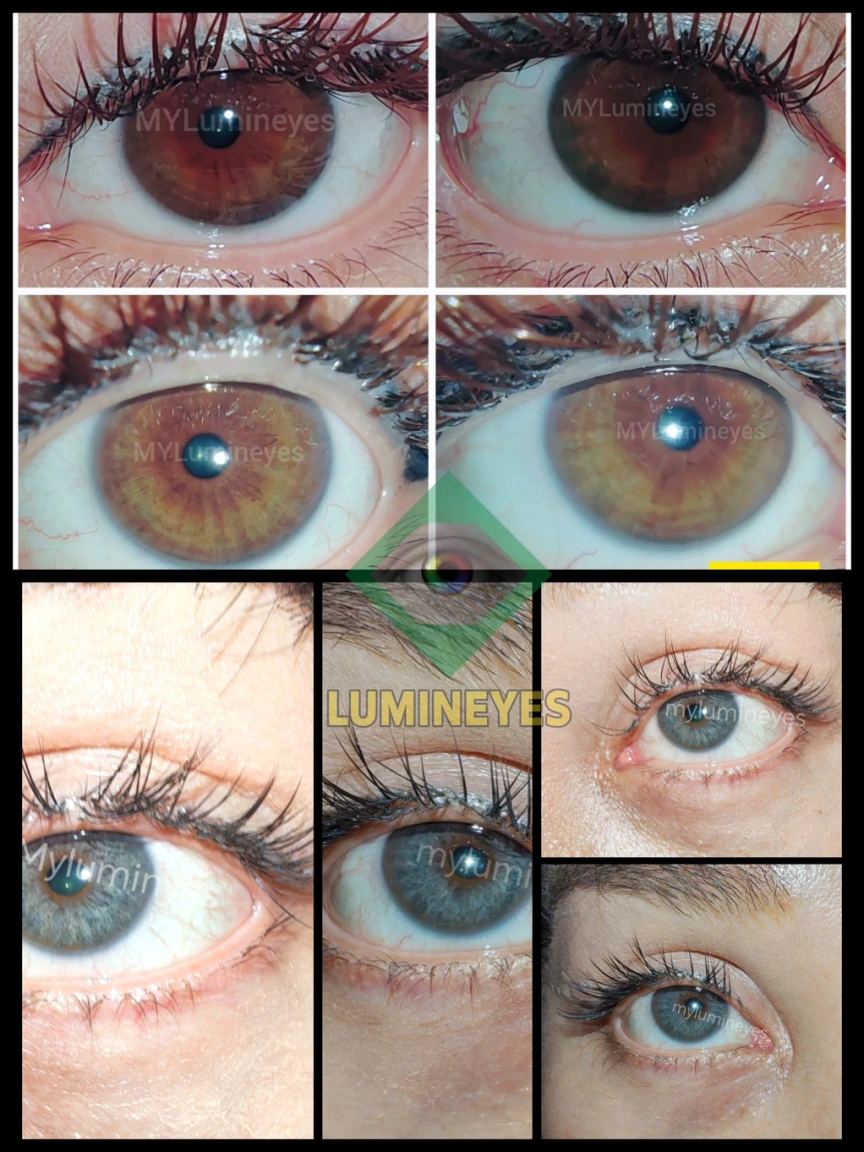
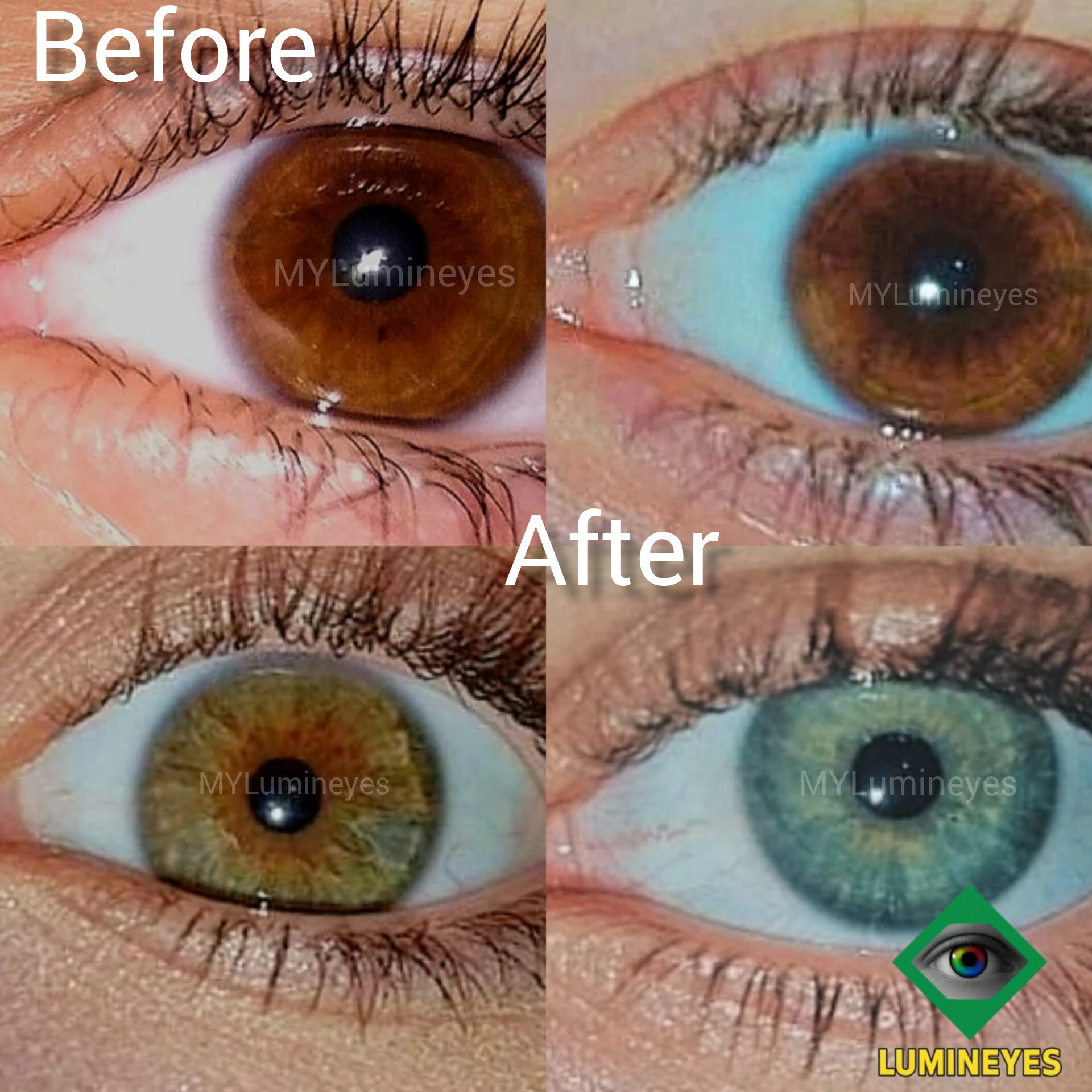
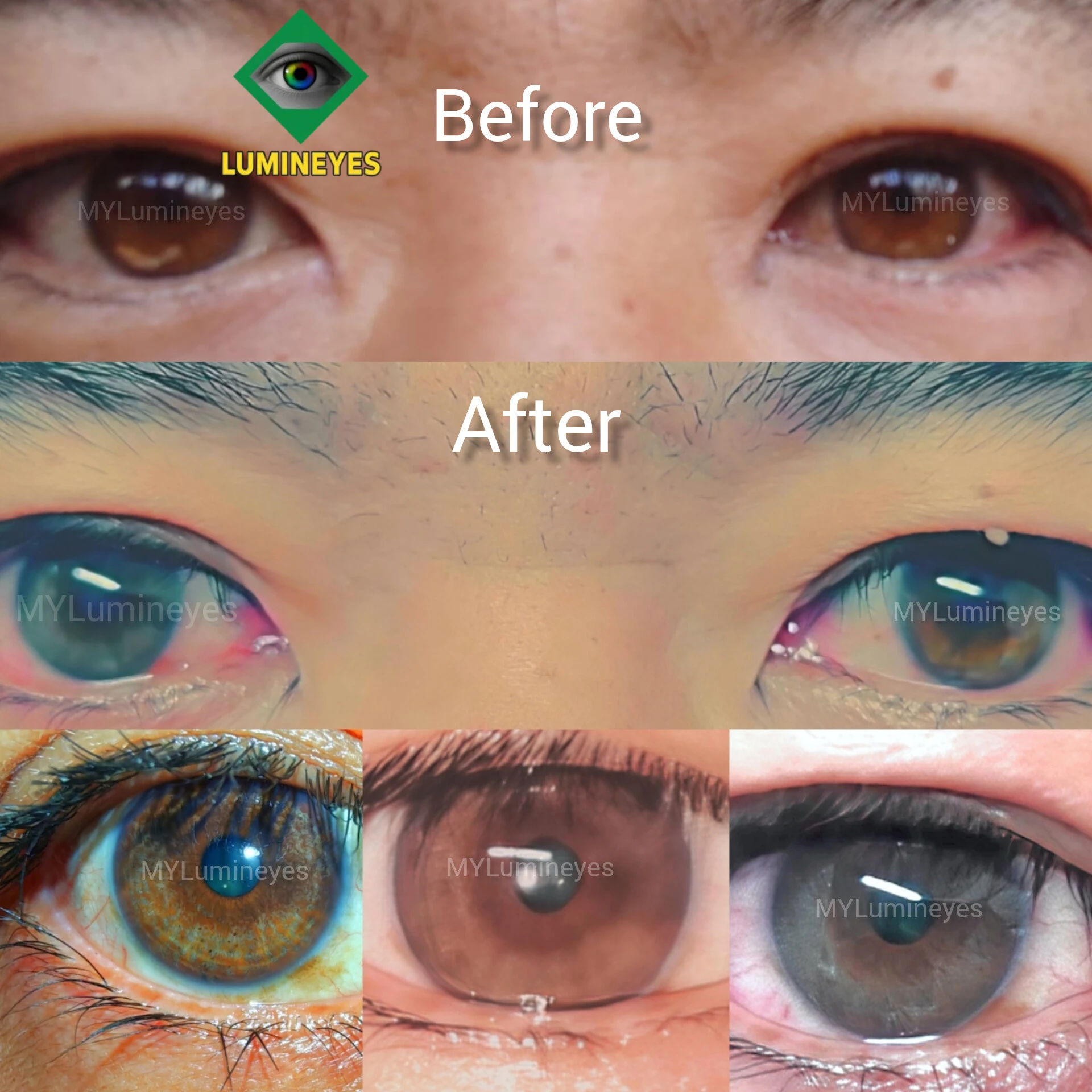
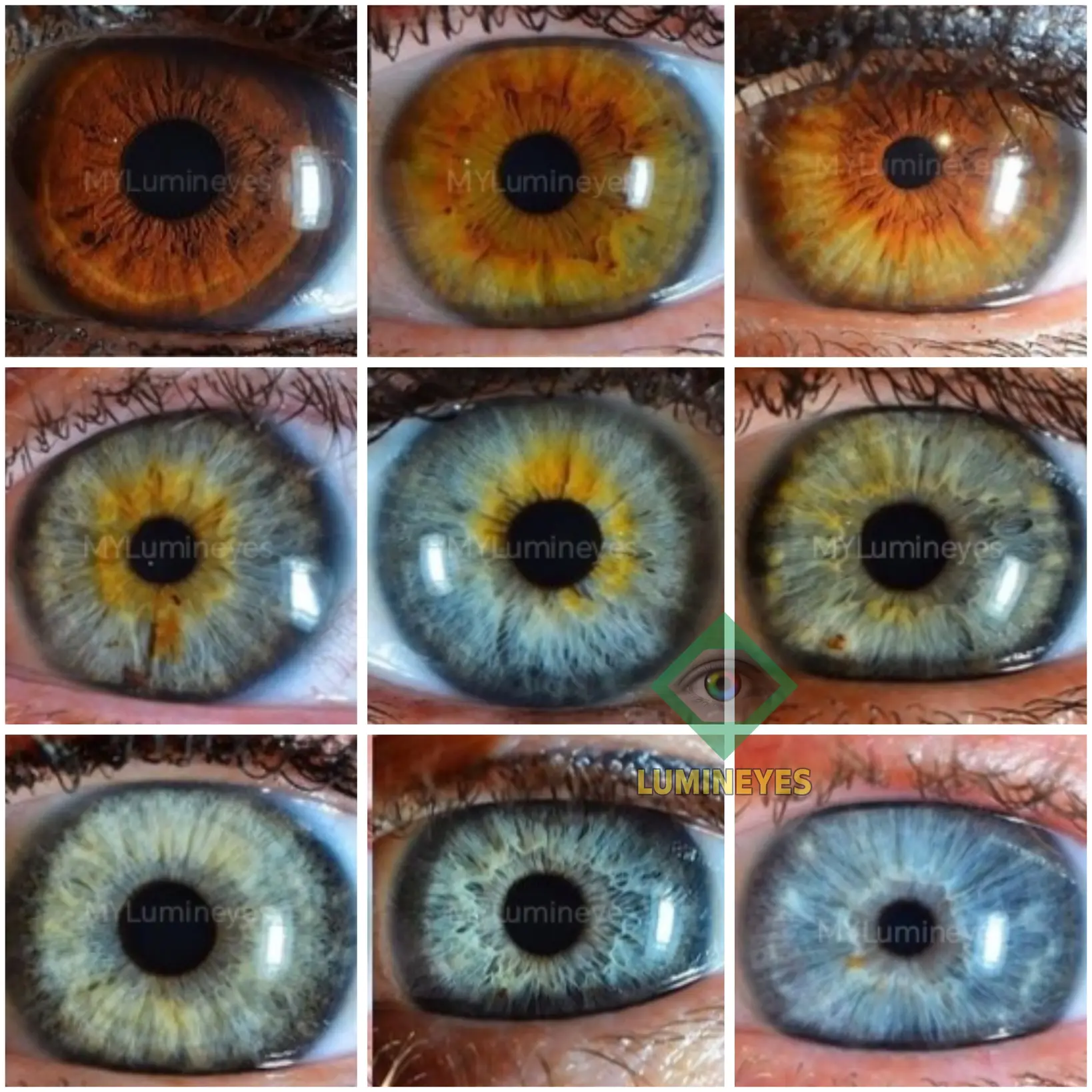
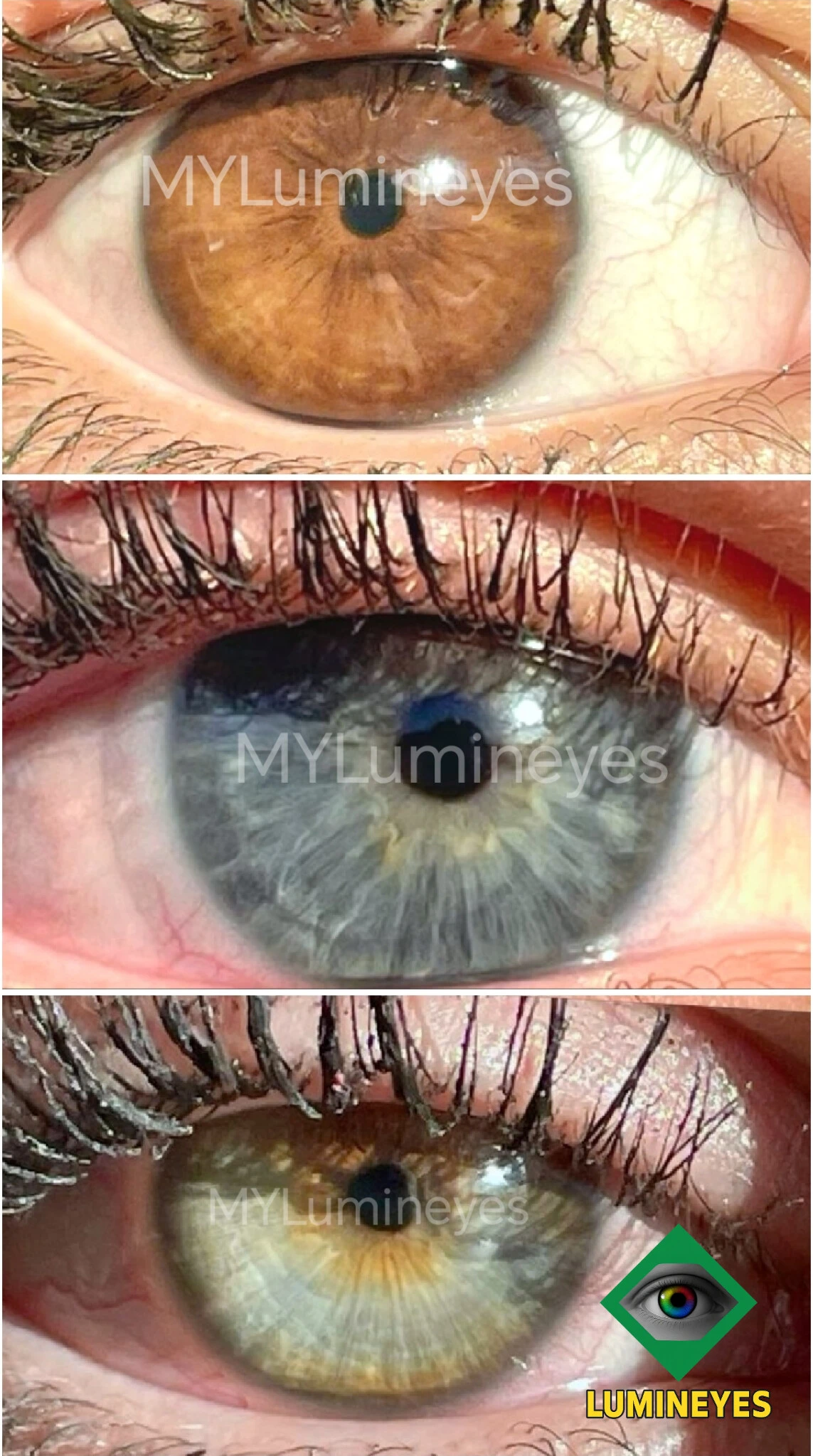
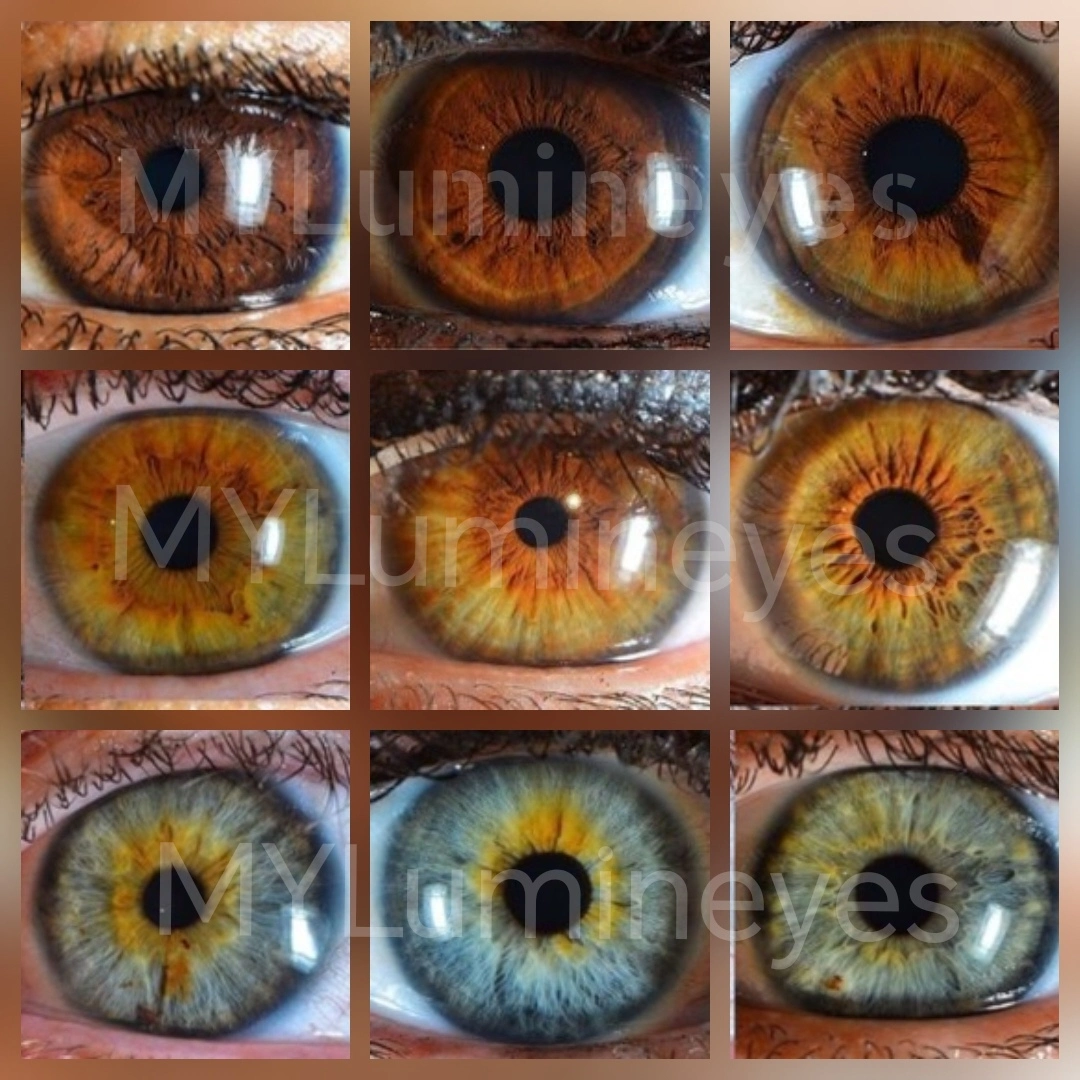
Before and after laser eye color change treatment are the most straightforward way to understand what this procedure can realistically achieve. On this page you can see real examples from different starting eye colors – from very dark brown to hazel and mixed tones – and how they gradually transform into lighter, more transparent shades after a medically supervised laser program.
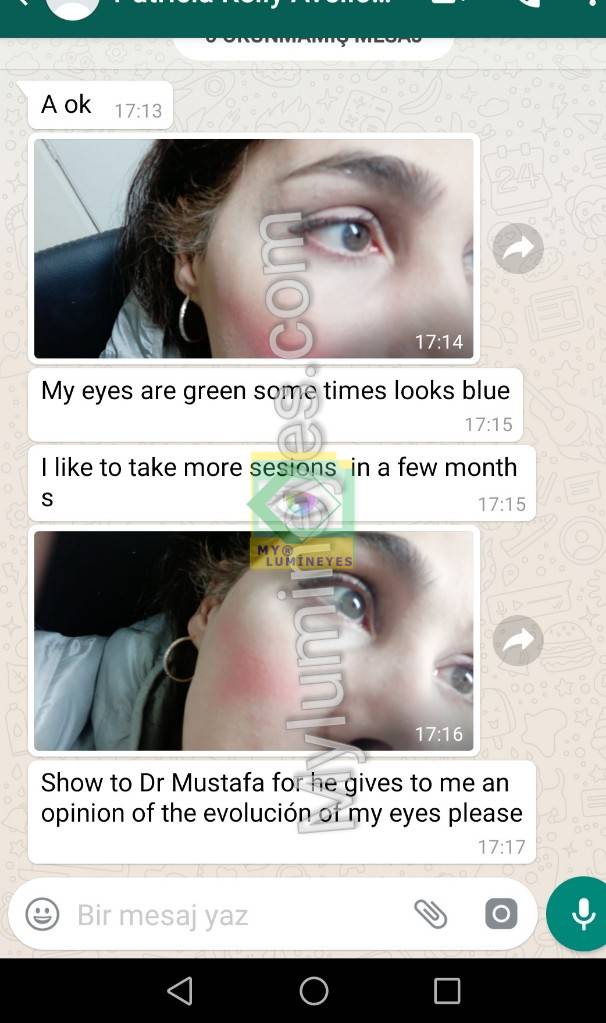
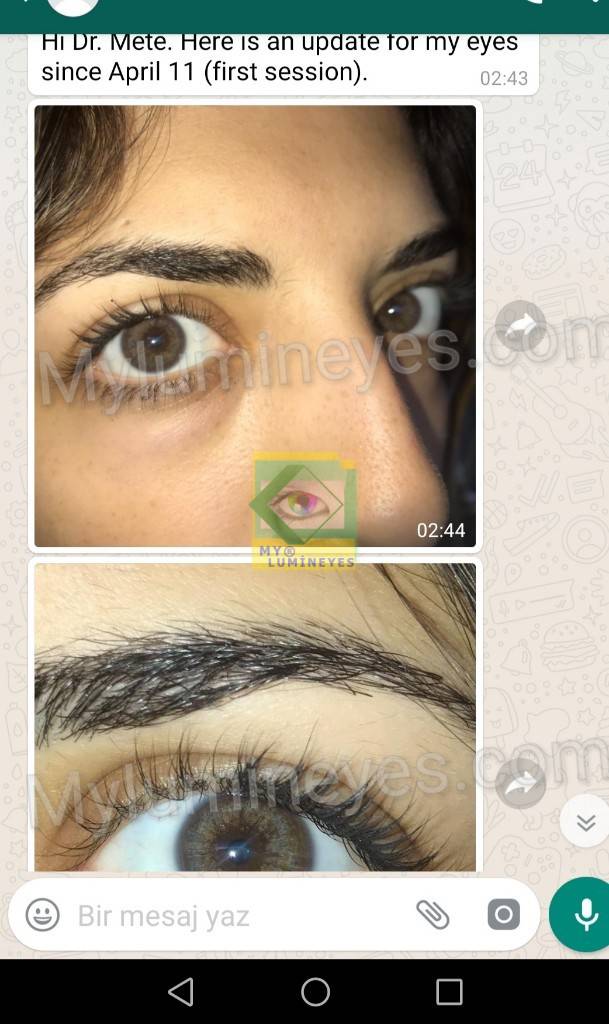
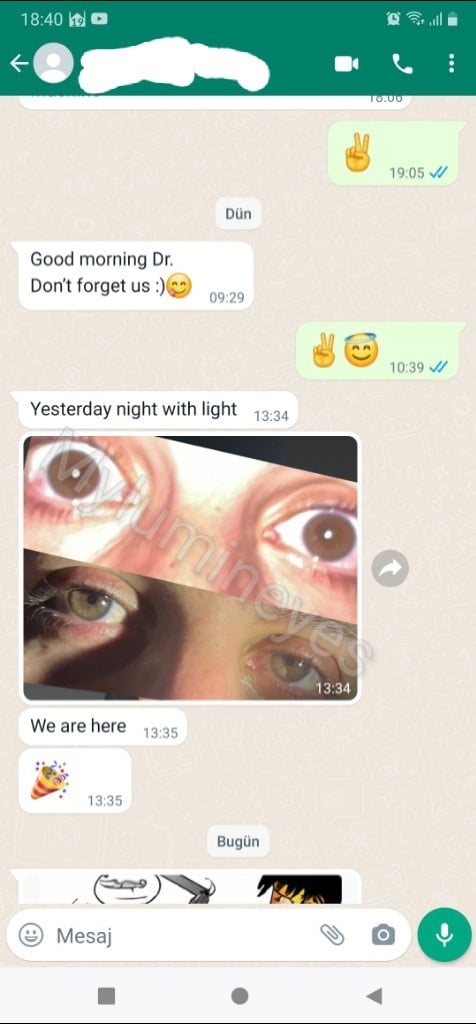
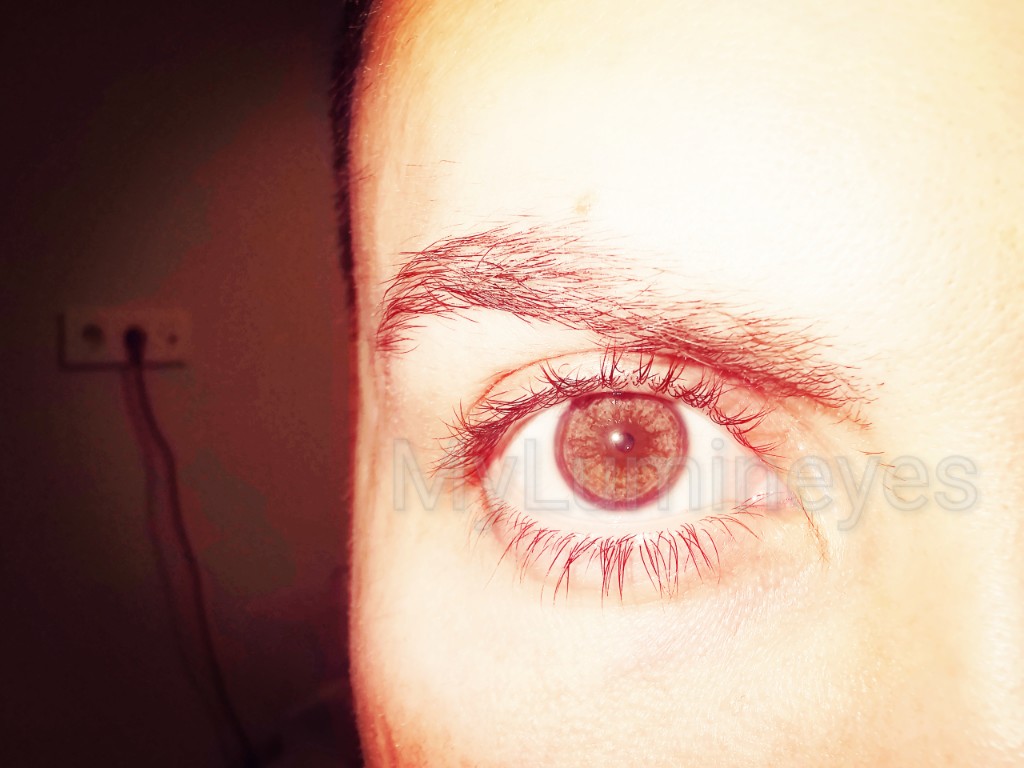
All photos are genuine clinical or patient-provided images. They are not filters, cosmetic edits or artificial simulations. Lighting, camera quality and angles may vary, which is why the results look natural rather than “perfect”. This helps you see how laser eye color change appears in real life, not only under studio conditions.
MAKING DREAMS COME TRUE STARTED WITH US
Mylumineyes Eye Colors
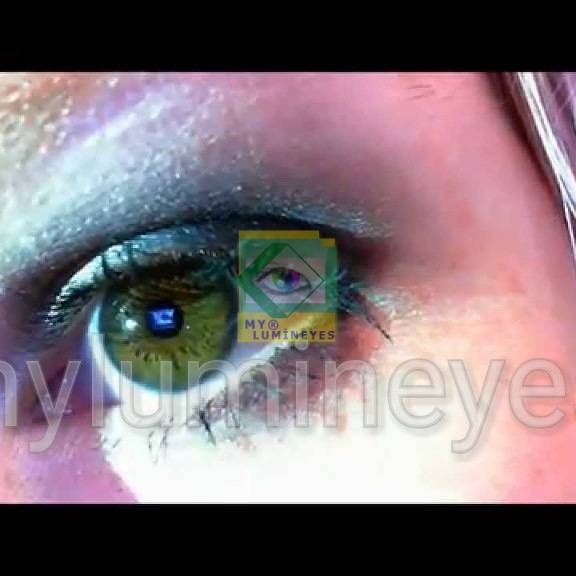
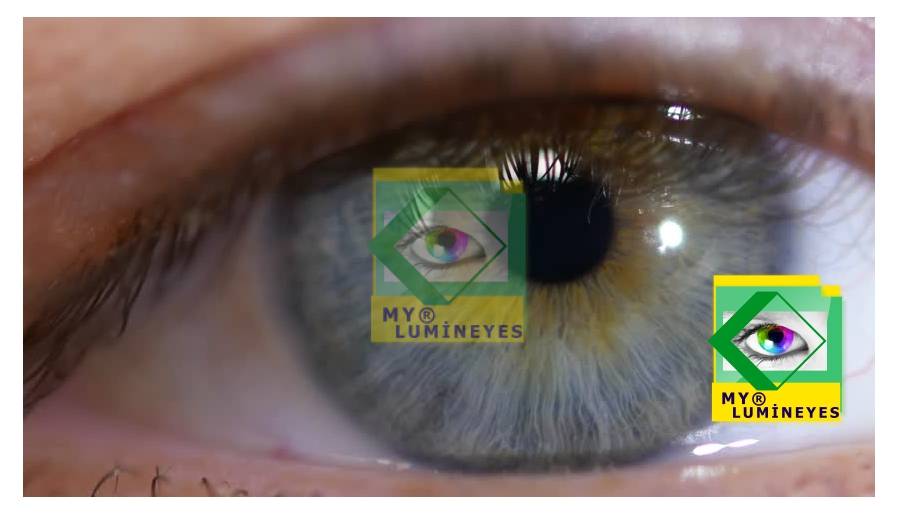
Photo and Video Examples of Real Patients
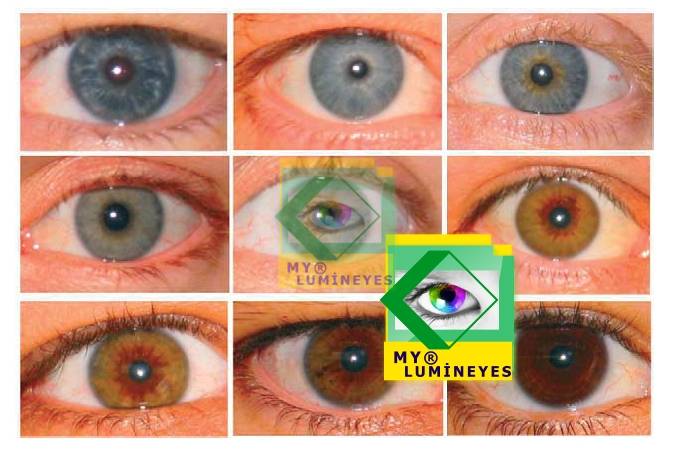
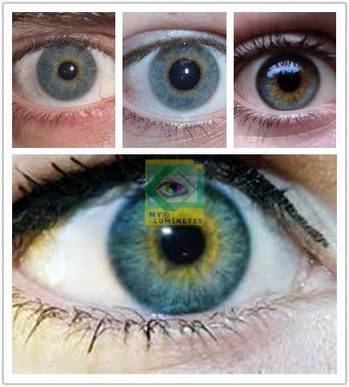
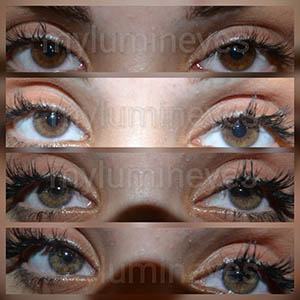
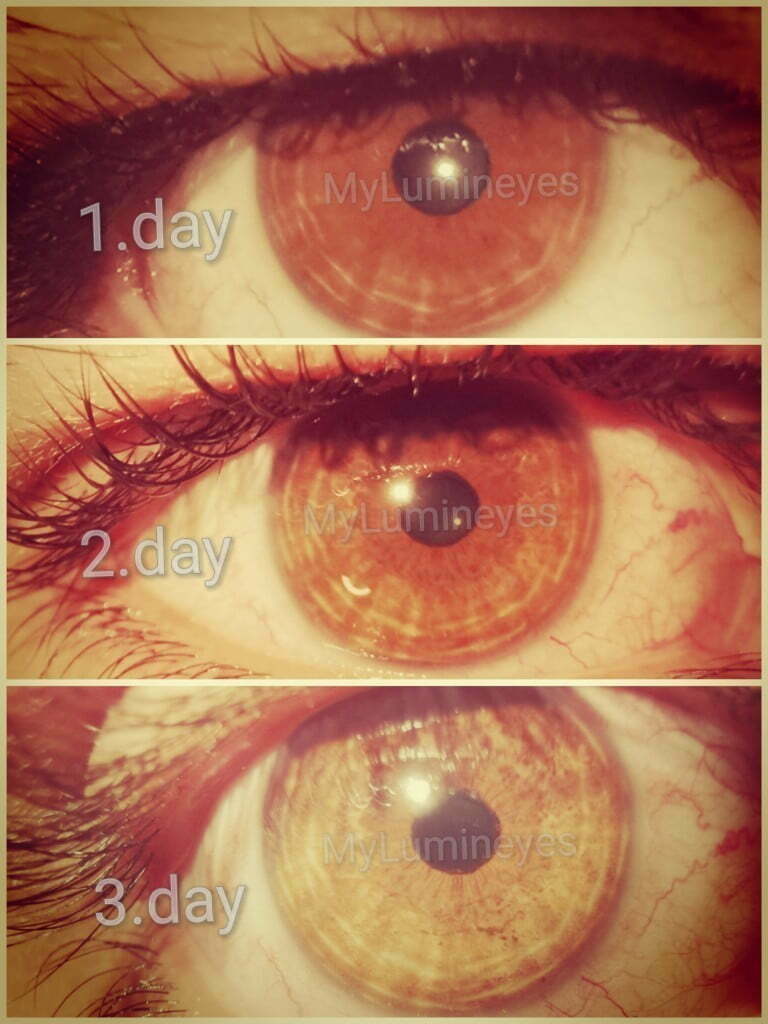
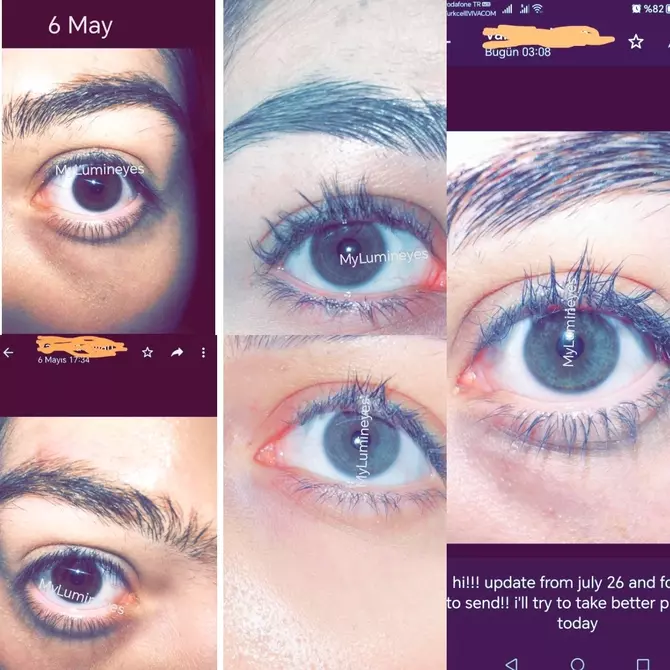
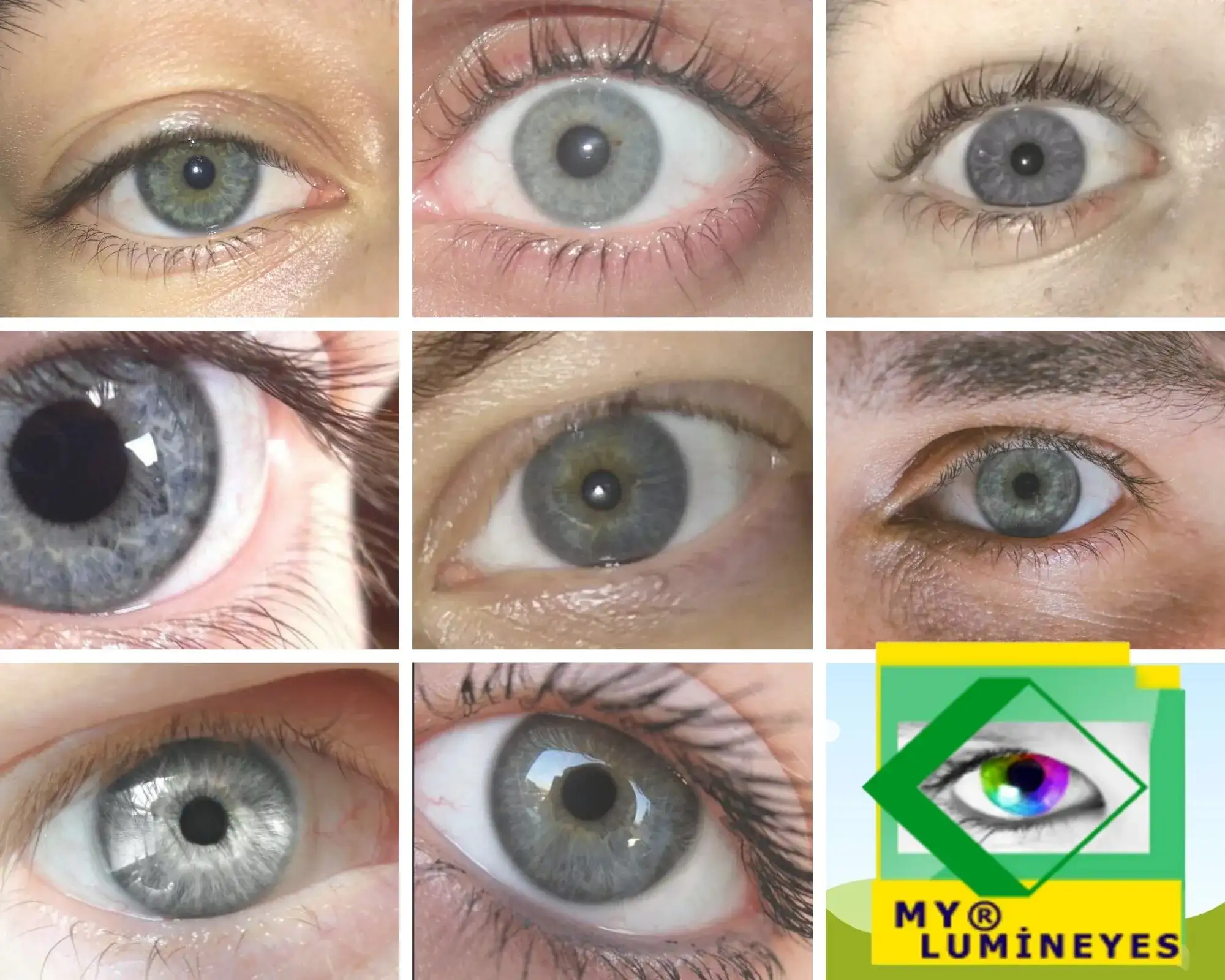
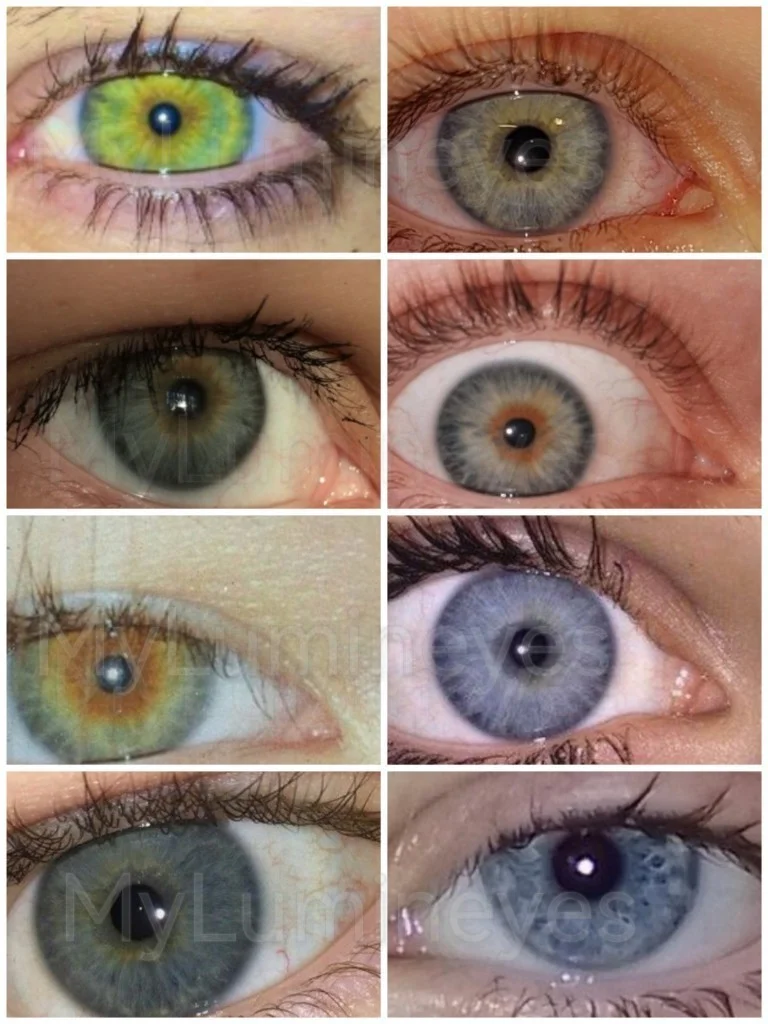
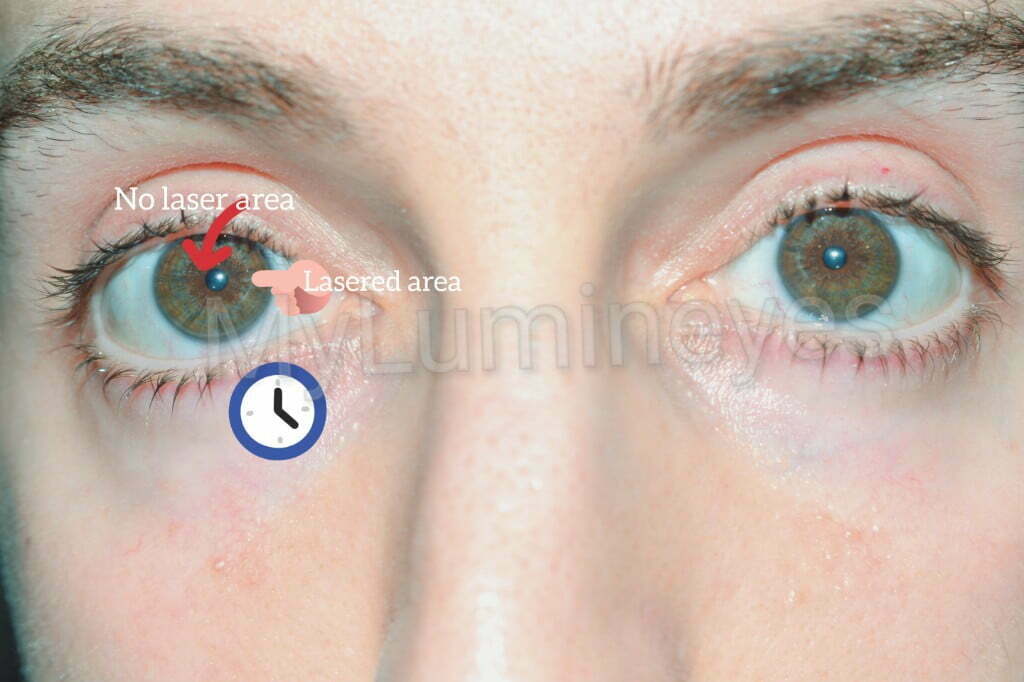
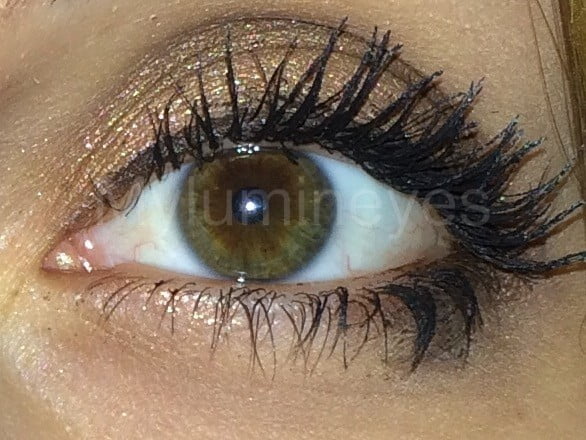
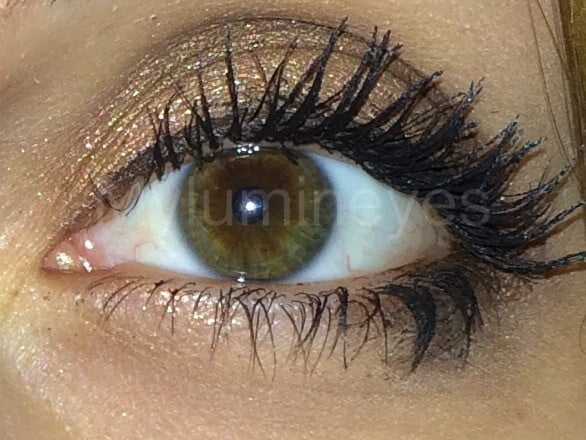
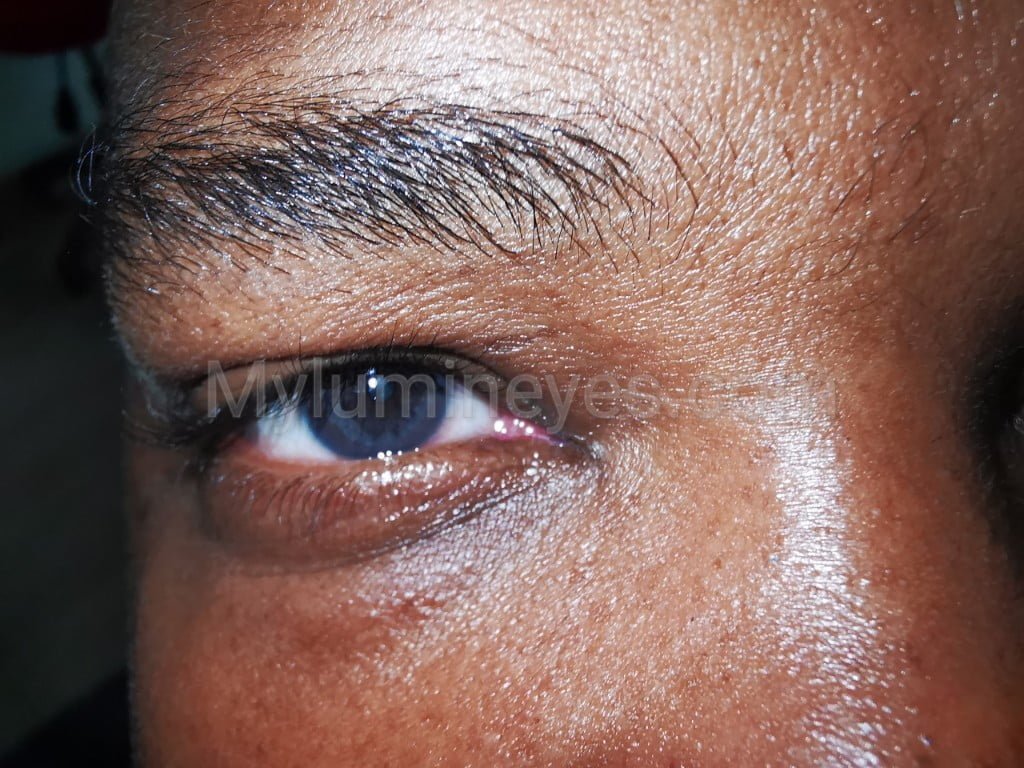
These before and after photos show different stages of the laser eye color change process. Some patients have only completed a part of their program, while others have finished all recommended sessions. This is why you will see a spectrum of results: from slightly lighter hazel eyes to dramatic changes toward grey, green or light blue tones.
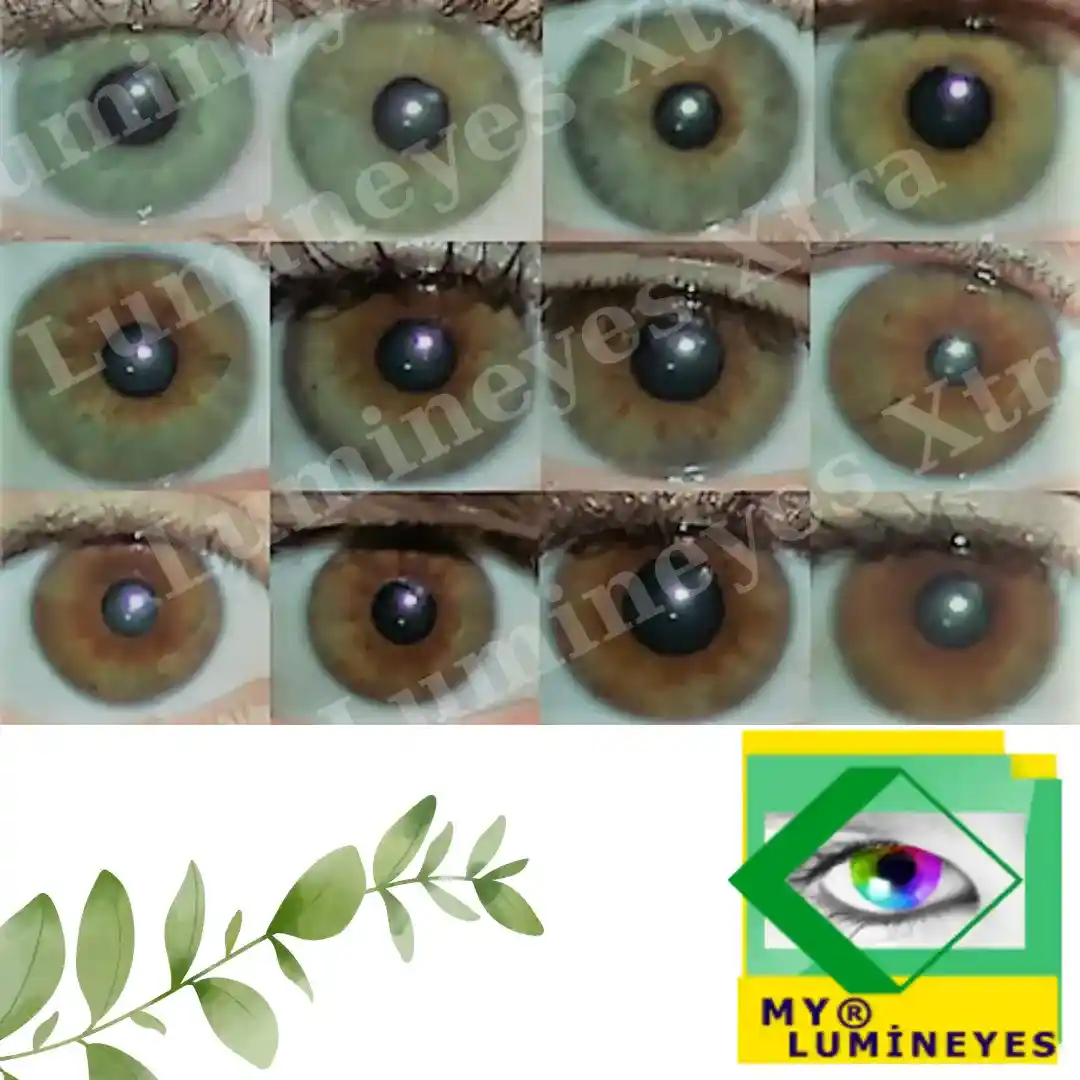
Patients with dense Grade 4 brown pigment often need more sessions and a longer stabilization period. Their transformations are usually the most striking, but also the ones that require the most patience. By examining various cases, you can develop a more accurate understanding of where your own initial position may be situated on this spectrum.
How to Interpret These Before and After Photos
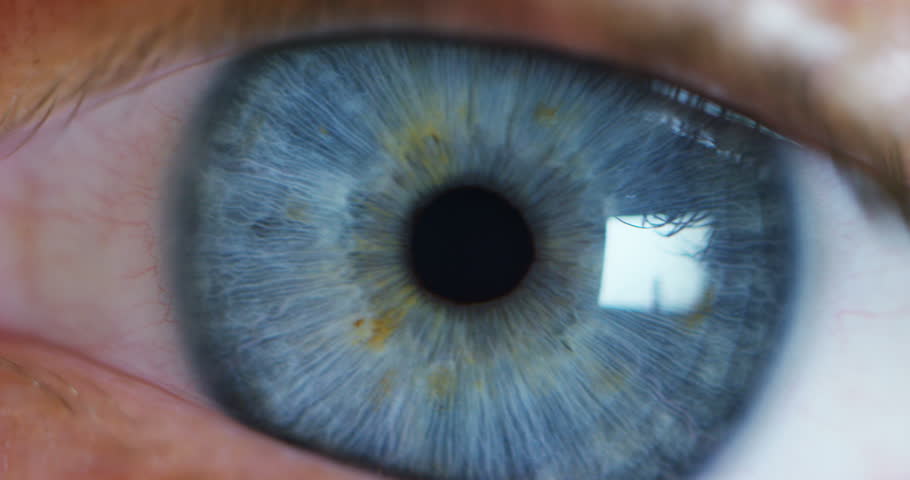
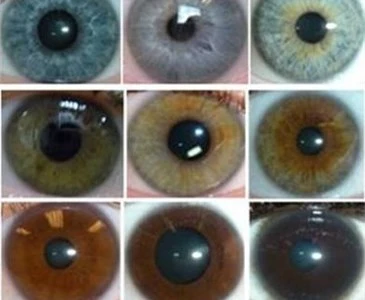
When you look at these images, focus on the overall lightness and transparency of the iris rather than chasing a specific color name. The final shade depends on your natural pigment pattern, iris structure and how your eyes respond to each laser session. No clinic can promise an identical color for every person; each eye opens up in its own way.
Subtle variations in lighting, reflections, and even the size of the pupil can cause an eye to look somewhat different from one photograph to the next. This is a common occurrence, and it happens frequently in everyday life. The main point is the clear decrease in dark pigment, which is then followed by the appearance of a more open, bright, and natural eye color over time.