Laser Eye Color Change Before & After Photos in Turkey
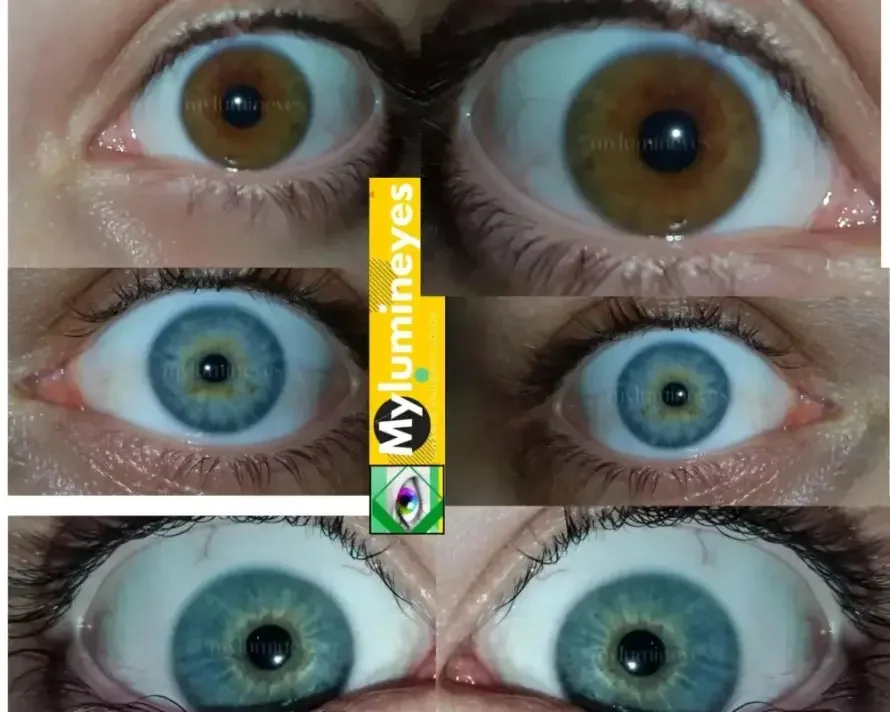
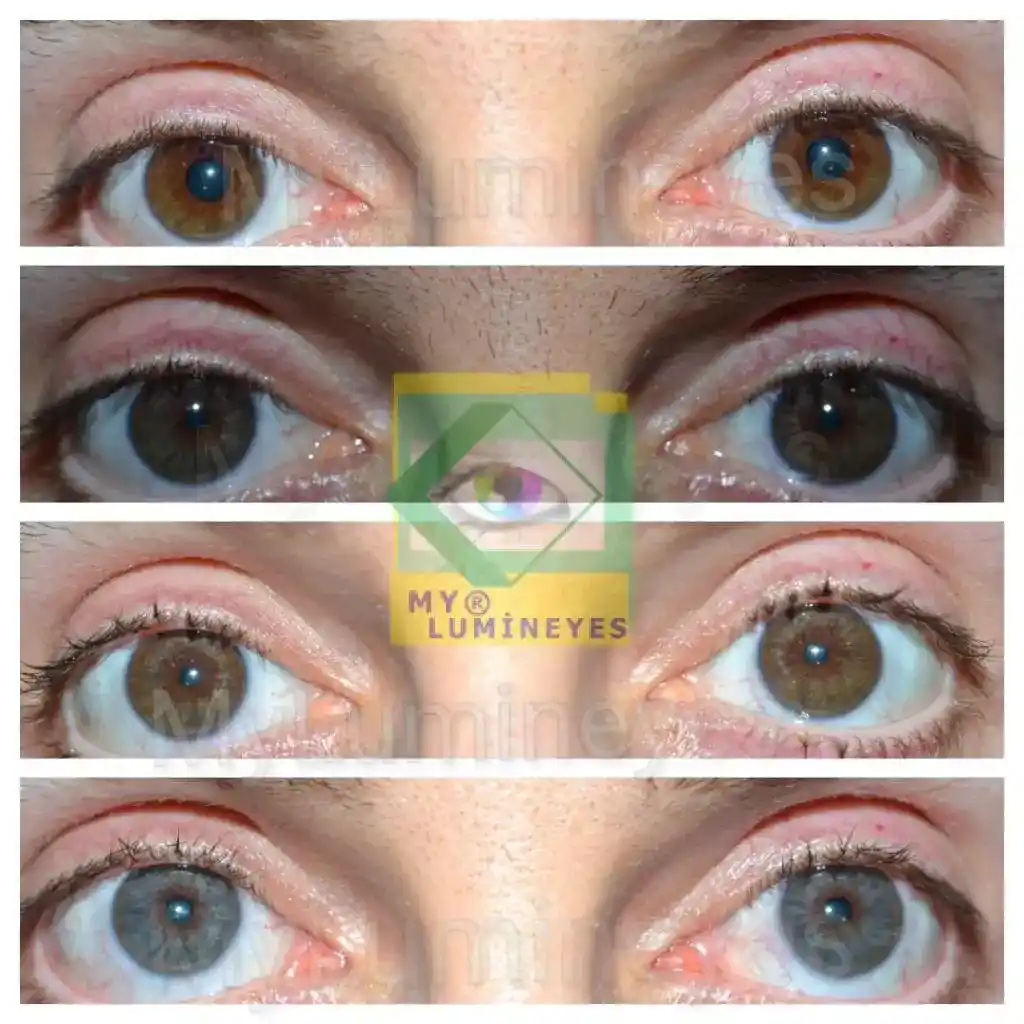
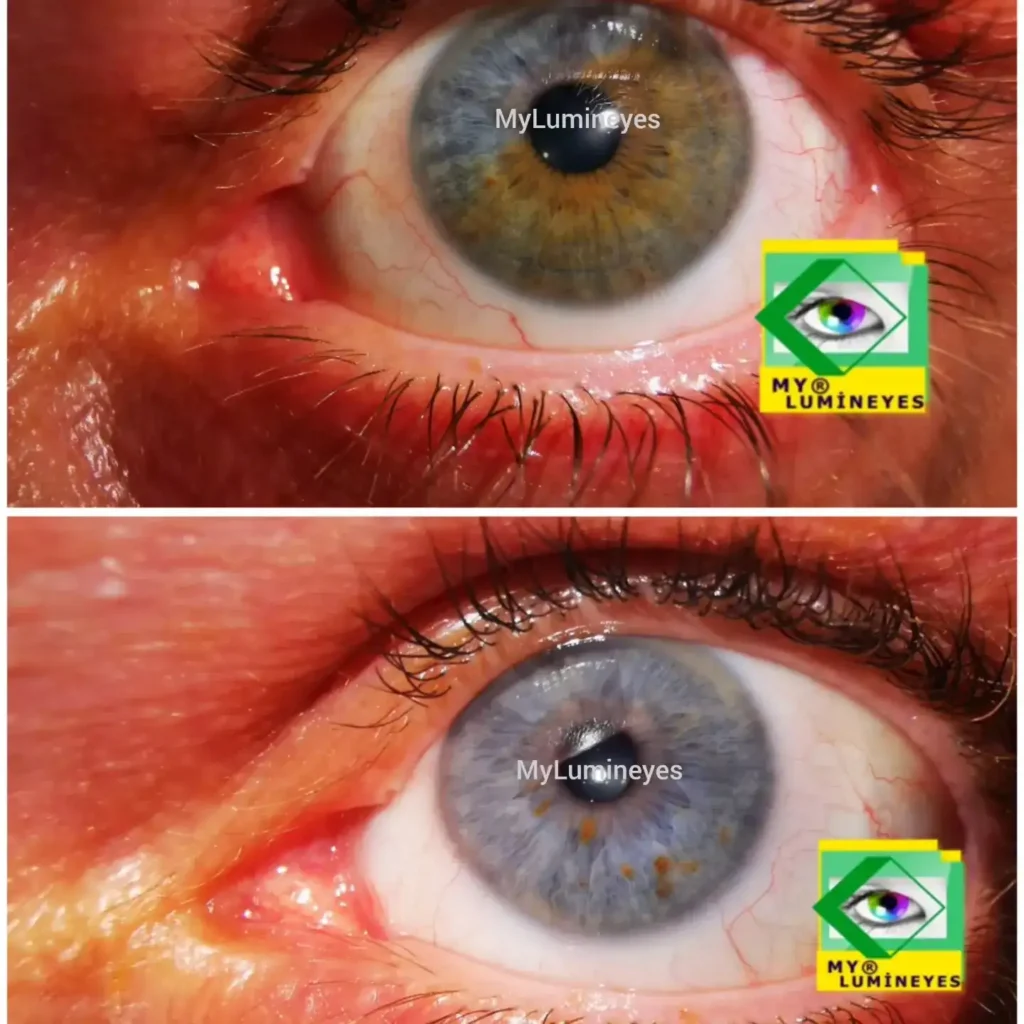
These before-and-after photos represent real clinical cases performed with the Lumineyes® laser method. No cosmetic filters or artificial enhancements are used. Lighting and angle differences may occur depending on the patient’s device, but the iris texture and natural reflections remain untouched.
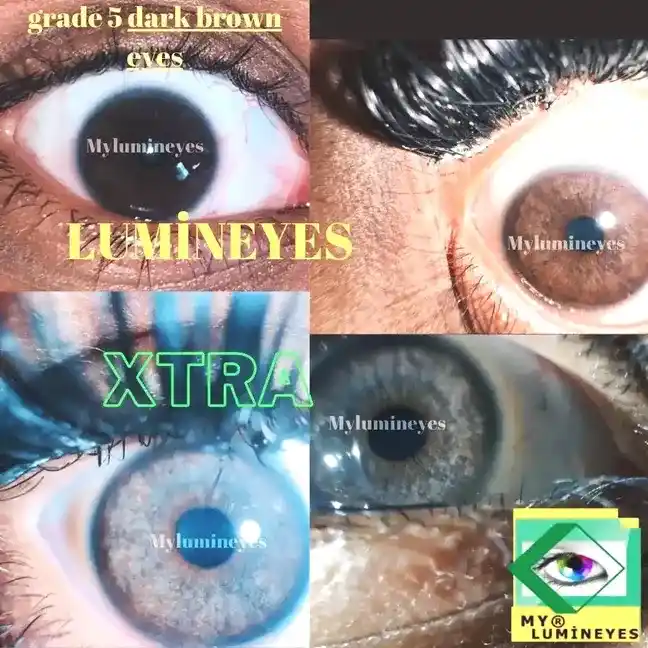
All examples are documented under medical supervision by Op. Dr. Mustafa Mete. Grade 4 dark-brown cases typically require a minimum of 40 sessions for a visible, uniform lightening. Lighter eyes reach their final shade sooner. This gallery provides an evidence-based view of what the procedure can realistically achieve.
Nothing is more valuable to anyone considering a laser eye color change operation than seeing actual, unedited before and after images. This page presents a carefully curated selection of real patient transformations performed in Turkey, using clinical photographs and self-captured images taken under everyday lighting conditions.
Laser eye color change before and after results help patients understand how the iris gradually lightens through a controlled laser procedure. Each transformation depends on the natural melanin density, starting point color and number of sessions
Every photo shown here reflects a true medical procedure, not a filter, not a cosmetic enhancement, and not a digitally altered simulation. Patients come from a wide range of eye color backgrounds — from very dark brown (Grade 4) to mixed hazel and lighter tones — which helps new patients understand what type of transformation might realistically apply to their own eyes.
Laser eye color change surgery is not an instant or cosmetic trick; it is a structured medical process based on reducing melanin density in the iris over multiple sessions. These images document the steady evolution, each one a snapshot of the process, allowing observers to see just how organic the change appears.
How Laser Eye Color Change Works
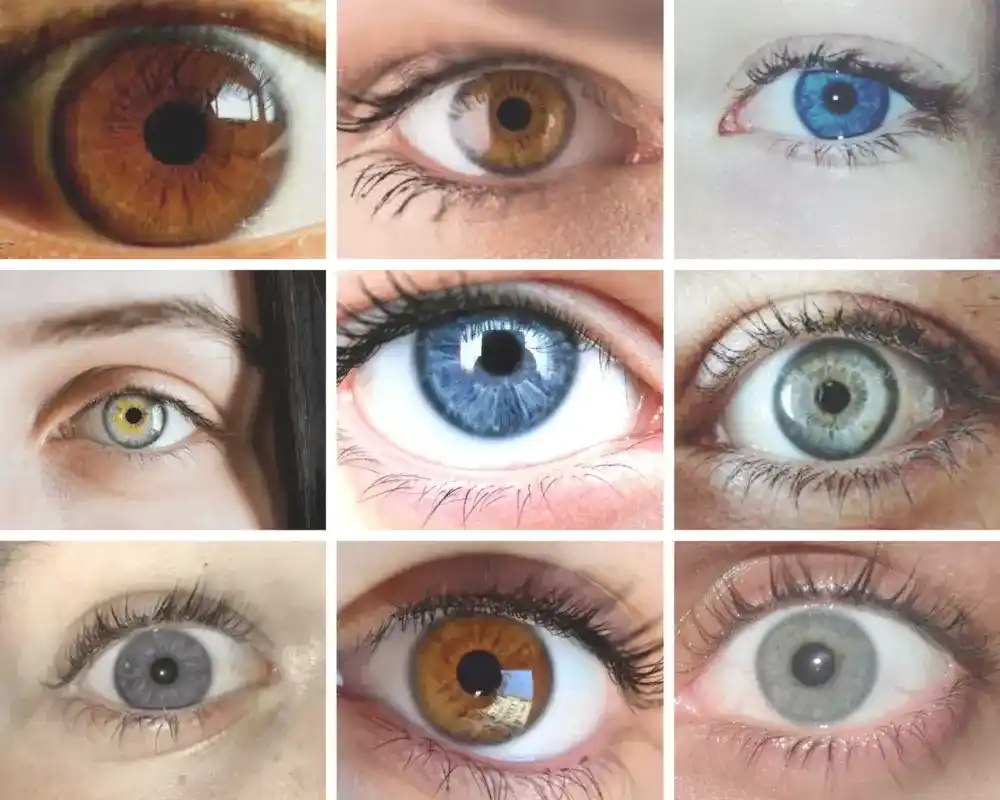
The treatment uses carefully controlled laser energy to target the outer layers of iris pigment. As melanin breaks down, the underlying natural eye color, which can be grey, green, hazel, honey, or light blue, depending on the person, becomes evident.
Therefore, the final hue differs since each patient has a unique dispersion of pigments. Some develop a chic gray, while others lean into a smoky green or a soft honey brown. Patients with very intense pigmentation, classified as Grade 4, generally require at least 40 sessions. This extended treatment plan usually leads to the most noticeable improvements.
This natural variability is one of the reasons why before & after photos are essential. They show not only the outcome but also the range of possibilities.
What Determines Your Final Eye Color
Several medical and biological factors influence results:
- Initial pigment grade (Grade 1–4)
- Depth and density of melanin in the iris
- Genetic undertones (blue/grey/green base)
- How the eye responds to each session
- Healing time between treatments
- Stabilization period after completing the program
Because these factors interact differently in every patient, no clinic can promise a single universal shade. The value of before & after photos is that they present what actually occurs across real cases rather than unrealistic expectations.

Selected Before & After Examples (Videos & Photos)
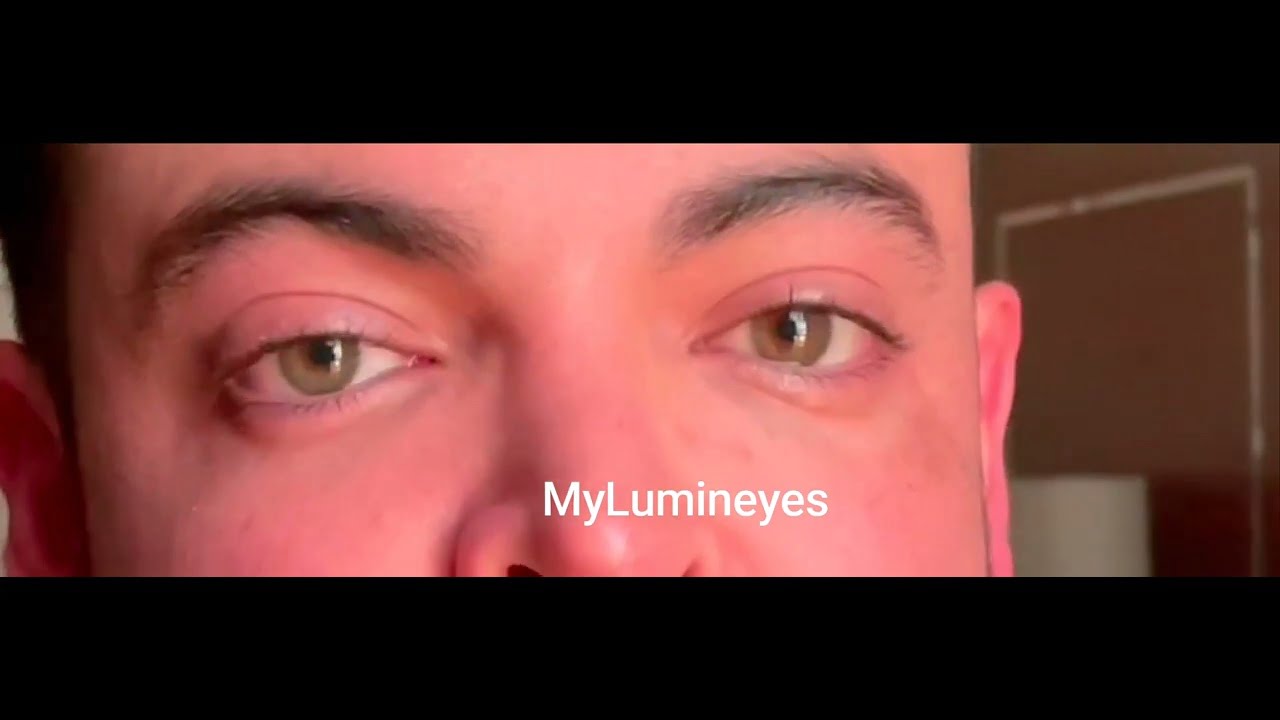
Below this text, you will find a collection of video results and selected before & after images. These examples represent real cases documented throughout treatment, providing a clear and honest overview of what the procedure can achieve.
Each example maintains the original lighting and angles as much as possible so that viewers can assess the transformation under realistic conditions.
Explore the Full Patient Gallery
For hundreds of additional before & after photos — including Grade 4 transformations, several-stage progress photos, stabilization results, natural daylight shots, and mixed-lighting comparisons — visit our full archive:
These before-and-after examples show how laser eye color change surgery progresses over time with real, unedited results taken under everyday conditions.
👉 View the complete gallery:
“Laser Eye Color Change – Full Before & After Photo Archive”
This link directs you to our main gallery page, which hosts the most extensive collection of real patient outcomes.
Why Turkey Is a Global Center for Eye Color Change
Turkey has become one of the most sought-after locations for this procedure. Patients travel from the USA, Canada, the UK, Europe, the Gulf region, and Asia for several reasons:
- Experienced medical teams with extensive case volume
- Advanced laser systems and individualized treatment parameters
- High success rates in Grade 4 and mixed-color cases
- Favorable cost-to-quality ratio
- Comfortable treatment scheduling for international patients
- Clinically supervised protocols rather than cosmetic approachesThis combination has positioned Turkey as a global reference point for laser eye color change, particularly for patients seeking the highest level of safety and clarity regarding real outcomes.
What to Expect from the Results
The photos on this page — and the full gallery linked below — show a wide spectrum of outcomes. Some patients achieve a mild brightening of their natural color; others undergo a complete transformation from dark brown to grey, green, or soft blue.
Natural Color Gradients
One of the unique aspects of this procedure is that the iris develops soft gradients, not flat digital colors. Light interacts naturally with the remaining pigment, creating a tone that appears authentic and harmonized with the patient’s facial features.
Deep Pigment and 40+ Sessions
Patients starting with dense Grade 4 brown typically require more sessions and experience a slower transition. Their results are often the most dramatic, which is why many examples are featured in our full gallery.
What Do Real Cases Look Like?
Most patients want to understand how their eyes look in real life during the transition, not only in ideal clinic lighting. The photos and videos you see on this page come from real treatment stages taken under normal conditions—phone cameras, mixed lighting, different angles. This is why the results appear natural instead of artificially uniform.
Laser treatment does not create a “painted” or artificial color. It gradually reduces the dense brown pigment, allowing each patient’s own underlying shade to appear. Some eyes open toward smoky grey, others toward green, honey, or pale blue tones. The variation is normal and depends on the patient’s natural iris structure.
Why These Results Look Natural
Laser eye color change does not use artificial implants, colored lenses or cosmetic filters. The eye keeps its natural texture and pattern because the procedure simply reduces the excess melanin on the iris surface. As the pigment becomes lighter, the underlying shade appears gradually, creating a natural gradient instead of a sharp or painted look.
Each person’s eyes respond uniquely, explaining why authentic patient photographs reveal a spectrum of hues – green, gray, honey, or blue. This variance is normal and represents the unique anatomy of each person’s iris.
Important Notes & Medical Transparency
- Results vary significantly from person to person.
- No clinic can guarantee a specific color — outcomes depend on your natural pigment.
- Photos on this page are provided for informational and educational purposes.
- Lighting differences, camera quality, and pupil size may influence the perceived tone.
- The procedure is not cosmetic; it is a medically supervised pigmentation-reduction process.
- These factors are essential for setting realistic expectations and making sure that everyone understands the treatment process.
Patients starting with very dark brown eyes, especially Grade 3–4 pigment levels, usually require more sessions to reach lighter tones such as grey or light blue. Those with naturally lighter eyes often see changes faster. The total number of sessions depends on the iris response, melanin density and each patient’s unique genetic undertone.
For International Patients Coming to Turkey
- The usual protocol for international patients includes:
- Eye images for online pre-evaluation.
- Crafting a therapy plan tailored to the individual.
- Touching down in Turkey, the first impressions began to form.
- Laser sessions are on the calendar.
- Follow-up and stability monitoring.
- Final documentation, complete with photographs.
This website offers prospective patients a glimpse into actual results, illustrating the diverse, organic, and clinically supervised nature of the process.
Frequently Asked Questions About Before & After Results
Are these before-after photos representative of real patients?
Yes, almost all of these photos are actual images taken by our patients who have received Lumineyes treatment, or they are current photos taken at our MyLumineyes clinic. Unfortunately, due to privacy concerns, we can only publish a small portion of the photos.
How soon do patients notice visible color change?
Many patients see early lightening after the first few sessions, but the full before–after difference becomes clear only after the complete treatment plan is finished. While the change in light brown eyes is noticeable in a short time, the change in dark eyes is noticeable later, approximately after 1 month.
Why do some patients achieve faster visible changes than others?
Every iris has a different melanin structure and reflectivity. Some eyes lighten more quickly, while others progress gradually depending on individual anatomy.
Can every patient reach the same final eye color?
No. Final outcomes depend on natural iris texture, melanin depth and how the eye reflects light. A specific shade cannot be guaranteed, but most patients experience a noticeably lighter and brighter appearance.
Do lighting and camera quality affect how before–after results look?
Yes. Different phones, room lighting and angles can make the same eye appear lighter or darker. This is why clinical photography uses controlled lighting to show accurate results.